
California • Est. 2019
Premium mushroom chocolate bars, gummies, and cones crafted in California. Bold flavors, uncompromising quality, and a brand built from the ground up.
Explore the CollectionOur Collection
Shruumz Chocolates & Gummies
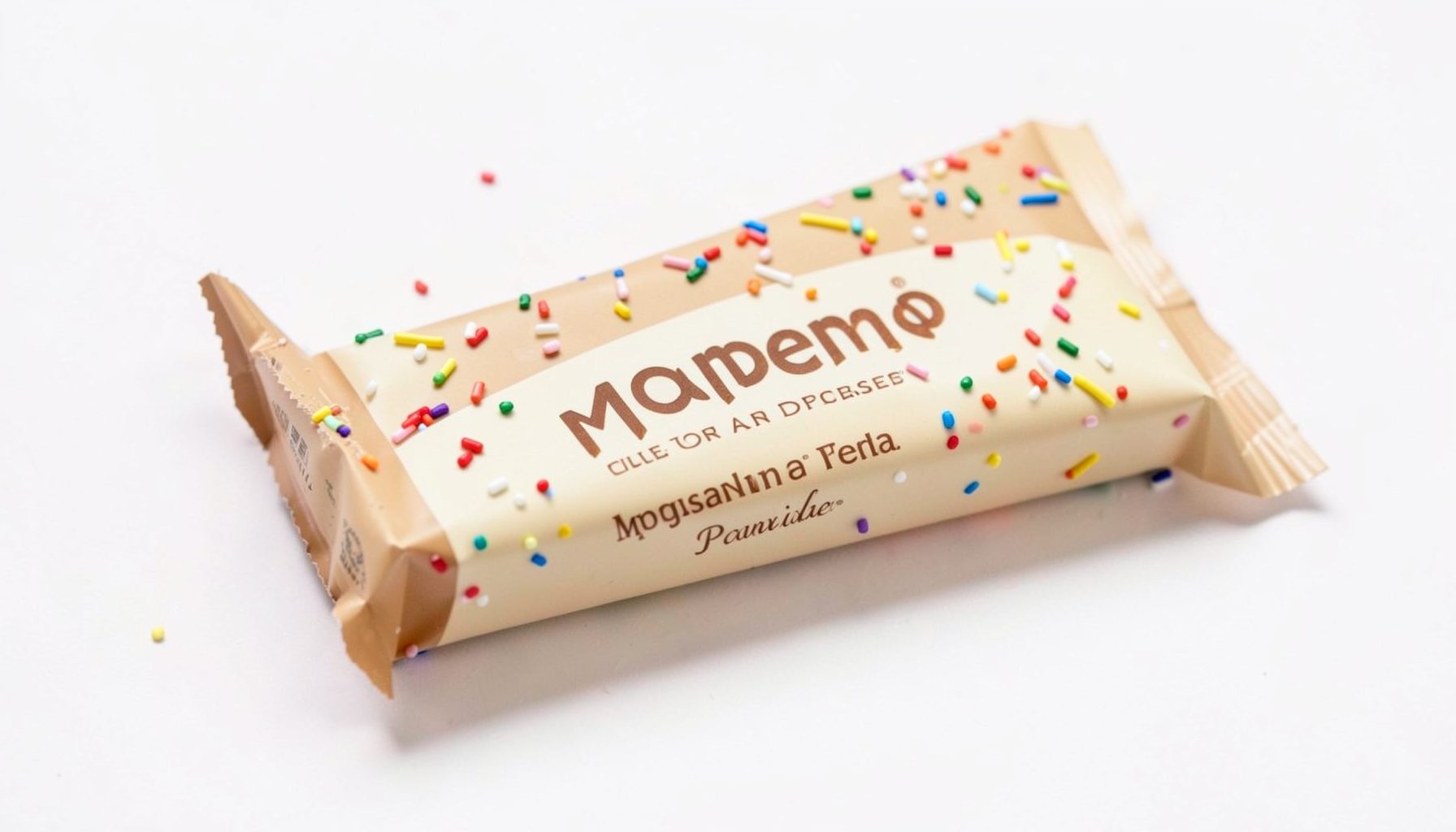
Birthday Cake
Celebratory flavor with a sweet, cake-inspired profile. Available in 1-pack and 10-pack.
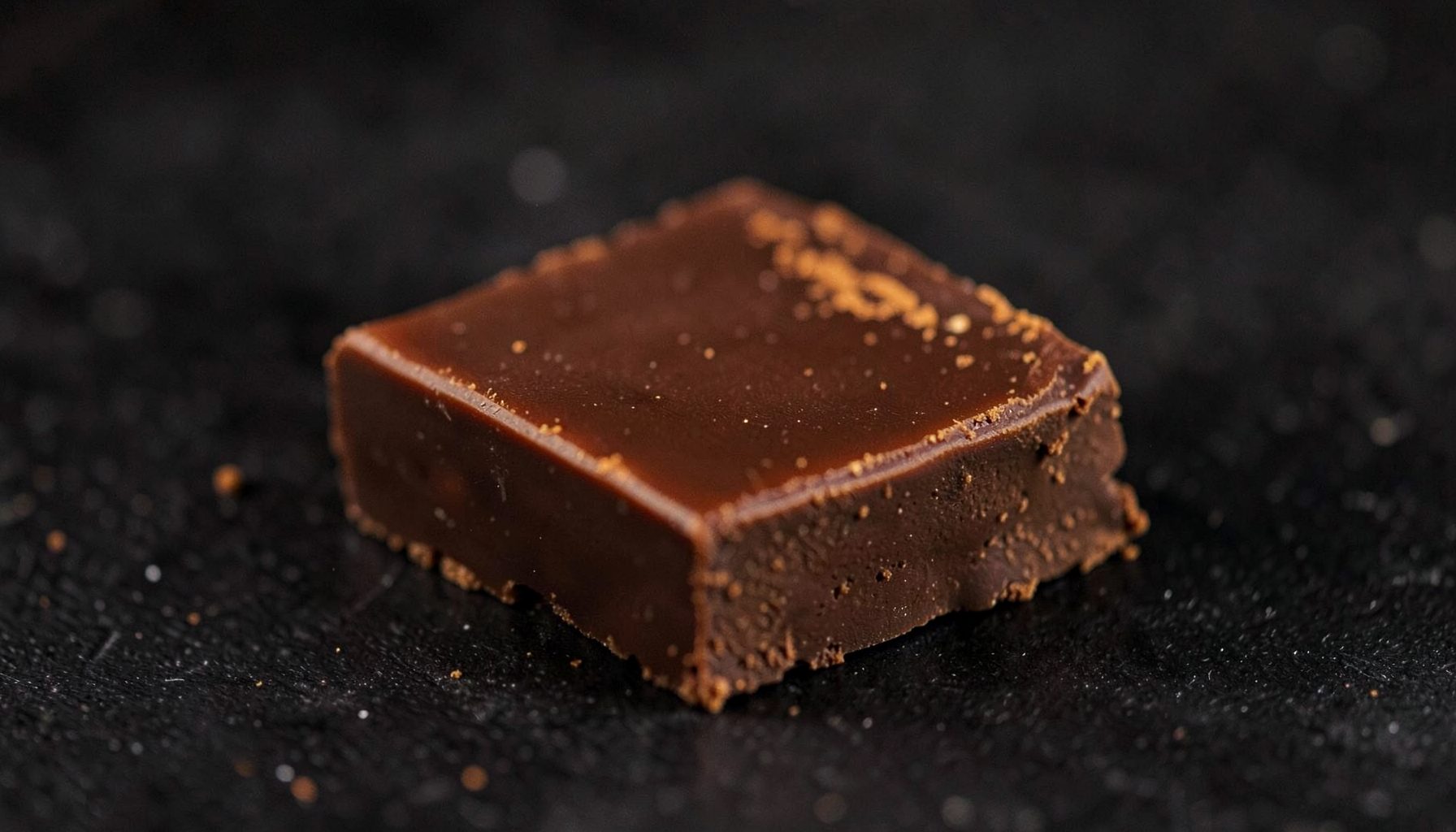
Cinnamon
Warm spiced chocolate with a smooth finish. Single bars and bulk packs available.
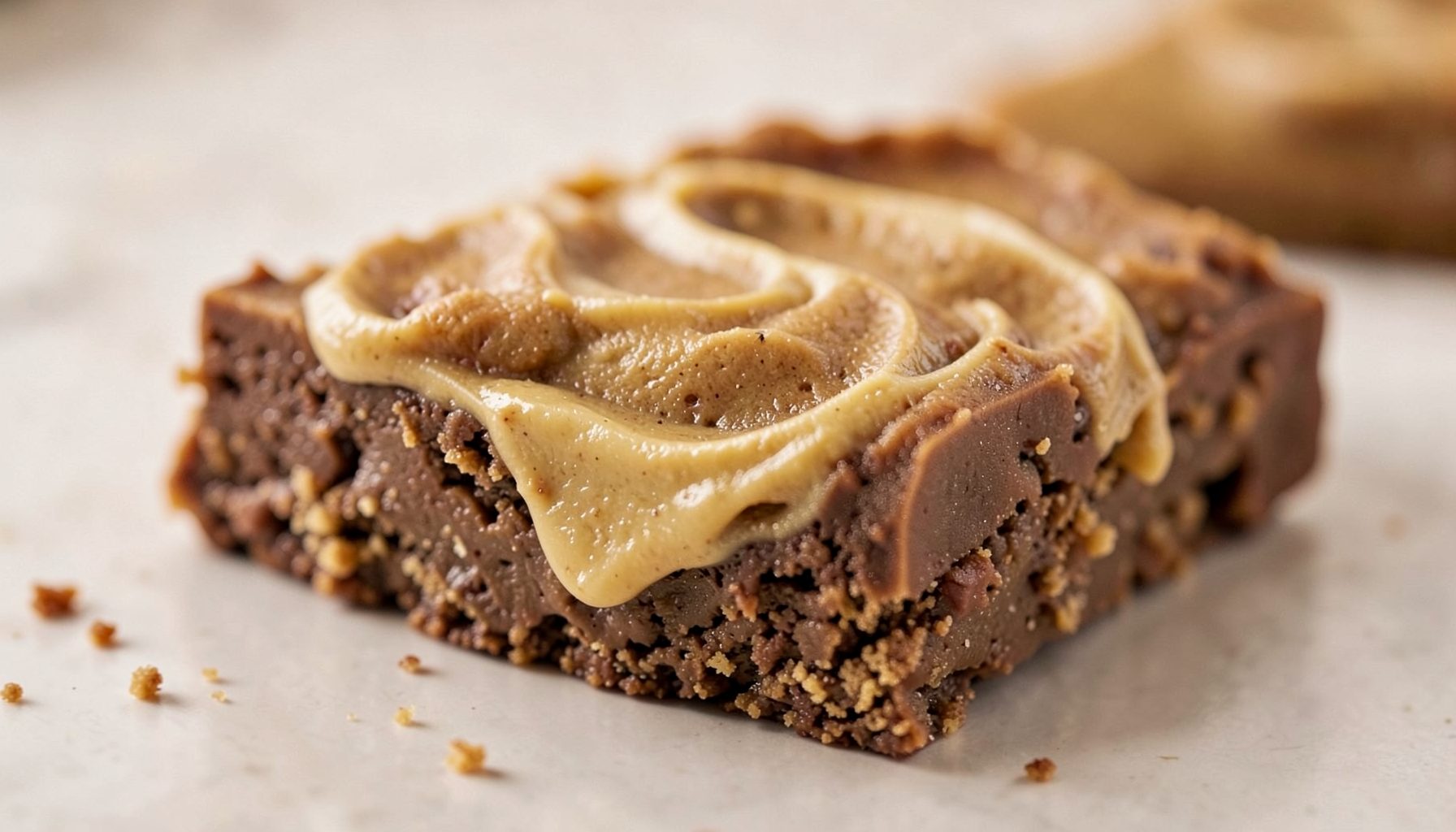
Cookie Butter
Rich, buttery cookie flavor in every bite. Offered in 1-pack and 10-pack options.
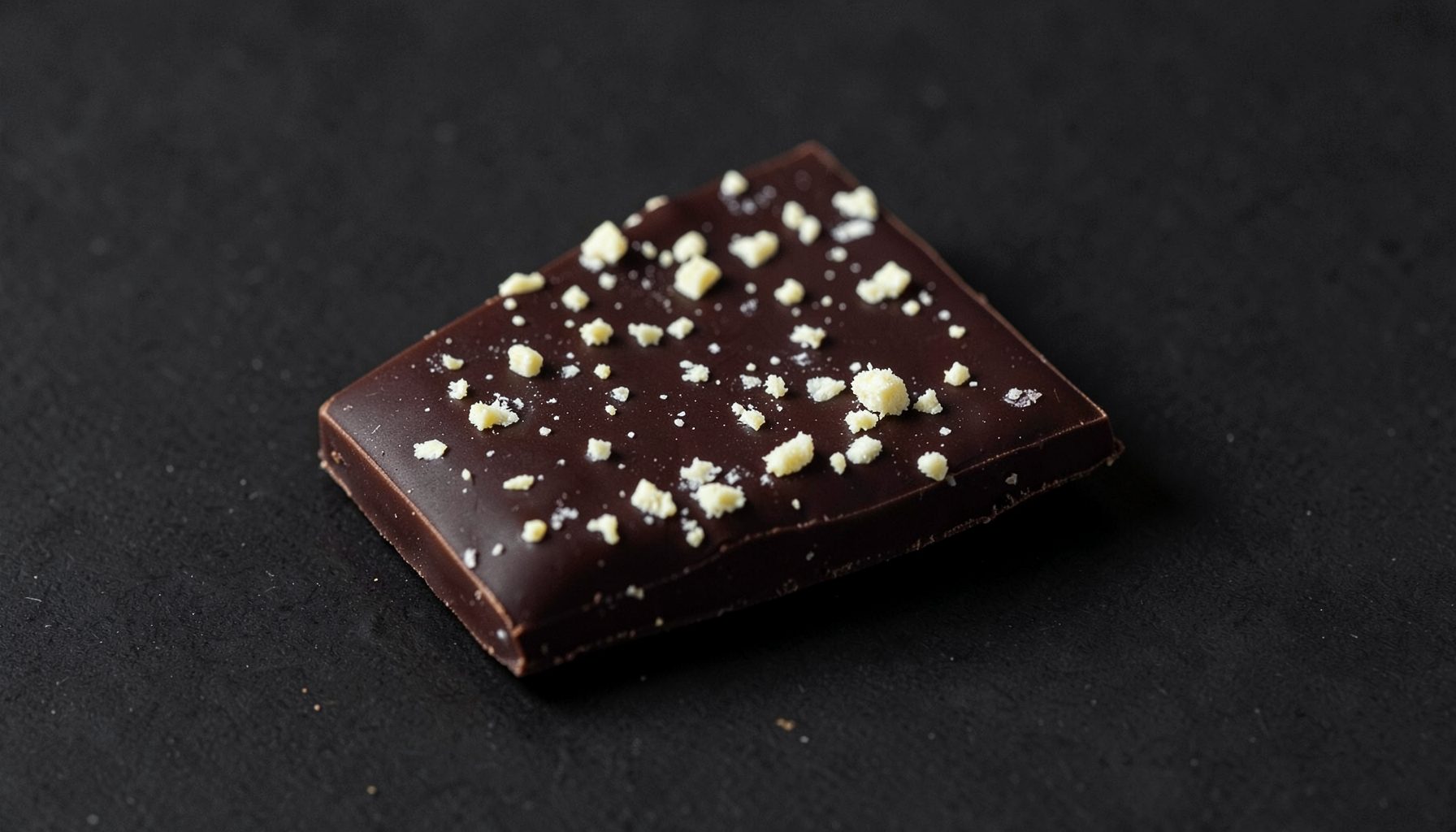
Cookies & Cream
Classic cookies-and-cream taste with a mushroom chocolate twist. 1-pack and 10-pack.
A closer look at the ingredients in our tropical punch flavor
A closer look at the ingredients in our tropical punch flavor is less about guessing from the name and more about reading the label attached to the item in your hand. Tropical Punch is a fruit-forward profile available across Diamond Shruumz bars, gummies and cones, and each format can use a different food base. A chocolate bar, a soft gummy and a cone should not be treated as interchangeable formulations.
Ingredient lists are especially important in Australia because shoppers may compare products sold in specialist grocers, convenience stores and online marketplaces against conventional confectionery on supermarket shelves. A vivid flavour can suggest refreshment, yet it says nothing on its own about mushroom species, dose, allergens or contaminant testing. The practical approach is to separate sensory ingredients from functional ones, then check both against the relevant product documentation.
What the tropical punch profile contains
At the centre of the Tropical Punch experience is the flavour system: fruit character, sweetness and a contrasting cocoa note where the product is chocolate-based. Depending on the format, supporting ingredients may include cocoa mass, cocoa butter, sugar or glucose syrup, fruit concentrate, flavouring, acids, colour, and gelling or structuring agents. The exact package label, rather than this general description, determines what is present.
For bars, the base usually provides the familiar snap and cocoa richness, while fruit-flavour components create the tropical identity. Gummies rely on a chewy matrix and often use fruit concentrate, acid and a coating for texture and shelf stability. Cones can combine a chocolate or confectionery shell with another baked or wafer element. These are format principles, not a substitute for the ingredient panel.
A useful first check is whether the label separates ingredients by descending weight or groups them as a proprietary blend. It also identifies allergens and highlights any active mushroom component. That structure helps answer two different questions quickly: what the product tastes like, and what has been included for the mushroom-based proposition.
How sweetness and tropical flavour are built
Sweetness is one of the main levers in a tropical punch profile. Sugar or glucose syrup can supply bulk and preserve texture, while concentrated fruit juice can add both sugar and flavour. Acidifiers such as citric or malic acid help create the sharp finish associated with punch, and natural or artificial flavour compounds supply notes that may not be reproduced by juice alone.
Colour follows a similar path. A fruit punch hue may come from concentrates or added colours, and a chocolate format may achieve contrast through coloured cocoa pieces or a coloured outer layer. Those choices affect appearance, not potency. Buyers should check the colour declaration and allergen statement, especially if they avoid certain additives or need to confirm whether a product contains milk, soy, wheat or gelatine ingredients.
A balanced flavour does not mean a mild formulation. Acid, sweetener and fruit notes can make a product taste bold even when its active dose is modest. For this reason, the ingredients and dosage information should be read separately from taste impressions. A customer’s preferred flavour, colour or perceived lift is personal experience rather than evidence that every person will respond in the same way.
What the mushroom component tells you
The mushroom component is the functional part of the proposition, so it deserves more attention than the fruit notes. Diamond Shruumz’s approach centres on mushroom-infused products, and useful transparency begins with identifying the mushroom ingredient and the amount per serving or piece. Consumers should check the nutrition or product information panel as well as the ingredient list, because a serving size can differ between bars, gummies and cones.
If a specific mushroom extract is named, its source and potency can be evaluated more directly. If the product uses a proprietary mushroom blend, one panel entry may cover several inputs without showing each proportion. That is not automatically a quality problem, but it means claims about a single mushroom should not be treated as a complete description of the blend. A per-piece dose and the total package dose remain useful comparison points.
Reported wellness or recreational experiences should remain anecdotal, not a guaranteed outcome. Australian buyers also need to distinguish a legal food product from an illegal psychedelic preparation; psilocybin remains controlled in Australia, and a product should be checked against Food Standards Australia and New Zealand, the Therapeutic Goods Administration and relevant state or territory rules. Ingredients that are harmless in another country are not automatically lawful to import here.
How sourcing and laboratory checks support quality
Ingredient transparency has two sides: what is included, and where key inputs come from. Diamond Shruumz discusses sourcing and dosing as part of its product information, giving shoppers material to compare with the label. For a mushroom ingredient, sensible questions include the fungal source, extraction method, batch identity and whether a stated amount refers to raw powder or a standardised extract. Those distinctions can materially affect how a dose should be interpreted.
The company’s lab testing findings explain the approach behind its heavy-metal screening and show why batch-level quality evidence matters. Testing can identify lead, arsenic, cadmium, mercury and other unwanted contaminants in ingredients or finished goods. A result is useful within the scope of the sample and test date, but it does not replace correct storage, sealed packaging or a current record for the bar or gummy in your hand.
For additional context on the conversation around mushroom-based consumer products, Pasaloalienzo’s perspective can be read alongside brand-owned material. Cross-checking the company’s claims with independent discussion is sensible, particularly when terms such as “functional”, “microdosed” or “lab tested” appear without supporting detail. Clear sourcing, an identifiable batch and a plain-language explanation of the test are stronger signals than a broad wellness promise.
What Australian shoppers need to check
Australian shoppers should first confirm the exact product and pack size. Diamond Shruumz presents multiple pack options, and an overseas listing may use pieces, count or imperial weight, while Australian retail convention is metric. Converting pack weight helps prevent accidental overbuying, but the number of servings can be more useful: a package with four pieces at a stated dose each is not the same total as one with ten.
Availability should also be checked before ordering. Australian Border Force manages imports, and food, supplements or therapeutic claims can attract documentation requirements or restrictions depending on composition and intended use. Buyers should not assume that checkout access means clearance. Questions about an Australian shipment, label or specific batch are best raised through Diamond Shruumz contact before placing the order.
In Sydney, Melbourne and Brisbane, shoppers are more likely to find this category through specialist confectionery stores, imported-food websites or convenience channels than to assume a permanent place in every Coles or Woolworths aisle. Local demand for bold fruit flavours is familiar in the Australian confectionery market, yet product status still depends on compliant labelling and lawful ingredients. Checking Australian regulators and the seller’s shipping terms is more reliable than extrapolating from a US listing.
A practical takeaway before buying
Before buying, read the full panel rather than relying on the flavour name. Note the product format, active mushroom ingredient, dose per piece or serving, allergen statement, pack count, batch or lot information, and storage directions. Then verify that the specific claims on the listing match the company’s ingredient, sourcing and testing information. A serving calculator is only helpful if the stated serving is the amount actually intended for consumption.
The most useful practical takeaway is simple: let the current package and its supporting records lead, while treating online descriptions and personal experience as secondary. Matching the exact bar, gummy or cone to its label—and keeping it sealed, cool and dry as directed—gives the clearest basis for an informed purchase in Australia.

Send Us a Message
Get in Touch
Have questions about our products or your order? Reach out and we'll get back to you.
- California, USA
- Contact Page