
California • Est. 2019
Premium mushroom chocolate bars, gummies, and cones crafted in California. Bold flavors, uncompromising quality, and a brand built from the ground up.
Explore the CollectionOur Collection
Shruumz Chocolates & Gummies
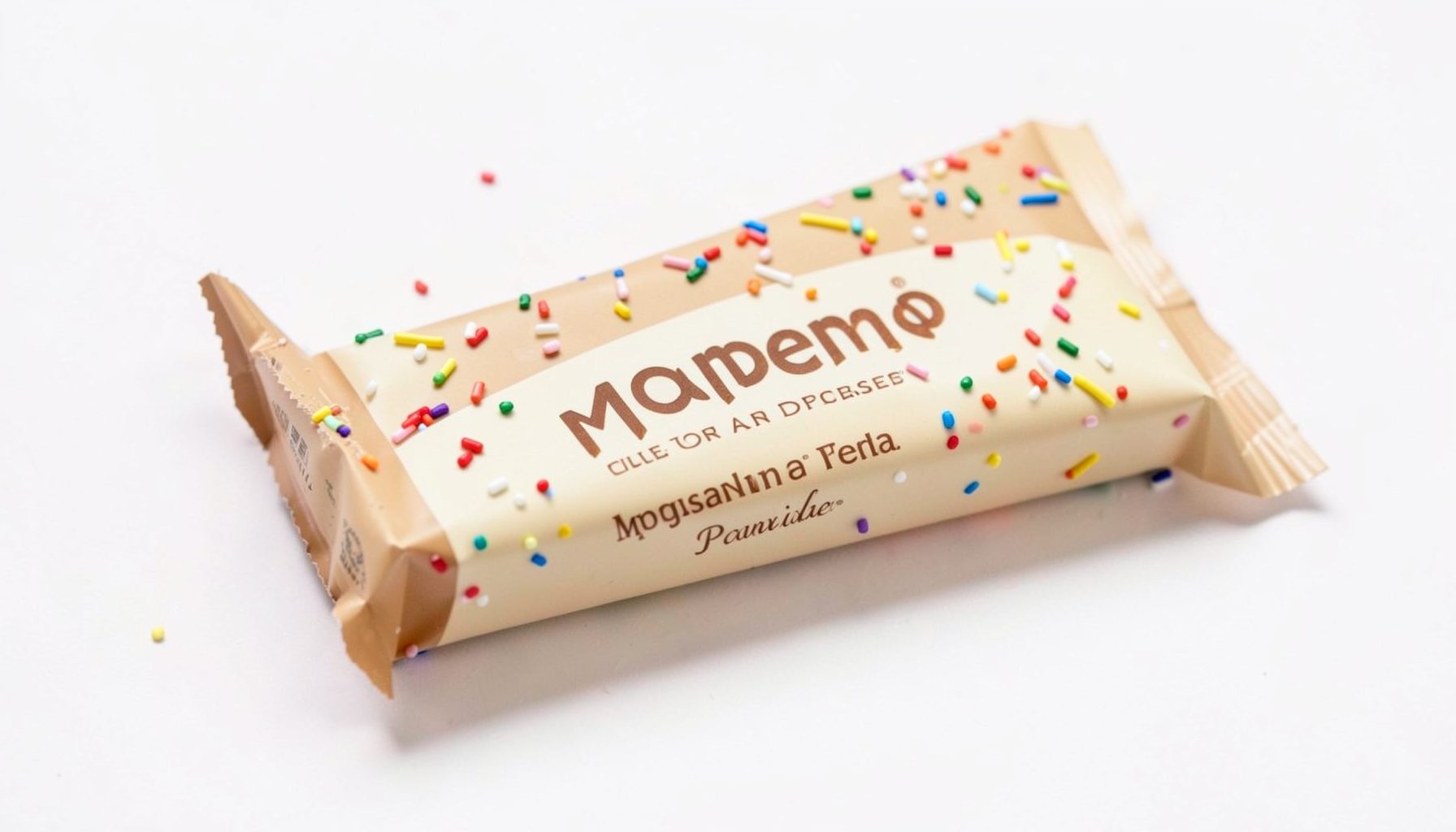
Birthday Cake
Celebratory flavor with a sweet, cake-inspired profile. Available in 1-pack and 10-pack.
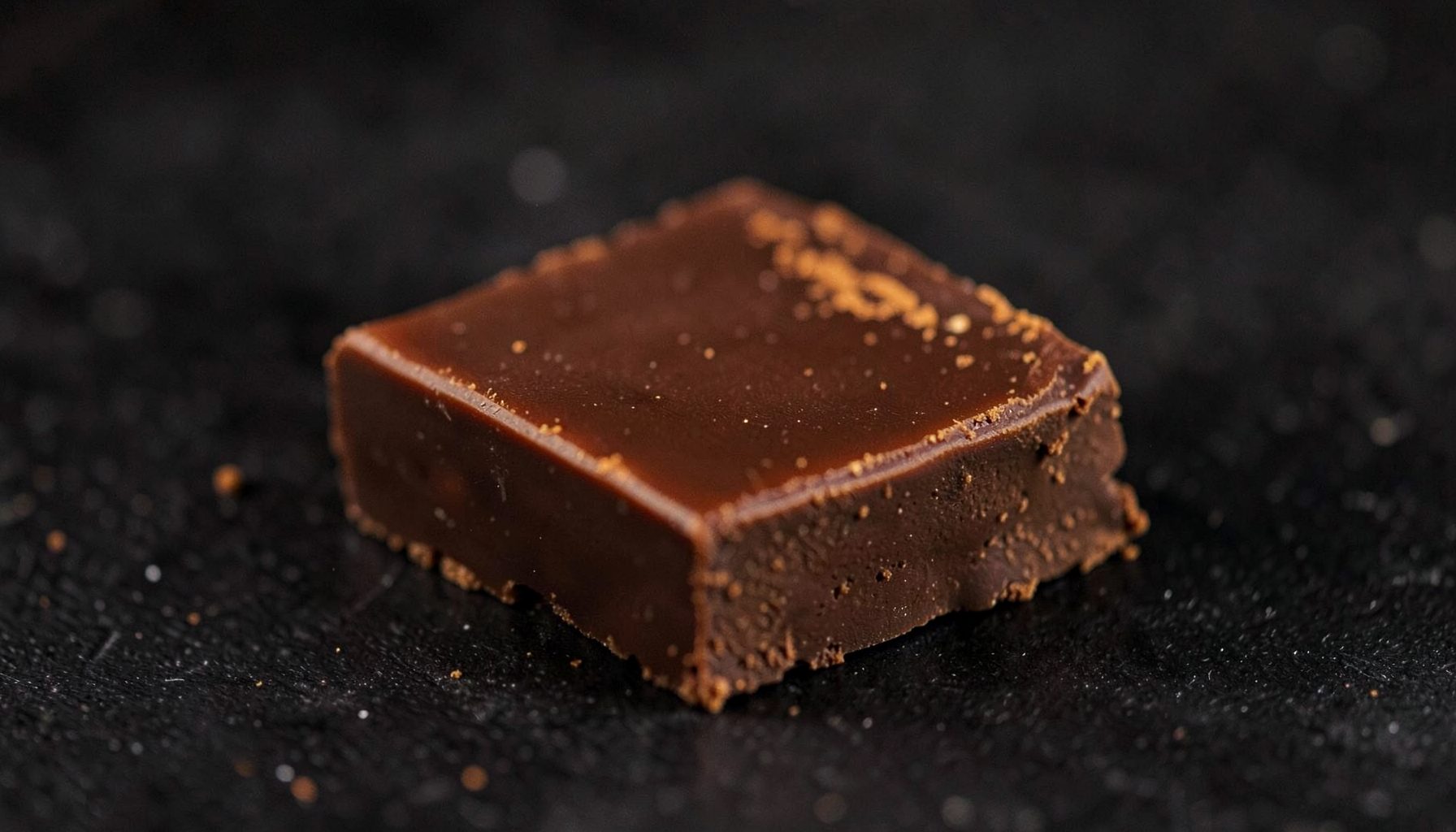
Cinnamon
Warm spiced chocolate with a smooth finish. Single bars and bulk packs available.
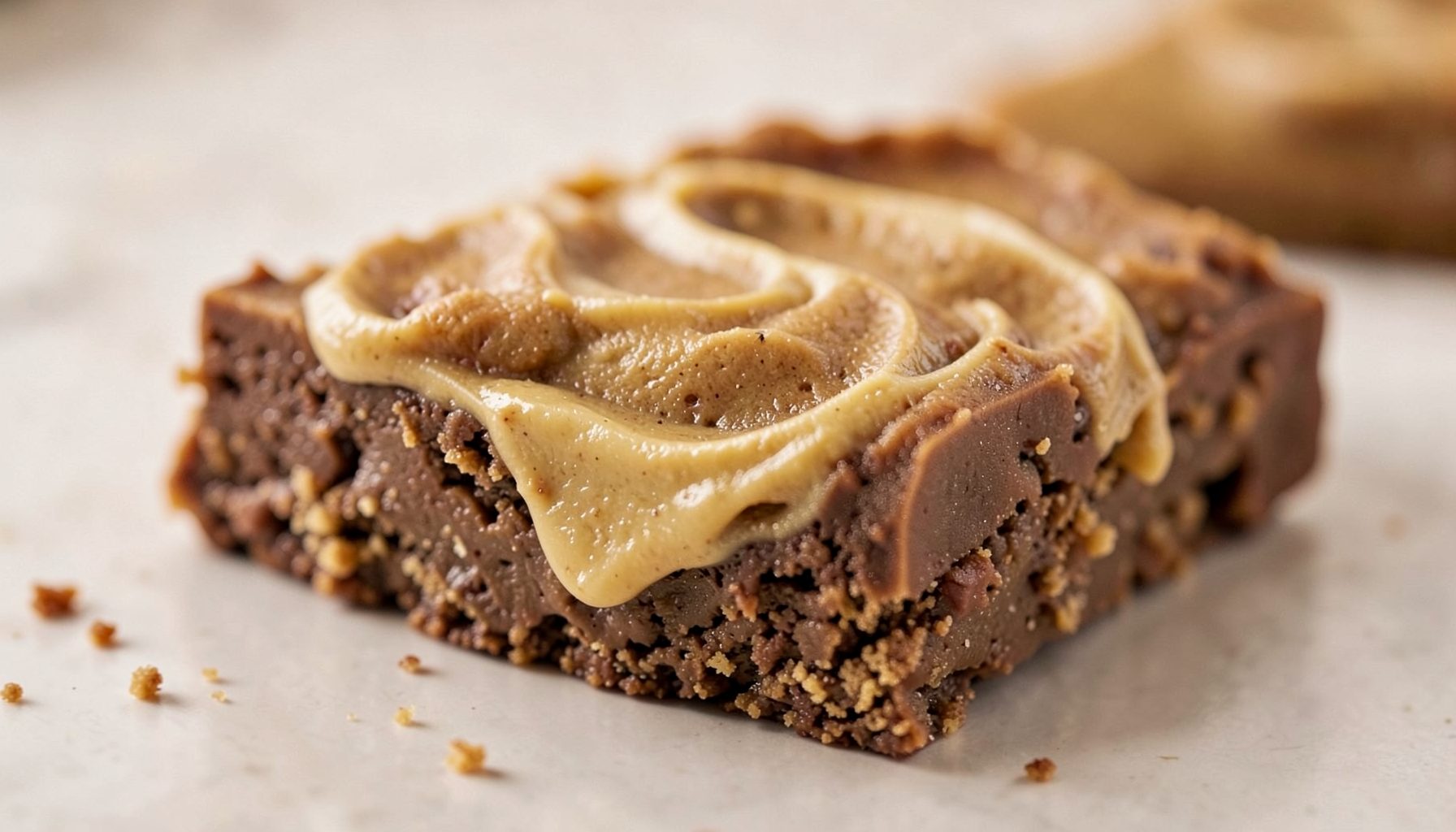
Cookie Butter
Rich, buttery cookie flavor in every bite. Offered in 1-pack and 10-pack options.
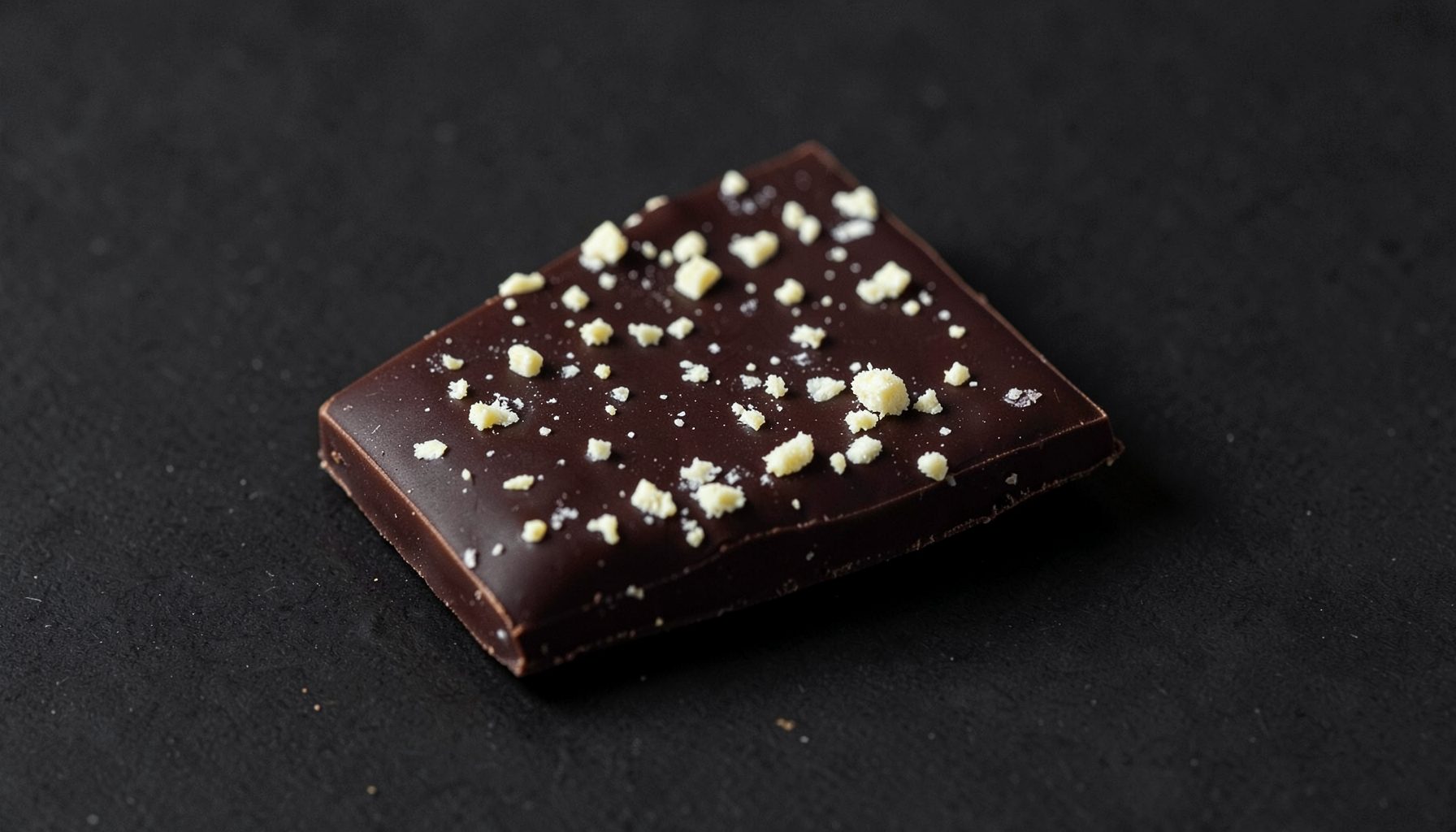
Cookies & Cream
Classic cookies-and-cream taste with a mushroom chocolate twist. 1-pack and 10-pack.
A deep dive into the mushroom species behind our products
Mushrooms are a broad biological category, and the species used in a chocolate bar or gummy can influence its flavor, appearance, traditional use, and expected effects. At Diamond Shruumz, that distinction matters. A mushroom-inspired product should be discussed with the same attention given to its other ingredients, including serving size, sourcing, and formulation. Learn more about What Awards Has Diamond Shruumz Won.
The phrase “mushroom-infused” can describe several different approaches. Some products feature culinary mushrooms for their earthy character, while others use extracts associated with focus, relaxation, or mood. Still others may contain mushroom-derived compounds that require especially careful labeling and responsible use.
Our brand story has developed alongside growing interest in these ingredients. Readers who want additional background can explore the brand’s history, including how a small product concept expanded into a recognizable collection of chocolates, gummies, and cones.
Why species identification matters
A mushroom’s common name is not always enough to identify what is inside a finished product. Several species may share similar names, and one species can appear in different forms, such as whole fruiting body, mycelium, powder, or concentrated extract. Each form may have a different chemical profile and a different place in a recipe.
Scientific naming helps create clarity. For example, Amanita muscaria is a distinct species from the Psilocybe genus, and neither should be casually grouped with culinary varieties such as lion’s mane or reishi. Their traditional uses, naturally occurring compounds, legal considerations, and safety profiles are not interchangeable.
For that reason, product claims should be read alongside the ingredient panel and serving guidance. The species, plant or mushroom part used, extraction method, and amount per serving all contribute to the complete picture.
Culinary and functional mushroom varieties
Lion’s mane, scientifically known as Hericium erinaceus, is recognized by its cascading white spines and mild, seafood-like flavor. It is commonly used in cooking and appears in wellness products because of interest in its naturally occurring compounds. In a food application, it can contribute an earthy or savory note without dominating a sweet recipe.
Reishi, or Ganoderma lucidum, has a glossy, shelf-like fruiting body and a notably bitter taste. It is rarely eaten as a casual snack, but extracts and powders are often used in beverages and supplements. Its traditional reputation centers on balance and restoration, although traditional use should not be confused with a guaranteed modern health outcome.
Other familiar varieties include turkey tail, cordyceps, and maitake. Each has a different appearance and flavor profile, and each may be processed differently. A clear label should indicate whether a formula uses a named species, a blend, or a mushroom-derived ingredient without enough detail to identify the source.
Amanita and other specialized species
Amanita muscaria, sometimes called fly agaric, is visually distinctive, with a red cap and pale spots. It contains naturally occurring compounds that differ substantially from those found in culinary and functional mushrooms. Products associated with this species deserve careful attention to identity, preparation, serving size, and applicable regulations.
It is also important to distinguish Amanita muscaria from psychedelic Psilocybe species. The names are sometimes used loosely in online discussions, but they describe different genera and different chemistry. A product should never be assumed to contain psilocybin simply because it uses the word “mushroom,” nor should a consumer infer that every mushroom product has the same effects.
Formulas may change as research, regulations, and ingredient availability develop. The package currently available is therefore the best source for the exact species and quantity in a particular product. When a product question cannot be answered by its label, the brand’s customer support team is the appropriate place to request clarification.
How mushroom ingredients reach a finished product
The raw mushroom is only one part of the formulation process. A manufacturer may use a dried powder, a water extract, an alcohol extract, or a standardized concentrate. These options can vary in potency and flavor, even when they come from the same species.
Fruiting-body products are made from the visible mushroom structure, while mycelium products come from the network of fungal filaments that grows through a substrate. Neither term automatically guarantees superior quality. What matters is accurate labeling, appropriate testing, clean processing, and a formula that states what consumers are actually receiving.
Chocolate, gummies, and cones also present different technical requirements. Heat, moisture, acidity, and storage conditions can affect texture and stability. A dependable product collection should therefore consider both the identity of the mushroom ingredient and how that ingredient behaves in its final format.
| Mushroom category | Common example | Typical product role | Key labeling detail |
|---|---|---|---|
| Culinary | Lion’s mane | Flavor and food appeal | Species and plant part |
| Functional | Reishi | Extract-based wellness positioning | Extract ratio and serving amount |
| Adaptogenic-style blends | Cordyceps or maitake | Multi-ingredient formulas | Full blend disclosure |
| Specialized species | Amanita muscaria | Distinctive mushroom-derived formula | Exact species, compounds, and warnings |
| Mycelium-based ingredient | Fungal culture material | Powder or extract base | Whether mycelium or fruiting body is used |
Reading a mushroom product label
Begin with the ingredient list rather than the front of the package. Look for the scientific or common name, the amount per serving, the number of servings, and any blend that prevents individual quantities from being identified. A named species is more informative than a general phrase such as “mushroom complex.”
Next, review the directions and warnings. Serving size is especially important for products that combine several active ingredients. Taking more than the suggested amount can change the experience and may increase the likelihood of unwanted effects. Alcohol, prescription medicines, health conditions, pregnancy, and age can also affect whether a product is appropriate.
Storage instructions deserve attention as well. Chocolate and gummies can be sensitive to heat and humidity, while extracts may require tightly sealed packaging. Keeping products away from children and pets is essential, particularly when the formula includes concentrated or psychoactive mushroom-derived compounds.
Quality, sourcing, and responsible formulation
Species selection is only meaningful when supported by quality controls. Sourcing records, supplier standards, batch identification, contaminant screening, and finished-product testing can help a manufacturer verify that the material in a package matches the intended formula.
A quality-focused approach also means separating marketing language from measurable information. Descriptions such as “calming,” “energizing,” or “euphoric” may reflect reported experiences, but they are not substitutes for laboratory data or medical advice. Individual responses can vary according to body size, tolerance, diet, sleep, and other substances used at the same time.
Diamond Shruumz products are presented across multiple flavors and formats, so the experience of one item should not automatically be transferred to another. Chocolate, gummies, and cones may differ in serving size, texture, onset, and ingredient combination. Consumers should evaluate each product independently rather than relying on a familiar package design.
Practical ways to choose thoughtfully
A careful approach can make mushroom products easier to understand and compare. Use these habits when reviewing a new flavor or format:
- Read the complete ingredient panel and serving directions before opening the package.
- Confirm the named mushroom species, extract type, and amount per serving.
- Start only with the labeled serving; do not combine products simply because they share a mushroom theme.
- Avoid driving, operating equipment, or mixing the product with alcohol or other intoxicants.
- Keep the package sealed, stored as directed, and inaccessible to children and pets.
The most useful mushroom education connects species identity with real formulation details. Learning the difference between a culinary fungus, a functional extract, a mycelium ingredient, and a specialized species helps create more informed expectations.
Browse the Diamond Shruumz collection with attention to each label, flavor, and serving format. For product-specific details, review the packaging and reach out through the brand’s contact channel before making a purchase or trying a new formula.

Send Us a Message
Get in Touch
Have questions about our products or your order? Reach out and we'll get back to you.
- California, USA
- Contact Page