
California • Est. 2019
Premium mushroom chocolate bars, gummies, and cones crafted in California. Bold flavors, uncompromising quality, and a brand built from the ground up.
Explore the CollectionOur Collection
Shruumz Chocolates & Gummies
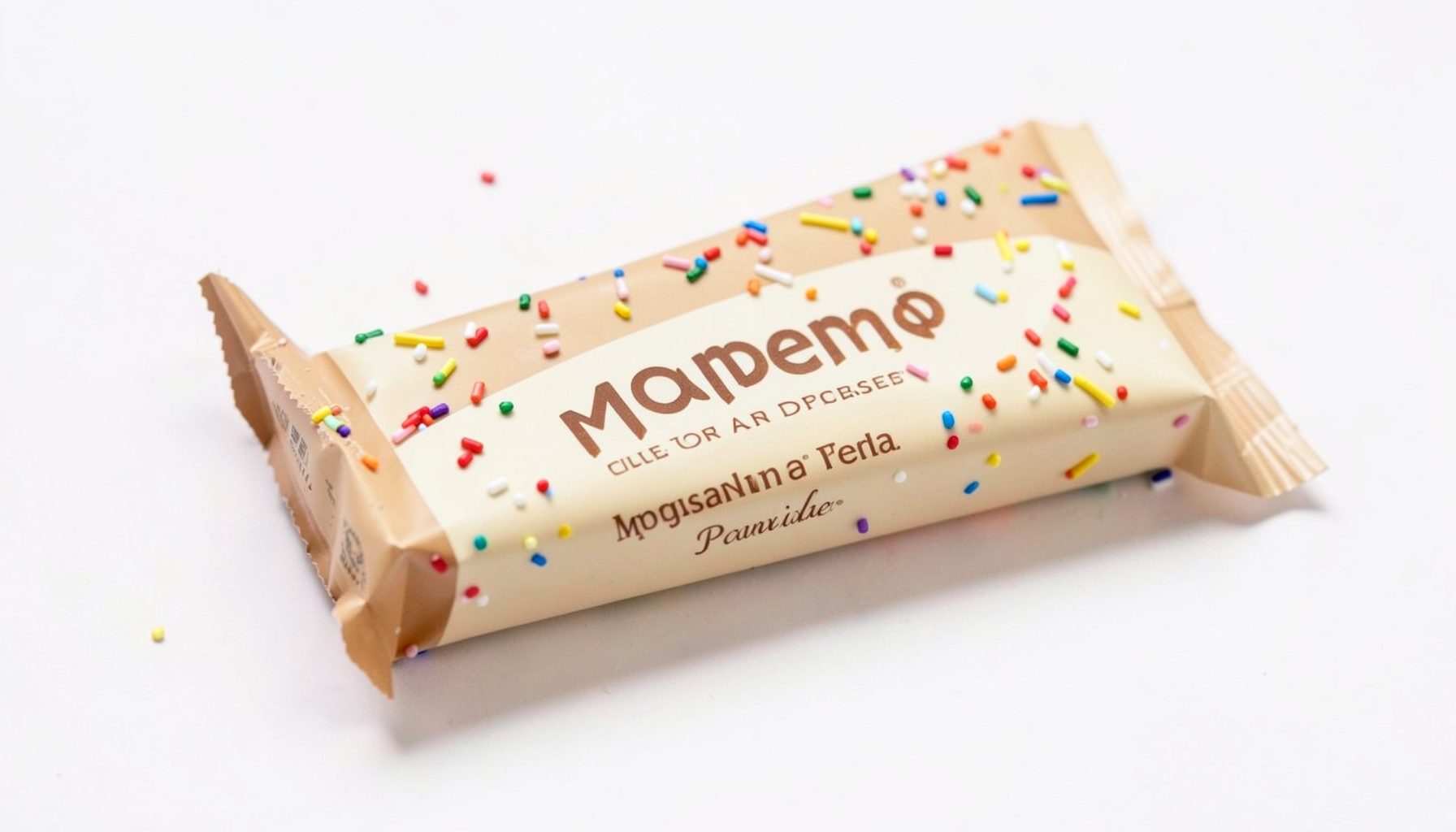
Birthday Cake
Celebratory flavor with a sweet, cake-inspired profile. Available in 1-pack and 10-pack.
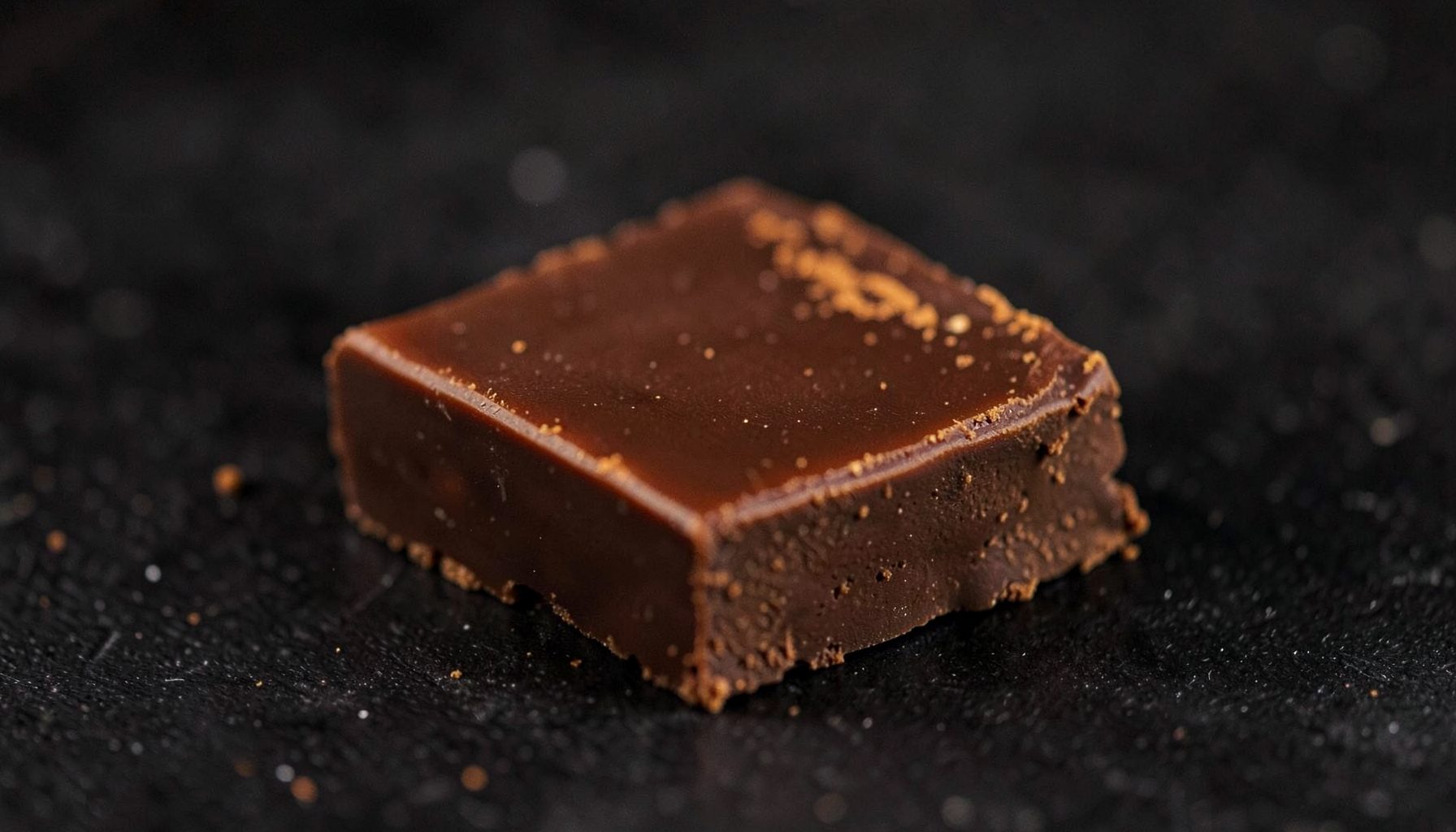
Cinnamon
Warm spiced chocolate with a smooth finish. Single bars and bulk packs available.
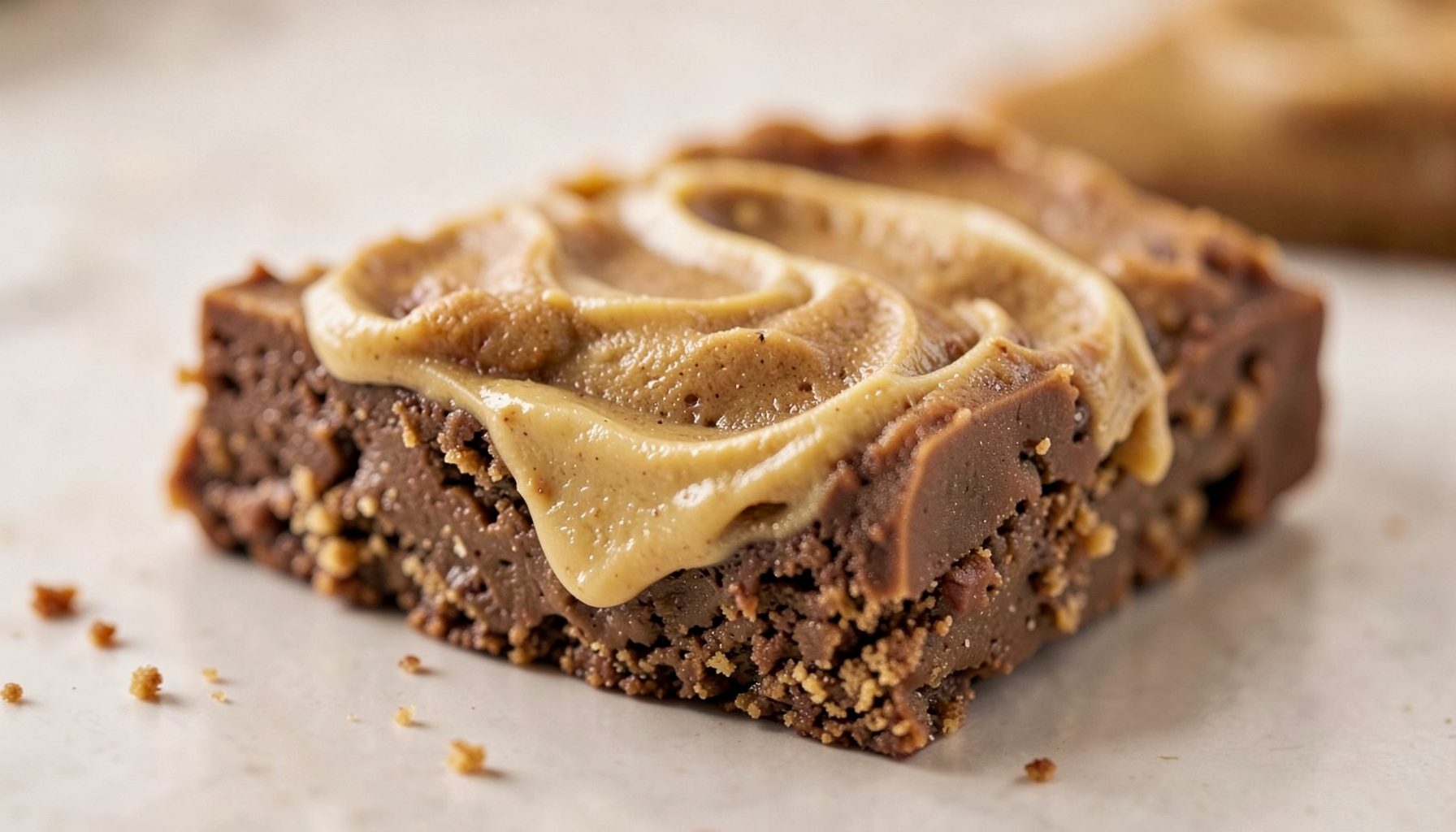
Cookie Butter
Rich, buttery cookie flavor in every bite. Offered in 1-pack and 10-pack options.
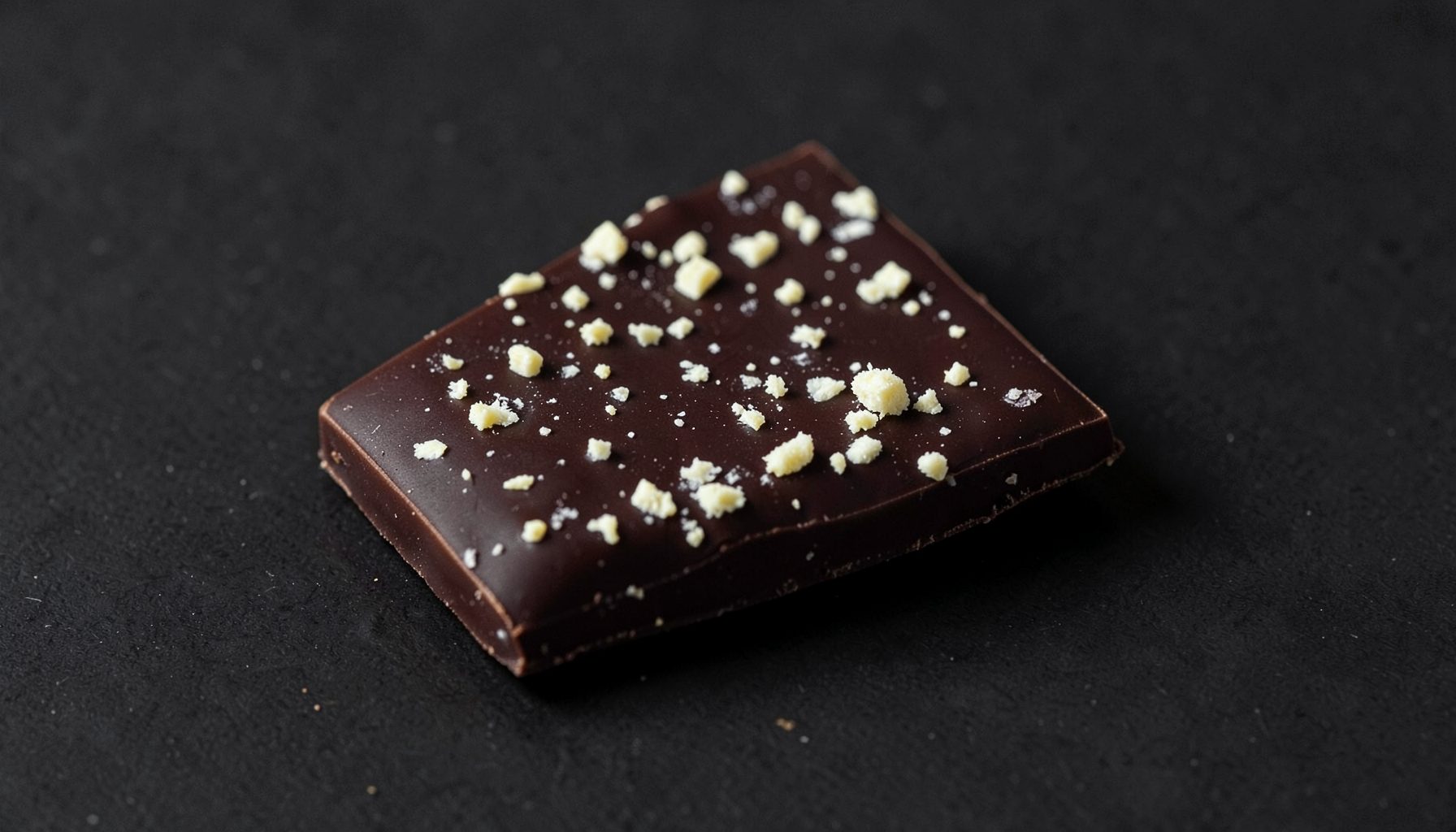
Cookies & Cream
Classic cookies-and-cream taste with a mushroom chocolate twist. 1-pack and 10-pack.
A Guide To Understanding The Labels On Our Products
A mushroom edible label is designed to help you understand what is in the pack, how much is in each piece and how the product should be stored. Reading it carefully gives you a clearer picture of the flavour, format, ingredients and intended serving information before you make a purchase.
Our collection includes chocolate bars, gummies and cones in a range of flavours and pack sizes. The front of a package usually gives you the product name and format, while the finer details appear on the back or side panel. Those details matter when comparing products with different serving sizes or mushroom ingredients.
For Australian customers, label reading also needs to sit alongside local rules. Products containing controlled substances may be illegal to possess, import or sell, and laws can differ between jurisdictions. Checking the current position with Australian regulators and your state or territory authorities is essential before relying on any product description.
Start With The Product Identity
The product name tells you the format you are holding, such as a chocolate bar, gummy or cone. It may also identify the flavour and the number of pieces in the package. A larger pack does not automatically mean a stronger product, so the serving panel is more useful than the front-of-pack imagery when comparing options.
Look for the net quantity and the number of individual units. If a packet contains 10 gummies and lists 500 milligrams of a named mushroom extract in total, that figure may refer to the whole pack rather than one gummy. The serving-size statement should clarify the difference. When it does not, treat the information as incomplete rather than guessing.
The label may also distinguish between a mushroom powder, fruiting-body material, mycelium or an extract. These terms describe different ingredients and processing methods. “Mushroom blend” is a broad description, not a guarantee that every product contains the same species, concentration or active compounds.
Our mushroom edibles guide provides additional background on how product formats and consumer expectations are developing. It should complement the package information, not replace the wording printed on the specific product you are considering.
Read The Serving And Dosing Panel
Serving information is one of the most important parts of the label. Check whether the stated amount applies to one gummy, one piece of chocolate, one cone or the entire pack. A product can appear lightly dosed when viewed by the pack total, yet contain a different amount per unit.
Pay attention to the language used for mushroom content. A label might state the weight of a mushroom ingredient, an extract ratio or the amount of a particular compound. Those measurements are not interchangeable. A higher weight of raw material does not necessarily represent a higher concentration of active constituents.
Avoid assuming that a product described as “microdose,” “functional” or “wellness” has a universally accepted meaning. Such terms can be used differently across brands and markets. They do not establish that a product is safe for driving, suitable during pregnancy or appropriate alongside prescription medicines.
Australian shoppers should be especially cautious with overseas websites and imported confectionery. Psilocybin is a prohibited substance in Australia except within tightly regulated medical and research pathways, and state or territory rules may add further restrictions. A label that looks lawful in California does not establish that the same item can legally enter Australia.
Check Ingredients, Allergens And Claims
The ingredients list should help you identify the base ingredients as well as the mushroom component. For chocolate, this may include cocoa, sugar, milk or plant-based alternatives. Gummies may contain sweeteners, pectin or gelatin, flavourings and colourings. Cones may include a filling or coating that changes the allergen profile.
Look for declarations relating to milk, soy, wheat, nuts and other allergens relevant to your diet. “Vegan,” “gluten-free” or similar claims should be considered alongside the complete ingredient panel and any cross-contact statement. A flavour name such as mango or cookies and cream describes the taste profile; it does not tell you whether the product is free from a specific allergen.
Marketing language about energy, focus, calm or euphoria should not be treated as medical advice. Individual experiences reported by customers can vary widely, and a testimonial cannot establish a therapeutic effect. If you take medication or have a medical condition, a pharmacist or doctor is the appropriate source of personalised guidance.
For Australians, also check whether the product has an Australian-compliant label and responsible local supply chain. Food labels and therapeutic claims are regulated through frameworks involving Food Standards Australia New Zealand and the Therapeutic Goods Administration, while controlled substances are subject to separate drug laws. A US-style disclaimer may not meet Australian requirements.
Find The Batch, Date And Storage Details
A batch or lot number connects the package to a particular production run. It is useful for traceability and should match any records supplied by the seller. You may also see a best-before or expiry date. These dates are different: a best-before date generally relates to quality, while an expiry date can indicate that the product should not be used after that point.
Storage instructions protect flavour, texture and ingredient quality. Chocolate can bloom or soften in warm conditions, while gummies may change texture if exposed to heat or humidity. A cool, dry place away from direct sunlight is commonly recommended, but the exact instruction on the package takes priority.
Sydney and Brisbane summers can create conditions very different from a cool pantry in Hobart or Melbourne. A parcel left in a hot letterbox or car may be affected before it reaches the kitchen. Keep products in their original child-resistant packaging where applicable, and store them securely away from children and pets.
Do not use a damaged, unsealed or unusually altered pack. Missing information, a smeared date, broken seal or mismatch between the outer packaging and inner product is a reason to stop and verify the item with the seller or manufacturer. Clear traceability is part of a quality-focused product experience.
Compare Labels Without Guessing
When comparing products, place the key information side by side: mushroom species, ingredient form, amount per serving, number of servings, allergens, batch details and storage instructions. This approach is more reliable than comparing package size, flavour names or promotional descriptions alone.
The brand’s product collection can help you review available formats, flavours and pack sizes, but the label on the actual item remains the final reference for ingredients and serving details. Product ranges can change, and packaging may differ between production runs or markets.
Be careful with labels that use vague phrases without supporting detail. “Premium blend,” “high potency” and “natural mushroom formula” do not explain what species are present or how much is in each serving. Reliable information should be specific enough for you to understand the contents without relying on assumptions.
A careful label check also includes the practical context of consumption. Never use an unfamiliar product before driving, cycling in traffic or operating equipment. Do not combine mushroom edibles with alcohol or other intoxicating substances, and keep them away from anyone who could mistake them for ordinary confectionery.
The clearest label gives you a complete picture: what the product is, what it contains, how much each serving represents, when it was made or should be used, and how it must be stored. Remember that product information and Australian legality are separate checks; both need to be satisfied before a mushroom edible can be considered responsibly.

Send Us a Message
Get in Touch
Have questions about our products or your order? Reach out and we'll get back to you.
- California, USA
- Contact Page