
California • Est. 2019
Premium mushroom chocolate bars, gummies, and cones crafted in California. Bold flavors, uncompromising quality, and a brand built from the ground up.
Explore the CollectionOur Collection
Shruumz Chocolates & Gummies
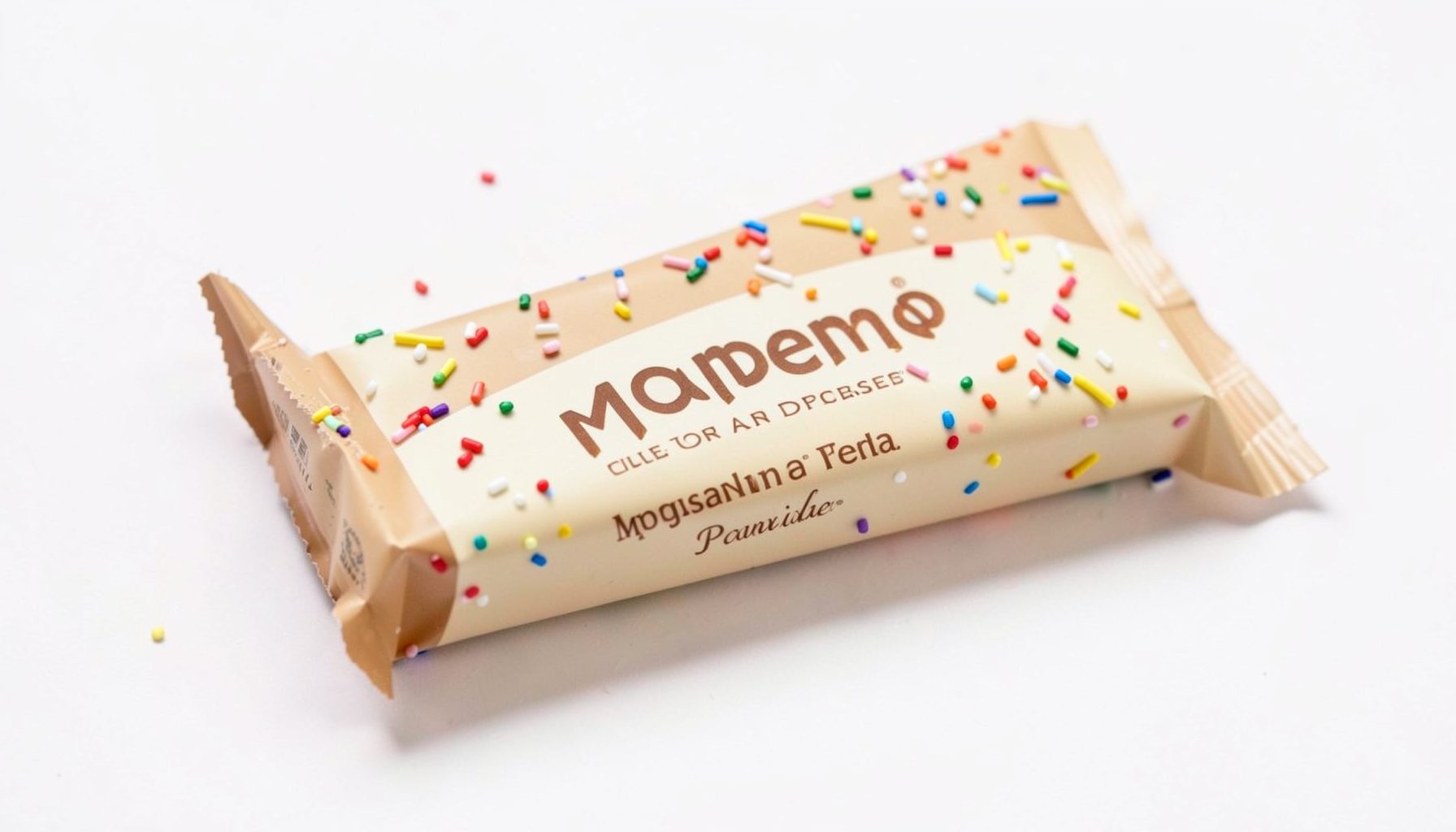
Birthday Cake
Celebratory flavor with a sweet, cake-inspired profile. Available in 1-pack and 10-pack.
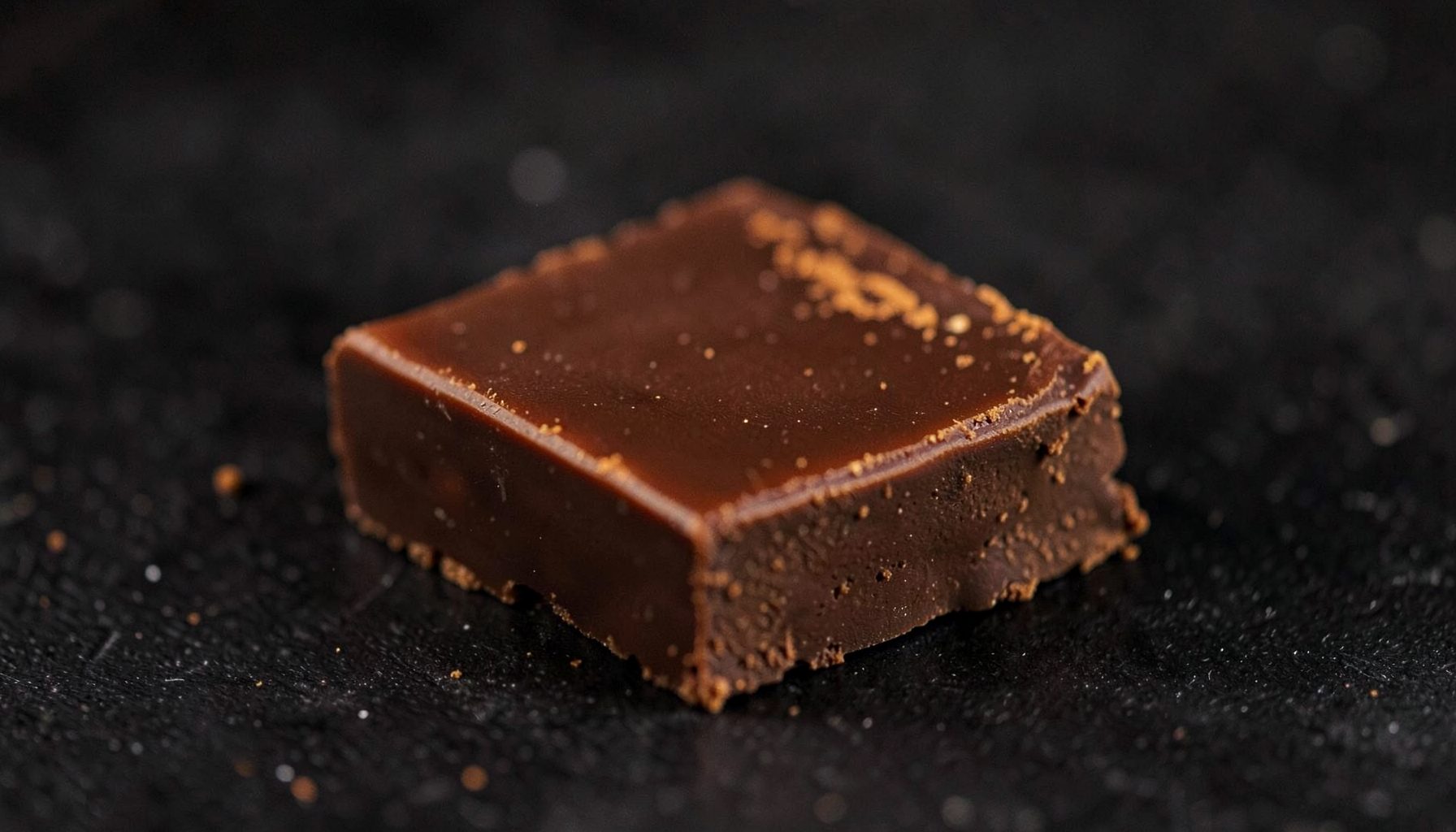
Cinnamon
Warm spiced chocolate with a smooth finish. Single bars and bulk packs available.
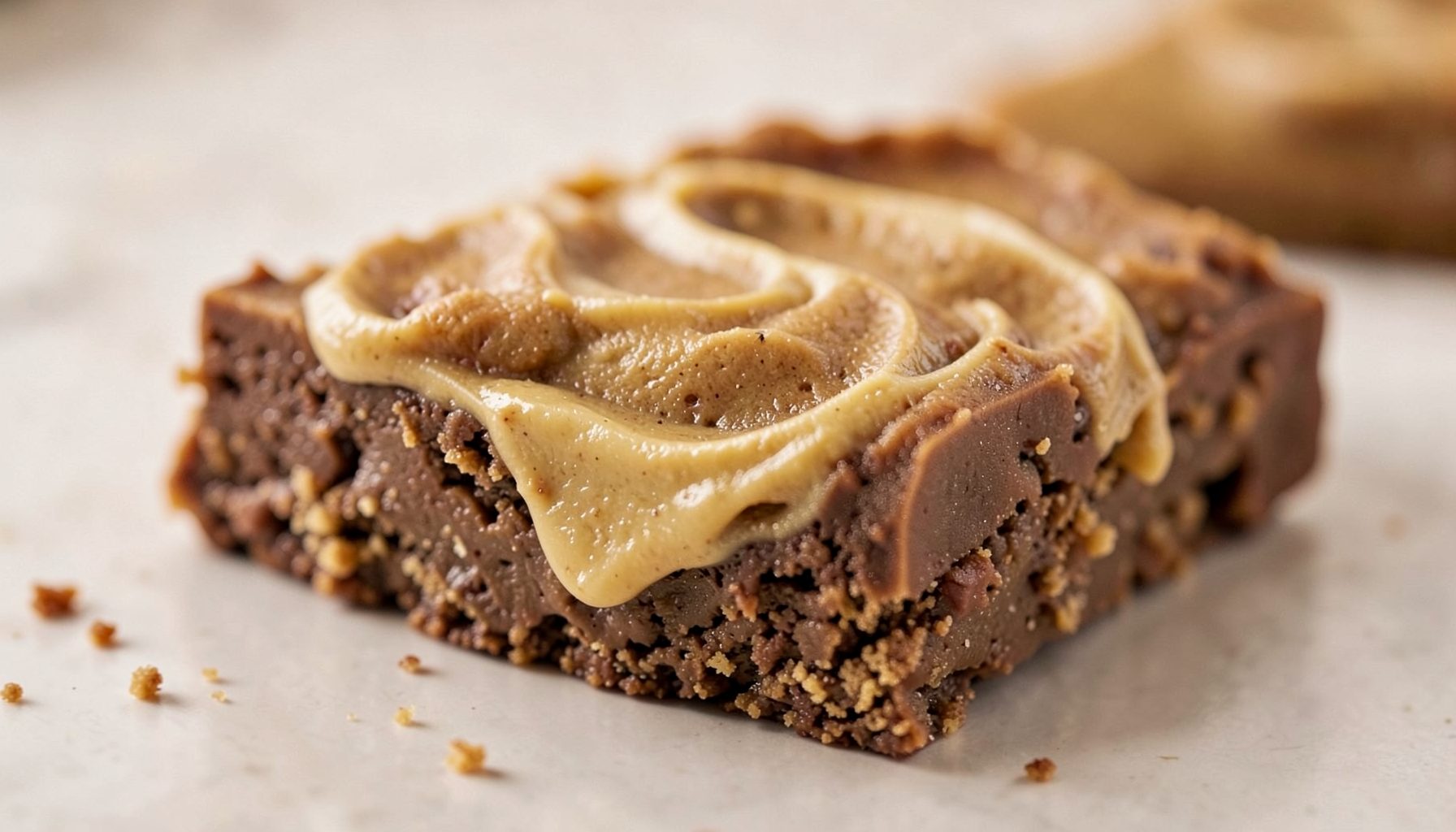
Cookie Butter
Rich, buttery cookie flavor in every bite. Offered in 1-pack and 10-pack options.
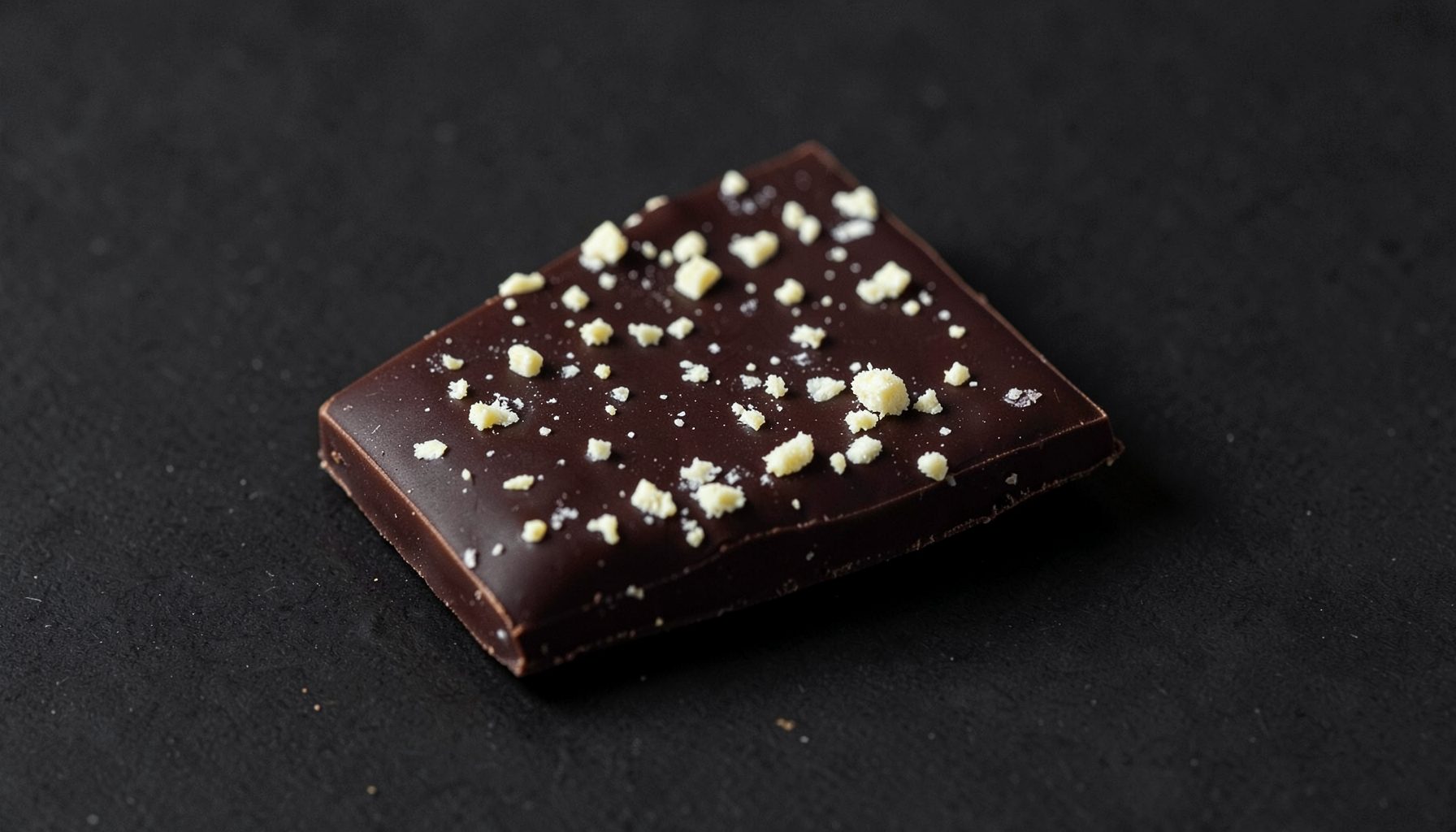
Cookies & Cream
Classic cookies-and-cream taste with a mushroom chocolate twist. 1-pack and 10-pack.
How Flavor Stability Is Checked In Every New Product
A chocolate bar, gummy or cone needs to taste recognisably the same from the first bite to the last. That sounds straightforward, yet mushroom-infused products contain several ingredients that can shift during storage. Chocolate may develop bloom, fruit notes can fade, and botanical flavours can become sharper or flatter over time.
For Diamond Shruumz, flavour development begins before a new product reaches the collection. We assess the balance between the chocolate or confectionery base, the mushroom ingredient, sweeteners, acids, colours and any natural flavourings. The aim is a finished product with a clear flavour profile that remains pleasant through its intended shelf life.
A look at the flavor stability tests we run on each new product also shows why storage conditions matter. Australian customers may buy products in warm cities such as Brisbane, Perth or Darwin, while others keep them in cooler Melbourne or Hobart homes. Testing must account for those everyday differences without making assumptions about how consumers use or store a product.
Establishing The Original Flavor Profile
Every test starts with a reference sample made from the approved formula. A trained internal panel records the expected aroma, sweetness, acidity, texture, colour and aftertaste. For chocolate, that may include cocoa depth, creaminess and melt. For gummies, the panel considers chew, fruit intensity and whether the mushroom note is covered or overly prominent.
These observations are written into a flavour profile rather than left to memory. Each new batch can then be compared with the reference using consistent language and scoring. A sample that tastes slightly less bright may still be acceptable, while a stale aroma, unusual bitterness or significant texture change prompts further investigation.
The profile also helps separate natural variation from a genuine quality issue. Ingredients such as fruit concentrates and botanical extracts can vary between harvests. Recording the target range gives the product team a practical standard while preserving the character customers expect from a particular flavour.
Testing The Ingredients Together
Individual ingredients can appear stable in isolation but behave differently once combined. Acidity may intensify a fruit flavour, fats can soften aromatic notes, and moisture can migrate between a gummy and its packaging. We therefore test the complete recipe, including the finished chocolate, gummy or cone, rather than relying only on supplier information.
Small pilot batches are assessed at set intervals after production. At each checkpoint, testers look for changes in aroma, flavour strength, sweetness, mouthfeel and appearance. We also check whether the mushroom component becomes more noticeable as other flavours fade. This is particularly important for products designed around bright profiles such as berry, citrus or tropical fruit.
Sensory work is supported by basic physical and analytical observations where appropriate. Moisture, texture, colour and packaging condition can help explain why a flavour has shifted. The purpose is not to make a product sound more scientific than it is; it is to connect what people experience when eating it with measurable changes in the product.
Simulating Australian Storage Conditions
Temperature is a major part of flavour stability. Chocolate exposed to repeated heat and cooling may develop a pale surface or lose its smooth snap. Gummies can become softer in humid conditions, while cones may lose crispness if moisture enters the pack. We use controlled storage studies to observe these risks over time, including warmer conditions that reflect transport or summer cupboards.
This matters in Australia, where a parcel may spend time in a hot delivery vehicle, a kitchen cupboard in Sydney or a humid pantry in Cairns. It does not mean consumers should store products in extreme conditions. Rather, it helps us understand how much protection the formula and packaging provide before recommending ordinary storage away from heat, light and moisture.
We also examine repeated temperature changes instead of testing only a constant environment. A product moved from a cool warehouse to a warm room and back again can behave differently from one kept at a steady temperature. These cycles reveal problems that may be missed in a single snapshot and help determine sensible handling guidance.
Checking Packaging And Shelf Life
Packaging is part of flavour protection. We assess whether the seal remains intact, whether the material limits exposure to oxygen and moisture, and whether light can affect colour or aroma. A good package should preserve the product without introducing an odour of its own.
Samples are retained from development and production runs, then reviewed at planned points through the proposed shelf life. The team checks the product against its reference profile and records any changes in texture, colour, aroma or taste. If a result falls outside the acceptable range, the response may involve adjusting the formula, changing the packaging or revising the storage instructions.
This quality work supports clearer customer information. Product details should explain ingredients, pack size, flavour and relevant handling requirements in a way that is easy to find. Customers comparing available options can view the current range through the product collection, while still checking the label and local requirements before making a purchase.
Reviewing Results Before Release
A flavour stability test is useful only when the results lead to a clear decision. We compare samples against the approved reference, review storage records and investigate any unexpected difference. A failed result is not automatically a reason to discard a product, but it is a reason to understand what happened before release.
The review also considers the product’s intended format. A chocolate bar may be judged heavily on snap and melt, whereas a gummy depends more on chew, moisture balance and fruit clarity. A cone needs attention to crispness and the interaction between its filling and shell. Each format receives checks suited to how customers experience it.
Customer feedback provides another source of information after launch. Reports about damaged packaging, changed texture or an unexpected flavour can help identify transport or storage patterns that controlled tests did not reproduce. Our returns and satisfaction guide explains how those concerns can be raised and reviewed.
Australian customers should also remember that product availability and legality can differ by state and territory. Mushroom-derived products may be treated differently depending on their ingredients, claims and intended use, while food, therapeutic-goods and import rules can apply separately. Flavour testing does not establish legal status, medical suitability or a safe serving for every person. Labels, current Australian regulations and professional advice remain the appropriate sources for those decisions.
A dependable flavour programme combines sensory comparison, ingredient review, packaging checks and storage studies. For shoppers, the practical takeaway is simple: keep products sealed in a cool, dry place away from direct sunlight, follow the label, and treat any unusual smell, appearance or texture as a reason to stop using the product and contact the supplier.

Send Us a Message
Get in Touch
Have questions about our products or your order? Reach out and we'll get back to you.
- California, USA
- Contact Page