
California • Est. 2019
Premium mushroom chocolate bars, gummies, and cones crafted in California. Bold flavors, uncompromising quality, and a brand built from the ground up.
Explore the CollectionOur Collection
Shruumz Chocolates & Gummies
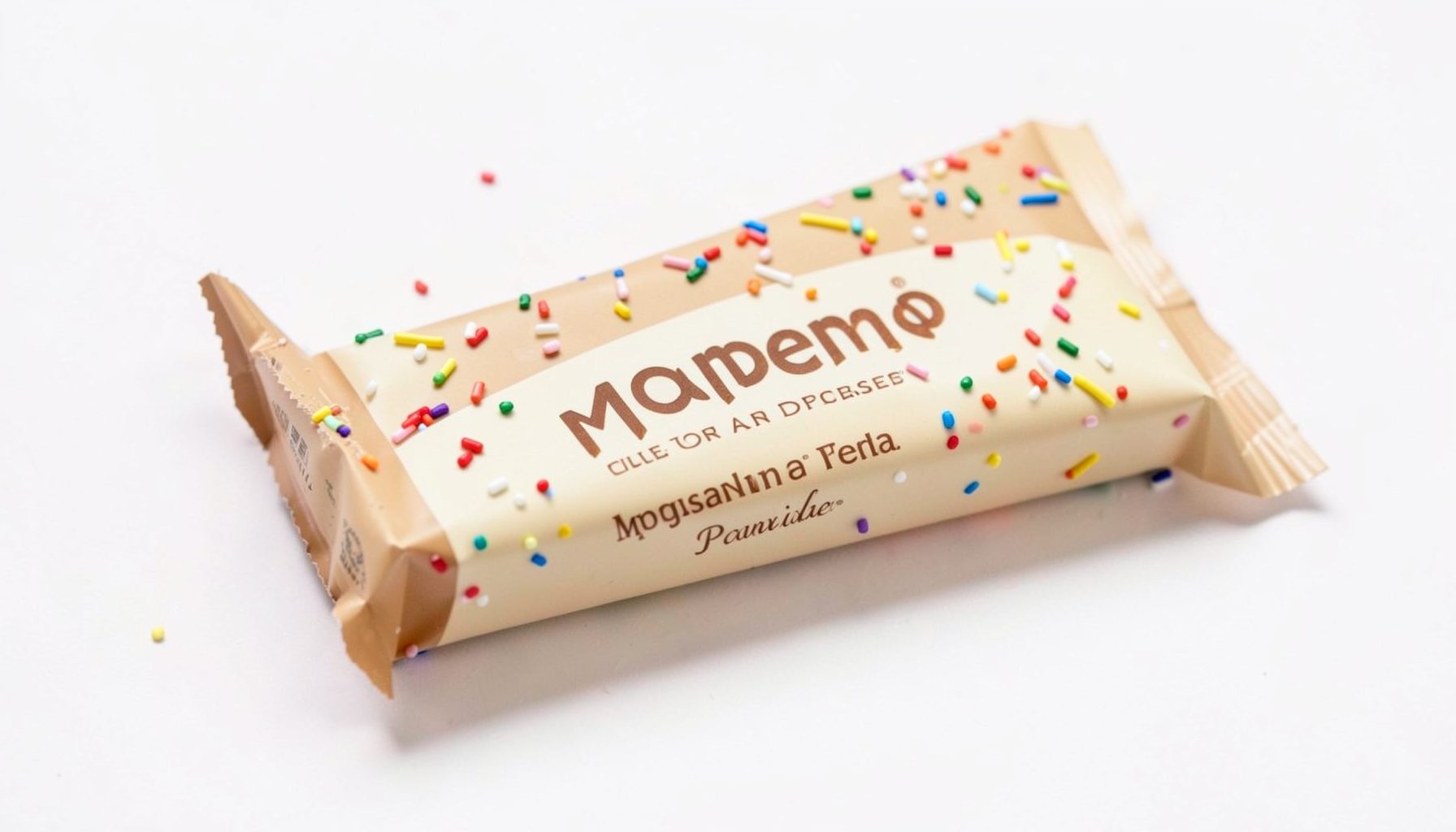
Birthday Cake
Celebratory flavor with a sweet, cake-inspired profile. Available in 1-pack and 10-pack.
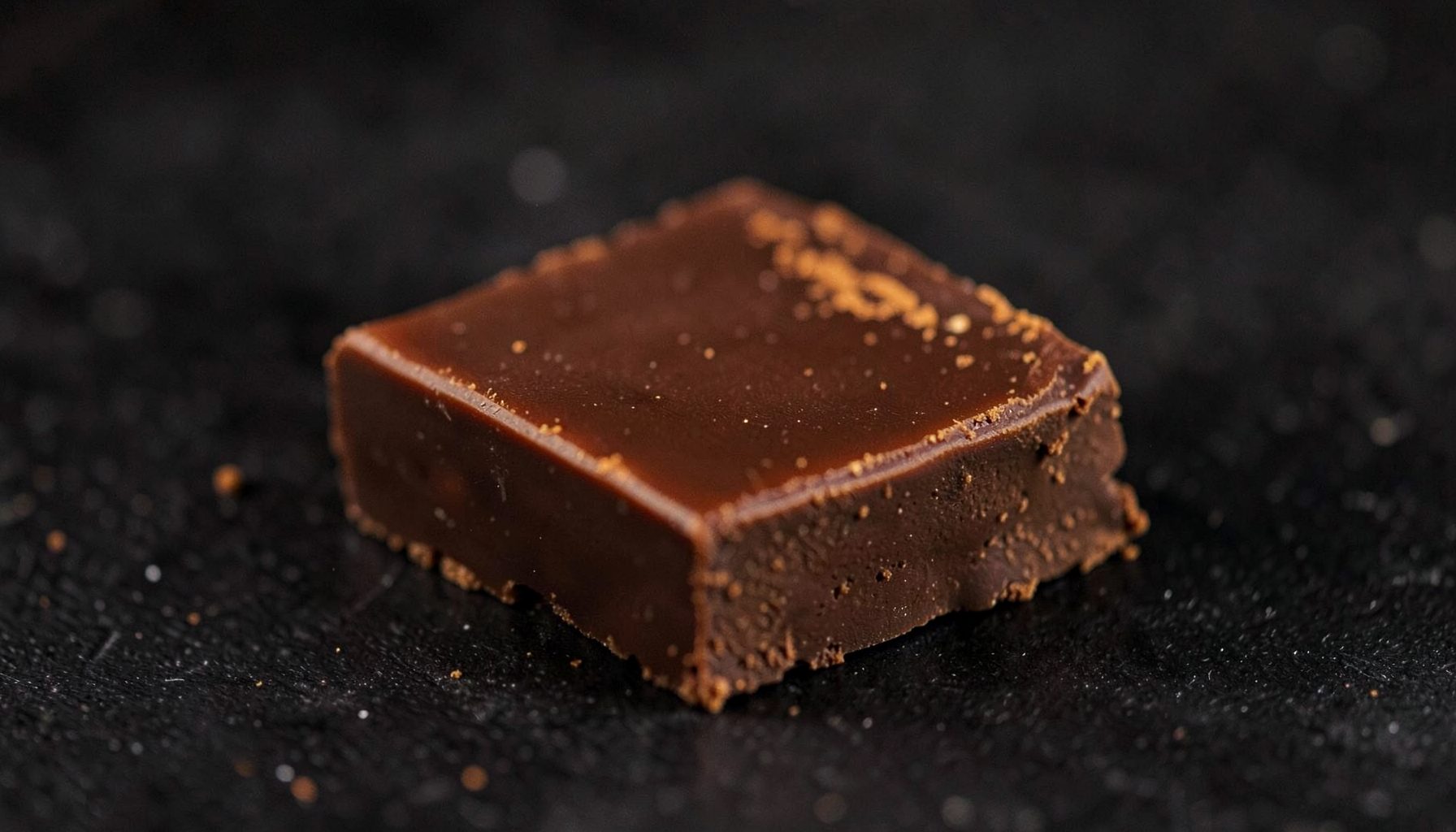
Cinnamon
Warm spiced chocolate with a smooth finish. Single bars and bulk packs available.
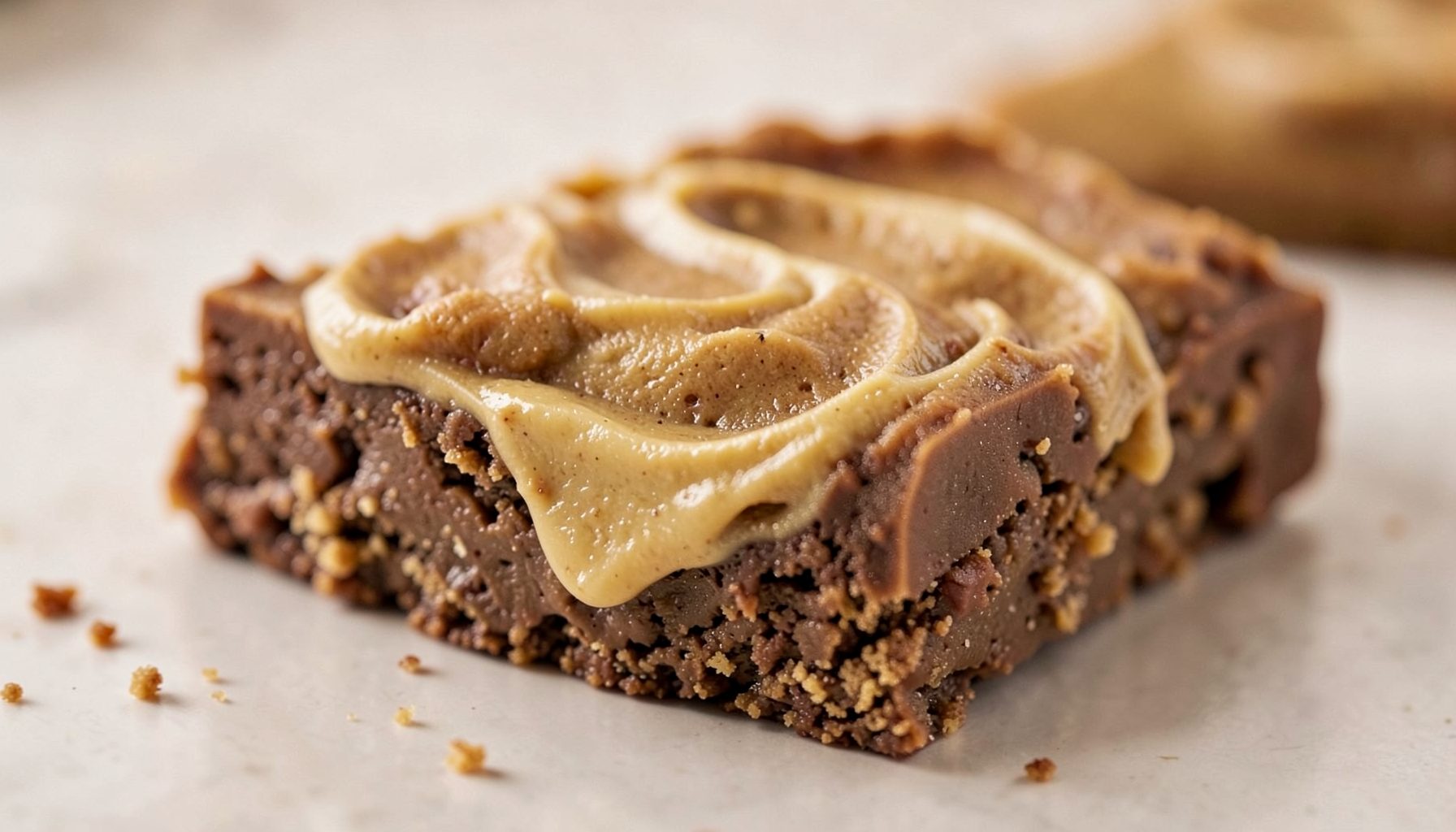
Cookie Butter
Rich, buttery cookie flavor in every bite. Offered in 1-pack and 10-pack options.
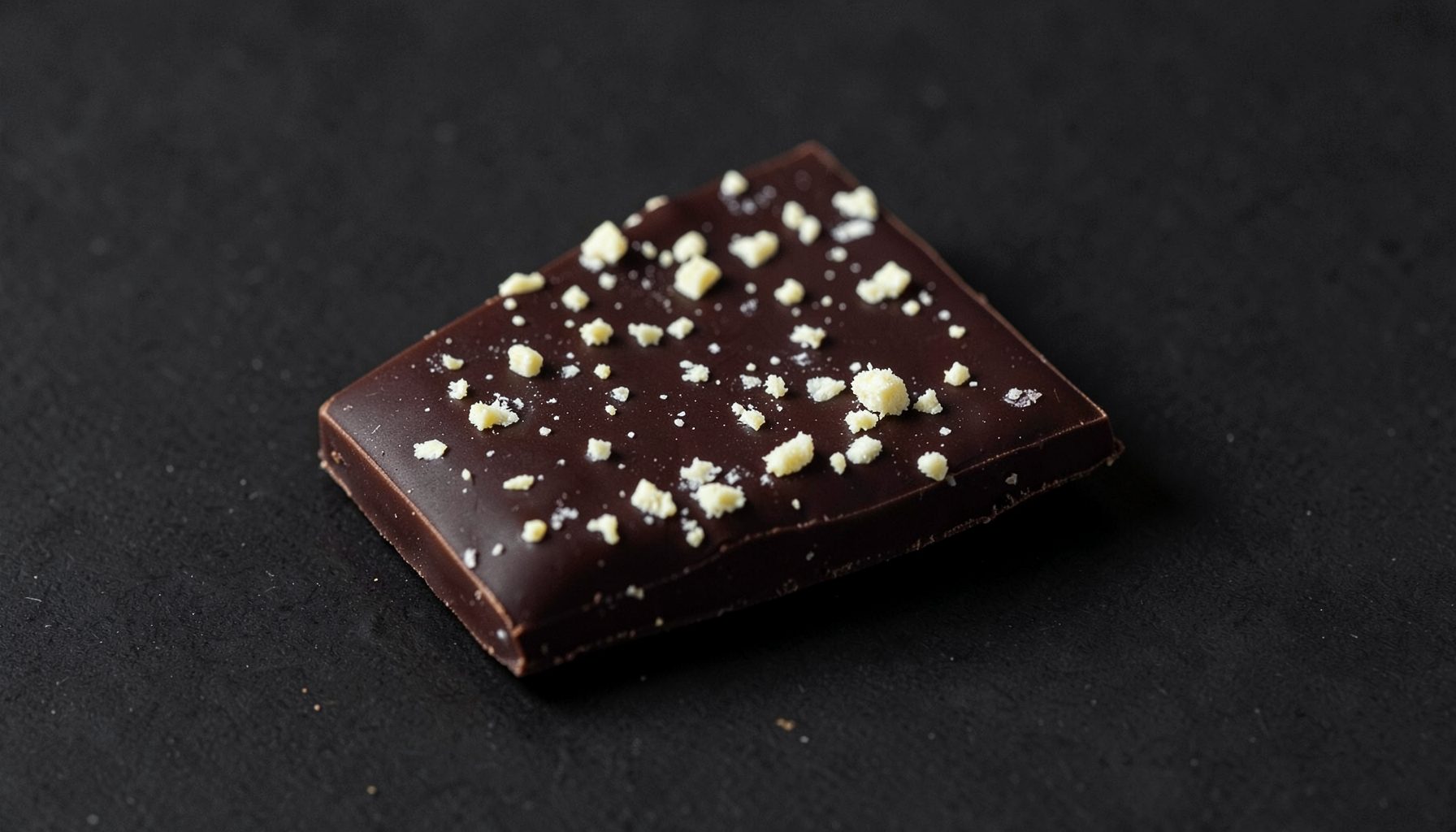
Cookies & Cream
Classic cookies-and-cream taste with a mushroom chocolate twist. 1-pack and 10-pack.
Inside A Diamond Shruumz Production Day
A production day for mushroom-infused consumer products is built around preparation, consistency, and documentation. Long before a chocolate bar, gummy, or cone reaches a shelf, teams must coordinate ingredients, equipment, sanitation, batch records, packaging, and quality checks.
For a brand such as Diamond Shruumz, the visible product collection represents only one part of the operation. The behind-the-scenes work involves translating flavor concepts and serving formats into repeatable batches while keeping ingredient information and dosing communication clear.
Specific facility procedures, formulas, and schedules are not fully public, and manufacturing practices can change. Any responsible account of the process should therefore focus on the principles that define a careful production environment rather than presenting unverified details as fact.
Starting With Ingredient Controls
The day typically begins with receiving and reviewing raw materials. Ingredients may include chocolate components, flavorings, sweeteners, fruit-based ingredients, gelling agents, botanical materials, and mushroom-derived preparations. Each delivery needs an identity check, lot information, storage instructions, and documentation from the supplier.
Temperature and humidity matter from the start. Chocolate can develop texture or appearance problems when exposed to heat or moisture, while gummy ingredients may respond differently to changes in storage conditions. Segregated storage, clear labeling, and a first-expiring, first-out system help prevent mix-ups.
Ingredient transparency also depends on records. A production team should be able to connect a finished batch with the materials used in it, the date of manufacture, the people involved, and the test information available for relevant inputs. That chain of records supports quality investigations if a question arises later.
From Formula To Batch
Once materials are cleared, the team prepares the production area. Sanitation checks, equipment inspection, personal protective equipment, and line clearance help ensure that remnants from a previous flavor or batch do not enter the next one. The goal is a clean, controlled starting point.
Scaling is especially important for products that contain a specified amount of an active or functional ingredient. Operators weigh materials with calibrated equipment, follow an approved formula, and document each addition. Mixing time, temperature, and order of operations can affect how evenly ingredients are distributed.
For chocolate, tempering and depositing influence shine, snap, and mouthfeel. For gummies, heating, blending, depositing, and setting determine firmness and consistency. Cones require attention to the edible shell, filling, and seal. Different formats create different manufacturing demands even when they share a flavor profile.
Where Texture And Flavor Take Shape
Flavor development is often a balance between sensory appeal and production stability. A bright fruit note may need to remain recognizable after heating or mixing, while chocolate, caramel, or spice profiles must hold their character through storage. Small adjustments to acidity, sweetness, or texture can change the entire experience.
The chocolate bar collection illustrates why product design extends beyond adding an ingredient to a base. A bar must break cleanly, maintain a consistent appearance, protect its contents, and remain appealing after packaging. Flavor variety adds another layer of planning because each recipe requires its own controlled setup and records.
Sensory checks can occur during and after production. Trained staff may inspect color, aroma, surface finish, chew, firmness, or flavor balance against an approved reference. These checks do not replace laboratory analysis, but they can identify visible or sensory deviations before products move forward.
Checks Before Packaging
Packaging is treated as a controlled stage rather than an afterthought. Labels need to match the product inside, including flavor, serving information, ingredient details, lot identification, storage guidance, and any legally required warnings. A packaging line clearance helps prevent the wrong label from being applied to the right product.
Finished units may be weighed, counted, visually inspected, and sampled according to the company’s quality program. Laboratory testing, when performed, can address identity, potency, contaminants, and other specifications. Consumers benefit when test information and product claims are presented in a way that is current, specific, and easy to interpret.
| Production checkpoint | What the team verifies | Why it matters |
|---|---|---|
| Ingredient receiving | Identity, lot, condition, and documentation | Prevents unsuitable or misidentified materials from entering production |
| Batch preparation | Weights, formula version, equipment settings, and timing | Supports consistency from one run to the next |
| In-process inspection | Texture, appearance, mixing, and fill accuracy | Helps catch deviations before packaging |
| Finished-product review | Label match, unit count, seal, and lot code | Connects the package to its production record |
| Release decision | Required records and available test results | Creates a documented basis for distribution |
A batch is not ready simply because it looks attractive. Release decisions should be based on defined specifications and completed records. If something falls outside those specifications, the batch may be held for investigation rather than rushed toward distribution.
People, Records, And Responsible Communication
A smooth production day relies on coordination between production operators, quality personnel, warehouse staff, maintenance workers, and packaging teams. Each role has a defined responsibility, and handoffs need to be documented. A quality specialist may approve a setup, while an operator records the actual conditions observed during the run.
Training is part of product quality. Employees need to understand sanitation procedures, allergen controls, equipment operation, emergency processes, and the importance of accurate entries. A culture that encourages reporting small discrepancies can prevent larger problems later.
Brand history and values also shape how a company presents its work. Diamond Shruumz’s brand background describes the identity behind its collection, but public-facing storytelling should remain aligned with verifiable manufacturing and testing information. Wellness or recreational experiences reported by customers are personal observations, not substitutes for safety guidance or medical evidence.
Clear communication is particularly important for mushroom-based products. Ingredient names, serving information, expected effects, restrictions, and age or legal requirements should be easy to find. Marketing language should avoid promising treatment or implying that an edible product is appropriate for everyone.
Choosing A Format With Care
The production format influences both the factory workflow and the consumer experience. A gummy may be portioned through a depositing process and finished with a coating, while a cone may require precise filling and closure. A chocolate bar depends on molding, cooling, and protection against heat during storage and transport.
The differences between cones and gummies are therefore practical as well as sensory. Shape, texture, portability, onset expectations, and serving habits can vary by format. Consumers should read the specific label for the product they have, rather than assuming that two formats with similar names contain identical amounts or ingredients.
Storage is another consideration after the production line ends. Heat, light, moisture, and extended exposure to air can affect quality. Keeping products in their original packaging and following the stated storage directions helps preserve their intended condition.
Practical Checks Before Purchase
Anyone evaluating a mushroom-infused product can make the production story more useful by examining the information available on the package and brand website. A polished appearance does not establish product quality by itself; traceability and clear communication provide stronger signals.
The following checks can help keep purchasing and use more deliberate:
- Review the ingredient list, serving information, lot code, and expiration or best-by details.
- Look for current testing or quality documentation that clearly identifies the product and batch.
- Confirm storage instructions and keep the package away from children, pets, heat, and direct light.
- Check local laws and avoid products with unclear labeling, damaged seals, or missing safety information.
- Do not combine unfamiliar psychoactive or intoxicating products with alcohol, medications, driving, or hazardous activities.
A production day ends with more than sealed packages. It ends with records that can support accountability, a release decision grounded in specifications, and communication that helps consumers make informed choices. That discipline is what turns a flavor concept into a product ready for careful evaluation.
Explore Diamond Shruumz’s product information and format guides, review current labeling and safety details, and make decisions based on verified batch information rather than appearance or promotional claims alone.

Send Us a Message
Get in Touch
Have questions about our products or your order? Reach out and we'll get back to you.
- California, USA
- Contact Page