
California • Est. 2019
Premium mushroom chocolate bars, gummies, and cones crafted in California. Bold flavors, uncompromising quality, and a brand built from the ground up.
Explore the CollectionOur Collection
Shruumz Chocolates & Gummies
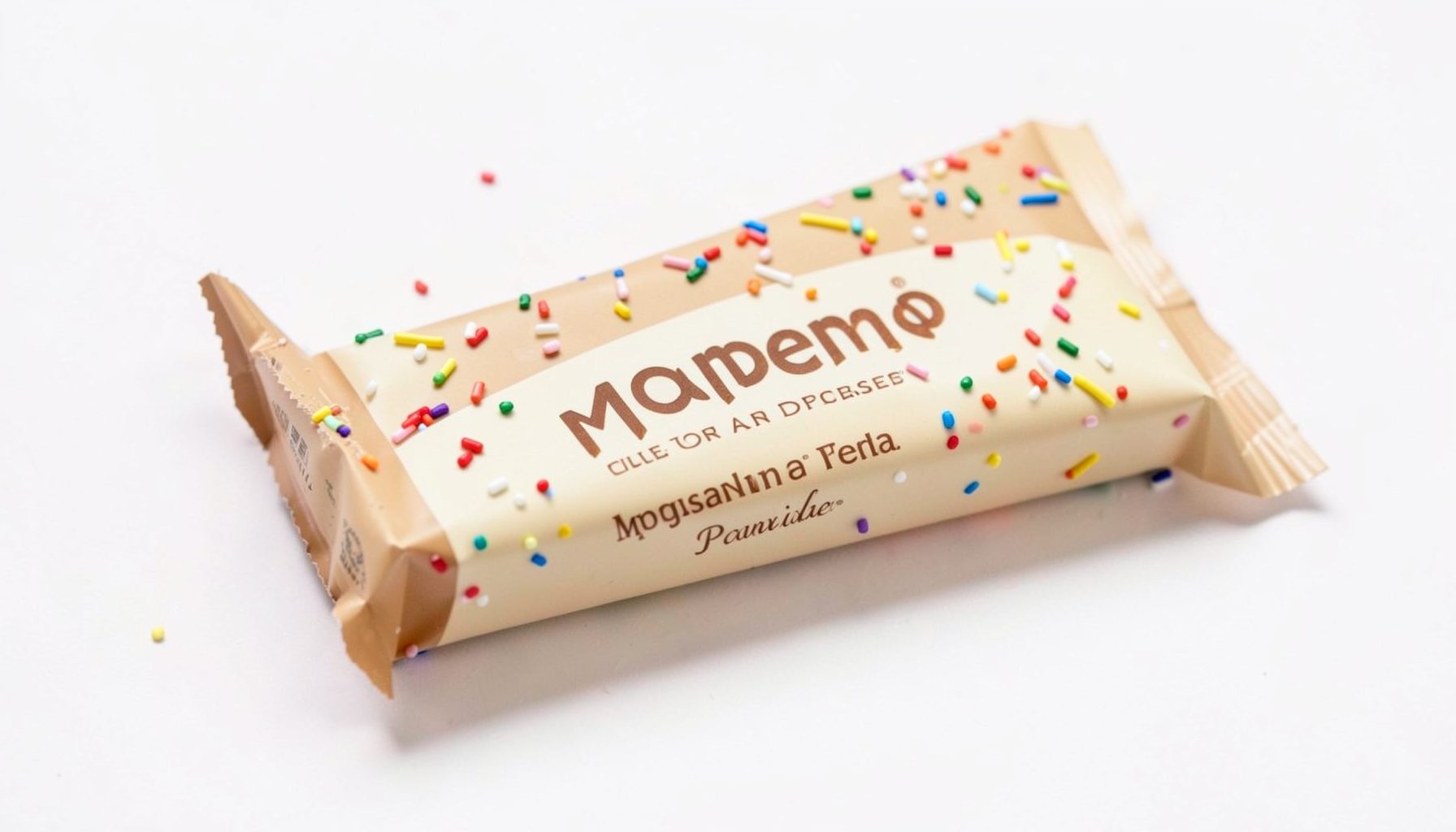
Birthday Cake
Celebratory flavor with a sweet, cake-inspired profile. Available in 1-pack and 10-pack.
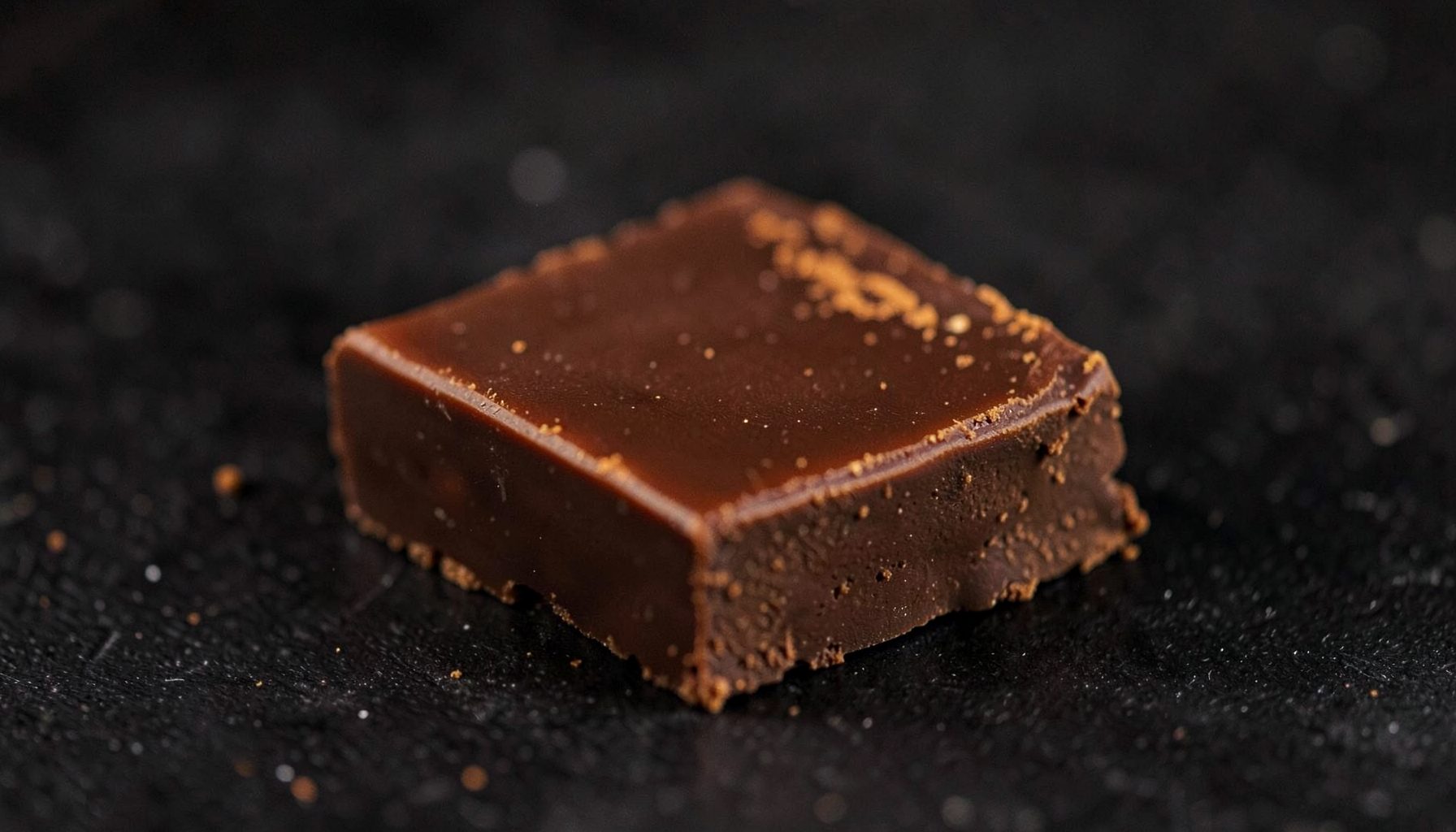
Cinnamon
Warm spiced chocolate with a smooth finish. Single bars and bulk packs available.
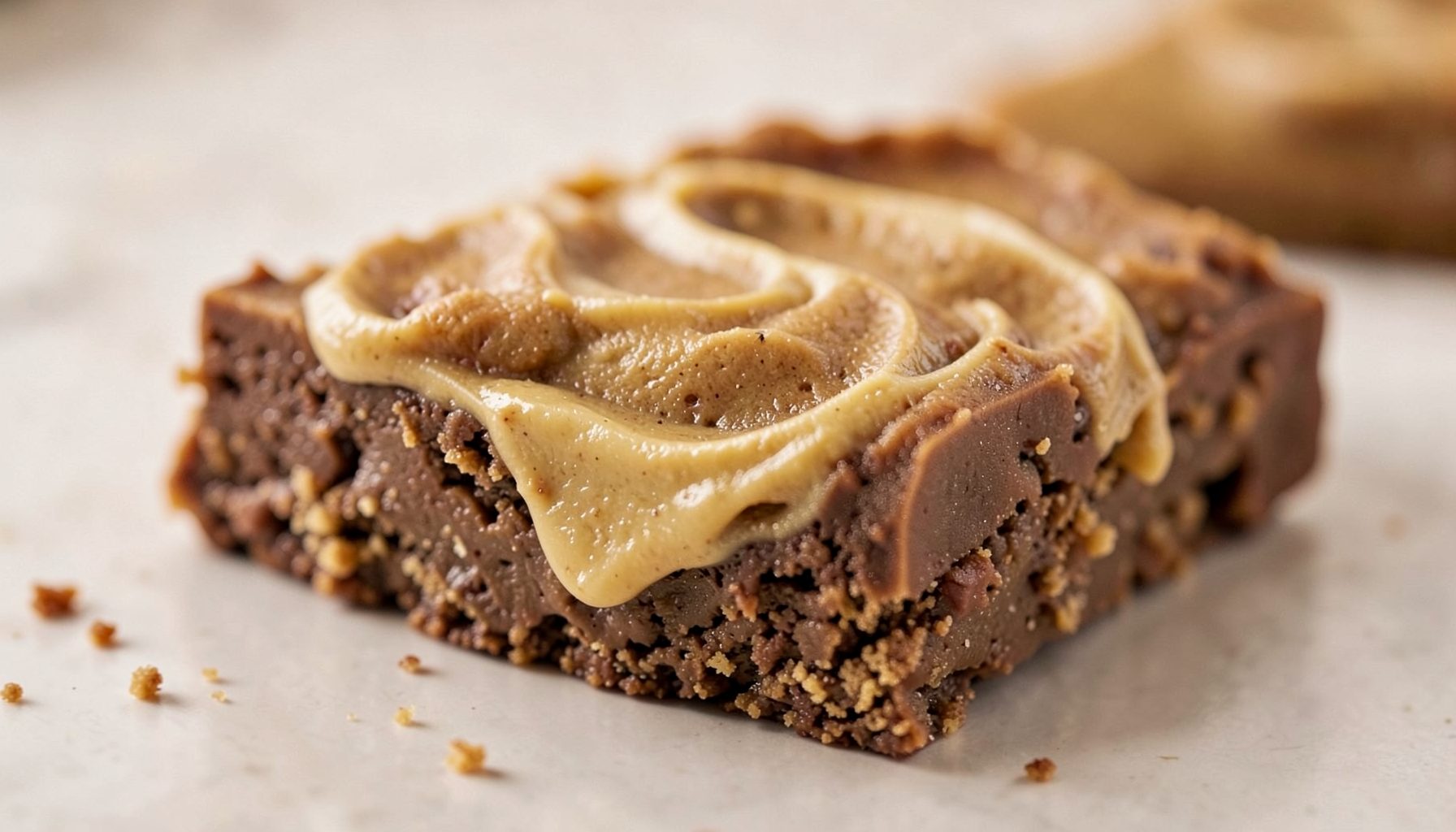
Cookie Butter
Rich, buttery cookie flavor in every bite. Offered in 1-pack and 10-pack options.
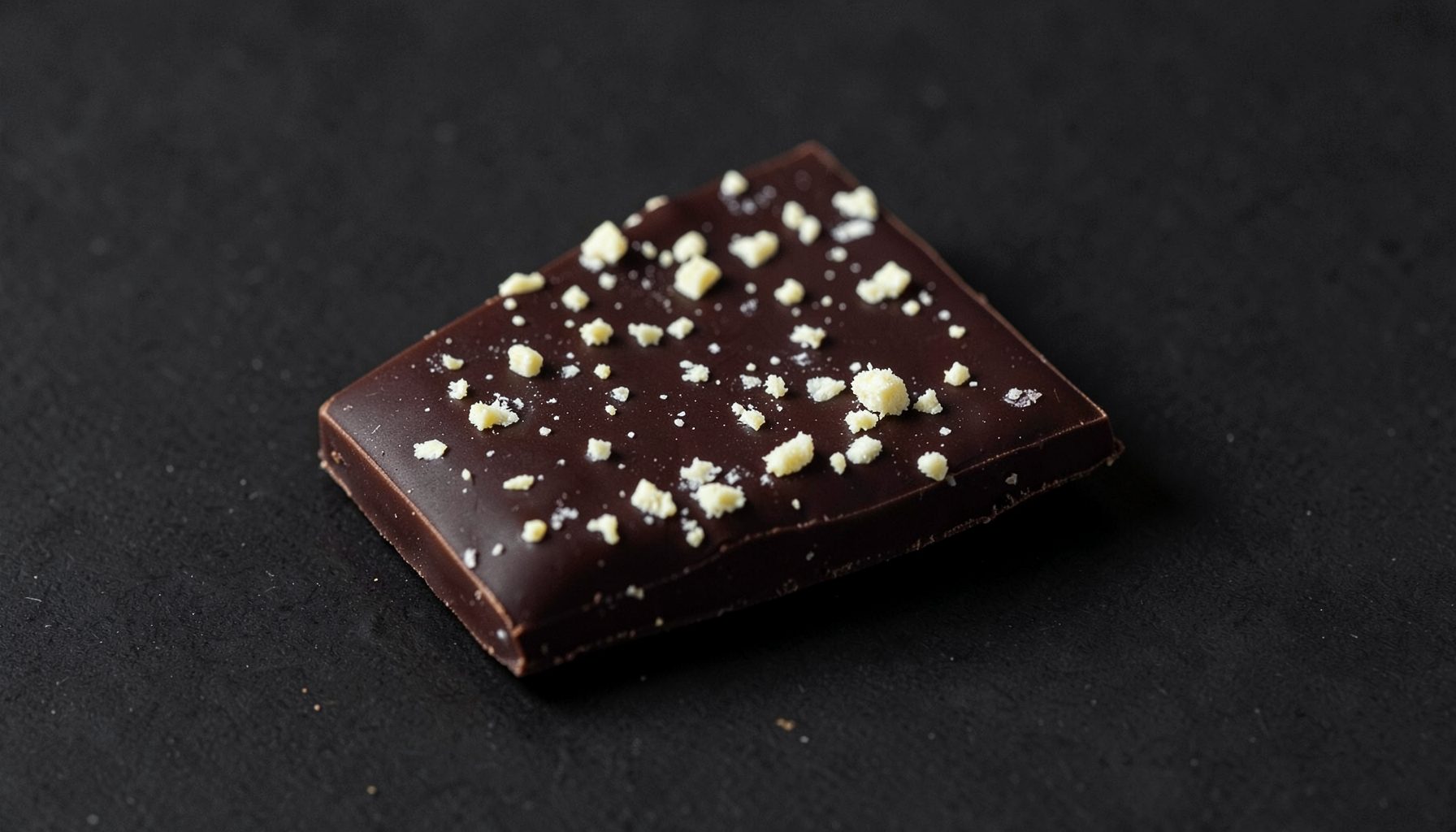
Cookies & Cream
Classic cookies-and-cream taste with a mushroom chocolate twist. 1-pack and 10-pack.
Exploring the Origins of Chocolate and Mushroom Pairings
Chocolate and mushrooms come from two long-standing food traditions, yet their pairing is comparatively new. Cacao developed through Indigenous cultures of Mesoamerica, while mushrooms have appeared in culinary, medicinal, and ceremonial practices across many regions. Bringing them together reflects modern interest in layered flavors, functional ingredients, and alternative sensory experiences.
The appeal is easy to understand. Chocolate offers roasted depth, sweetness, and a smooth texture, while mushrooms can contribute earthy, nutty, bitter, or umami notes. In a carefully balanced recipe, cacao can soften those sharper flavors and create a more approachable format.
Today, mushroom chocolate products range from everyday functional snacks to regulated or restricted products containing psychoactive compounds. Understanding their origins means looking at cultural history, flavor chemistry, ingredient sourcing, and the different expectations attached to each type.
Cacao And Mushroom Traditions
The earliest known cacao beverages were developed in Mesoamerica, where cultures such as the Maya and Aztec prepared cacao in drinks that could include spices, herbs, flowers, and chili. These beverages were often bitter rather than sweet, and cacao held economic, social, and ceremonial importance.
Mushrooms have their own diverse history. Edible species have been collected and preserved for centuries in Europe, Asia, and the Americas, while certain fungi were used in traditional healing systems. In some cultures, psychoactive mushrooms were associated with spiritual ceremonies, although these practices should not be simplified into a single global tradition.
There is limited evidence that ancient peoples routinely combined mushrooms with chocolate as a standardized preparation. The modern pairing grew from later developments in confectionery, wellness products, and interest in botanical ingredients. Its roots are therefore best understood as two separate histories meeting in a contemporary food format.
Why The Flavor Combination Works
Cacao contains roasted, toasted, caramel-like, and slightly bitter flavors. Those qualities can complement mushrooms with earthy or woody profiles, especially varieties used in powdered extracts. Sweeteners, vanilla, salt, cinnamon, and fruit inclusions help bridge the gap between a mushroom’s savory character and chocolate’s dessert identity.
Texture also matters. Chocolate provides a fatty, melting base that can distribute powdered ingredients more evenly than a dry beverage or capsule. A smooth bar or soft gummy can make the experience feel familiar, although the underlying ingredients still determine the product’s effects and suitability.
Flavor balance depends on dose, particle size, cocoa percentage, and the mushroom species involved. Culinary mushrooms may be selected for taste, while functional varieties are often included in concentrated extracts. A transparent label should identify the mushroom ingredients, serving size, and any active compounds rather than relying on vague language.
From Ceremonial Contexts To Modern Confections
The transition from traditional mushroom use to commercial confectionery involves significant cultural and legal differences. A ceremonial preparation may carry community-specific meaning, while a packaged chocolate product is designed for consistency, convenience, and repeatable serving sizes. Treating these categories as interchangeable can create confusion.
Modern mushroom chocolates may contain non-psychoactive functional mushrooms such as lion’s mane, reishi, or cordyceps, or they may be marketed with other mushroom-derived compounds. Some products use terms such as “magic mushroom” without clearly explaining whether they contain psilocybin, legal mushroom analogues, or a proprietary blend. Consumers should examine the ingredient panel and local regulations carefully.
The format also influences expectations. A chocolate bar suggests a familiar snack, while a cone or gummy may be chosen for portability and controlled portions. Information about onset, duration, and possible interactions should come from reliable product documentation rather than assumptions based on the food’s appearance.
Comparing Pairing Traditions And Formats
The history of chocolate and mushrooms is easier to understand when culinary, functional, and psychoactive uses are separated. Each category has a different purpose, ingredient profile, and standard for responsible use.
| Pairing or format | Main ingredients | Typical purpose | Key consideration |
|---|---|---|---|
| Cacao with culinary mushrooms | Chocolate, cocoa, mushroom pieces or powder | Flavor experimentation and confectionery | Earthy notes must be balanced with sweetness |
| Functional mushroom chocolate | Chocolate, extracts such as lion’s mane or reishi | Wellness-oriented snacking | Check extract amounts and serving information |
| Psychoactive mushroom chocolate | Chocolate with a regulated or restricted active compound | Altered sensory or recreational experience | Laws, potency, age limits, and testing vary widely |
| Mushroom gummies | Gelatin or pectin, flavoring, mushroom extract | Portable portioned format | Verify the active ingredients and dose per piece |
| Mushroom cones | Filled or coated confectionery ingredients | Alternative serving and texture experience | Packaging and consumption guidance should be clear |
A well-designed product should make its category obvious. It should distinguish culinary mushrooms from concentrated extracts and identify whether any psychoactive substance is present. This distinction supports informed decisions and reduces the chance that a consumer mistakes a novelty snack for an ordinary chocolate treat.
Crafting A Contemporary Mushroom Chocolate
Product makers typically begin by selecting a chocolate base that can carry the desired flavor. Dark chocolate emphasizes roasted bitterness and can suit robust mushroom notes, while milk or white chocolate creates a softer canvas for fruit, caramel, and vanilla. Gummies use acidity and fruit flavor to mask earthy tones, but they require careful attention to stability and serving consistency.
Manufacturing methods affect the final experience. Even distribution is especially important when an active ingredient is present, because uneven mixing can create inconsistent servings. Responsible brands should also consider contaminant screening, ingredient traceability, packaging protection, and clear batch information.
Alternative formats can offer different practical benefits. Readers interested in how a cone format differs from inhaled products can review this cone format guide, which helps separate confectionery design from vapor products. The distinction matters because a food-based product follows a different route through the body and should not be evaluated using vaping assumptions.
Reading Labels And Evaluating Quality
Ingredient transparency is central to the modern mushroom chocolate category. A useful label should list the type of mushroom, extract or whole-powder status, amount per serving, allergens, added sweeteners, and any other active botanical. Claims about energy, mood, focus, or relaxation should be treated as product positioning unless supported by appropriate evidence.
Sourcing also affects quality. Cacao origin, harvesting practices, extraction methods, and storage conditions can influence taste and consistency. Third-party testing may provide additional information about identity, potency, heavy metals, pesticides, microbes, and undeclared compounds.
Consumers should also consider personal circumstances. People who are pregnant, taking prescription medicines, managing a health condition, or sensitive to stimulants should seek professional advice before using concentrated botanical products. Psychoactive products require additional caution, including avoiding driving, mixing substances, or sharing products with minors.
Practical Ways To Choose A Product
The best choice depends on whether the priority is flavor exploration, a functional ingredient, or a specific regulated experience. Packaging should make that purpose clear instead of using broad wellness language that obscures the formula.
Before purchasing, consider these points:
- Read the complete ingredient panel and serving guidance.
- Confirm whether the product contains culinary, functional, or psychoactive mushroom ingredients.
- Look for batch testing, sourcing details, and a clear manufacturer identity.
- Start with the labeled serving rather than assuming every format has equal potency.
- Store chocolate, gummies, and extracts as directed, away from children and pets.
Regular users may also care about freshness, predictable availability, and responsible purchasing habits. A subscription option can support consistent ordering, but recurring delivery should never replace checking current ingredients, laws, or product information.
Chocolate and mushrooms meet at an interesting point between ancient food traditions and modern product design. Cacao contributes richness and familiarity, while mushrooms introduce earthy complexity and, depending on the formula, functional or psychoactive properties. Explore the collection with attention to flavor, labeling, serving information, and sourcing so the pairing can be appreciated with both curiosity and care.

Send Us a Message
Get in Touch
Have questions about our products or your order? Reach out and we'll get back to you.
- California, USA
- Contact Page