
California • Est. 2019
Premium mushroom chocolate bars, gummies, and cones crafted in California. Bold flavors, uncompromising quality, and a brand built from the ground up.
Explore the CollectionOur Collection
Shruumz Chocolates & Gummies
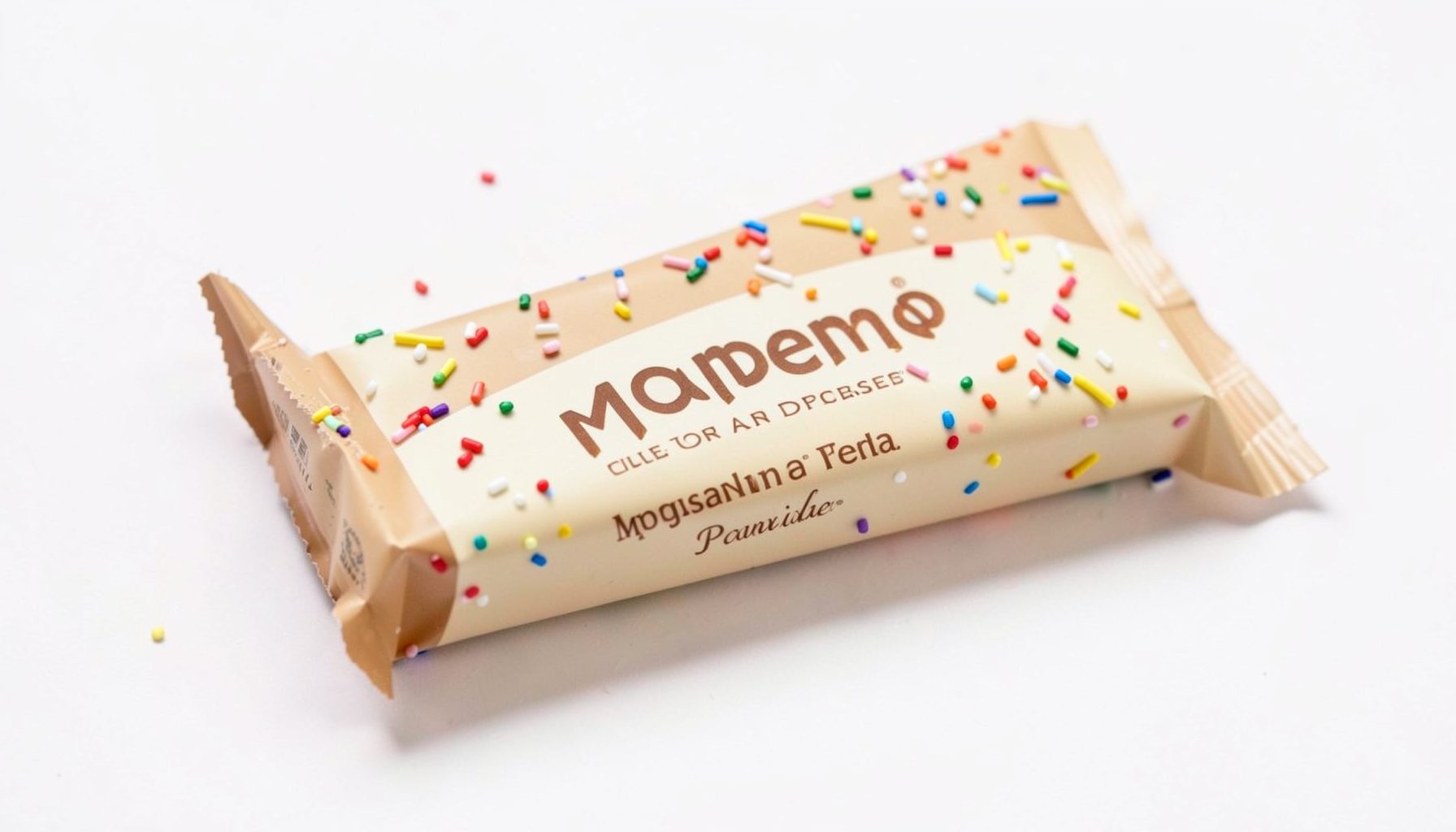
Birthday Cake
Celebratory flavor with a sweet, cake-inspired profile. Available in 1-pack and 10-pack.

Cinnamon
Warm spiced chocolate with a smooth finish. Single bars and bulk packs available.

Cookie Butter
Rich, buttery cookie flavor in every bite. Offered in 1-pack and 10-pack options.

Cookies & Cream
Classic cookies-and-cream taste with a mushroom chocolate twist. 1-pack and 10-pack.
How Diamond Shruumz Supports Vegan And Gluten-Free Choices
For shoppers seeking plant-based or gluten-conscious treats, ingredient details matter as much as flavor. Chocolate, gummies, and cones can contain unexpected ingredients, including dairy derivatives, wheat-based fillers, malt flavoring, or shared-facility warnings. A clear product-labeling approach helps customers compare options with greater confidence.
Diamond Shruumz offers mushroom-infused products in several formats and flavor profiles, giving customers different ways to explore the collection. Vegan and gluten-free suitability can vary by recipe, package size, flavor, and production update, so the most reliable step is to review the current label for the specific product being considered.
The brand’s quality-focused presentation places attention on ingredients, sourcing, dosing information, and product details. That information gives shoppers a practical foundation for identifying plant-based recipes, checking allergen statements, and making choices that fit their dietary preferences.
Ingredient Transparency Begins With The Label
A vegan product must avoid animal-derived ingredients such as milk, butter, whey, casein, gelatin, and certain confectionery additives. In chocolate products, dairy is a particularly important detail because milk ingredients may appear in the chocolate base, fillings, flavor components, or coating. Gummies may require a separate review because gelatin is commonly used in chewy candy, while pectin can provide a plant-based alternative.
Gluten-free selection also involves more than checking whether a product contains wheat. Barley, rye, malt, and ingredients made from wheat can introduce gluten, while flavor inclusions and crisped components may carry additional risks. Customers should review the ingredient panel and allergen statement rather than relying only on a flavor name or a general product description.
The label guide can help explain how to interpret product information, including serving details and ingredient disclosures. Reading the entire package supports better decisions, especially for people managing celiac disease, gluten sensitivity, milk allergies, or strict vegan diets.
Vegan Formulation Requires Recipe-Level Review
Vegan suitability is determined by the complete formula, not by the presence of mushrooms alone. Mushroom ingredients are naturally compatible with plant-based eating, but the surrounding recipe may include dairy chocolate, honey, gelatin, or other animal-derived components. The flavoring system and decorative elements deserve the same attention as the main ingredient list.
Chocolate bars can differ substantially from gummies and cones. A dark chocolate recipe may be made without milk ingredients, while a creamy or specialty flavor may use a dairy-based component. Gummies may rely on pectin, but that detail should be confirmed on the current packaging. Cones can also include separate ingredients in the filling, shell, or wrapper that affect dietary suitability.
Customers who follow a strict vegan diet should look for an explicit vegan statement or certification where available. When a package does not make that claim, the ingredient list and allergen information remain essential. Formulations can change, so an older product review or social media description should not replace the current label.
Gluten-Free Considerations Extend Beyond Wheat
Gluten-free shoppers often begin by avoiding wheat, but a broader review is necessary. Barley and rye are also sources of gluten, and malt-based ingredients may appear in chocolate, cookies, cereal-style inclusions, or flavor blends. A recipe can seem simple while still requiring careful inspection of minor ingredients.
Manufacturing practices are another consideration. A product may contain no gluten ingredients but still carry a shared-equipment or cross-contact statement. For someone with celiac disease or a medically diagnosed sensitivity, that warning may be as important as the recipe itself. Customers should follow the package guidance and contact the manufacturer when the status is unclear.
Flavor selection can make the review more interesting, rather than more difficult. The brand’s chocolate flavor profiles provide context for comparing different taste experiences, while the packaging supplies the current dietary and allergen information needed for a careful purchase.
| Product detail | Why it matters to vegan shoppers | Why it matters to gluten-free shoppers |
|---|---|---|
| Ingredient list | Identifies milk, whey, gelatin, honey, and other animal-derived ingredients | Reveals wheat, barley, rye, malt, and derived ingredients |
| Allergen statement | May disclose milk or shared equipment involving dairy | May identify wheat or related cross-contact warnings |
| Vegan claim | Provides a clearer indication of plant-based suitability | Does not establish gluten-free status |
| Gluten-free claim | Does not establish that a product is vegan | Offers useful guidance, subject to the label’s exact wording |
| Product format | Chocolate, gummies, and cones may use different binders or coatings | Inclusions, cones, and flavor components may create separate gluten concerns |
| Date and package version | Helps customers verify the current formula | Supports review of updated ingredients or manufacturing information |
Packaging Helps Compare Products Responsibly
A consistent review process makes it easier to compare pack sizes and flavors. First, identify the exact product and flavor. Next, read the ingredient panel from beginning to end, then check allergen statements, dietary claims, serving information, and any manufacturing notes. This approach reduces the chance of assuming that every product in a collection follows the same recipe.
Customers should also consider whether a product’s stated serving size matches their personal needs. Mushroom-infused products may contain active ingredients with effects that vary by individual, and the amount per serving should be understood before consumption. Dietary suitability and responsible use belong in the same purchasing decision.
Packaging is also the best reference when a website description and an older package appear different. Retail stock may have been produced at different times, and recipes or labeling conventions may be updated. Keeping the package available until the product is finished can help customers refer back to ingredients, servings, and storage guidance.
A Practical Review For Dietary Preferences
The following checks can make product selection more straightforward:
- Choose the exact flavor and format before reviewing dietary suitability.
- Scan the full ingredient list for dairy, gelatin, honey, wheat, barley, rye, and malt.
- Read the allergen and shared-equipment statements carefully.
- Prefer a current vegan or gluten-free claim when strict avoidance is necessary.
- Verify the package each time, since formulas and labeling may change.
These steps are useful for both first-time and returning customers. They also help households with different dietary needs select separate products instead of assuming that one chocolate bar, gummy, or cone represents the entire collection.
People with celiac disease, severe food allergies, or medically required restrictions may need a higher level of assurance than a general dietary preference requires. If the package does not clearly answer a question, the safest decision is to pause and obtain clarification before consuming the product.
Flavor Variety Does Not Replace Ingredient Checks
A broad flavor range gives customers room to choose according to taste, but flavor names should not be treated as dietary guarantees. Terms such as “creamy,” “cookie,” “caramel,” or “milk chocolate” may signal ingredients that require closer attention, while a fruit-forward or dark chocolate profile may still include unexpected additives.
The same principle applies to gummies and cones. Colorings, coatings, fillings, binders, and flavor compounds can affect whether a recipe fits a vegan or gluten-free lifestyle. Comparing the full ingredient panels makes it possible to enjoy variety without overlooking a small but important component.
Customers can pair flavor research with label verification: use product information to understand the experience, then use the current package to confirm the dietary facts. This two-step method respects both personal taste and individual health requirements.
Make A Confident Product Choice
Diamond Shruumz’s focus on product information gives shoppers useful tools for evaluating vegan and gluten-free options, but the final decision should always be based on the specific package in hand. Ingredient lists, allergen statements, dietary claims, serving information, and manufacturing notes work together to create a clearer picture.
Explore the available flavors and formats, then compare each label before purchasing or consuming a product. For strict dietary needs, keep the packaging nearby, follow the stated serving guidance, and contact Diamond Shruumz directly when an ingredient or cross-contact statement needs clarification.

Send Us a Message
Get in Touch
Have questions about our products or your order? Reach out and we'll get back to you.
- California, USA
- Contact Page