
California • Est. 2019
Premium mushroom chocolate bars, gummies, and cones crafted in California. Bold flavors, uncompromising quality, and a brand built from the ground up.
Explore the CollectionOur Collection
Shruumz Chocolates & Gummies
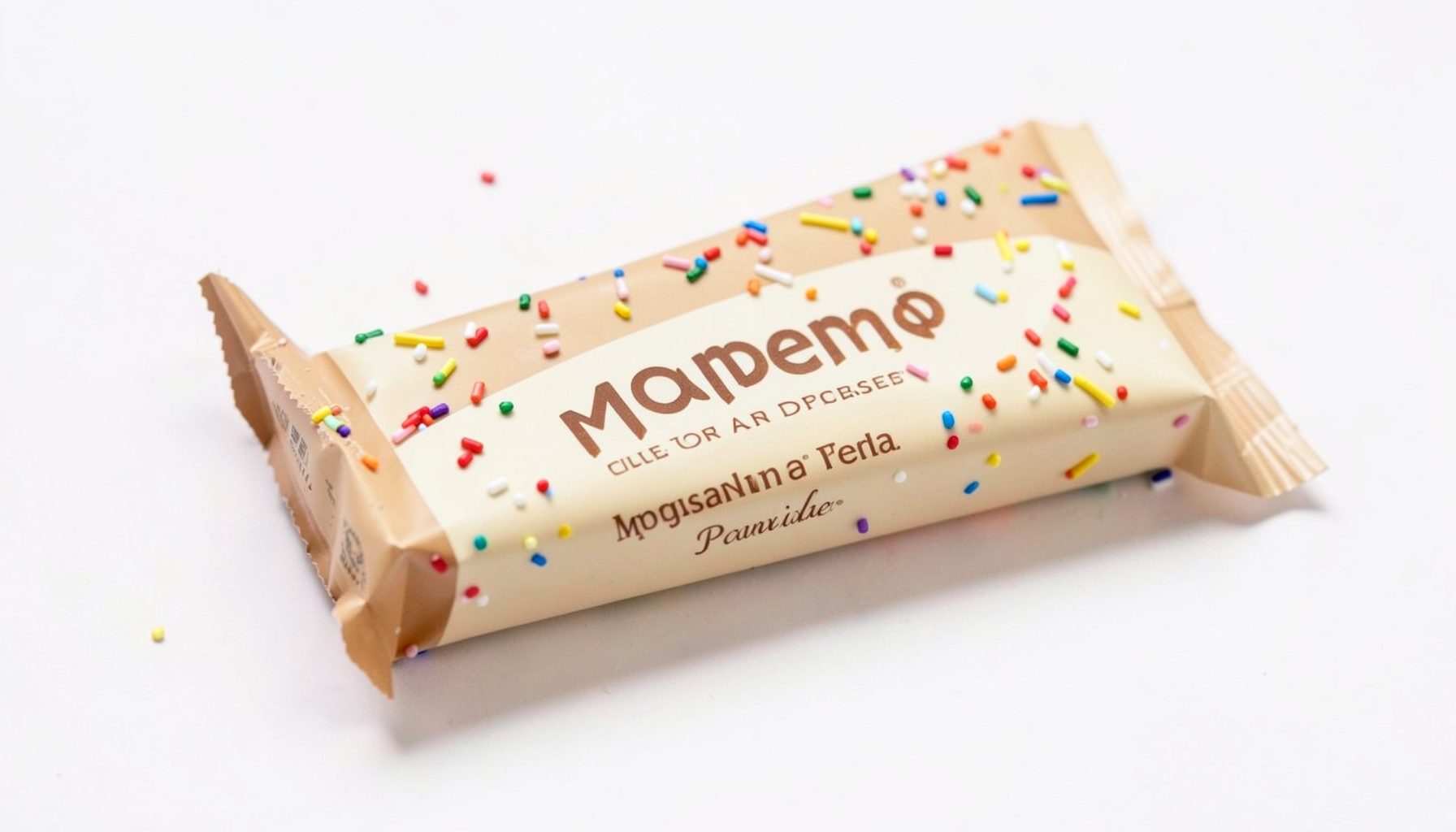
Birthday Cake
Celebratory flavor with a sweet, cake-inspired profile. Available in 1-pack and 10-pack.
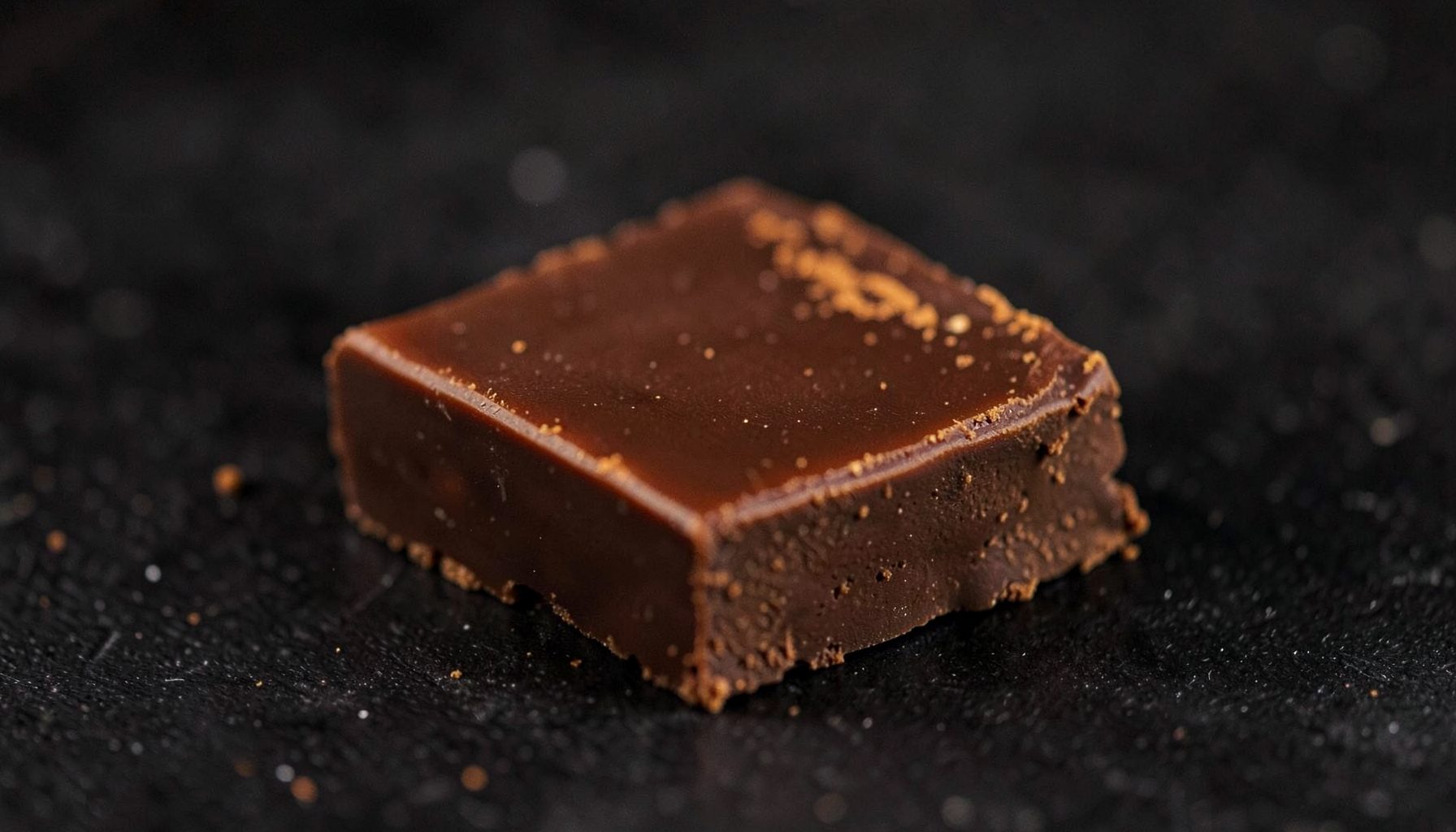
Cinnamon
Warm spiced chocolate with a smooth finish. Single bars and bulk packs available.
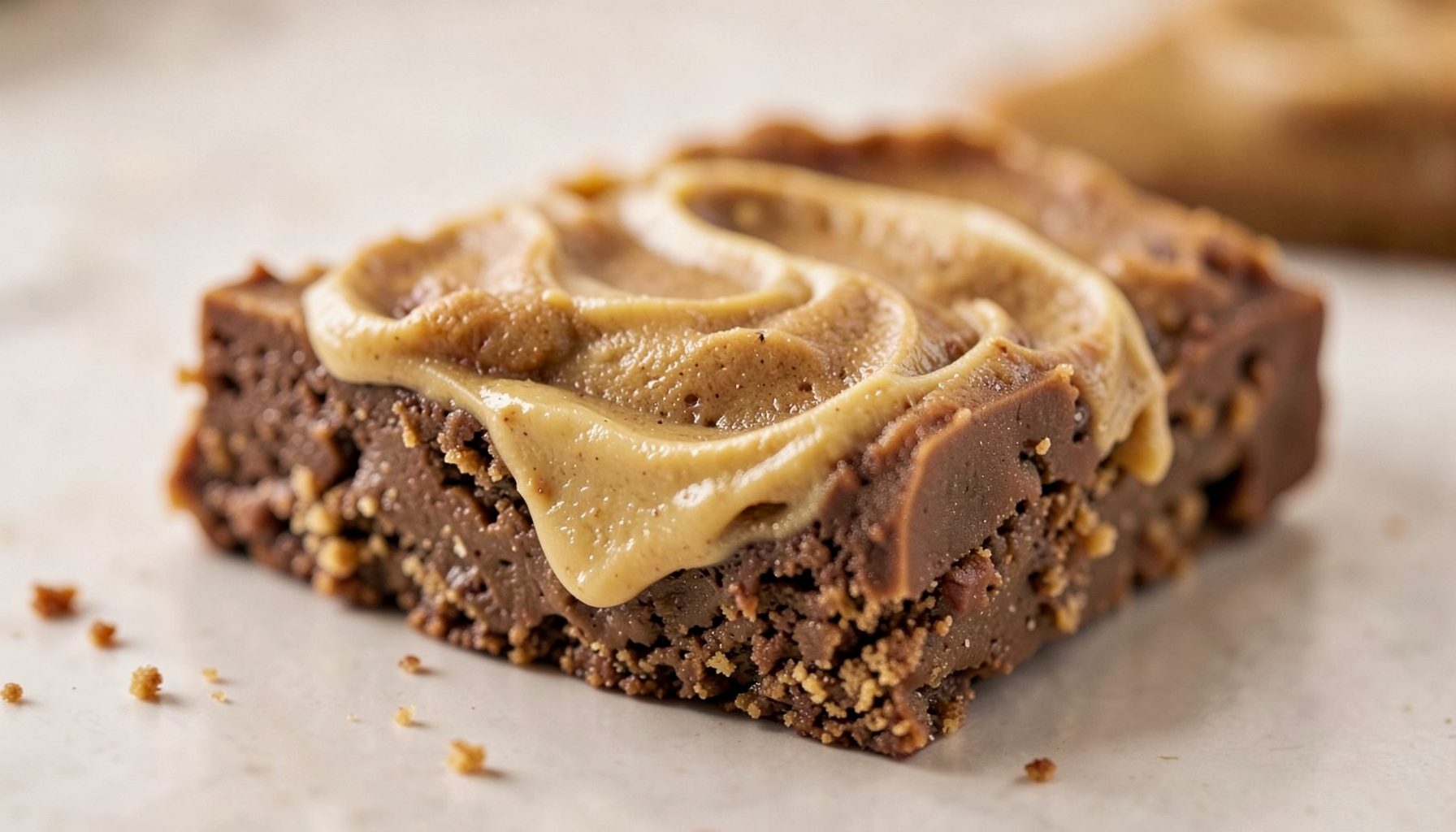
Cookie Butter
Rich, buttery cookie flavor in every bite. Offered in 1-pack and 10-pack options.
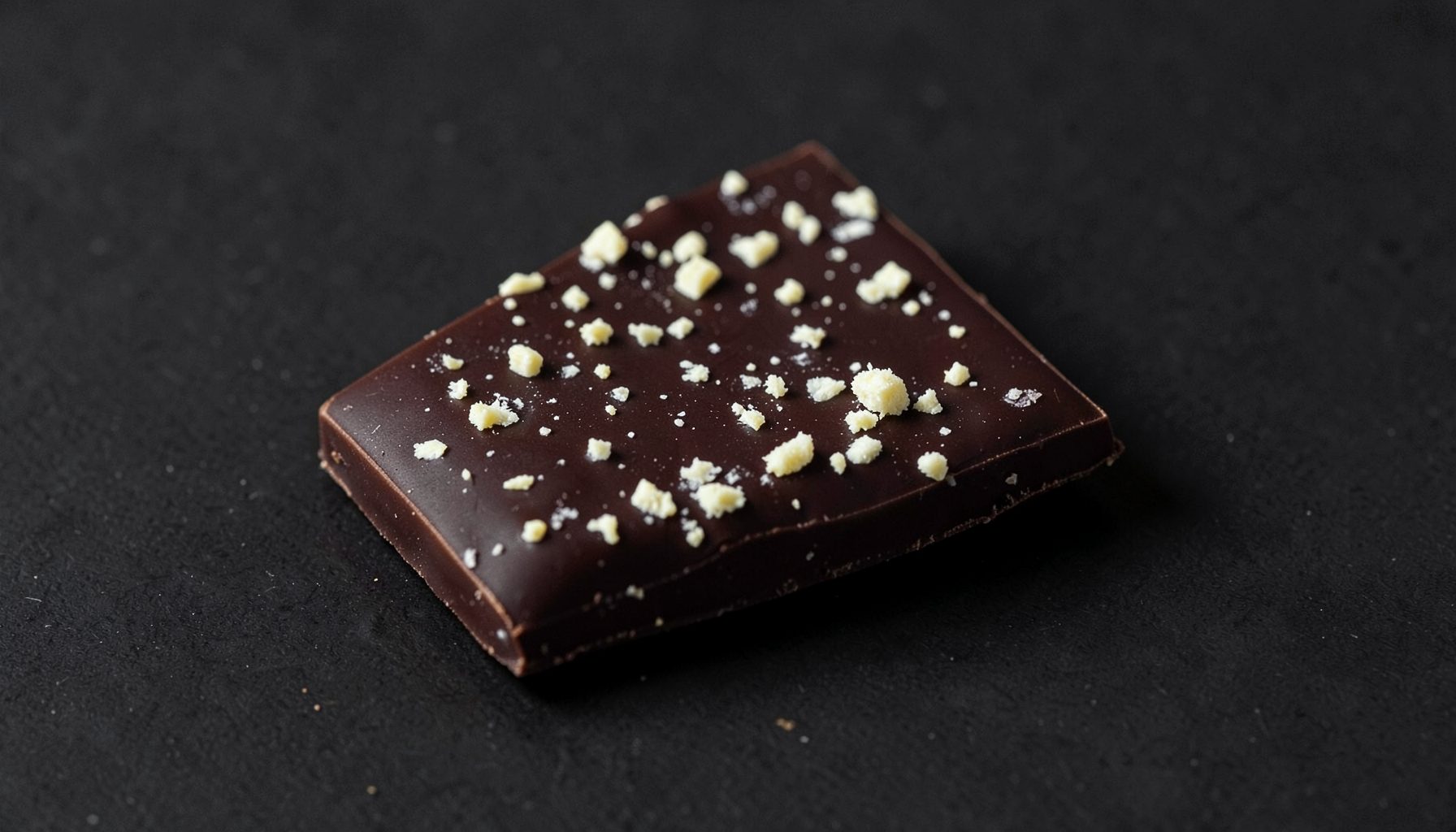
Cookies & Cream
Classic cookies-and-cream taste with a mushroom chocolate twist. 1-pack and 10-pack.
Behind the shine: how our tempering machine locks in consistent quality
A glossy snap, a smooth melt, a flavour that arrives the same in every bite. That consistency requires a tempering process that responds to the quirks of cocoa butter and the realities of mushroom-infused chocolate. California roots gave us the blueprint, but producing for Australian customers means reckoning with the country's climate swings, strict food standards, and a market that expects premium results from everyday treats.
For shoppers browsing the chocolate bar collection online, what looks like a simple wrapper hides a series of micro-adjustments. The machine reads temperatures to within fractions of a degree, cooling molten chocolate through a controlled curve so the fat crystals settle into stable Beta forms. Without that, a bar might look dull, bloom to grey streaks within days, or crumble instead of snap.
The science of cocoa butter crystallization
Tempering is the quiet art of persuading cocoa butter to crystallise in a predictable way. Cocoa butter contains several fat crystals, labelled I through VI depending on melting point and stability. Form V and VI crystals pack tightly, reflect light evenly, and stay solid at room temperature. Form IV crystals are weaker and migrate toward instability, producing the chalky bloom that ruins a good bar.
The machine keeps the chocolate moving through a five-stage curve. It melts the chocolate above 45°C to erase existing crystal memory, then cools it to around 27°C, seeding unstable crystals. Finally, it warms the mass to about 30°C, shaking out the unstable forms and leaving only the stable ones. Sensors check every few seconds, and a pump keeps the chocolate agitated so no pockets stay warmer.
This matters more when the recipe includes functional additions. Mushroom extracts, botanical flavours, and natural colour sources can interrupt crystallisation. The machine's shearing action breaks up clumps of dry ingredients so the chocolate behaves as one continuous mass.
Temperature precision under Australian conditions
Australia is not a gentle place to make or ship chocolate. Brisbane humidity in January regularly pushes past 75 percent, while a Melbourne winter morning can dip into single digits before the factory heating kicks in. A machine that holds tolerance to a tenth of a degree still needs to be tuned for the room around it, and we calibrate the cooling jacket seasonally.
Humidity is the silent enemy of a polished snap. Moisture on warm surfaces leaves sugar bloom once the bar cools, a gritty white veil that customers mistake for mould. The tempering unit pulls air across the chocolate rather than blowing it on, so airborne water has less chance to settle on the surface. The moulds are pre-conditioned, sitting in the production room for an hour before pouring so they don't shock the chocolate into a poor crystal pattern.
Once product leaves the line, it moves into a climate-controlled packing hall, then into lined mailers with thermal inserts. This matters because Australia Post parcels can sit in a sunbaked sorting facility or a chilly regional depot depending on the route. If anything arrives warm, customers can follow our handling guide to salvage or replace their order.
Mushroom infusions and crystal stability
Mushroom extracts change the tempering math in subtle ways. Powders absorb moisture, so seed crystals form faster and need careful management. Liquid extracts add water that must be driven off during conching, otherwise the chocolate seizes into a thick paste. The machine compensates by holding the cooling phase a few seconds longer, giving the butter time to organise around the new particles.
We work with both fruiting body and extract-based mushroom ingredients, each behaving in its own way. Lion's mane powder carries natural sugars that lower the effective melting point slightly. Reishi extracts are bitter and dense, often requiring a higher final temperature to keep the chocolate fluid enough to coat the powder evenly. The machine logs each batch's temperature curve, and we review the data weekly.
Dosing consistency rides on this stability. If a bar melts and re-solidifies without proper tempering, active compounds can migrate toward the surface or sink into the bottom. A bar that looks fine but delivers uneven effects is a problem we design out at the machine stage. Crystallisation is the foundation that makes a consistent experience possible.
Quality checks beyond the tempering curve
The machine is only one checkpoint. Every batch is sampled before leaving the production hall. Staff cut a slab from the end of a run, polish it with a cloth, and check it against a reference bar under standardised lighting. The reference was set using a calibrated light box to mimic how a customer might see the product on a kitchen bench in Perth or Hobart.
We run melt tests on every flavour. A small square goes on a warmed ceramic tile and the team times how long it takes to lose its shape. A properly tempered bar softens gradually, holds its form until around 32°C, then slumps smoothly. Any batch that slumps too early goes back through the machine. Any batch that resists melting signals over-tempering and gets reprocessed with extra cocoa butter.
Independent lab testing rounds out the picture, checking actives against label claims. These results are filed under each flavour code and audited against Australian Consumer Law requirements. The ACCC takes a hard line on functional food claims, and we keep our marketing aligned with what the lab work actually shows.
Sourcing ingredients that play nicely with tempering
Not all cocoa behaves the same way under mechanical tempering. Single-origin West African cocoa butter forms tight crystals but needs higher seed temperatures. South American cocoa, with a slightly higher stearic acid content, tempers faster but can bloom if held too long between pours. We blend beans from both regions to give our chocolate a forgiving melt curve that suits both the machine and the Australian palate, which favours a rounder, less bitter profile.
Vanilla, lecithin, and flavour carriers are added at the conching stage, not the tempering stage, avoiding contamination of the crystal seed bed. Natural colour sources like beet-derived reds and turmeric yellows are pre-dispersed into cocoa butter before entering the machine. A clean input means the temperer has fewer variables to manage.
Functional ingredients follow the same rule. Mushroom powders are milled to a fine mesh size, then pre-blended with a small portion of cocoa butter so they enter the mass as a paste. This stops them from absorbing moisture straight from the chocolate and throwing off the crystallisation. The result is a bar that looks, snaps, and melts the way it should.
Storage and shipping habits that protect the temper
- Keep bars in their original wrapper until you're ready to eat them. The foil blocks light and slows fat migration.
- Store between 15 and 22°C. A pantry shelf is fine, but skip the bathroom, the laundry, or anywhere a morning shower pushes humidity past 60 percent.
- During a Brisbane or Adelaide heatwave, chill the wrapper in the fridge for ten minutes before opening. Cold handling keeps the surface crystals tight.
- If a bar softens in transit, let it reset at room temperature rather than reaching for the freezer. A slow reset helps Beta crystals reform instead of blooming later.
- Order early in the week. A Monday arvo order lands in a depot before the weekend and avoids sitting in a sun-soaked warehouse when staff are home for the day.
A consistent bite doesn't happen by accident. Each bar is the sum of a deliberate crystal pattern, a measured temperature curve, and a recipe that respects how cocoa butter behaves. The next step is simple: snap a piece off a bar in your kitchen, watch the edge, and look for the clean glassy break that says the tempering machine did its job, bar after bar.

Send Us a Message
Get in Touch
Have questions about our products or your order? Reach out and we'll get back to you.
- California, USA
- Contact Page