
California • Est. 2019
Premium mushroom chocolate bars, gummies, and cones crafted in California. Bold flavors, uncompromising quality, and a brand built from the ground up.
Explore the CollectionOur Collection
Shruumz Chocolates & Gummies
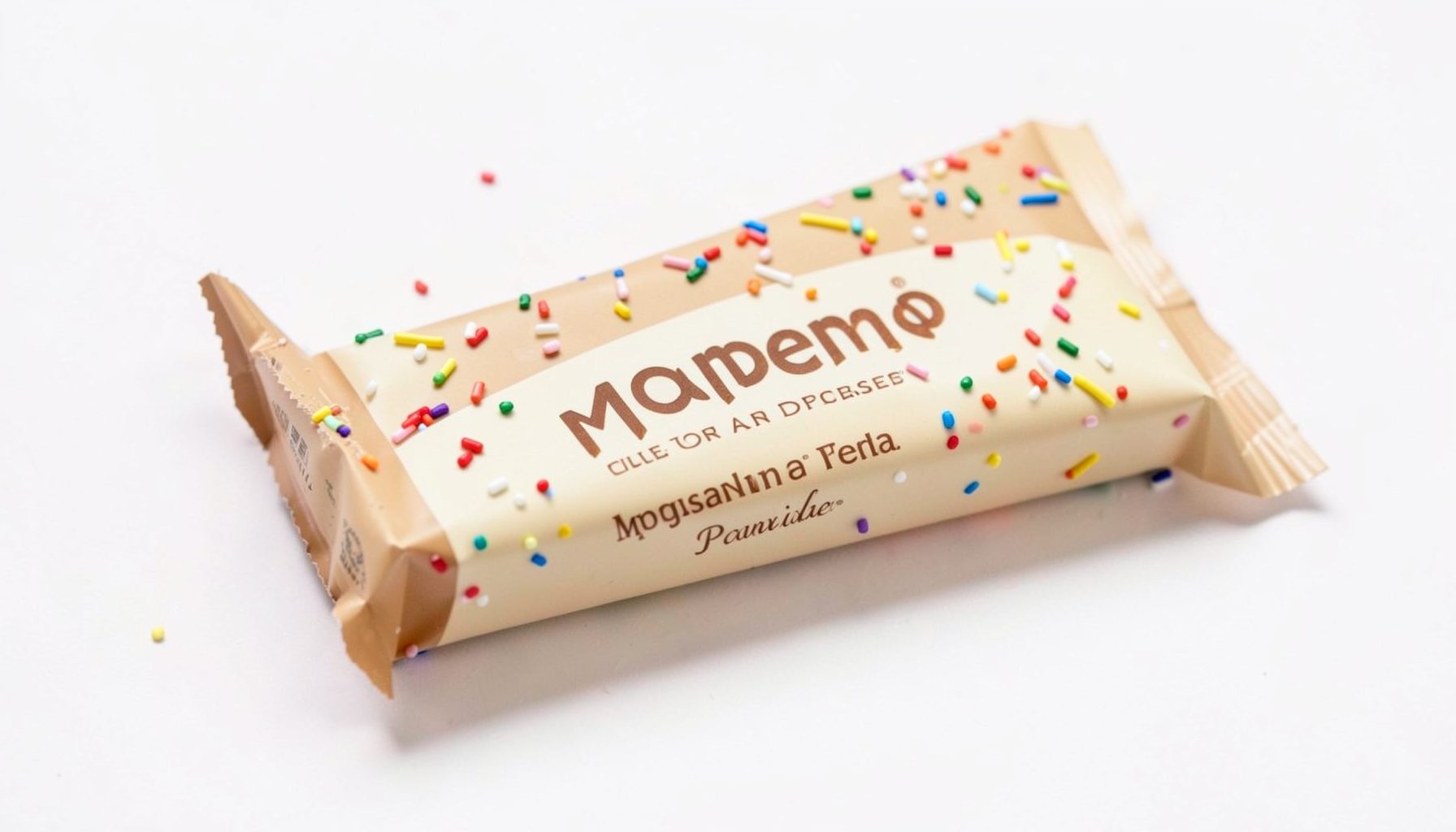
Birthday Cake
Celebratory flavor with a sweet, cake-inspired profile. Available in 1-pack and 10-pack.
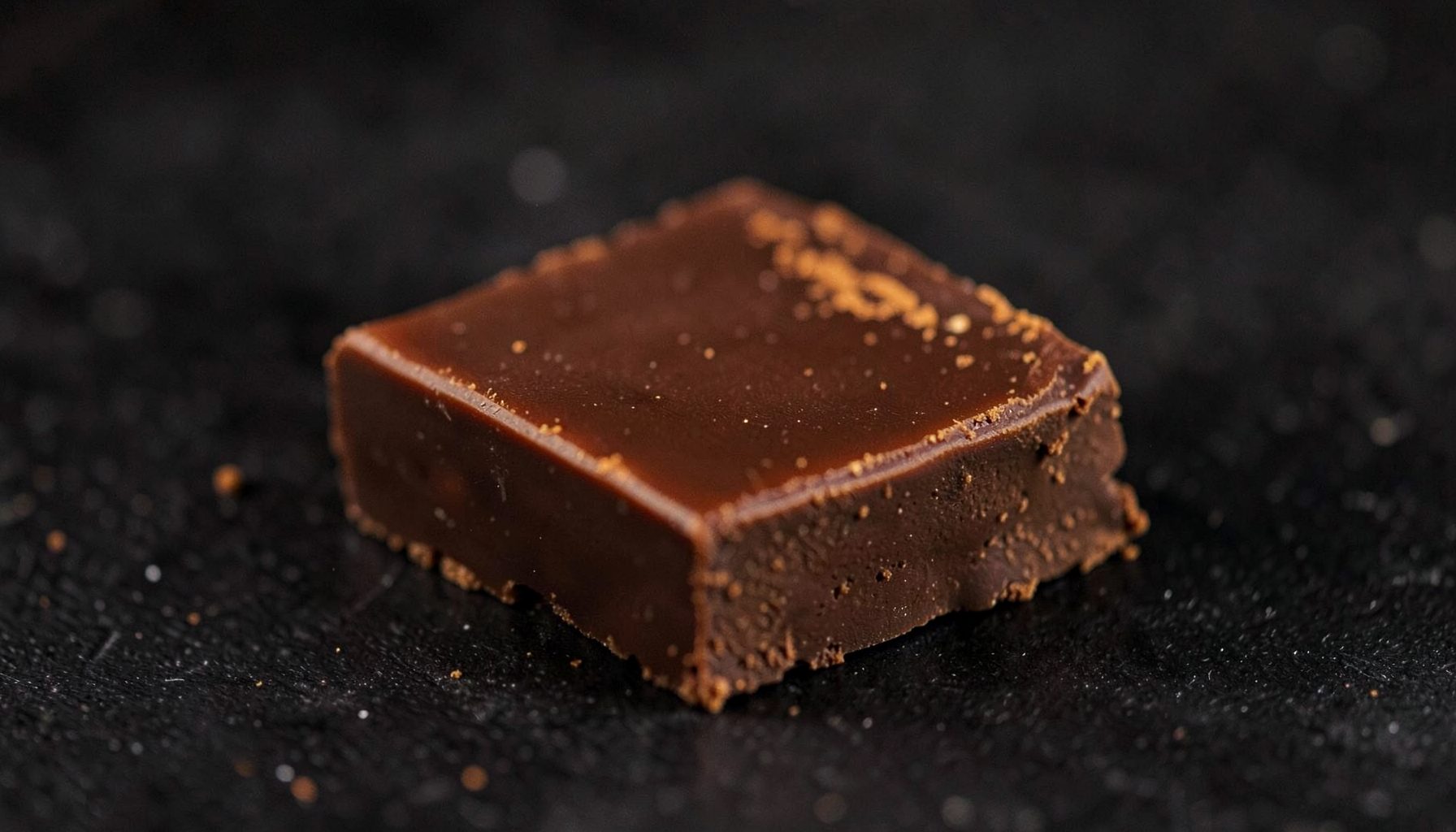
Cinnamon
Warm spiced chocolate with a smooth finish. Single bars and bulk packs available.
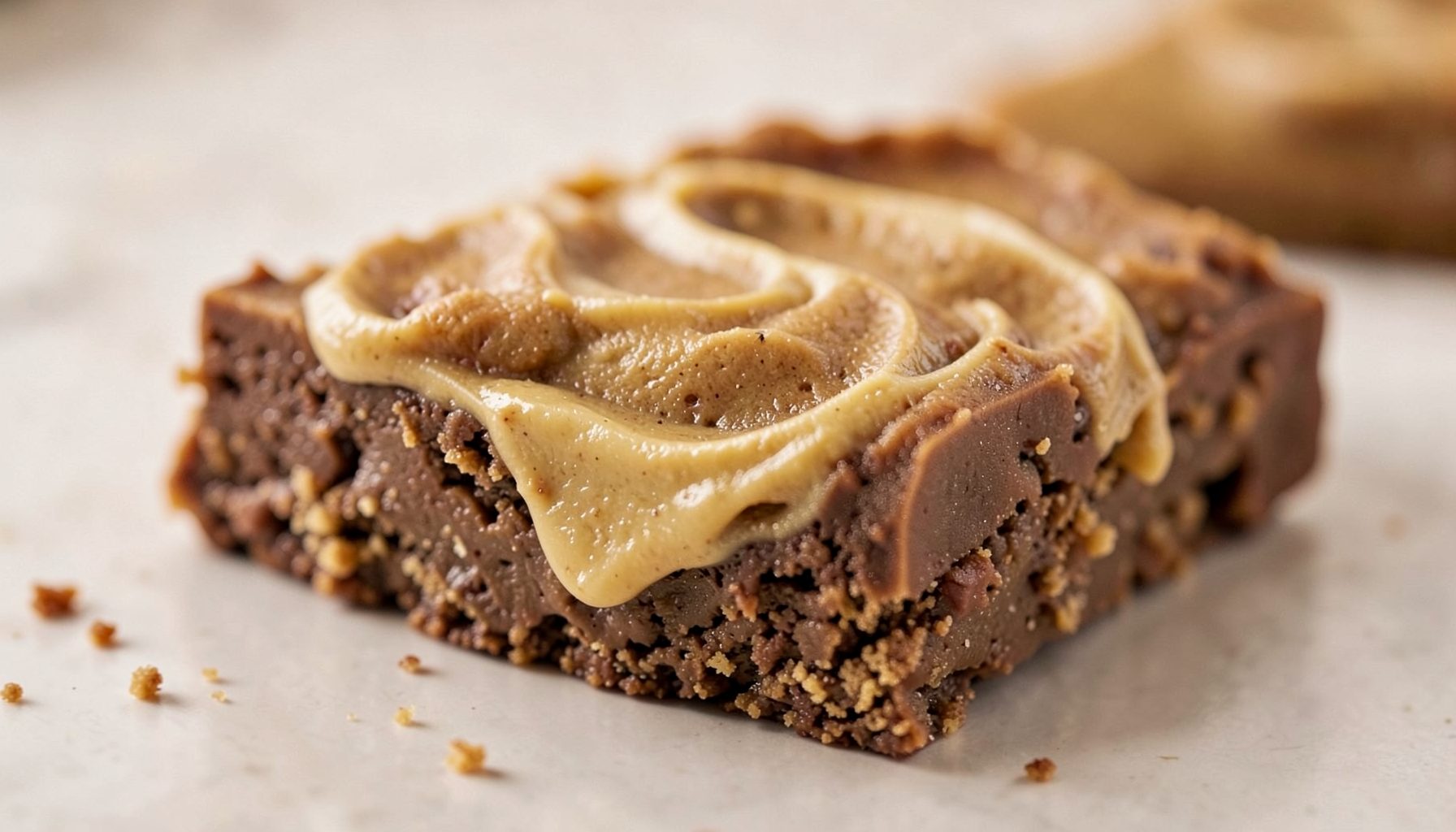
Cookie Butter
Rich, buttery cookie flavor in every bite. Offered in 1-pack and 10-pack options.
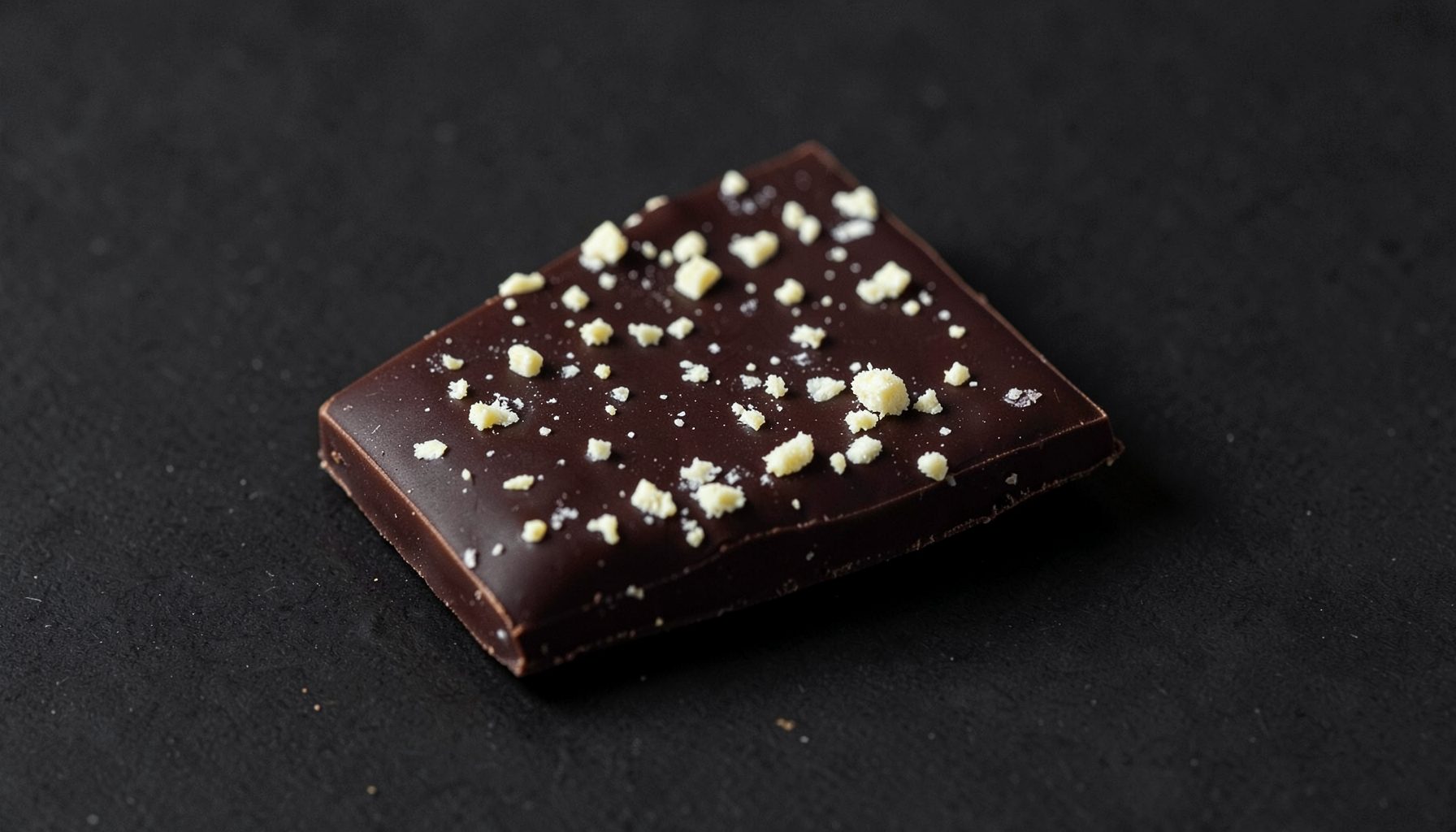
Cookies & Cream
Classic cookies-and-cream taste with a mushroom chocolate twist. 1-pack and 10-pack.
How chocolate tempering shapes the final mouthfeel
A chocolate bar can look polished and still feel disappointing when it breaks, melts, or lingers on the palate. The difference often begins with tempering, the controlled process that gives cocoa butter a stable structure. When handled carefully, tempering helps create the clean snap, smooth finish, and gradual melt associated with well-made chocolate.
For mushroom-infused chocolate, texture is especially important. Functional ingredients, flavor oils, sweeteners, and inclusions can all influence how a bar feels between the teeth. Our goal is to balance those components so the chocolate remains enjoyable from the first break through the final note.
That focus reflects a wider commitment to ingredient awareness and batch consistency. Readers interested in our mushroom approach can explore how product design, sourcing, and transparency fit into the brand experience.
Why tempering shapes texture
Tempering controls how cocoa butter crystals form as chocolate changes temperature. Cocoa butter can solidify into several crystal structures, but they do not all produce the same result. A stable crystal arrangement creates a firm bar with a glossy surface, a defined snap, and a melt that feels smooth rather than waxy or gritty.
Poorly controlled cooling may leave chocolate soft, streaked, or prone to white bloom. Bloom can appear as pale marks on the surface when fat or sugar migrates through the chocolate. It does not always mean the product is unsafe, but it can signal that the bar will have a less appealing texture and appearance.
Mouthfeel is the combined impression of firmness, creaminess, melting speed, and finish. A properly tempered bar usually begins with a clean break, then softens steadily with warmth from the tongue. That progression allows the cocoa character and added flavors to develop without a rough or greasy sensation.
From melted chocolate to a stable bar
The process starts by bringing the chocolate to a controlled liquid state. This step removes existing crystal structures so the cocoa butter can be reorganized. Temperature control matters because overheating can dull flavor, affect viscosity, and make later crystallization more difficult.
The chocolate is then cooled to encourage the formation of desirable crystals before being gently rewarmed. This rewarming stage preserves the stable structure while allowing the chocolate to remain fluid enough for molding. The exact temperature range depends on the chocolate formulation, since dark, milk, and white-style chocolates behave differently.
Once the tempered chocolate is deposited into molds, movement and cooling must remain consistent. Vibration can help release air bubbles, while an even cooling environment supports a uniform texture across the bar. If the process is rushed, the exterior may set before the interior, creating an uneven bite.
How ingredients affect the melt
Cocoa solids contribute bitterness, aroma, and body, while cocoa butter supplies much of chocolate’s characteristic melt. Sugar affects sweetness and can change the perception of thickness. Milk ingredients, when present, may add creaminess and soften the overall impression.
Mushroom powders and other botanical ingredients can introduce fine particles that alter viscosity and mouth-coating. Their concentration, particle size, and distribution matter. A well-balanced formula keeps those ingredients evenly dispersed so each portion has a consistent feel rather than isolated pockets of powder.
Flavor additions also influence texture. Oils can make chocolate seem softer, while crisp inclusions create contrast against the smooth base. Fruit, caramel, or cookie-inspired components may add chewiness or crunch. The finished experience therefore depends on both tempering and the way the full recipe is assembled.
Our approach considers texture alongside serving strength and flavor development. The discussion of flavor and potency explains why a satisfying bar requires more than simply adding ingredients to a chocolate base.
How texture can vary by formulation
Different recipes can produce slightly different mouthfeel, even when they follow the same tempering principles. A bar with a higher cocoa percentage may feel firmer and more intense, while a creamier recipe may melt sooner and leave a softer finish. Inclusions can make the bite more layered without compromising the chocolate shell.
| Product characteristic | Likely mouthfeel | What influences it |
|---|---|---|
| Higher cocoa content | Firm snap and slower melt | Cocoa solids, cocoa butter, and lower perceived sweetness |
| Creamier formulation | Softer bite and quicker melt | Milk components, fat balance, and sugar structure |
| Fine botanical powders | Subtle body or light coating | Particle size, dispersion, and dosage |
| Crisp inclusions | Textural contrast | Inclusion size, moisture, and distribution |
| Filled or layered center | Two-stage melt | Center viscosity and shell thickness |
Storage also affects the way tempering performs over time. Heat can soften the bar and disturb its crystal structure, while humidity may affect sugar surfaces and inclusions. Keeping chocolate in a cool, dry place helps preserve its intended snap and smoothness.
The serving experience matters as well. A bar eaten straight from a cold environment may seem harder and less aromatic. Allowing it to rest briefly at a moderate room temperature can improve the balance between firmness, fragrance, and melt without exposing it to excessive heat.
Quality checks at every stage
Visual inspection is one of the first indicators of a stable chocolate structure. A well-tempered bar generally has an even surface, clean edges, and a consistent finish. These details do not replace sensory testing, but they can reveal issues with cooling, molding, or handling.
A snap test provides another useful signal. The sound should be distinct without making the bar feel brittle. After the break, the interior should look relatively uniform, and the chocolate should begin melting gradually rather than turning instantly oily.
Sensory review completes the evaluation. Texture specialists consider how quickly the bar softens, whether it feels creamy or coarse, and how long the cocoa finish remains. They also assess whether flavors and functional ingredients remain integrated throughout the bite.
Batch records support consistency by documenting ingredient conditions, processing temperatures, cooling behavior, and finished-product observations. If a formula changes, the team can compare those records with sensory results and adjust the process without losing the qualities customers expect.
Ways to appreciate the finished texture
The best way to experience a tempered bar is to notice its stages instead of chewing immediately. Start with the surface and aroma, then listen for the break. Let a small piece soften slowly so the cocoa butter can melt and carry the flavor across the palate.
A few simple habits can make texture easier to evaluate:
- Store the bar away from direct sunlight, moisture, and strong odors.
- Let it rest briefly at room temperature before tasting.
- Break a small piece to observe the snap and interior structure.
- Allow the chocolate to melt gradually rather than rushing the bite.
- Compare flavors to notice how inclusions and cocoa levels change the finish.
These details help reveal why tempering is central to the final mouthfeel. The process creates the foundation, while the recipe, storage conditions, and serving temperature complete the experience. When each part is managed carefully, a mushroom-infused chocolate bar can feel polished, balanced, and satisfying.
Explore the Diamond Shruumz collection to compare flavor profiles and formats, and contact our team for product information or further details about the chocolate experience.

Send Us a Message
Get in Touch
Have questions about our products or your order? Reach out and we'll get back to you.
- California, USA
- Contact Page