
California • Est. 2019
Premium mushroom chocolate bars, gummies, and cones crafted in California. Bold flavors, uncompromising quality, and a brand built from the ground up.
Explore the CollectionOur Collection
Shruumz Chocolates & Gummies
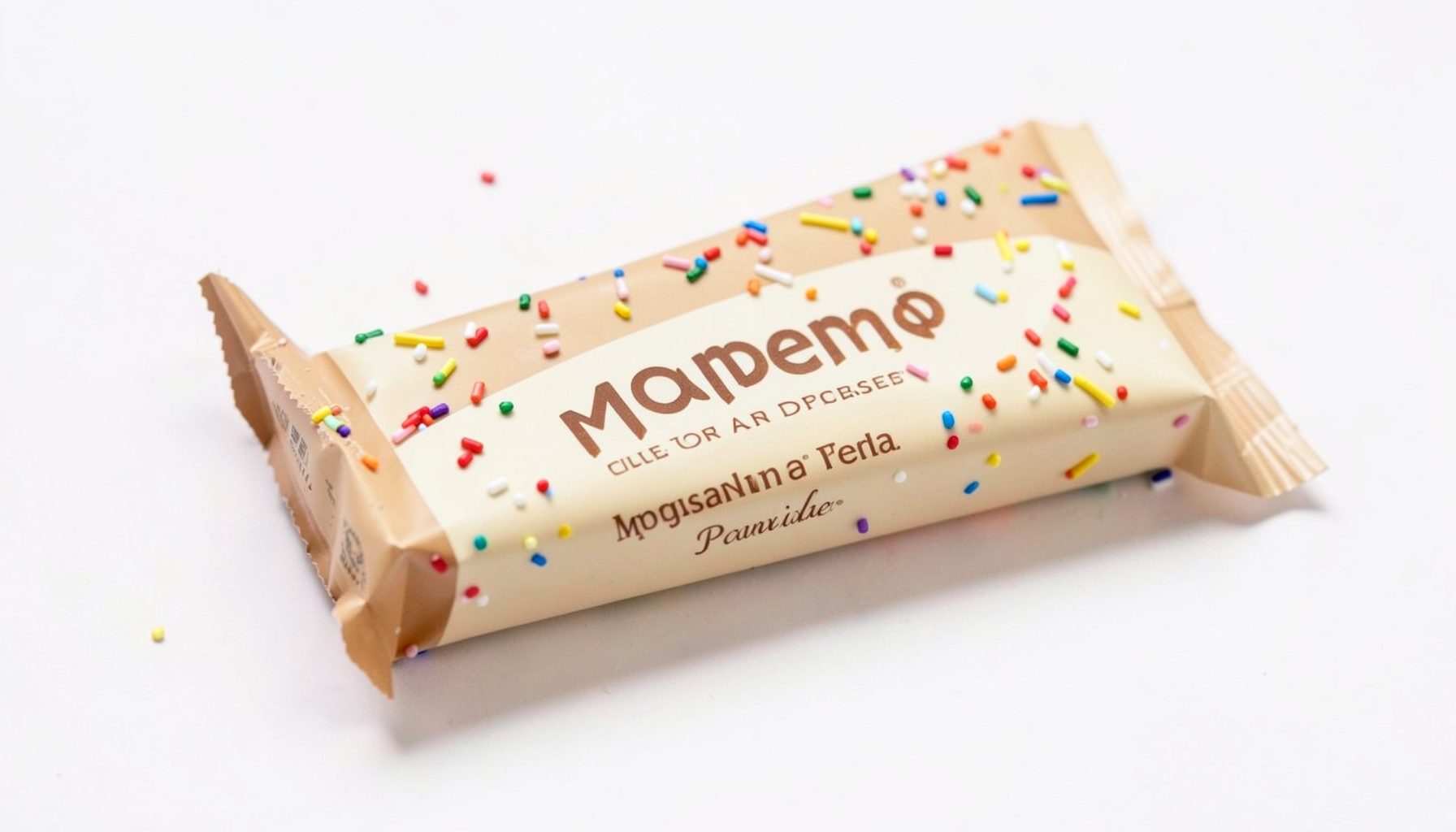
Birthday Cake
Celebratory flavor with a sweet, cake-inspired profile. Available in 1-pack and 10-pack.
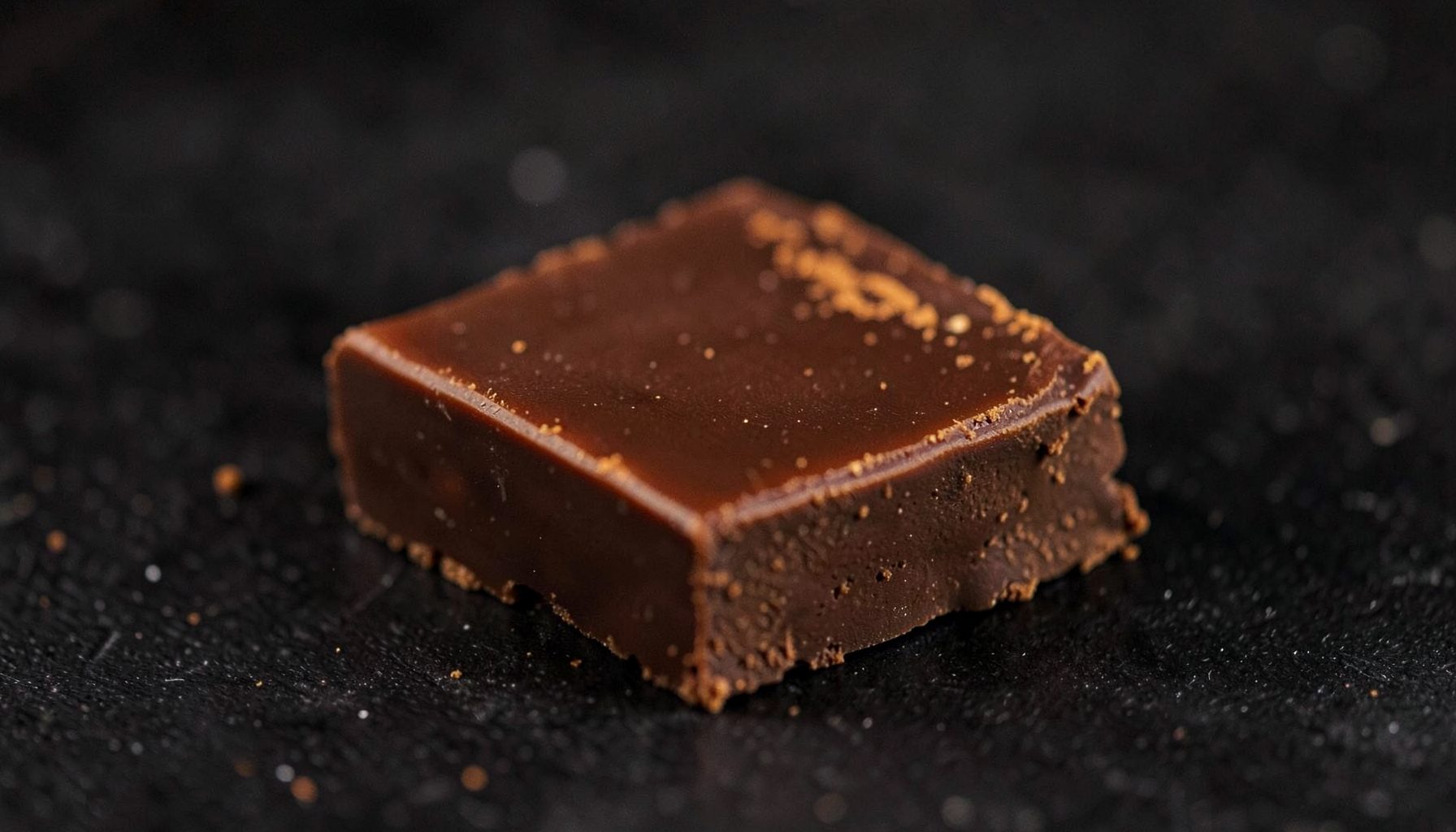
Cinnamon
Warm spiced chocolate with a smooth finish. Single bars and bulk packs available.
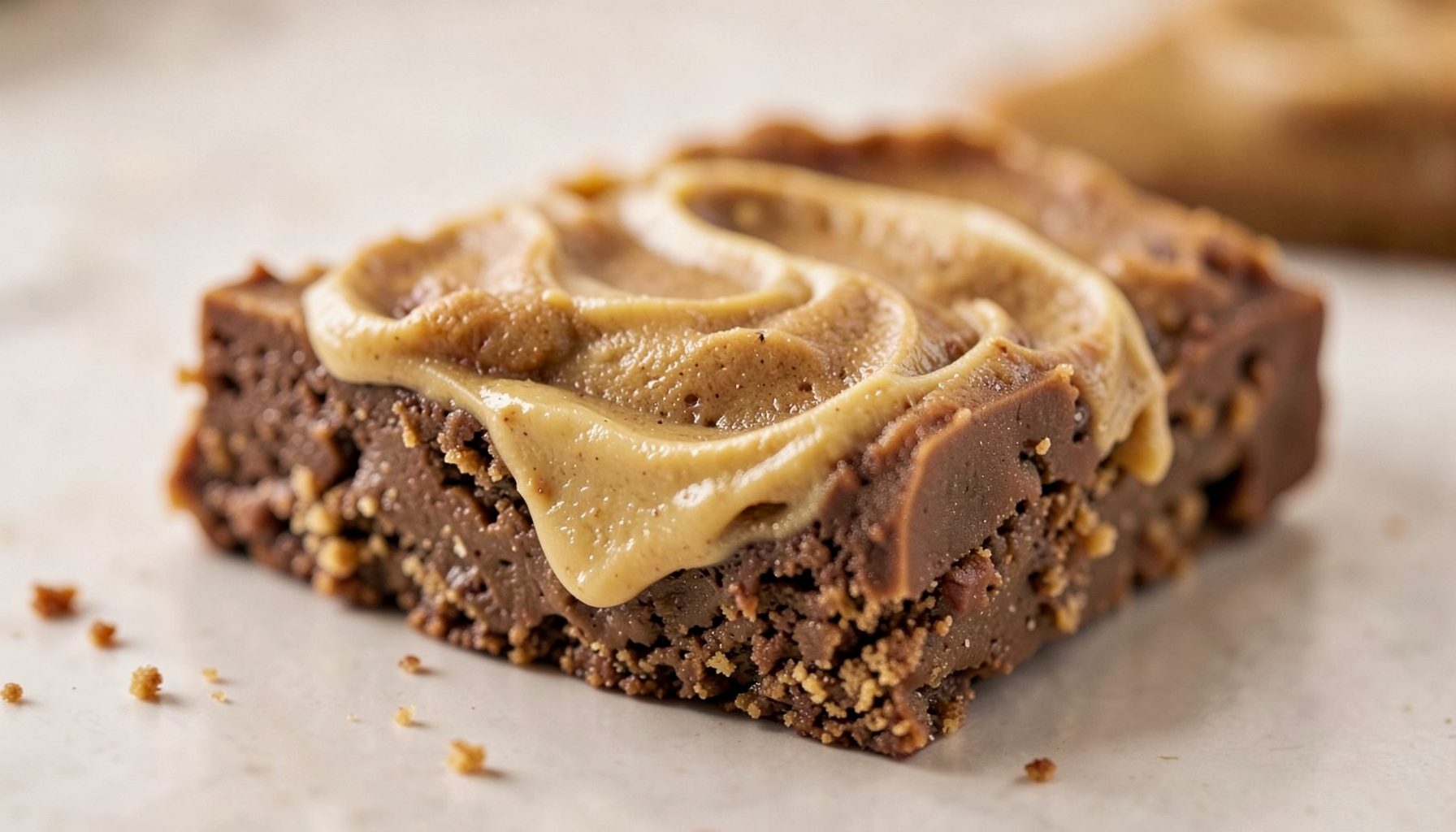
Cookie Butter
Rich, buttery cookie flavor in every bite. Offered in 1-pack and 10-pack options.
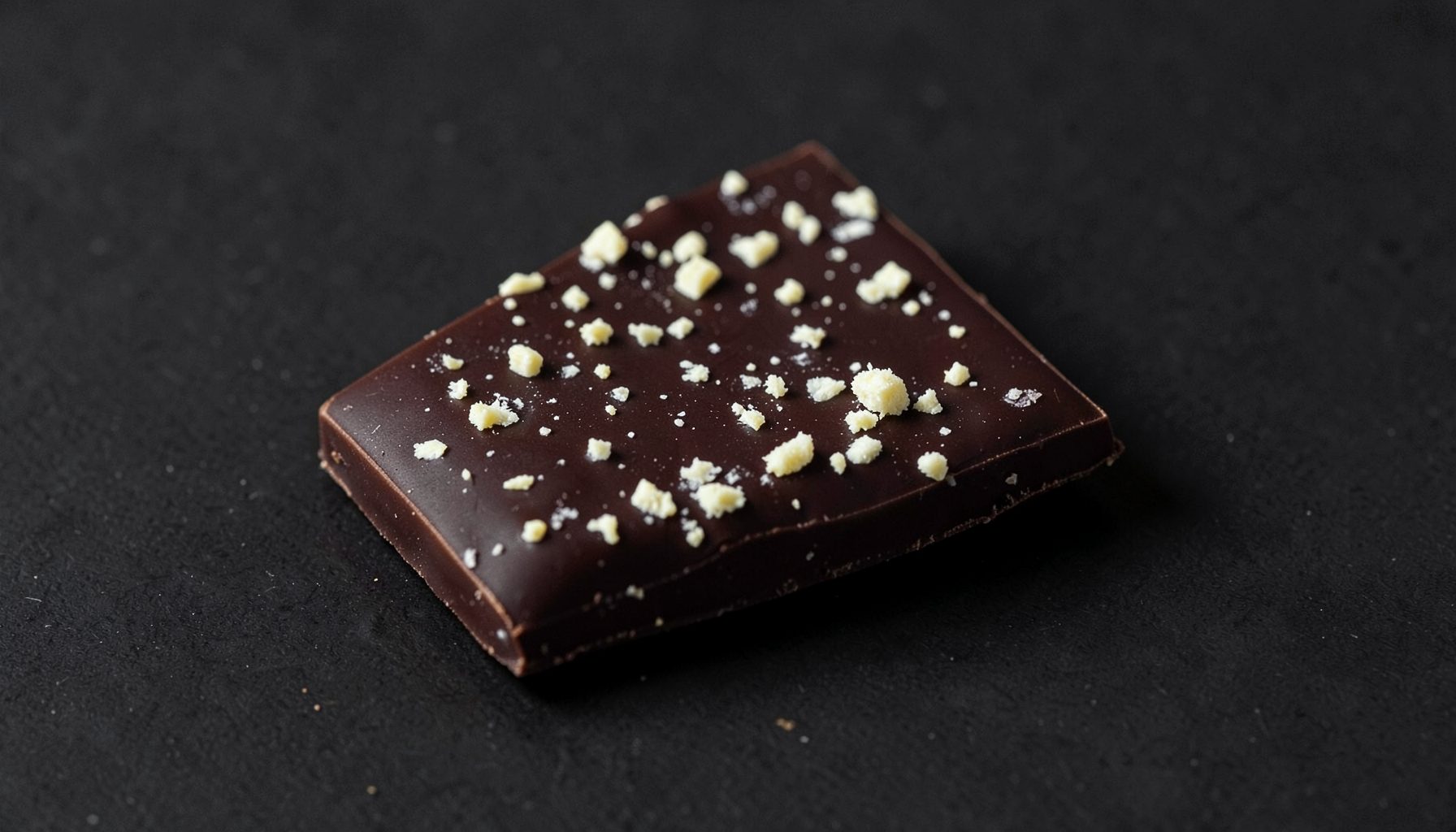
Cookies & Cream
Classic cookies-and-cream taste with a mushroom chocolate twist. 1-pack and 10-pack.
Bringing Mushroom Products Into A Mindful Retreat Routine
Meditation retreats often rely on simple rituals: a quiet room, a steady schedule, nourishing food and enough space to notice what is happening internally. Some Diamond Shruumz customers include mushroom-infused chocolates, gummies or cones as part of that broader routine, usually by treating the product as an optional sensory element rather than the centre of the retreat.
For Australian retreat guests, the practical details matter. A weekend outside Byron Bay, a silent stay in the Dandenong Ranges or a city-based mindfulness day in Melbourne may have very different rules, facilities and expectations. Product ingredients, local law, personal health and group consent should all be considered before anything is brought into a shared setting.
Creating A Calm Retreat Rhythm
Customers who incorporate these products into meditation retreats often begin with the environment rather than the product. They may prepare a quiet corner, reduce phone use, keep a journal nearby and establish a predictable rhythm of sitting meditation, walking meditation, meals and rest. This can make the experience feel intentional instead of impulsive.
A retreat schedule might include a morning breathwork session, a technology-free afternoon and a short evening reflection. If a product is present, it should fit into that structure without disrupting silence, sleep or the needs of other participants. A calm setting cannot remove the possibility of an unwanted reaction, so a conservative approach remains important.
For people comparing formats, our mushroom chocolate bars can be reviewed alongside the ingredient information and serving guidance supplied on the packaging. The relevant question is whether the product’s contents are clearly understood and suitable for the setting, rather than whether it appears fashionable or convenient.
Selecting A Format That Suits The Setting
Chocolate bars may be easier to portion visually, while gummies can be convenient for guests who prefer a small, individually presented format. Cones and other products may appeal to customers for different sensory reasons. These differences matter during a retreat because texture, sweetness, packaging and timing can influence the overall experience.
Some customers explore flavours as part of a mindful eating exercise, noticing aroma, texture and aftertaste without rushing. A guide to the gummy flavour guide may help with flavour selection, but it should not be treated as a substitute for reading the full label. Ingredients and allergen information deserve priority over taste preferences.
A retreat organiser may also need to consider whether food is shared, whether participants have allergies and whether the venue permits outside products. Keeping each item in its original packaging helps preserve important information and reduces the chance of confusion between ordinary confectionery and infused products.
Using Intention Instead Of Expectation
A clear intention can help customers approach a retreat with realistic expectations. Their purpose may be to practise patience, slow down during a digital break, observe sensory details or create a reflective evening ritual. Such an intention is different from expecting a product to produce a particular emotional or spiritual outcome.
Meditation is also a skill that can be practised without any infused product. Breath awareness, body scanning, walking meditation and journalling remain useful anchors if someone decides not to consume, feels uncomfortable or needs to step away from the group. This flexibility protects the retreat from becoming dependent on a single experience.
Some people choose to record a brief note before and after a session, including sleep, mood, food and other substances used that day. That record can encourage honest self-observation. It can also show when tiredness, dehydration or a busy travel schedule may be influencing the experience more than the product itself.
Understanding Australian Rules
Australian customers need to distinguish between legal mushroom ingredients and controlled substances. The word “mushroom” on a label does not automatically mean that a product contains psilocybin, and it does not automatically mean the product is legal in every state or territory. Ingredients, formulation, supply chain and marketing claims all matter.
Australian law is state and territory based in several relevant areas, while the Therapeutic Goods Administration regulates therapeutic goods at the national level. Psilocybin remains tightly controlled, with access limited to authorised pathways and specific clinical circumstances. A product sold overseas or discussed online should not be assumed to be lawful to buy, possess, carry across borders or use in Australia.
This is particularly important for travellers heading from Sydney to a retreat in regional New South Wales, or flying from Brisbane to Tasmania with food products in their luggage. Customs, biosecurity and state regulations can create additional issues. Guests should check current official guidance and the product’s exact ingredients before travelling, rather than relying on a social media description or a friend’s previous experience.
Protecting Comfort And Consent
A retreat host should make participation optional and keep product use separate from group pressure. No one should be expected to consume something because it is included in a welcome pack, offered during a ceremony or described as part of the retreat culture. Clear communication helps guests maintain personal boundaries.
People who are pregnant, taking prescription medicines, managing a mental health condition or living with a history of severe reactions to substances should seek qualified medical advice before considering an infused product. Alcohol, cannabis and other substances may add risks or make it harder to recognise a problem. Driving, swimming, hiking alone and operating equipment should be avoided after consuming anything that may affect alertness.
A simple support plan is useful. One sober, responsible person can know what has been consumed, where the packaging is kept and how to contact emergency services. If someone develops severe confusion, chest pain, difficulty breathing, seizures or becomes impossible to wake, call 000 immediately and provide responders with the packaging and relevant information.
Practical Choices For A More Considered Retreat
The following habits can help customers keep a meditation retreat orderly, transparent and respectful:
- Read the complete ingredient, allergen and serving information before arriving.
- Confirm that the product is legal to possess and use in the Australian state or territory involved.
- Keep infused items in their original packaging and away from children or pets.
- Avoid combining the product with alcohol, recreational drugs or unfamiliar supplements.
- Tell the organiser about relevant allergies, medication concerns or access needs without feeling pressured to disclose private details publicly.
- Arrange transport and avoid driving, cycling on roads or undertaking risky outdoor activities after use.
- Set aside a product-free meditation option, such as walking, breathwork or journalling.
These measures suit both private retreats and commercial wellness programmes. They also respect participants who want a conventional meditation experience, a sober environment or a routine based solely on movement and rest.
Making Space For Different Retreat Styles
The Australian retreat market includes silent meditation centres, yoga weekends, wellness stays, creative residencies and informal gatherings at rented coastal or rural properties. Their policies can vary widely. A commercial centre may prohibit outside food, while a private group may have no written policy at all. Asking about expectations before arrival prevents awkward decisions during the retreat.
Local habits can shape the schedule too. Guests may arrive after a long drive from Melbourne, take an early walk near the coast, or plan around heat in inland New South Wales. Hydration, sun protection, regular meals and adequate sleep can be more important to comfort than adding another element to the programme.
For group settings, a product-free shared space is usually the simplest arrangement. Someone who wishes to use a legal, clearly labelled product can do so only within the boundaries agreed with the host, away from people who have not consented. This preserves the retreat’s atmosphere while allowing individual choice.
A Grounded Way To Begin
Customers can treat mushroom products as one possible part of a wider mindfulness routine, rather than as a shortcut to insight. The strongest retreat experience usually comes from preparation: understanding the ingredients, checking Australian requirements, respecting personal limits and creating enough quiet for ordinary practices to work.
Before packing anything, check the exact label, confirm the venue’s policy, review current Australian and state or territory guidance, and write down a simple product-free meditation plan; then make the final decision only after those four checks are complete.

Send Us a Message
Get in Touch
Have questions about our products or your order? Reach out and we'll get back to you.
- California, USA
- Contact Page