
California • Est. 2019
Premium mushroom chocolate bars, gummies, and cones crafted in California. Bold flavors, uncompromising quality, and a brand built from the ground up.
Explore the CollectionOur Collection
Shruumz Chocolates & Gummies
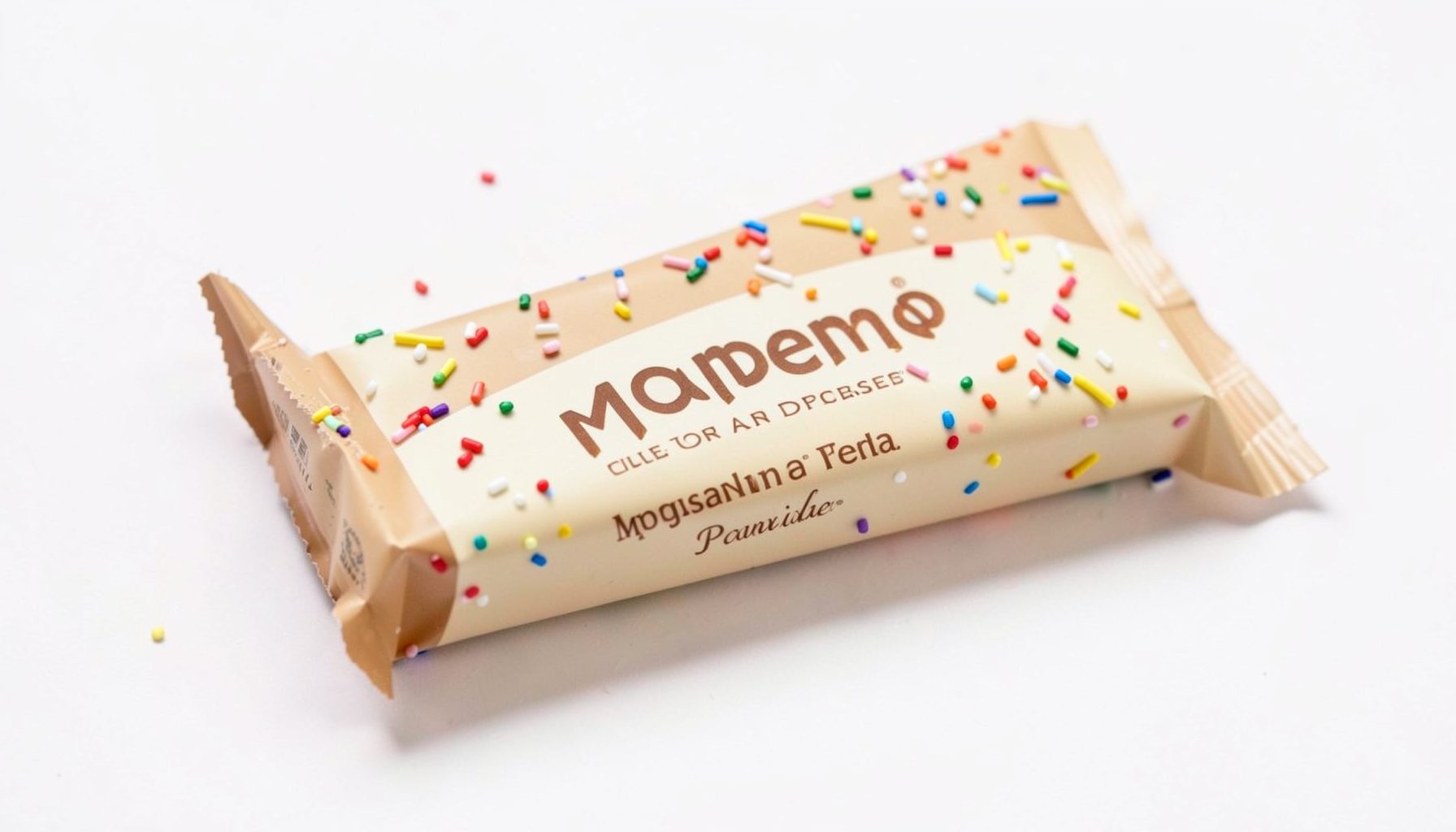
Birthday Cake
Celebratory flavor with a sweet, cake-inspired profile. Available in 1-pack and 10-pack.
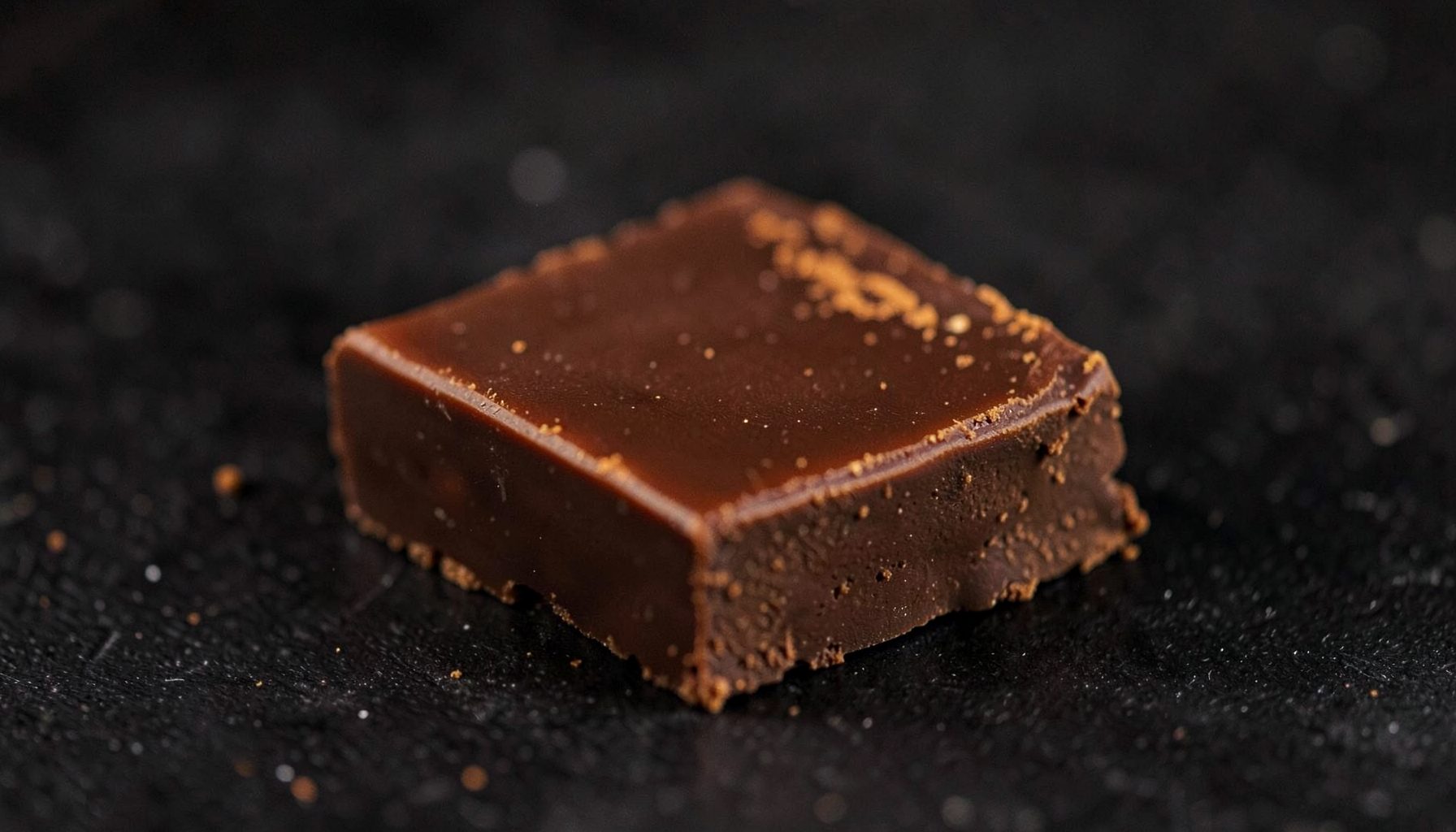
Cinnamon
Warm spiced chocolate with a smooth finish. Single bars and bulk packs available.
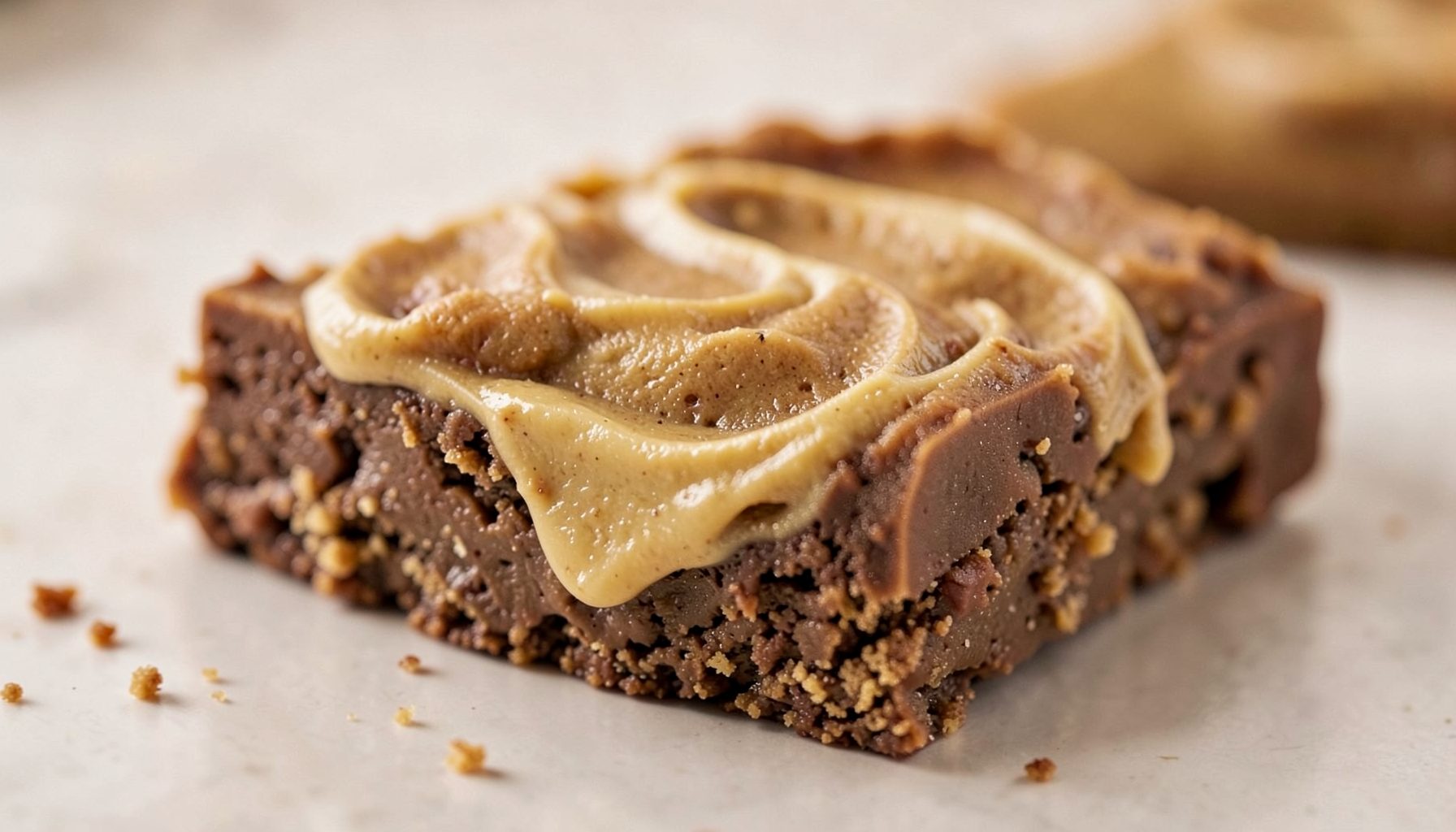
Cookie Butter
Rich, buttery cookie flavor in every bite. Offered in 1-pack and 10-pack options.
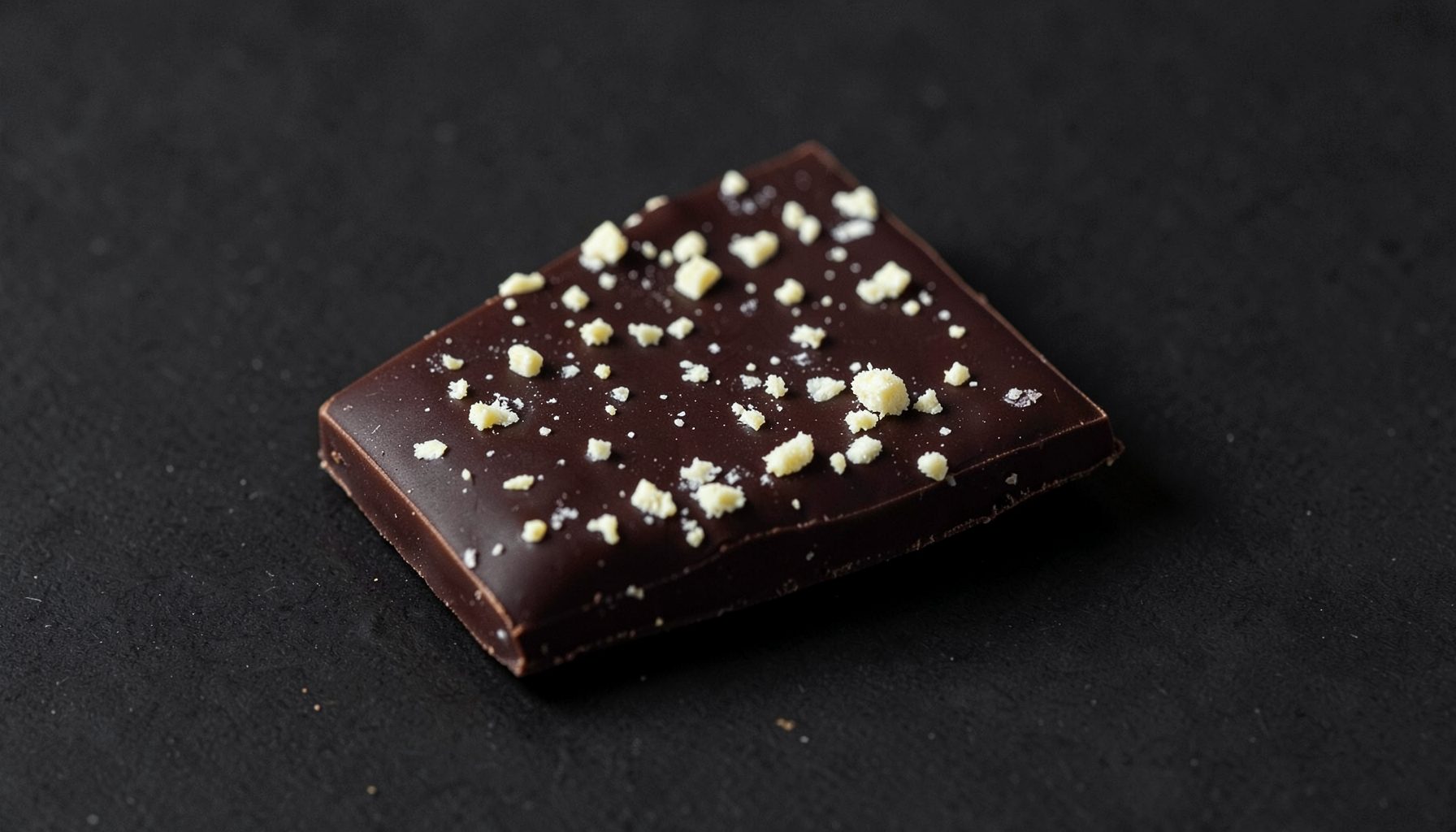
Cookies & Cream
Classic cookies-and-cream taste with a mushroom chocolate twist. 1-pack and 10-pack.
How gummy texture changes over time and why it matters
A gummy’s texture is part of its freshness story. When a mushroom-infused gummy is soft, cohesive, and easy to chew, that consistency usually reflects a balanced relationship between moisture, sugars, oils, and the surrounding package. As time passes, those elements can shift, changing the bite even when the flavor remains familiar.
At Diamond Shruumz, texture is considered alongside flavor variety, ingredient transparency, sourcing, and serving information. A gummy should feel intentional from the first chew to the last, while its packaging and storage instructions help preserve the experience for as long as possible.
If you are exploring different formats and flavors, you can explore our gummies to compare the collection. Understanding how the texture evolves can also help you recognize normal aging, prevent avoidable changes, and make more informed decisions about product quality.
What gives a gummy its texture
Gummy texture begins with the formulation. Water content, sweeteners, gelling agents, acids, oils, and flavor ingredients all influence whether a piece feels tender, springy, firm, or slightly tacky. The balance is precise: too much available moisture can make a gummy sticky, while moisture loss can leave it dry or tough.
The coating and surface also play a role. Sugar or similar finishing ingredients may absorb humidity from the air, creating a damp exterior. In a dry environment, that same surface can become rougher as moisture migrates away from the gummy. These changes often happen gradually rather than all at once.
The mushroom ingredients may contribute their own color, aroma, or fine texture, depending on the product format. For that reason, a small difference in chew from one flavor or batch to another does not automatically indicate a problem. A consistent appearance, intact packaging, and clear labeling provide useful context.
Why texture changes with age
Over time, gummies can lose water through the package or draw moisture from the surrounding air. This movement is called moisture migration, and it is one of the main reasons a soft candy becomes firmer, stickier, or grainier. Temperature changes accelerate the process by affecting how sugars, oils, and gelling ingredients behave.
Heat may soften the product and increase surface tackiness. If the gummy later cools, it may set into a denser or chewier form. Repeated warming and cooling can create a noticeably different bite without changing the product’s intended portion information.
Exposure to air can also affect flavor and aroma. Oxidation may gradually dull bright flavor notes, while condensation from temperature swings can influence the outside coating. A bag that is opened often may experience these changes faster than a sealed package stored in stable conditions.
Reading the signs of freshness
A fresh gummy generally has a defined shape, an even surface, and a texture that matches the product’s intended style. It may be soft and yielding or more substantial and chewy, but it should not usually feel wet, powdery, unusually brittle, or fused into an inseparable mass.
Texture alone cannot determine whether a product is suitable to consume. Check the package seal, date information, appearance, aroma, and storage history together. If a gummy has visible mold, an unusual odor, damaged packaging, or an unexpected change in color, it is best to avoid consuming it and follow the brand’s support or product guidance.
A texture change can also affect portioning. When pieces stick together or harden, separating them may become difficult and less precise. Keep each piece intact whenever possible, and use the label’s serving information rather than judging amount by size, softness, or appearance.
Texture changes at a glance
The following patterns describe common storage-related shifts. They are general indicators, not a substitute for the package label or product-specific guidance.
| Texture or appearance | Likely influence | What it may mean |
|---|---|---|
| Slightly firmer chew | Moisture loss or cool storage | The gummy may be aging normally |
| Sticky outer surface | Heat or high humidity | The package may have absorbed excess moisture |
| Sugar-like graininess | Crystallization or moisture movement | The bite and surface may become less smooth |
| Soft, misshapen pieces | Warm conditions | Contents may have softened during storage |
| Fused pieces | Heat, pressure, or humidity | Separate carefully; do not estimate servings by appearance |
| Mold, strong off-odor, or leaking package | Contamination or package failure | Do not consume; seek product support |
A change in texture does not necessarily mean the active ingredients have changed in the same way. Potency, freshness, and physical quality are related but separate considerations. Follow the product label, observe serving guidance, and avoid assuming that a softer or harder piece is stronger or weaker.
How storage protects the bite
Stable storage is one of the simplest ways to preserve gummy quality. Keep the package closed between uses and store it in a cool, dry place away from direct sunlight. Avoid leaving it in a vehicle, near a window, or beside a heat-producing appliance, since short periods of high heat can affect consistency.
Humidity matters just as much as temperature. Bathrooms, kitchens, and other damp areas can expose gummies to moisture fluctuations. Keeping the original package sealed helps limit air exchange and protects the surface coating from unnecessary exposure.
Repeated handling can introduce moisture and oils from hands, and leaving the container open allows the surrounding environment to influence the product. Open the package only when needed, close it promptly, and keep it away from children, pets, and anyone who should not access it.
Texture, dosing, and the overall experience
Texture supports a more predictable experience because it helps preserve the product’s intended portion format. A gummy that remains distinct and easy to handle makes it simpler to identify individual pieces and follow the package directions. A clump of softened pieces creates uncertainty, especially if someone tries to divide it by eye.
Our microdosing guide explains why different consumers may approach serving size and experience goals differently. Texture does not replace those guidelines. It is one practical part of product awareness, alongside the stated ingredients, serving information, personal circumstances, and applicable local rules.
For a broader explanation of flavors, formats, and usage details, see this gummy information guide. Read the package before use, avoid combining products casually, and give the effects enough time before considering any additional serving.
Simple habits for better freshness
A few consistent habits can help maintain the intended chew and reduce unnecessary texture changes:
- Store gummies sealed in their original packaging in a cool, dry, dark place.
- Keep them away from heat, humidity, direct sunlight, children, and pets.
- Handle pieces with clean, dry hands and close the package immediately after use.
- Check the seal, date information, aroma, appearance, and texture before consuming.
- Do not consume gummies with mold, an off-odor, leakage, or other unexplained signs of spoilage.
Texture is a useful quality signal, but it is only one part of the picture. Flavor, packaging integrity, labeling, ingredient information, and storage conditions should all align before a product is considered ready to enjoy.
When you understand how moisture, temperature, air, and handling shape a gummy over time, a change in chew becomes easier to interpret. Explore the Diamond Shruumz collection, store each package thoughtfully, and use the product label as your primary guide for a consistent, informed experience.

Send Us a Message
Get in Touch
Have questions about our products or your order? Reach out and we'll get back to you.
- California, USA
- Contact Page