
California • Est. 2019
Premium mushroom chocolate bars, gummies, and cones crafted in California. Bold flavors, uncompromising quality, and a brand built from the ground up.
Explore the CollectionOur Collection
Shruumz Chocolates & Gummies
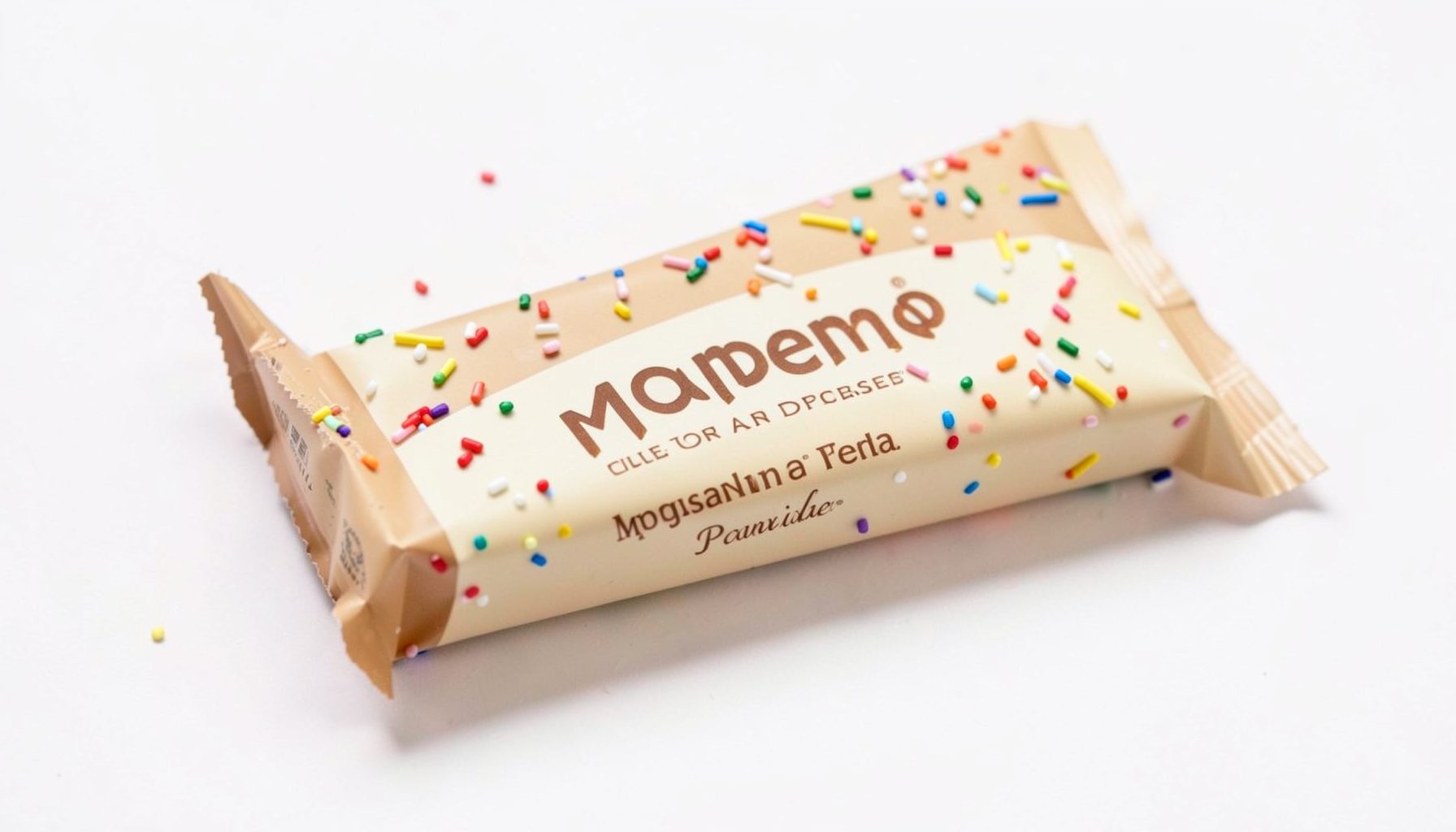
Birthday Cake
Celebratory flavor with a sweet, cake-inspired profile. Available in 1-pack and 10-pack.

Cinnamon
Warm spiced chocolate with a smooth finish. Single bars and bulk packs available.
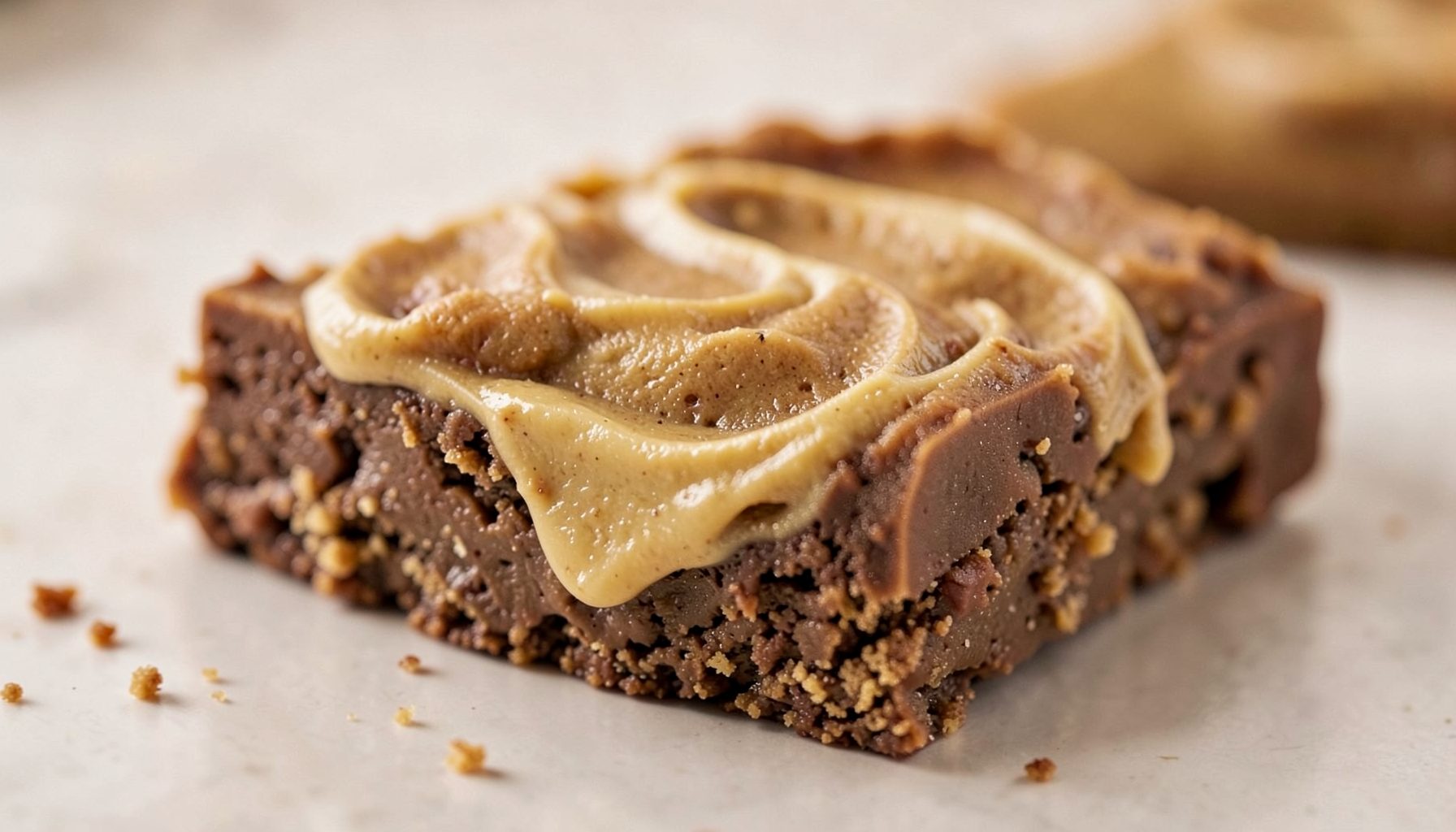
Cookie Butter
Rich, buttery cookie flavor in every bite. Offered in 1-pack and 10-pack options.

Cookies & Cream
Classic cookies-and-cream taste with a mushroom chocolate twist. 1-pack and 10-pack.
Sustainable Mushroom Farming Behind Our Products
The quality of a mushroom-infused chocolate bar, gummy, or cone begins long before it reaches a package. It starts with the growing environment, the materials used during cultivation, and the care taken by the people responsible for each harvest. At Diamond Shruumz, we recognize that responsible sourcing is part of creating products people can enjoy with confidence.
Our mushroom farming partners follow sustainable practices designed to use resources thoughtfully, protect growing conditions, and support consistent cultivation. These efforts can include efficient water use, careful substrate selection, low-waste workflows, and detailed records from cultivation through processing.
Sustainability is not a single claim or a finishing step. It is an ongoing approach that connects agricultural decisions with ingredient transparency, product quality, and responsible customer education.
Growing with resource awareness
Mushroom cultivation can be an efficient form of agriculture because fungi grow vertically and generally require less land than many conventional crops. Our partners assess their growing systems with attention to space, energy, water, airflow, and temperature control. Efficient facility design helps support healthy growth while avoiding unnecessary resource consumption.
Controlled growing environments also make it easier to monitor conditions closely. Rather than relying on excessive inputs to correct inconsistencies, growers can use measured adjustments to humidity, ventilation, lighting, and temperature. This precision supports reliable harvests and helps reduce avoidable waste.
Energy use remains an important consideration. Partners may improve efficiency through insulated growing areas, well-maintained equipment, timed climate controls, and production schedules that reduce unnecessary operation. These practical measures can lower the environmental burden associated with indoor mushroom farming without compromising cultivation standards.
Choosing substrates with care
Mushrooms grow on nutrient-rich substrates, so the materials used during cultivation matter. Sustainable partners look for suitable agricultural byproducts and renewable materials when possible, while ensuring that each substrate supports healthy, consistent growth. Reusing appropriate plant-based materials can give them a productive purpose instead of sending them directly to disposal.
Substrate selection must also be carefully controlled. Materials need to be clean, stable, and appropriate for the mushroom variety being cultivated. Partners maintain cultivation protocols that help limit contamination and protect the integrity of each batch. A thoughtful approach balances environmental responsibility with the quality expectations required for consumer products.
After cultivation, spent substrate may be considered for secondary uses such as composting, soil amendment, or other approved recovery processes. The exact option depends on local conditions, handling requirements, and applicable regulations. The goal is to keep useful organic material in circulation whenever practical.
Protecting quality from farm to facility
Sustainable sourcing is closely connected to traceability. Our partners maintain cultivation records that can help identify where a batch was grown, when it was harvested, and how it moved through the supply chain. These records support accountability and make it easier to investigate questions about ingredients or production conditions.
A documented process also encourages consistency. Harvest timing, storage conditions, transport, and handling can all influence the condition of mushroom material before it is incorporated into a finished product. Clear procedures help reduce losses caused by preventable damage, spoilage, or unsuitable storage.
Quality-focused cultivation does not mean making broad promises about personal outcomes. It means concentrating on what can be controlled: clean handling, dependable sourcing, accurate specifications, and honest communication. Those principles help connect responsible farming with a more reliable customer experience.
Turning responsible cultivation into finished products
Once mushrooms leave the growing environment, sustainability continues through processing, packaging, and inventory management. Careful scheduling can help align production with demand, reducing excess stock and unnecessary disposal. Proper storage also protects product quality and helps prevent avoidable losses throughout distribution.
Packaging decisions are another part of the process. Materials must protect products from moisture, heat, light, and handling while avoiding needless excess. We continue to value practical packaging that supports freshness, clear labeling, and safe use. Customers who want additional information can review our guide to product shelf life for helpful storage considerations.
| Sustainable practice | How it supports cultivation | Why it matters to customers |
|---|---|---|
| Controlled growing conditions | Helps manage humidity, temperature, and airflow | Supports more consistent batches |
| Responsible substrate selection | Makes use of suitable renewable or recovered materials | Connects ingredient sourcing with resource awareness |
| Water and energy monitoring | Identifies opportunities to reduce unnecessary consumption | Encourages more efficient production |
| Batch documentation | Tracks cultivation, harvest, and handling details | Strengthens transparency and accountability |
| Waste-conscious processing | Limits avoidable losses and considers recovery options | Supports a more thoughtful supply chain |
| Protective, practical packaging | Preserves product condition during storage and shipping | Helps maintain freshness and clear product information |
Making responsible choices easier to understand
Sustainability has value when customers can understand how it relates to the products they choose. That is why information about ingredients, formats, pack sizes, and use expectations should be presented clearly. Transparent communication allows customers to make decisions based on their own preferences and circumstances.
Education also includes explaining that different formats may be experienced differently. Gummies, chocolate bars, and cones can vary in serving size, texture, and the time it takes for a person to notice effects. Our guide explains how gummies take effect, while product labels provide the most relevant information for the specific item.
Customers should follow package directions, avoid combining products irresponsibly, and store mushroom-infused items securely away from children and pets. Anyone with health concerns, who takes medication, or who is unsure whether these products are appropriate should consult a qualified healthcare professional before use.
Practical standards we value
Our relationship with mushroom farming partners is built around shared expectations rather than a single sustainability slogan. We look for cultivation teams that value careful resource management, dependable documentation, clean handling, and a willingness to improve their systems over time.
These are the practices that help turn responsible sourcing into something concrete:
- Monitor water, energy, temperature, and airflow instead of relying on unnecessary inputs.
- Use suitable substrates thoughtfully and explore responsible options for spent growing materials.
- Maintain clear batch records from cultivation and harvest through transport and processing.
- Schedule production carefully to reduce overstock, spoilage, and avoidable material waste.
- Communicate ingredients, serving information, storage guidance, and product details in plain language.
Sustainability also depends on reviewing what works and identifying where processes can become more efficient. By keeping communication open with cultivation partners, manufacturers, and quality teams, we can make informed decisions as practices, materials, and customer expectations evolve.
Supporting a more thoughtful supply chain
The mushrooms used in our products represent a chain of decisions made by growers, processors, packagers, and the people who select and enjoy each product. Sustainable farming practices help strengthen that chain by connecting environmental awareness with quality control and transparent communication.
Explore the Diamond Shruumz collection to learn more about available flavors, formats, and pack sizes. When you choose a product, read its label, follow its storage and serving guidance, and enjoy it as part of a careful, informed approach to mushroom-infused treats.

Send Us a Message
Get in Touch
Have questions about our products or your order? Reach out and we'll get back to you.
- California, USA
- Contact Page