
California • Est. 2019
Premium mushroom chocolate bars, gummies, and cones crafted in California. Bold flavors, uncompromising quality, and a brand built from the ground up.
Explore the CollectionOur Collection
Shruumz Chocolates & Gummies
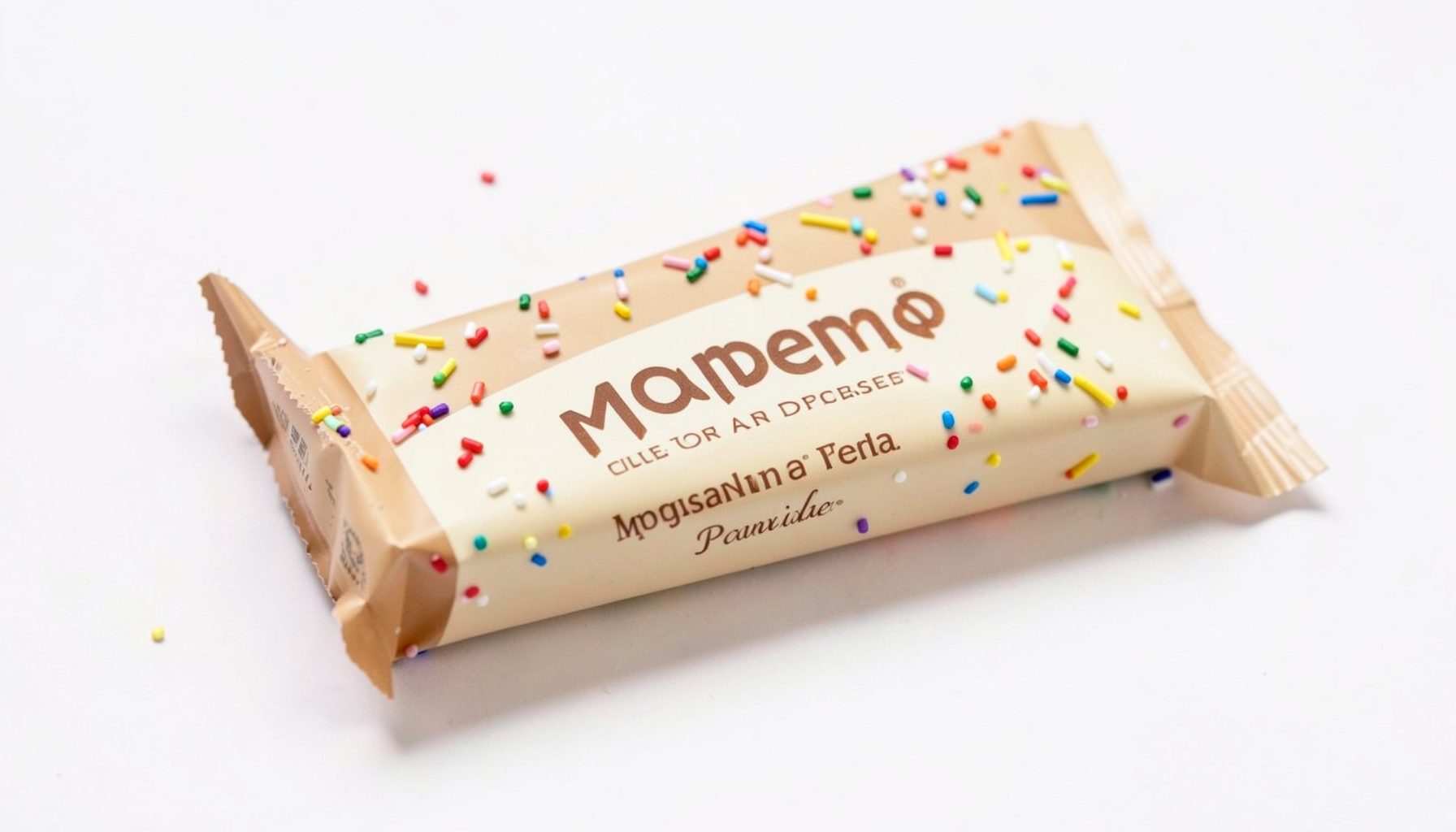
Birthday Cake
Celebratory flavor with a sweet, cake-inspired profile. Available in 1-pack and 10-pack.
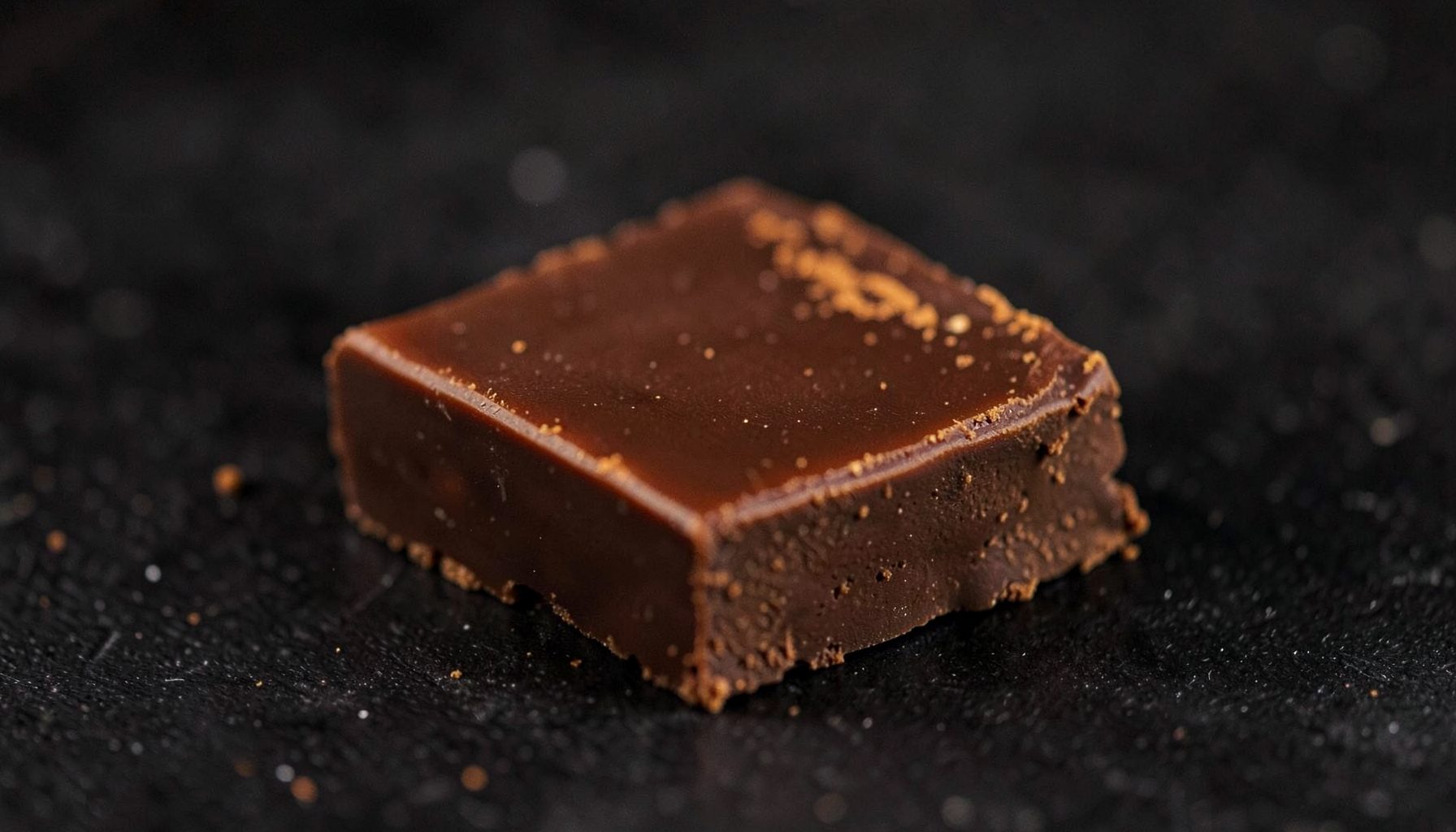
Cinnamon
Warm spiced chocolate with a smooth finish. Single bars and bulk packs available.
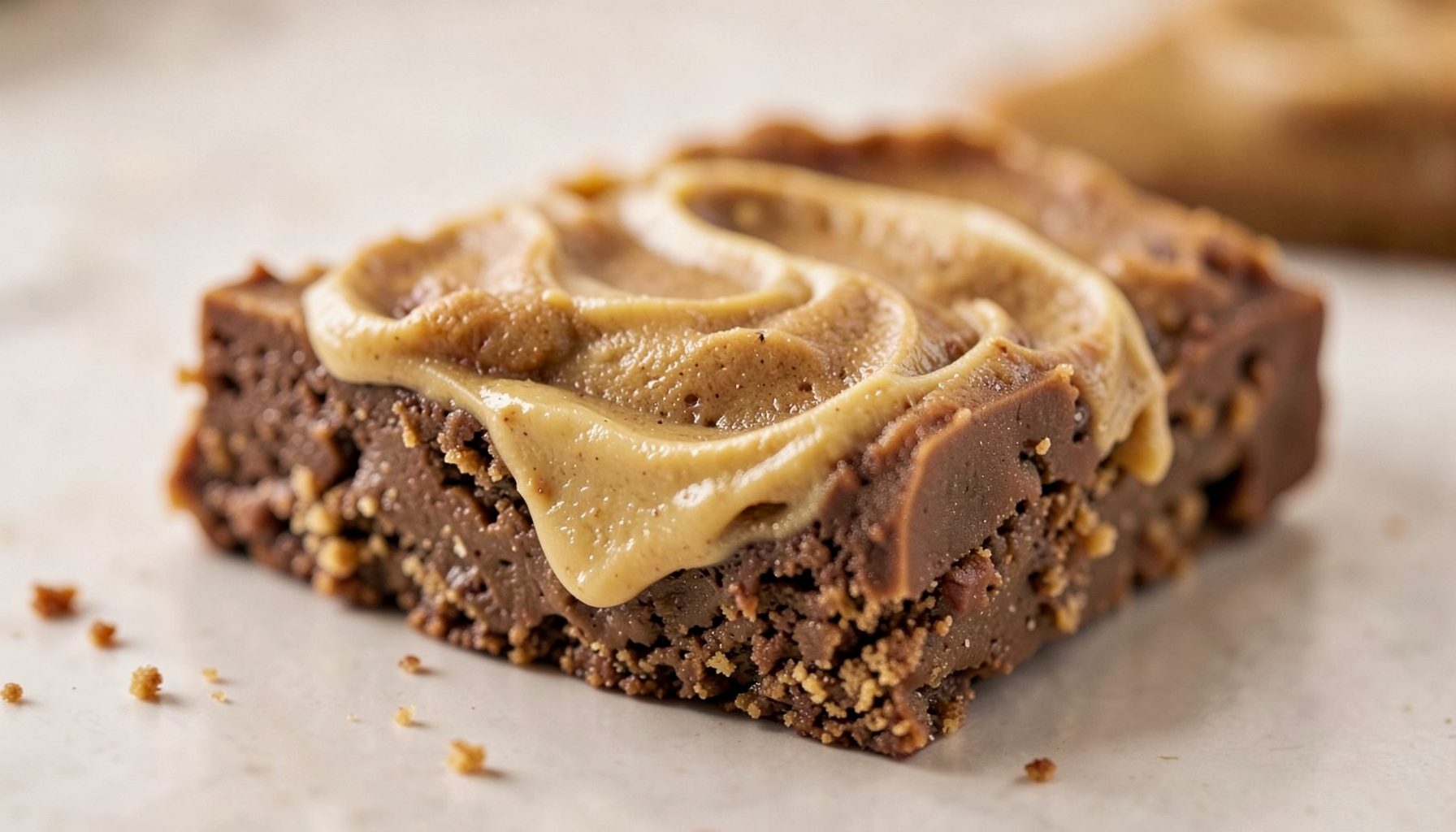
Cookie Butter
Rich, buttery cookie flavor in every bite. Offered in 1-pack and 10-pack options.
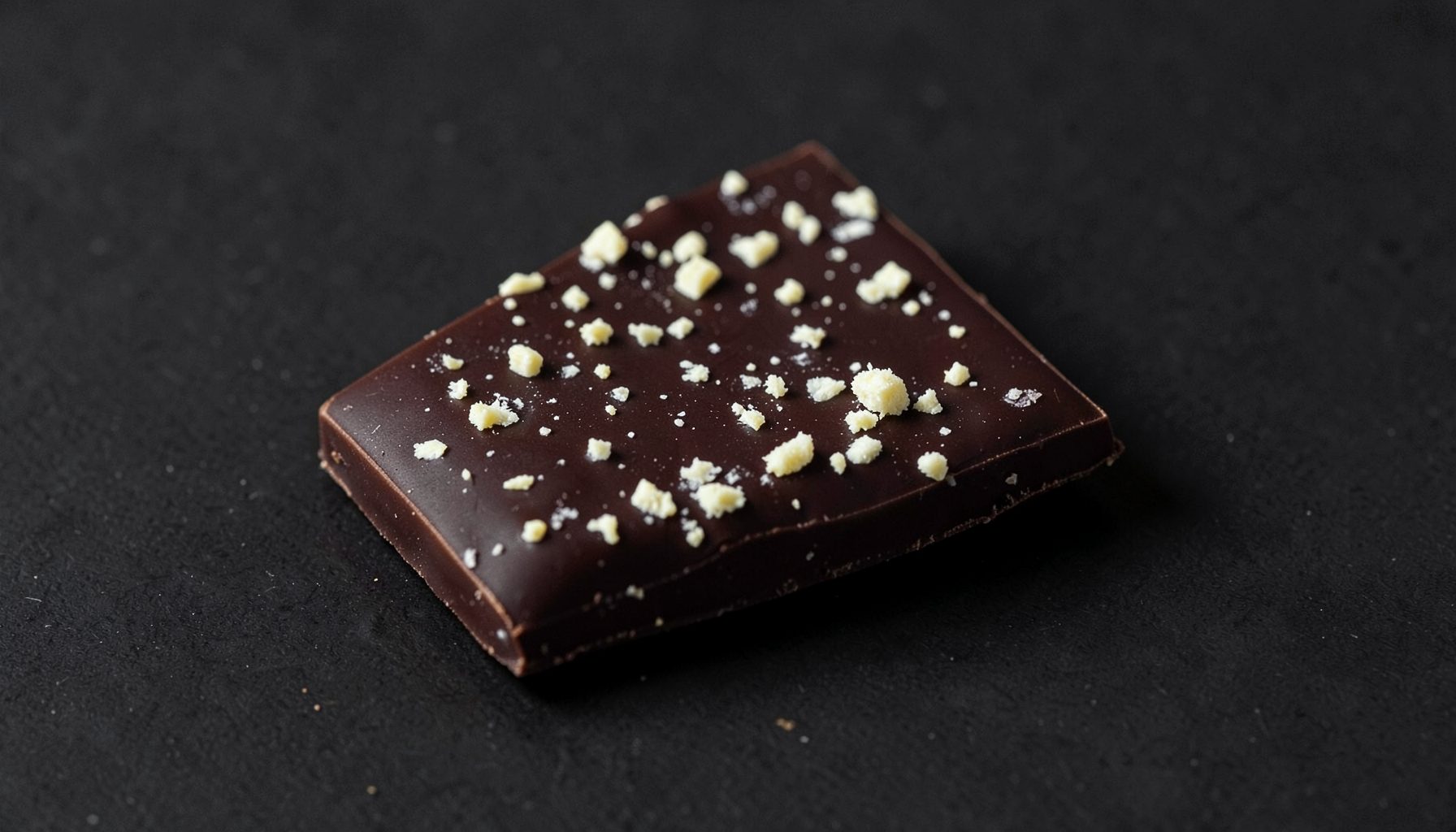
Cookies & Cream
Classic cookies-and-cream taste with a mushroom chocolate twist. 1-pack and 10-pack.
How We Grow And Harvest Mushrooms For Our Products
The character of a mushroom begins long before it becomes an ingredient in a chocolate bar, gummy, or cone. Cultivation influences aroma, texture, consistency, and the natural compounds found in the finished crop. For that reason, growing and harvesting are essential parts of our quality-focused approach.
Our process centers on careful sourcing, controlled conditions, and thoughtful handling from the first stage of mycelial growth through post-harvest preparation. Every step matters because a dependable product starts with dependable raw materials.
Mushrooms are living organisms with specific requirements for moisture, temperature, airflow, light, and nutrition. By respecting those requirements, growers can create a stable environment that supports healthy development and a more consistent ingredient profile.
Starting With The Right Mushroom Material
Cultivation begins with selecting suitable mushroom genetics and clean, viable culture material. Depending on the species, growers may begin with spores, liquid culture, or established mycelium. Mycelium is the network of fine threads that develops through a growing medium and eventually supports the formation of fruiting bodies.
Selection is guided by the intended use of the crop. Some mushrooms are valued for their earthy flavor, while others are chosen for their culinary qualities, naturally occurring compounds, or compatibility with an extract or infused formulation. Consistency is especially important when an ingredient will be used across multiple product batches.
A carefully chosen culture is only the starting point. It must be maintained under sanitary conditions and monitored for signs of contamination. Clean workspaces, sterilized equipment, and controlled handling help protect the growing medium and preserve the integrity of the crop.
Building A Healthy Growing Environment
Mushrooms do not grow in ordinary garden soil. Many species develop in a prepared substrate made from carefully selected organic materials that provide moisture, structure, and nutrients. The substrate is hydrated, conditioned, and treated to create an environment where beneficial mycelium can establish itself.
Once the culture is introduced, the growing medium is kept within a suitable temperature and humidity range. During colonization, mycelium gradually moves through the substrate. Growers watch for even development, unusual colors, unpleasant odors, or other changes that could indicate contamination.
Environmental controls may shift as the crop matures. Fresh air exchange, humidity, and light exposure can influence the transition from vegetative growth to fruiting. Rather than forcing rapid development, a measured cultivation schedule gives each variety time to progress through its natural growth stages.
From Mycelium To Mature Fruiting Bodies
When the substrate is fully colonized, conditions are adjusted to encourage fruiting. Small formations known as primordia begin to appear, eventually developing into recognizable mushroom caps and stems. The shape, color, density, and growth rate depend on the species and the environment in which it is cultivated.
This stage requires close observation. Excess moisture can encourage unwanted microbial growth, while insufficient humidity may cause fruiting bodies to dry out or develop unevenly. Adequate airflow is also important because mushrooms release carbon dioxide as they grow.
A controlled indoor setting can make it easier to maintain repeatable conditions than an exposed outdoor environment. It also allows growers to separate batches, record development, and respond quickly when a crop needs adjustment. These records support traceability and help identify patterns from one harvest to the next.
Harvesting At The Right Moment
Harvest timing affects both quality and usability. Mushrooms are generally collected when their fruiting bodies have reached the desired stage of maturity but remain in good condition. Depending on the variety, growers may look at cap shape, veil development, firmness, color, and overall structure.
Harvesting too early can produce underdeveloped material, while waiting too long may lead to softer texture, spore release, or reduced visual quality. Careful workers use clean tools and gentle techniques to minimize bruising and protect the crop during removal.
After collection, the mushrooms are sorted to remove damaged or unsuitable pieces. They may then be dried under controlled conditions to reduce moisture and help stabilize the ingredient for storage or further processing. Drying must be handled thoughtfully: excessive heat can affect quality, while residual moisture can shorten shelf life.
Protecting Quality After The Crop Is Collected
The harvested material is only one part of the finished product journey. Before mushrooms are incorporated into an infused formulation, they may be milled, extracted, blended, or otherwise prepared according to the product design. Each step should preserve consistency while supporting clear ingredient communication.
At Diamond Shruumz, our broader approach to product development includes attention to flavor, serving format, pack size, and ingredient transparency. Customers exploring our mushroom gummies can review the collection and see how cultivated mushroom ingredients fit into convenient consumer formats.
The following checkpoints illustrate how cultivation and post-harvest handling work together:
| Production Stage | Primary Focus | Quality Considerations |
|---|---|---|
| Culture selection | Choosing viable mushroom material | Identity, cleanliness, and consistency |
| Substrate preparation | Providing moisture and nutrition | Balanced hydration and sanitary handling |
| Colonization | Supporting healthy mycelial growth | Stable temperature and contamination monitoring |
| Fruiting | Encouraging mature mushroom development | Humidity, airflow, light, and growth timing |
| Harvesting | Collecting suitable fruiting bodies | Gentle handling, maturity, and sorting |
| Drying and storage | Protecting the harvested ingredient | Moisture control, packaging, and traceability |
| Product preparation | Creating the final infused format | Batch consistency and accurate labeling |
Traceability connects these checkpoints. Batch records can document when a crop was started, how it developed, when it was harvested, and how it was prepared. That information creates a clearer path from cultivation facility to finished product.
Transparency At Every Stage
Growing methods are part of a larger quality system. Responsible sourcing also involves understanding where materials come from, how they are handled, and whether suppliers can provide appropriate documentation. A reliable process depends on communication between cultivators, processors, manufacturers, and quality teams.
Ingredient transparency helps customers make informed choices. Product information should make clear what is included, how servings are defined, and what consumers can reasonably expect from a particular format. Mushroom-infused products can differ significantly in ingredients and intended experience, so labels and supporting information deserve careful attention.
Our brand story explains more about the values behind the collection, including the focus on product development and customer experience. Cultivation is one part of that story, alongside formulation, packaging, responsible presentation, and ongoing attention to quality.
What To Look For In A Mushroom Product
When comparing mushroom-based products, consider these practical indicators:
- Clear identification of the mushroom ingredients and other active components
- Straightforward serving guidance and pack-size information
- Accessible details about sourcing, processing, and batch consistency
- Packaging that protects the product from heat, light, moisture, and contamination
- A brand that communicates its quality practices without making unsupported promises
A thoughtful growing and harvesting process does not end when the mushrooms leave the cultivation room. Proper drying, storage, testing, formulation, and labeling all influence the final experience. The goal is a product that reflects care at every stage, from the first healthy growth of mycelium to the moment it is opened and enjoyed.
Explore the Diamond Shruumz collection to discover mushroom-infused formats, flavors, and product details shaped by a careful path from cultivation to finished confection.

Send Us a Message
Get in Touch
Have questions about our products or your order? Reach out and we'll get back to you.
- California, USA
- Contact Page