
California • Est. 2019
Premium mushroom chocolate bars, gummies, and cones crafted in California. Bold flavors, uncompromising quality, and a brand built from the ground up.
Explore the CollectionOur Collection
Shruumz Chocolates & Gummies
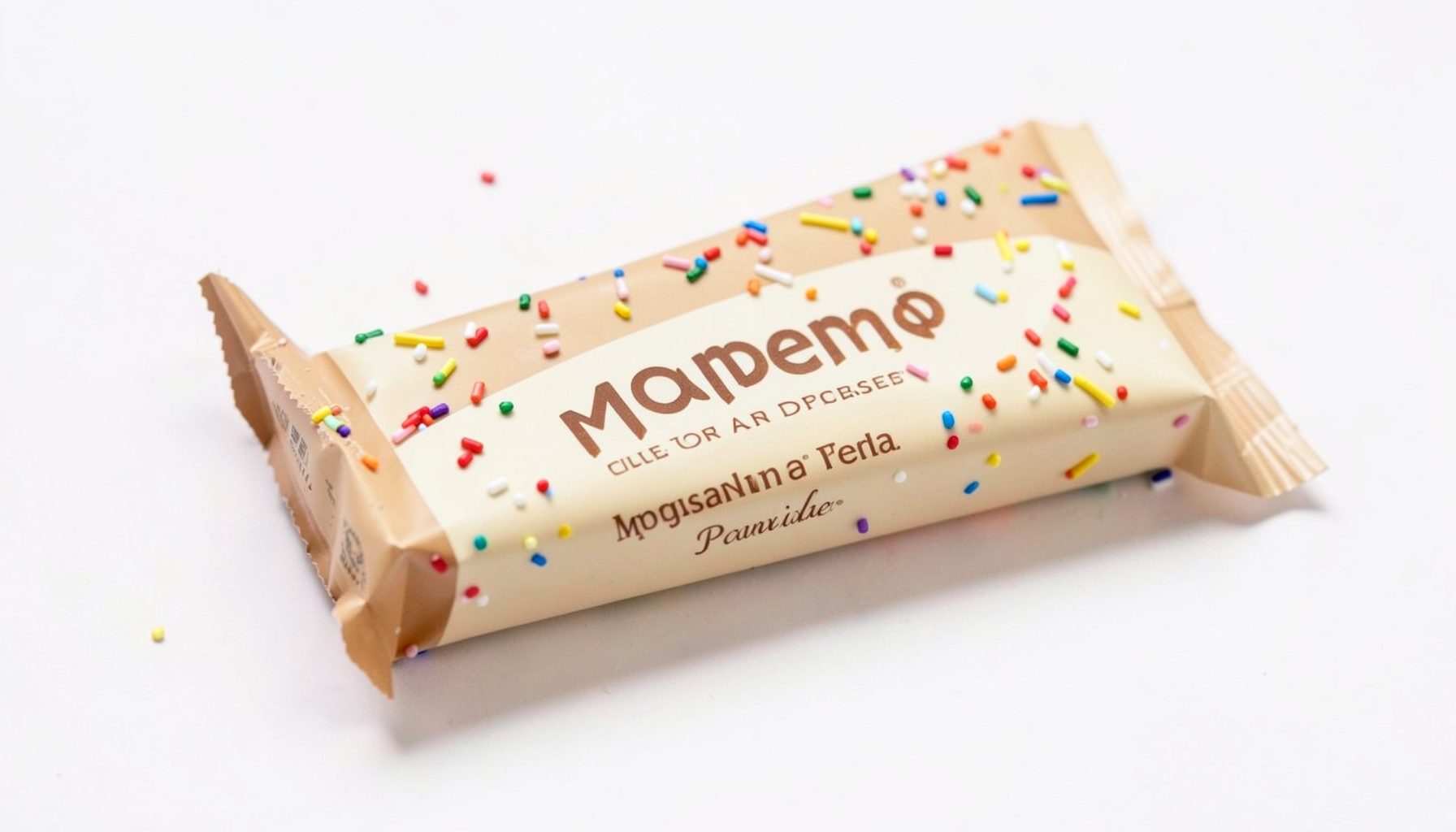
Birthday Cake
Celebratory flavor with a sweet, cake-inspired profile. Available in 1-pack and 10-pack.
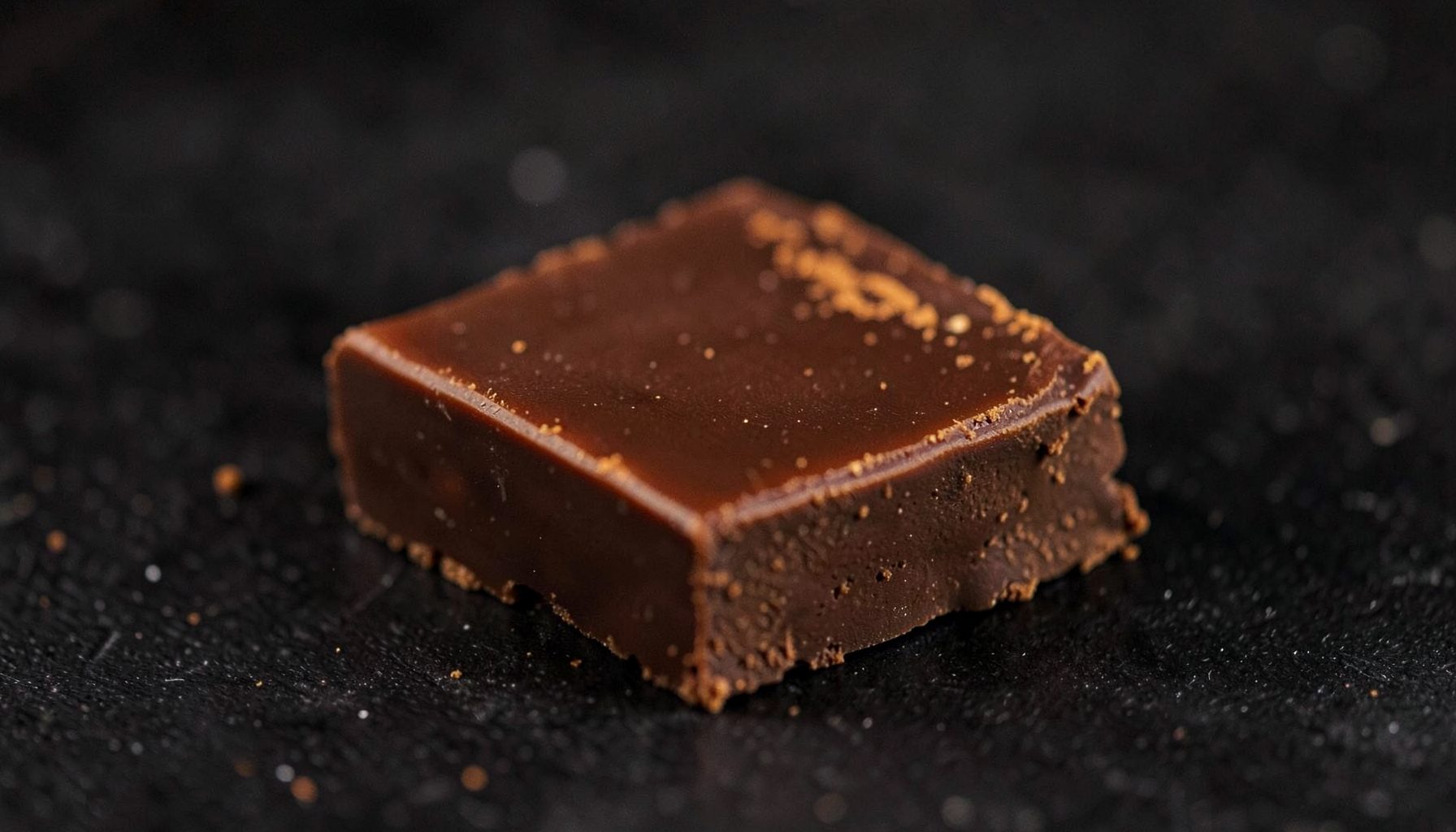
Cinnamon
Warm spiced chocolate with a smooth finish. Single bars and bulk packs available.
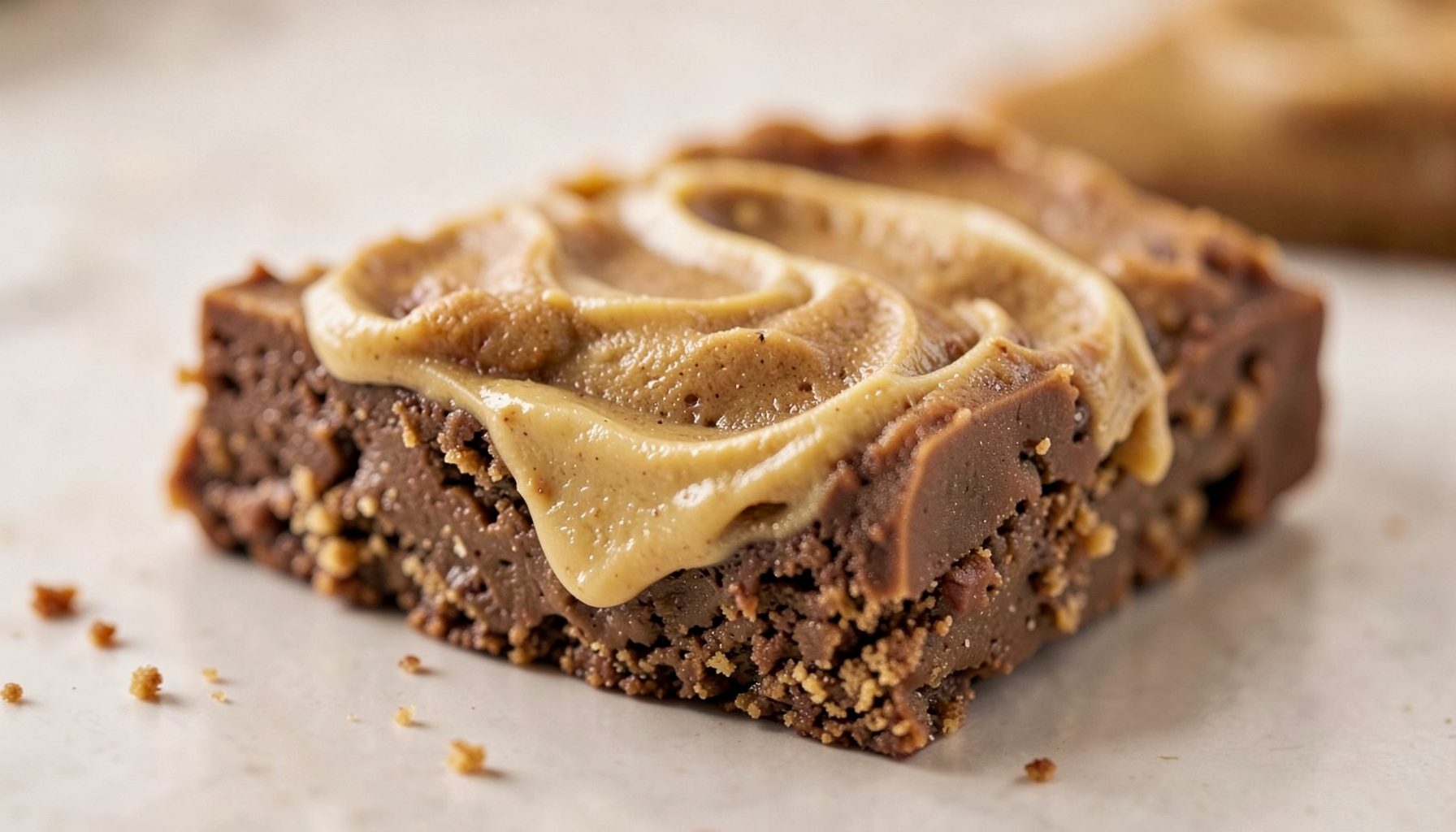
Cookie Butter
Rich, buttery cookie flavor in every bite. Offered in 1-pack and 10-pack options.
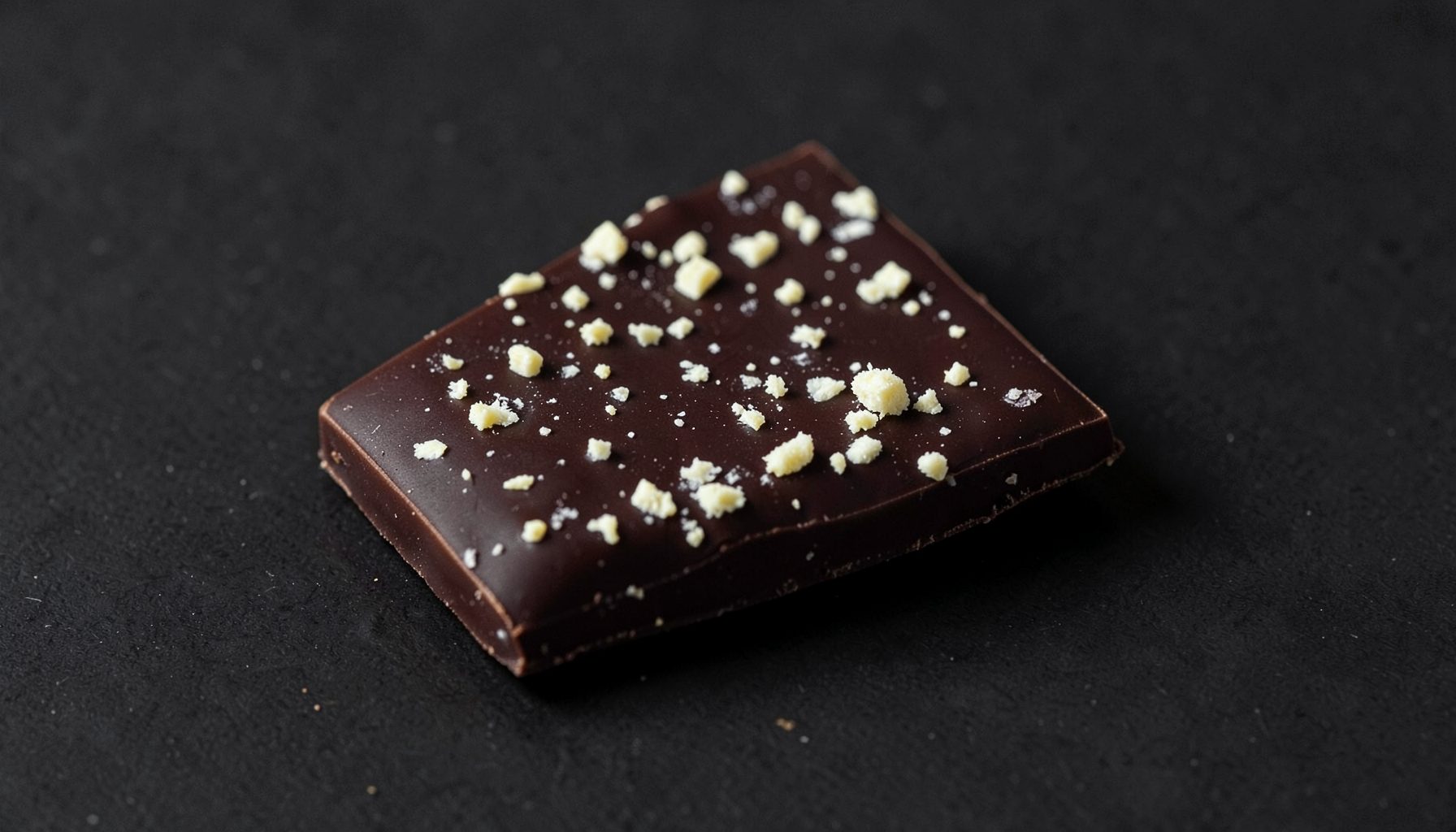
Cookies & Cream
Classic cookies-and-cream taste with a mushroom chocolate twist. 1-pack and 10-pack.
How Packaging Extends Shelf Life Without Preservatives
Freshness depends on more than the ingredients inside a product. For mushroom-infused chocolate bars, gummies, and cones, the wrapper, pouch, seal, and outer carton all help manage the conditions that gradually affect flavour, texture, aroma, and appearance. Thoughtful packaging creates a stable environment so the product can stay closer to its intended quality without relying on added preservatives.
That matters in Australia, where products may travel through warm distribution centres, spend time in delivery vans, or face humid conditions in Brisbane and coastal Queensland. A carefully designed pack helps protect each flavour during transport and storage, while clear handling guidance gives customers a practical way to preserve quality at home.
Keeping Moisture Under Control
Moisture is one of the main causes of quality loss in edible products. Gummies can become sticky when they absorb humidity, while chocolate may develop an uneven surface or lose its clean snap. Cones can soften, and small changes in water content may affect the way different ingredients feel when chewed or melted.
A high-barrier film or pouch helps limit the movement of water vapour through the packaging. Strong seals are just as important as the material itself because even a small opening can allow humid air inside. By reducing moisture exchange, the pack supports a more consistent texture from the time it leaves production until it reaches a customer’s pantry.
This is especially useful during an Australian summer. A parcel sent from Melbourne to Sydney may encounter several changes in temperature and humidity before delivery, while a product stored near a Queensland kitchen window may face much heavier moisture in the air. Packaging cannot stop poor storage completely, but it can create an important layer of protection.
Blocking Oxygen And Light
Oxygen slowly reacts with fats, flavour compounds, and other sensitive ingredients. Over time, exposure can dull aromas and contribute to stale notes. Chocolate is particularly vulnerable because its cocoa butter can absorb surrounding odours and respond to air and temperature fluctuations.
Opaque or low-transmission packaging reduces the amount of light reaching the product. This helps protect colour, flavour, and visual consistency, especially when packs are displayed on shelves or stored in bright rooms. A tight closure also limits oxygen exchange, preserving the internal atmosphere more effectively than a loose wrap or repeatedly opened container.
Packaging for a functional edible should therefore be treated as a barrier system rather than simple decoration. The outer design may communicate flavour and brand identity, but the inner layer does the technical work: slowing light, oxygen, odour, and humidity from reaching the contents.
Protecting Different Product Formats
Every format has its own shelf-life considerations. A chocolate bar benefits from a wrapper that limits heat, light, and odour exposure. Gummies need protection from humidity and sticking, while cones require physical support so they do not crack or collapse during handling. One universal pack design would rarely provide the best solution for all three.
Portion control can also support freshness. Individually wrapped pieces or well-sealed smaller packs expose less product to the atmosphere each time a serving is removed. Customers do not need to open the entire collection at once, which helps retain the original texture and aroma of the remaining pieces.
The ingredient profile matters as well. Readers comparing formats can explore gummies and edibles to understand why texture, serving style, and packaging needs may differ between products. Good packaging complements the recipe rather than attempting to compensate for an unsuitable formulation.
Heat Protection For Australian Storage
Temperature is a major factor in the condition of chocolate-based products. Warm conditions can soften chocolate, encourage fat or sugar bloom, and affect the appearance of a bar even when the product remains safe to consume. Cones may also lose their shape when exposed to heat during transport or storage.
A protective pack can slow rapid temperature changes by adding layers between the product and the outside environment. It may also reduce contact with air and sunlight while the product is moved through warehouses, retail shelves, and courier networks. This buffering effect is valuable, but it is not a substitute for cool, dry storage.
For Australian customers, a cupboard away from the oven, direct sun, and bathroom humidity is generally a better choice than a windowsill or car glovebox. During a hot Perth afternoon or a humid summer in Sydney, products should not be left in a parked vehicle. Refrigeration may create condensation when the pack is opened, so the storage directions on the product should take priority.
Seals, Materials, And Responsible Use
Shelf life depends on the complete package: material selection, seal strength, pack size, closure design, and how often it is opened. A resealable pouch can help after first use, while tamper-evident features provide evidence that the product has not been opened during transit. Strong construction also reduces crushing and punctures that could compromise the barrier.
Clear labelling supports the same goal. A best-before date, batch information, ingredient list, serving guidance, and storage instructions help customers make informed decisions. For the Australian market, packaging and product claims should also be considered alongside applicable Australian requirements, including expectations around food information, therapeutic claims, and novel ingredients. Availability and legality can vary, so customers should check current local rules before purchasing or carrying mushroom-infused products across borders.
The Diamond Shruumz collection brings together different formats and flavours, but each product still benefits from careful handling after delivery. Keep sealed packs in their original packaging, close them promptly after opening, and store them somewhere cool, dry, and inaccessible to children and pets. Packaging extends freshness by controlling the environment; it cannot reverse deterioration caused by heat, moisture, contamination, or time beyond the stated date.
Before opening the next pack, check its seal and best-before information, then place it immediately in a cool, dry cupboard away from sunlight and heat.

Send Us a Message
Get in Touch
Have questions about our products or your order? Reach out and we'll get back to you.
- California, USA
- Contact Page