
California • Est. 2019
Premium mushroom chocolate bars, gummies, and cones crafted in California. Bold flavors, uncompromising quality, and a brand built from the ground up.
Explore the CollectionOur Collection
Shruumz Chocolates & Gummies
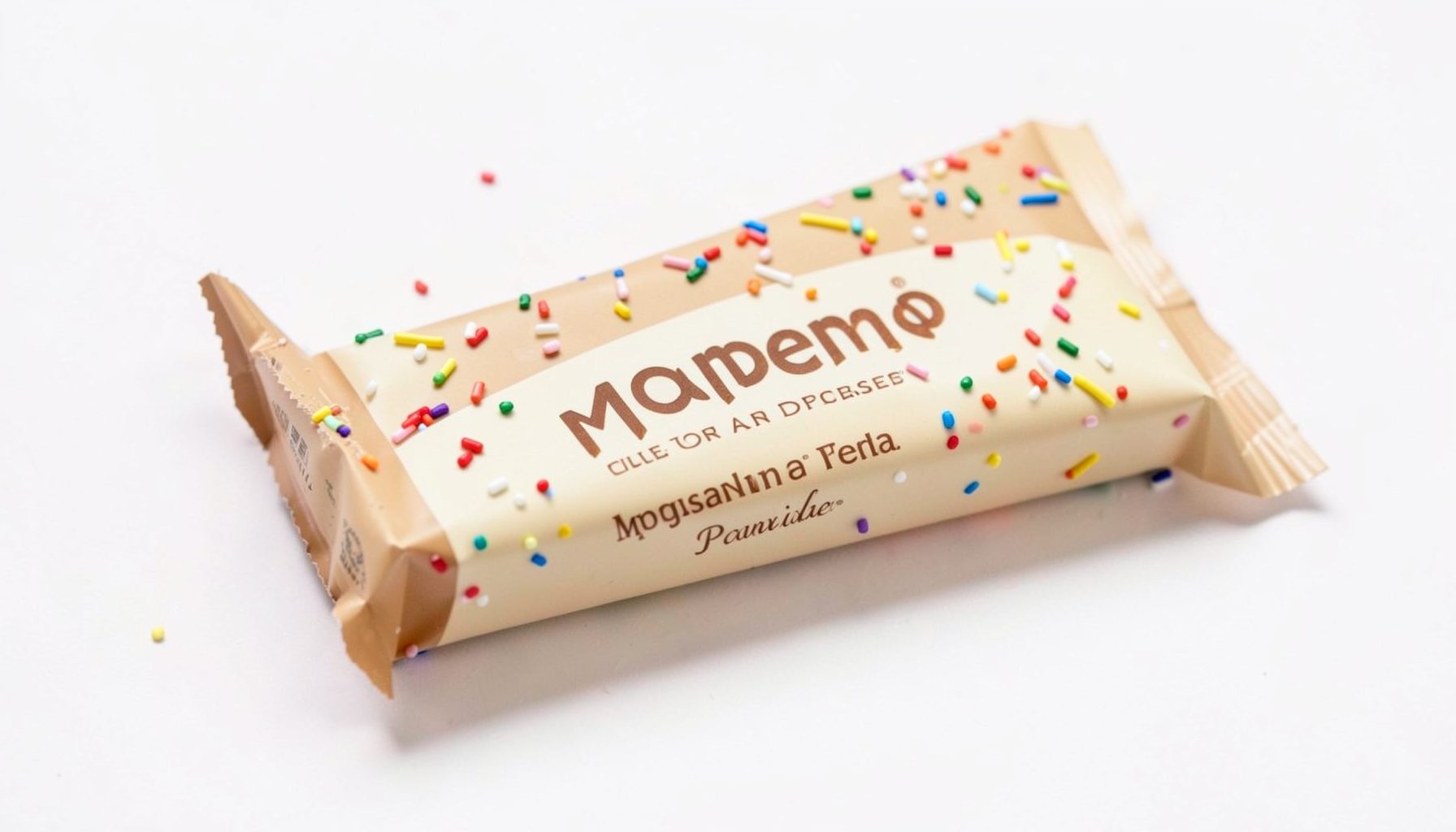
Birthday Cake
Celebratory flavor with a sweet, cake-inspired profile. Available in 1-pack and 10-pack.
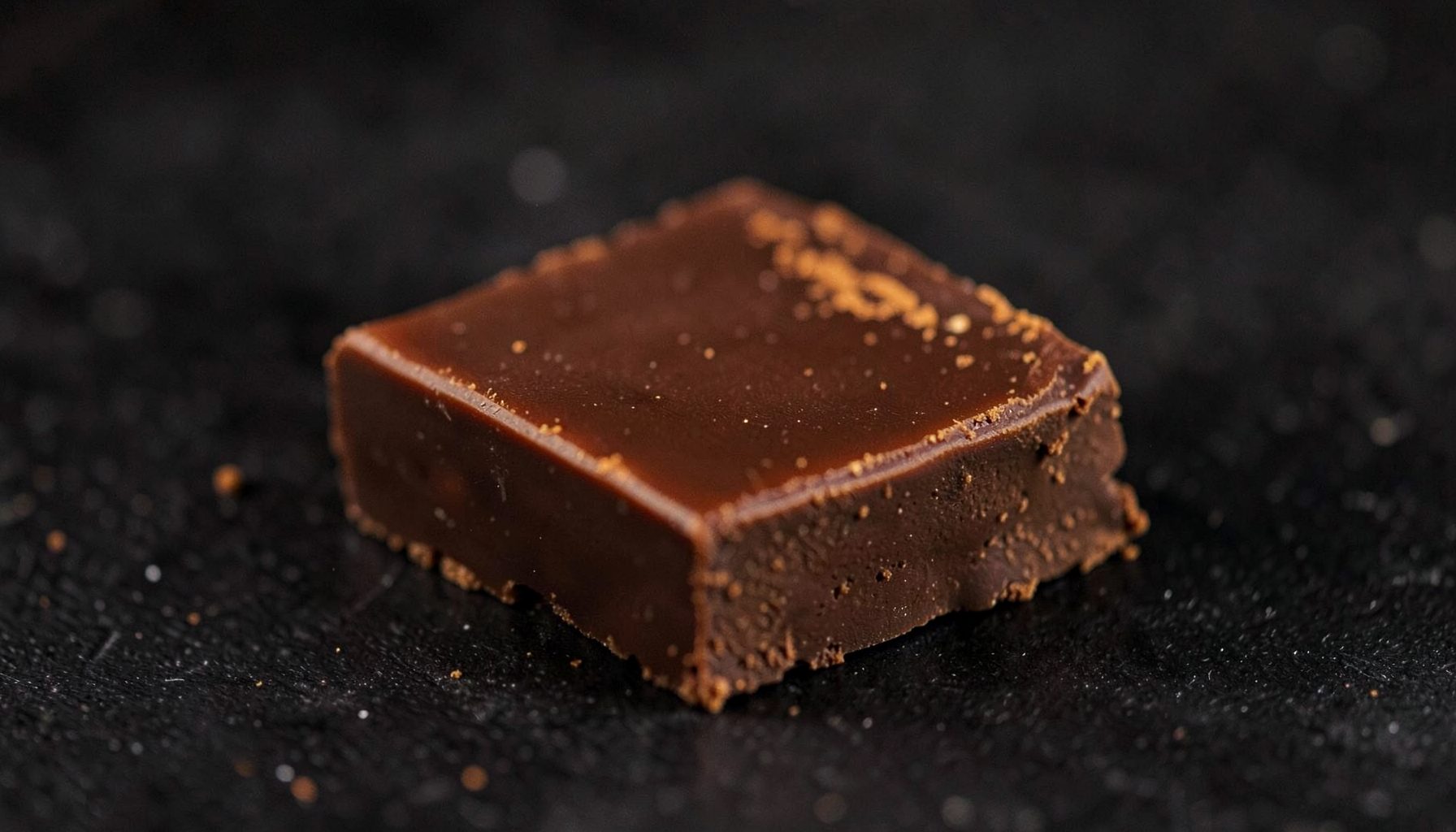
Cinnamon
Warm spiced chocolate with a smooth finish. Single bars and bulk packs available.
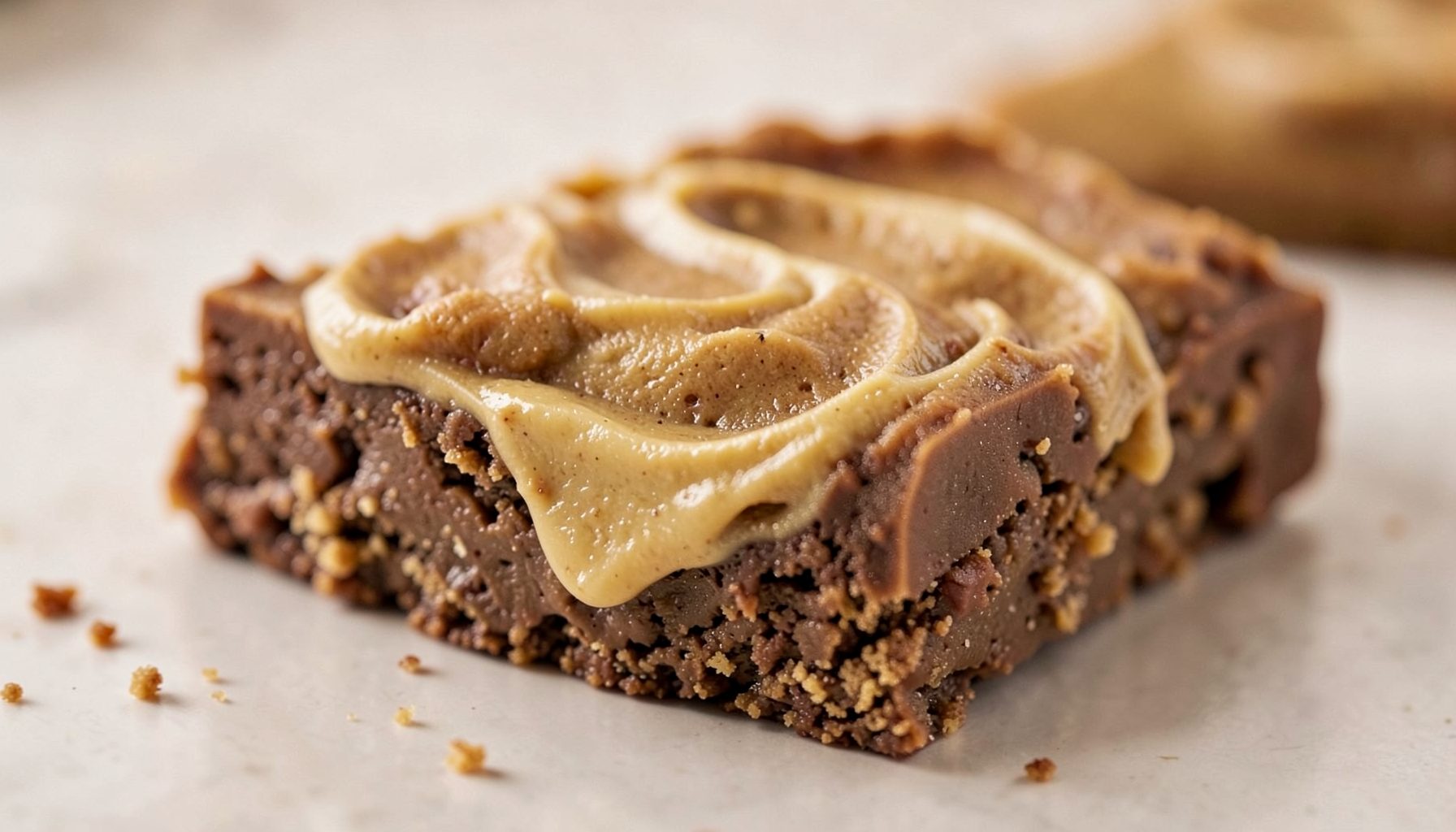
Cookie Butter
Rich, buttery cookie flavor in every bite. Offered in 1-pack and 10-pack options.
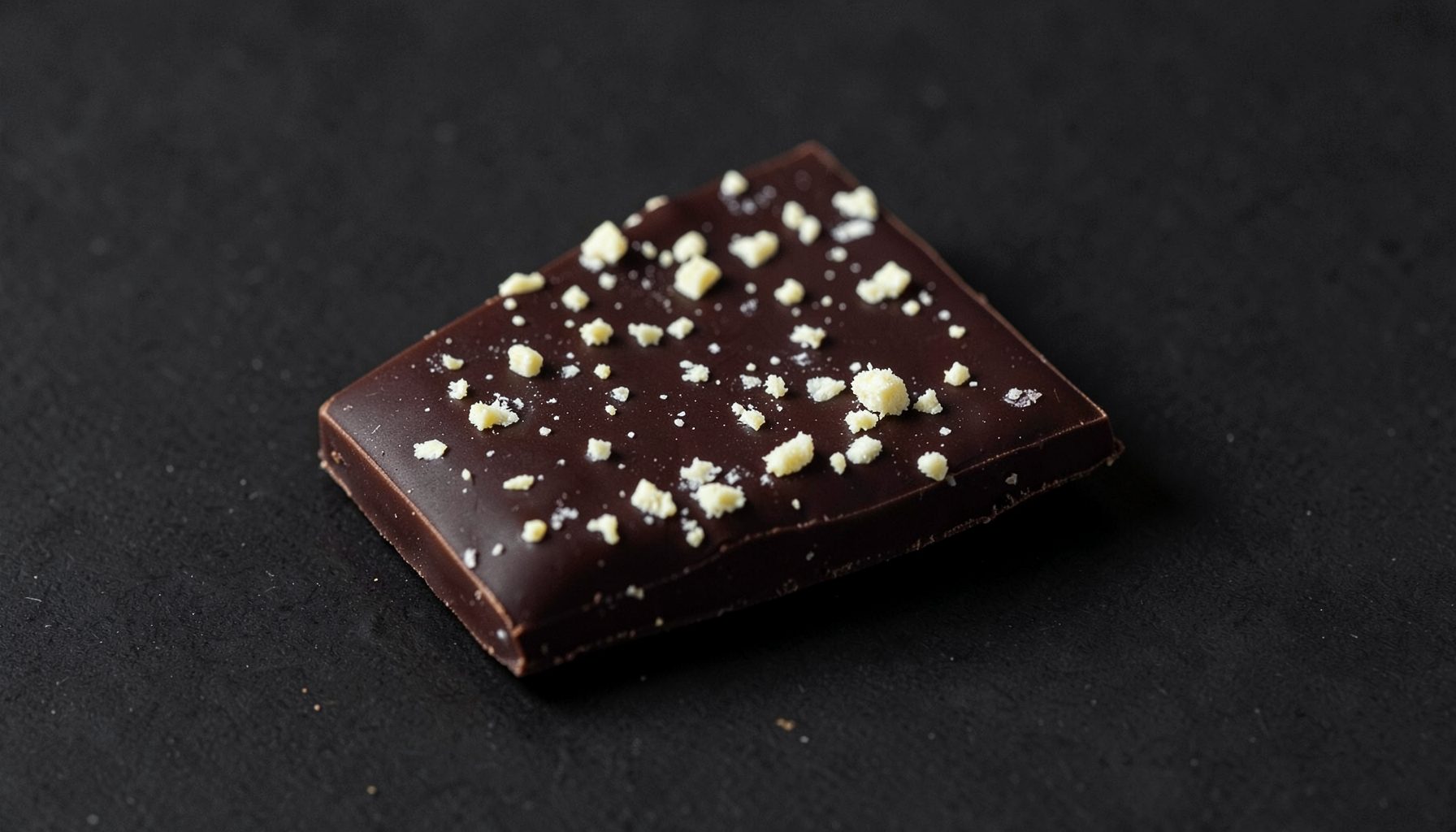
Cookies & Cream
Classic cookies-and-cream taste with a mushroom chocolate twist. 1-pack and 10-pack.
How our team creates seasonal flavors like pumpkin spice
Pumpkin spice is a deceptively layered flavour: warm spice, sweet baking notes, vanilla and a baked-goods character have to arrive together without making the chocolate taste like a kitchen cupboard. At Diamond Shruumz, the California-based brand develops a collection of more than 20 flavours across bars, gummies and cones, so a seasonal idea must work as both a flavour and a functioning product. Learn more about Contact.
For Australian shoppers, the seasonal calendar adds another wrinkle. Australia’s autumn runs from March to May, while Halloween arrives on 31 October and Christmas falls in summer. Pumpkin-spice products therefore need to feel right for cool evenings in Melbourne and Sydney, late-afternoon energy in Brisbane and the browsing habits of a market accustomed to seasonal displays in supermarkets and online stores.
Starting with the right flavour brief
We begin with a sensory brief, not a shopping list of spices. The team defines the expected aroma, sweetness, spice intensity and finish, then identifies which qualities should lead and which should remain in the background. The resulting profile can be tasted clearly while still leaving room for the chocolate, gummy or cone format to speak.
Seasonality is then adapted to the audience. The familiar pumpkin-and-spice combination is associated with autumn in North America, but Australians often encounter it around Halloween, often alongside coffee, sweets and novelty treats. The team considers that context so the flavour feels recognisable without relying on imported seasonal imagery or language.
The brief also sets non-negotiable limits: the mushroom infusion should remain identifiable, every declared ingredient should have a purpose, and the formula must suit the chosen pack size. It is then checked against applicable Australian ingredient, allergen and labelling requirements before the first trial is approved.
Building the pumpkin-spice profile
The profile is built in layers. Baked spice notes can come from a carefully balanced blend of cinnamon, ginger, clove and warm aromatic spices, while vanilla and a rounded sweetness support them. Pumpkin character may be suggested through aroma and colour, but every component has to hold its own after mixing with cacao or a gummy base.
Small test batches help the team tune the balance. Too much clove can make the bar medicinal, while heavy cinnamon can flatten the softer baking notes. Sweetness is adjusted to the format rather than copied wholesale: a rich chocolate bar needs a different buffer from a chewy gummy, and a cone needs enough stability to deliver the same aroma on the first bite.
Once the seasoning works on its own, it is paired with the chocolate or confectionery base. The developers compare aroma at opening, flavour through the centre and lingering finish. This step prevents a striking scent from hiding a weak taste and ensures the seasonal profile remains coherent across bars, gummies and cones.
Matching flavour with mushroom infusion
Mushroom and pumpkin spice bring very different sensory signals, so the blend is matched to the brief rather than simply added at the end. The team evaluates how the selected mushrooms express themselves in each base, checking that earthy, woody or gently bitter notes complement the warm spice instead of competing with it.
Dosing is considered by batch and format. The amount must make sense for the product’s serving size, remain consistent between production runs and be easy to communicate on the label. Sourcing records and ingredient names are reviewed before the mushroom blend enters production, helping the team maintain a clear connection between the raw material and the finished product.
Clear information matters because people respond differently to different products and formats. Copy can describe flavour and customer-reported experiences without presenting a guaranteed wellness or recreational effect. Questions about ingredients, sourcing or a particular product can be directed through our contact details, where the team can provide relevant information rather than leaving shoppers to infer it from the front of the pack.
Testing texture, aroma and stability
Each trial batch moves through sensory and quality checks. The team looks for colour consistency, clean snap or chew, even flavour distribution and a finish that does not become harsh. Samples are also checked against their intended use, including whether an aroma remains present after the product has cooled or rested.
Stability is especially important in Australia, where a bar can travel through warm warehouses or a delivery van before reaching a customer. Conditions can differ sharply between Melbourne’s changeable weather and Brisbane’s humid summers, so protective packaging, sealing and storage guidance are part of flavour development rather than afterthoughts.
For anyone taking home a bar, our practical storage guide explains how to keep it cool, dark and sealed. Following sensible handling helps preserve the chocolate’s texture and the aroma of its mushrooms and seasonal spices for longer.
Shaping the product for Australian shelves
The Australian market includes supermarkets such as Coles and Woolworths, specialist food and wellness retailers, convenience stores and direct-to-consumer sites. Each route has different expectations for pack size, price and presentation, so the team must decide whether a seasonal flavour is best suited to a single bar, a multi-pack or a wider assortment available online.
Metric details are part of that planning. Net weight is expressed in grams, serving information and storage temperatures use Celsius, and chocolate bars must be described clearly enough for comparison with other confectionery. A compact imported-looking pack will feel less useful if the quantity inside is vague or the product cannot be stored easily in Australian conditions.
Everyday language matters too. The shorthand choc bar sounds natural in Australian conversation, and familiar references such as afternoon tea can frame the flavour without sounding imported. The copy can pair pumpkin spice with coffee, biscuits or a relaxed arvo break while remaining precise about ingredients, dosage and intended use.
Finishing, packing and learning from feedback
Before release, the final formula is checked for manufacturing consistency, weight, appearance, packaging integrity and label accuracy. Production records connect the approved flavour brief to the finished batch, which helps the team reproduce a good result and investigate anything that changes unexpectedly. This discipline turns a promising test into a product shoppers can buy with confidence.
Customer feedback then becomes part of the seasonal review. Reviews may describe aroma, taste, texture and personal wellness or recreational experiences, but those reports are not guarantees. The team uses recurring observations to refine sweetness, spice balance or packaging while keeping factual claims separate from individual reactions.
Launch planning also considers stock and storage. Seasonal demand can rise quickly around Halloween, while distribution across the country requires dependable packing and realistic inventory. Once the run is complete, the team compares production notes, customer comments and sales performance to decide whether the flavour returns, changes or gives way to another seasonal idea.
The pumpkin-spice process is ultimately a series of controlled translations: a flavour brief becomes a spice balance, the balance is adapted to each base, and the result is tested for aroma, texture, stability and clear labelling. The mushroom infusion is not decoration; it is part of the product’s identity and deserves careful dosing and sourcing.
For an Australian shopper, the practical takeaway is simple: check the ingredient list and stated amount, match the format to how you plan to enjoy it, and store the product as directed. Choosing a cool, dark place and checking the bar before use helps protect both the cacao texture and the seasonal aroma.

Send Us a Message
Get in Touch
Have questions about our products or your order? Reach out and we'll get back to you.
- California, USA
- Contact Page