
California • Est. 2019
Premium mushroom chocolate bars, gummies, and cones crafted in California. Bold flavors, uncompromising quality, and a brand built from the ground up.
Explore the CollectionOur Collection
Shruumz Chocolates & Gummies
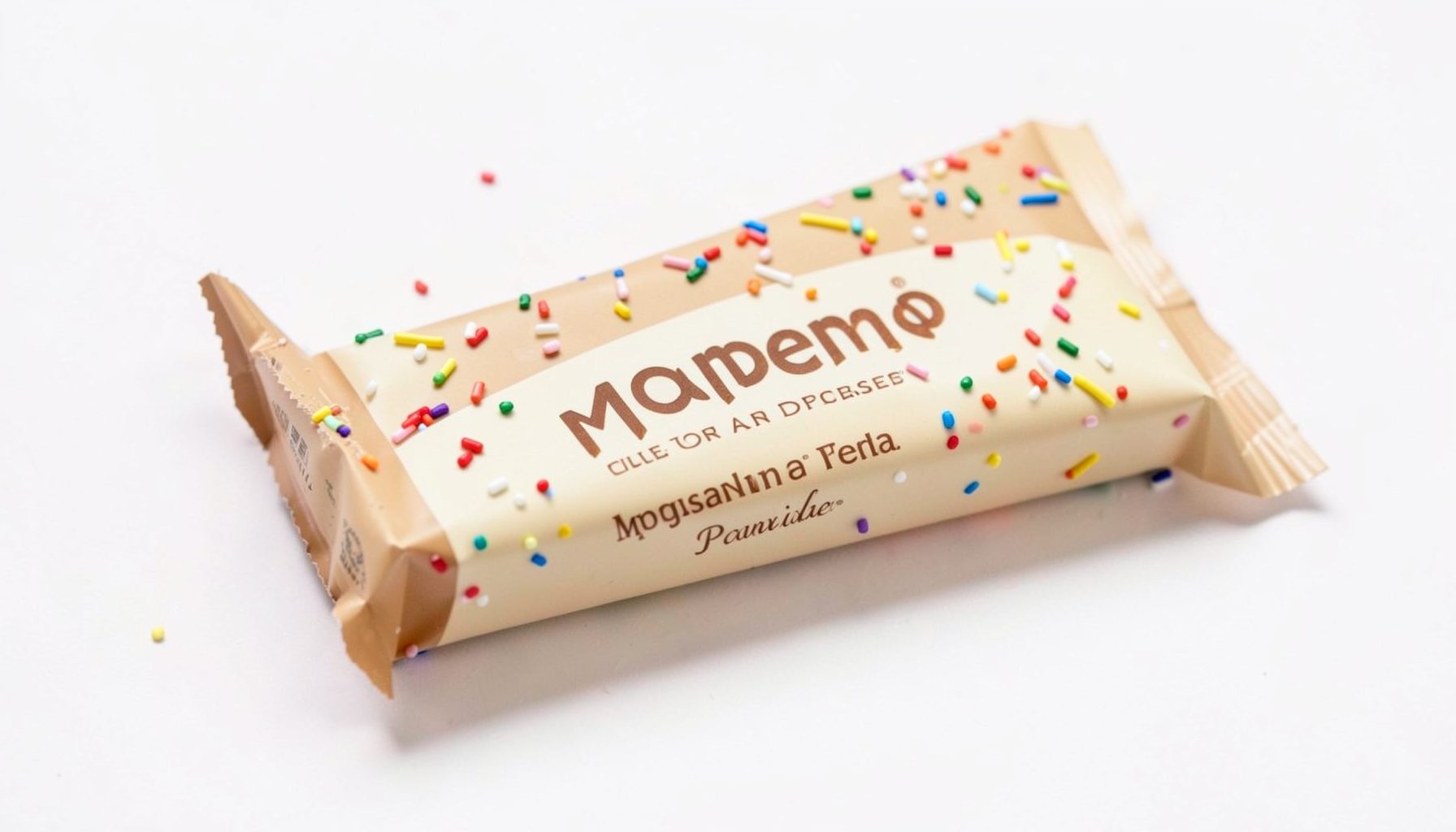
Birthday Cake
Celebratory flavor with a sweet, cake-inspired profile. Available in 1-pack and 10-pack.

Cinnamon
Warm spiced chocolate with a smooth finish. Single bars and bulk packs available.
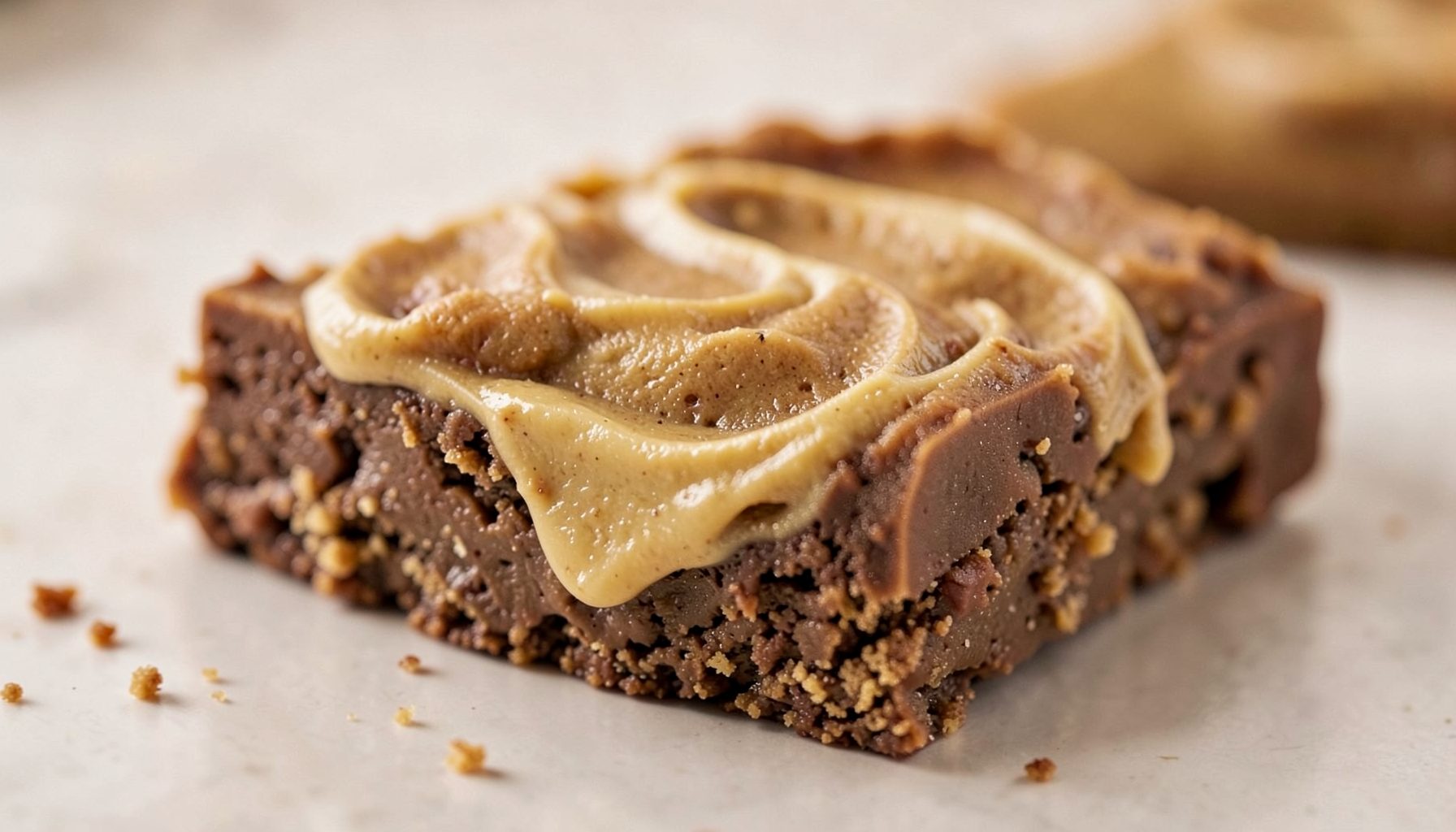
Cookie Butter
Rich, buttery cookie flavor in every bite. Offered in 1-pack and 10-pack options.
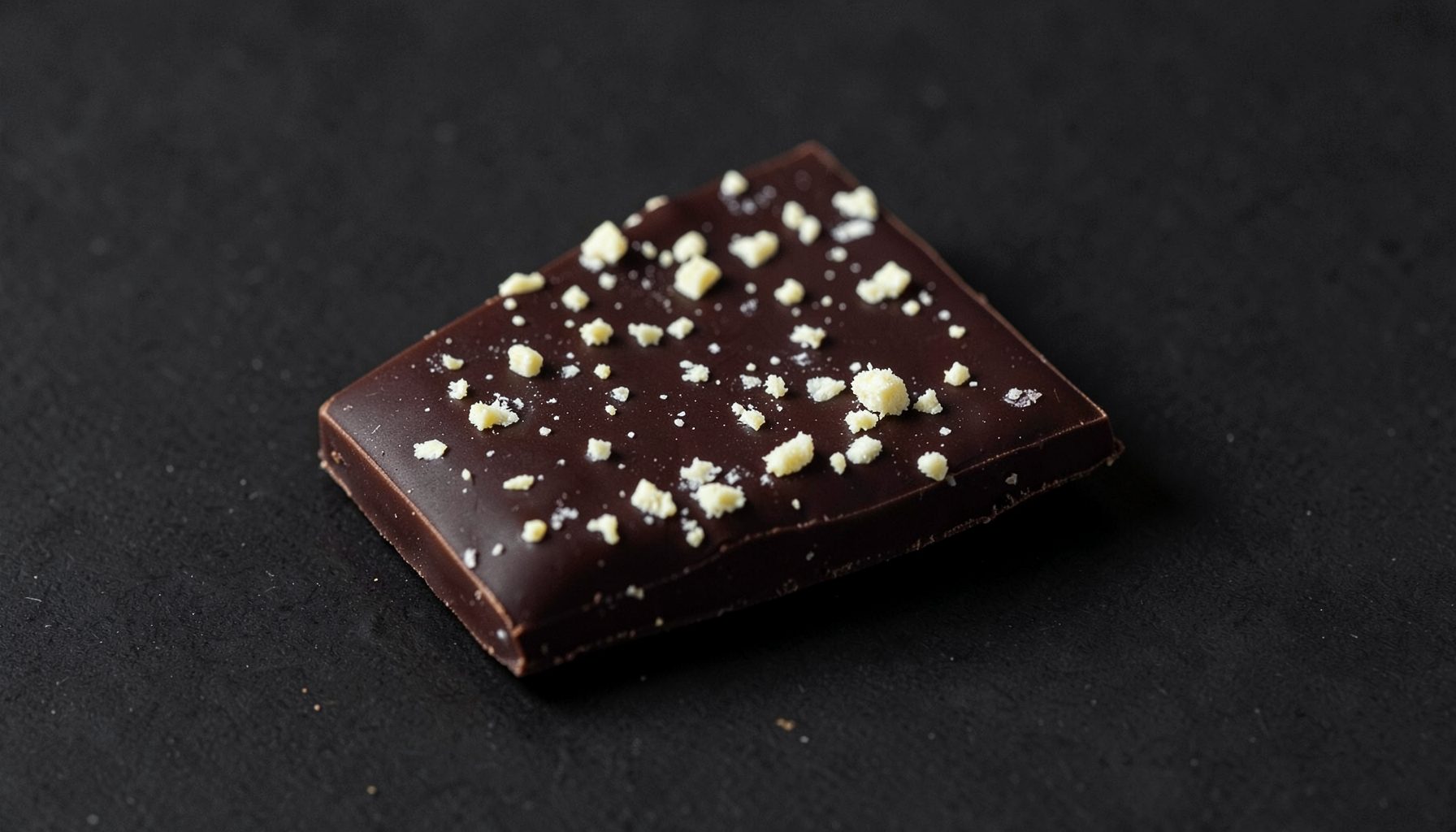
Cookies & Cream
Classic cookies-and-cream taste with a mushroom chocolate twist. 1-pack and 10-pack.
A practical guide to mushroom dosage and tolerance
Edible mushroom products are easy to underestimate because a square of chocolate or a small gummy can look like a single treat. How to adjust your dosage based on your tolerance level should be based on the labelled serving, the ingredients and your previous response, rather than on the number of pieces already consumed. Tolerance is substance-specific, so experience with one mushroom product does not automatically prepare you for another.
Begin with a product whose label states the amount per serving, suggested use and maximum daily amount. Record the time, food in your stomach, other substances and the effects you notice. Keep that record when you change a flavour or format because a bar, gummy and cone can deliver ingredients in different ways even when they share a brand. A flavour name is not a dose, and a calm setting can make a strong serving feel much more manageable.
Start with a known baseline
Classify tolerance using previous labelled experiences, not assumptions about body size or the word “strong.” Someone with no prior use has a low baseline; someone who has tolerated a particular product without unwanted effects may have moderate tolerance; regular use of the same active ingredient may produce higher tolerance. These categories are only guides. Metabolism, sleep, stress, meals, medications and the active compounds themselves can change the response from one occasion to the next.
Read the full label before deciding that a serving needs to change. Some products specify a fixed portion; others provide a range. Do not calculate a dose from total pack weight, and do not assume a gummy contains a uniform amount that can be judged by eye. Keep the packaging for later reference, especially if the serving is divided, and check whether the manufacturer permits splitting a bar or gummy.
The Diamond Shruumz brand background is useful because it places its bars, gummies and cones in the context of its ingredient, dosing and quality approach. The range covers more than 20 flavours, which makes consistency of serving—not preference for a particular flavour—the useful baseline. A familiar product can make changes easier to assess, but switching formats at the same time removes that comparison. Treat customer stories as anecdotes rather than dose instructions.
Match the serving to your tolerance
At a low tolerance, use the smallest serving clearly permitted on the label and take nothing else with a similar effect. Wait for the timing stated on the label, which may be a substantial window, before considering another serving because some mushroom effects take hours to develop. If the label offers no timing or portion guidance, do not improvise; choose a product with clearer directions or ask a pharmacist or qualified health professional.
At moderate tolerance, the standard labelled serving may be appropriate, particularly with a familiar product. The goal is not to maximise intensity but to maintain a predictable response. Do not combine separate bars, gummies and cones simply because each is sold as a single serving, and avoid stacking them with alcohol, cannabis or other products that can affect balance, judgement or heart rate.
A higher tolerance should not trigger an automatic increase. The product may already be near its labelled maximum, and tolerance to one ingredient may not apply to another. If a stronger response is genuinely desired, make one deliberate, modest change after a break rather than adding several pieces at once. Portion visibility matters too: a mushroom chocolate bar can be easier to divide than a loose gummy, but only split a serving when the maker says that is appropriate.
Change one variable at a time
A simple log turns guesswork into useful information. Note the product, flavour, amount, time, what you ate, other substances, onset, peak effects, unwanted effects and sleep. Rate changes on a simple scale rather than relying on dramatic labels such as “magical” or “intense.” Over several ordinary days, patterns may show that a standard serving feels too strong during a stressful week even though it was suitable at another time.
When adjusting, hold everything else steady. Change either the amount or the timing, never both; otherwise, there is no way to tell which change helped. Taking a break can lower tolerance for the affected substance, but there is no universal reset period. A day or two may reveal a difference for one person and nothing for another, so use the same product, same labelled serving and same routine when testing again.
Labels remain product-specific, even across brands with similar positioning. When comparing another range, follow the serving directions supplied with AspeTh products rather than transferring a number from a Diamond Shruumz bar or gummy. More importantly, count the total amount of each active ingredient across the day rather than merely the number of products. Two products with different mushroom blends are not automatically equivalent.
Plan for Australian settings and laws
A practical plan must fit the day, not the other way around. In Sydney, Melbourne, Brisbane and other growing cities, an early train, a long shift, childcare or driving can turn mild effects into a safety problem. Avoid using an edible before commuting, cycling, working at height or caring for children, and choose a period when you can remain at home with water and familiar people. Keep effects away from roads even if the product is sold for wellness rather than intoxication.
Australian buyers can encounter mushroom products in pharmacies, health-food stores, supermarket wellness aisles and online marketplaces. Check the displayed Australian Register of Therapeutic Goods entry and any AUST L or AUST R number, but do not treat that as permission to possess every type of mushroom. Across Australia, psilocybin mushrooms and certain preparations are prohibited or tightly restricted under state and territory poisons laws. An overseas brand’s website, a “wellness” claim or an Australian seller’s description does not override those rules.
At a BYO gathering, a birthday dinner or a wedding, keep quantities and ingredients visible to the host. Serve an edible in its original packaging with the label beside it, and make a non-food gift unmistakable: the groom and groomsmen could receive custom leather cufflinks, for example, while any edible treats remain in clearly identified containers. Do not serve a home-prepared portion to someone who has not consented, and never mix an edible into communal food where its presence cannot be disclosed.
Keep a steady baseline
Do not use these products if you are pregnant or breastfeeding, under 18, driving, or if a health condition or medication makes the effects unsafe. Speak with a doctor or pharmacist before use where relevant, especially if you take medicines that affect the nervous system, heart rate or mood. Keep products out of reach of children and follow the storage directions; Australian summer heat can damage gummies or chocolate even when the carton looks sealed.
Stop taking more if unusual anxiety, agitation, confusion, dizziness, nausea or palpitations develops. Stay with a sober person in a quiet setting and do not respond by redosing. Call 000 for severe agitation, chest pain, a seizure, loss of consciousness or breathing difficulty. For an accidental ingestion or uncertain reaction, Poison Information Centre on 13 11 26 can provide immediate guidance; healthdirect on 1800 022 222 can assist with non-emergency health questions.
What should remain is a controlled method: know the ingredients, respect the labelled serving, wait rather than redose, and adjust one variable only after observing your own response. A lower or unchanged serving with more accurate information is a better adjustment than a larger amount with more uncertainty. Keep the same baseline product whenever possible, revisit your notes before changing anything, and let safety, legality and predictable effects guide the decision.

Send Us a Message
Get in Touch
Have questions about our products or your order? Reach out and we'll get back to you.
- California, USA
- Contact Page