
California • Est. 2019
Premium mushroom chocolate bars, gummies, and cones crafted in California. Bold flavors, uncompromising quality, and a brand built from the ground up.
Explore the CollectionOur Collection
Shruumz Chocolates & Gummies
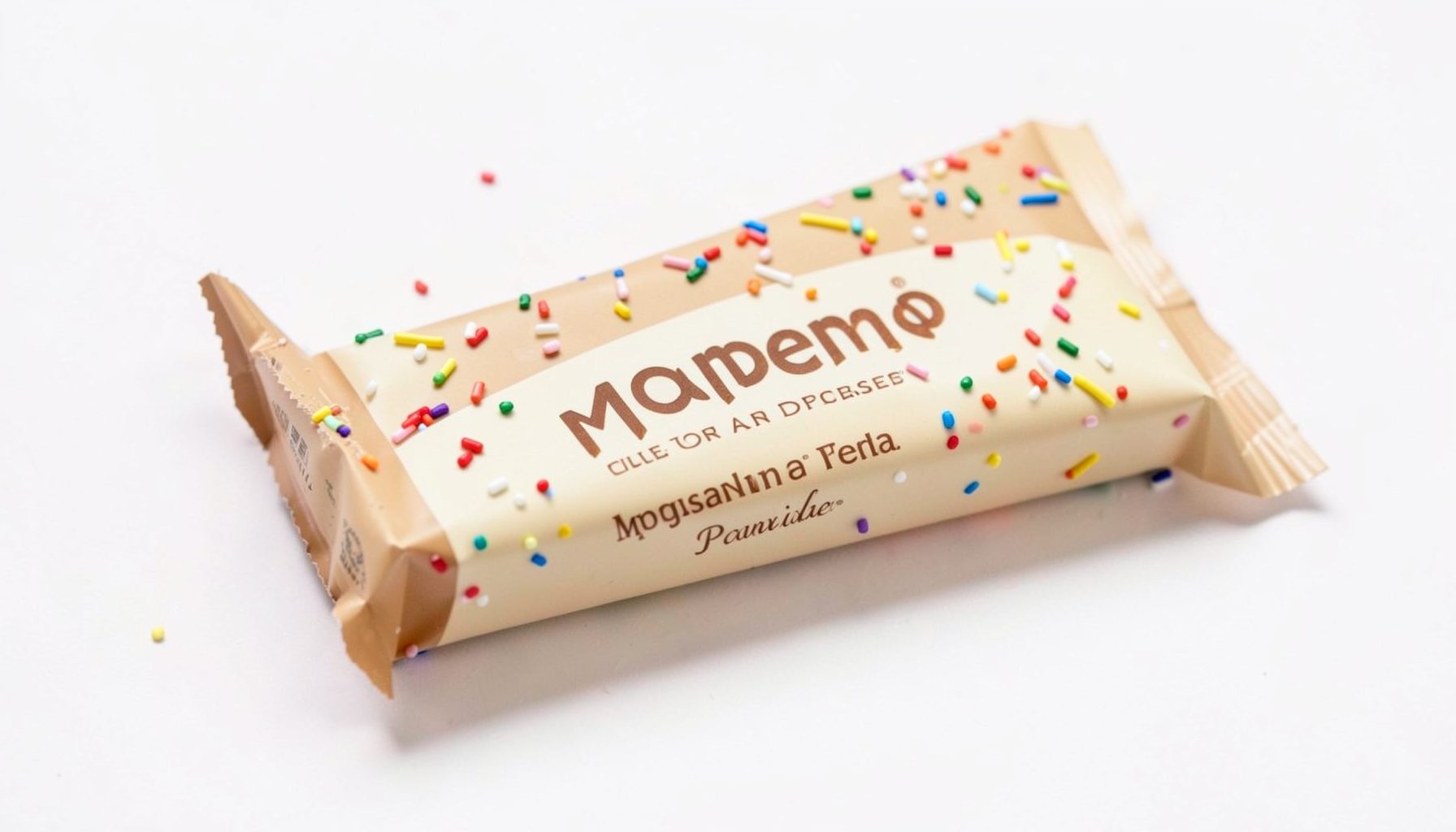
Birthday Cake
Celebratory flavor with a sweet, cake-inspired profile. Available in 1-pack and 10-pack.
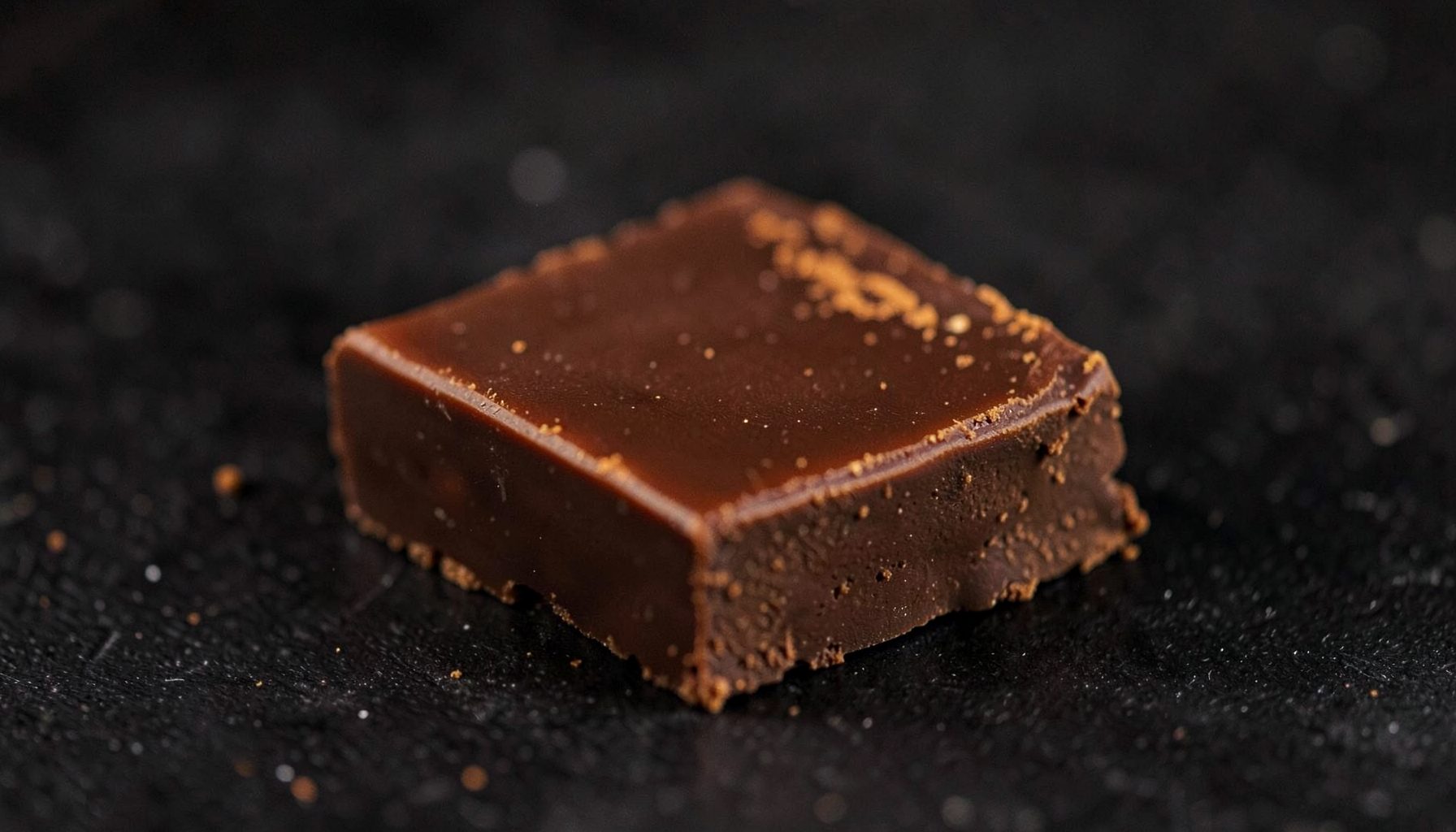
Cinnamon
Warm spiced chocolate with a smooth finish. Single bars and bulk packs available.
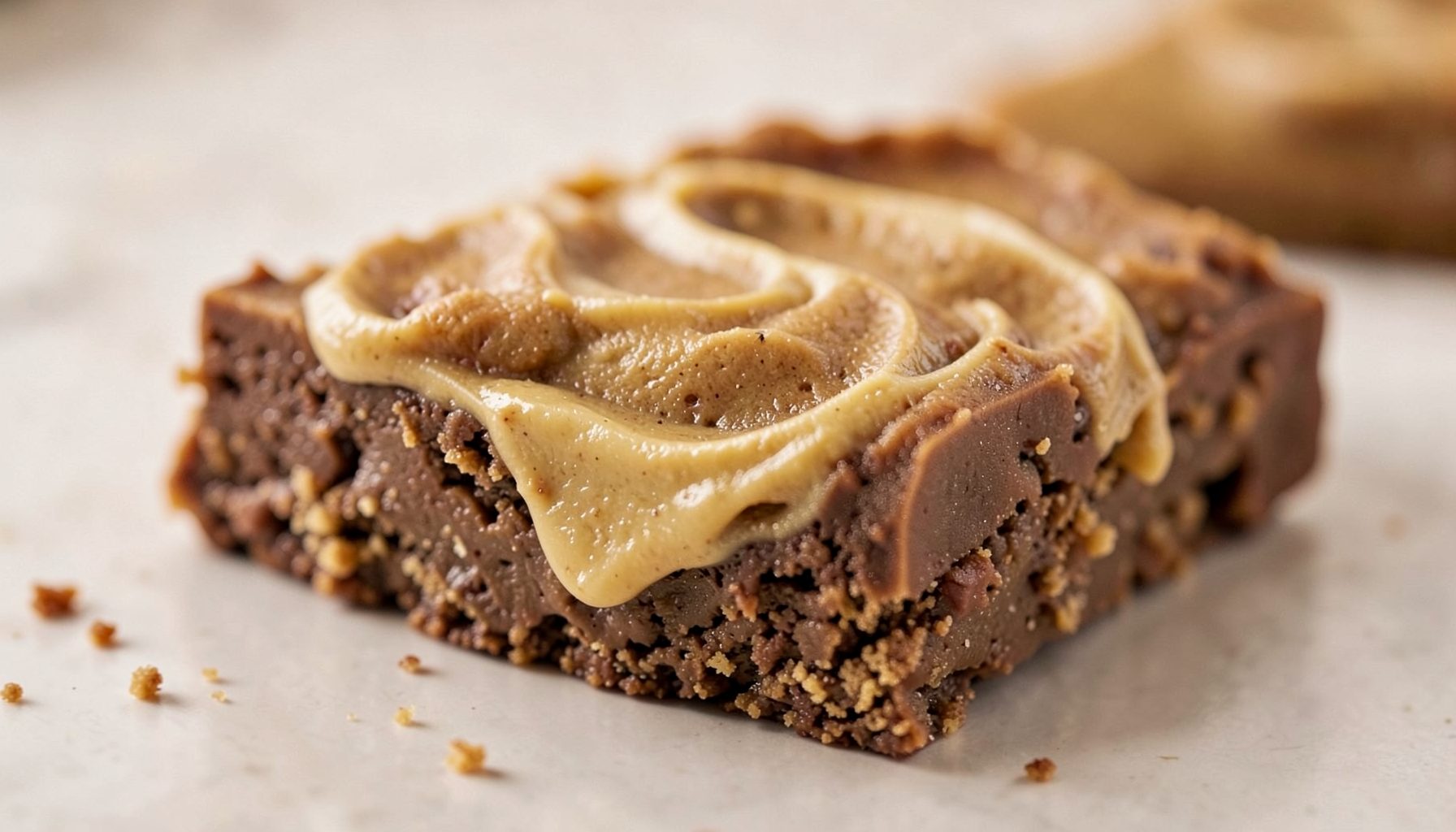
Cookie Butter
Rich, buttery cookie flavor in every bite. Offered in 1-pack and 10-pack options.
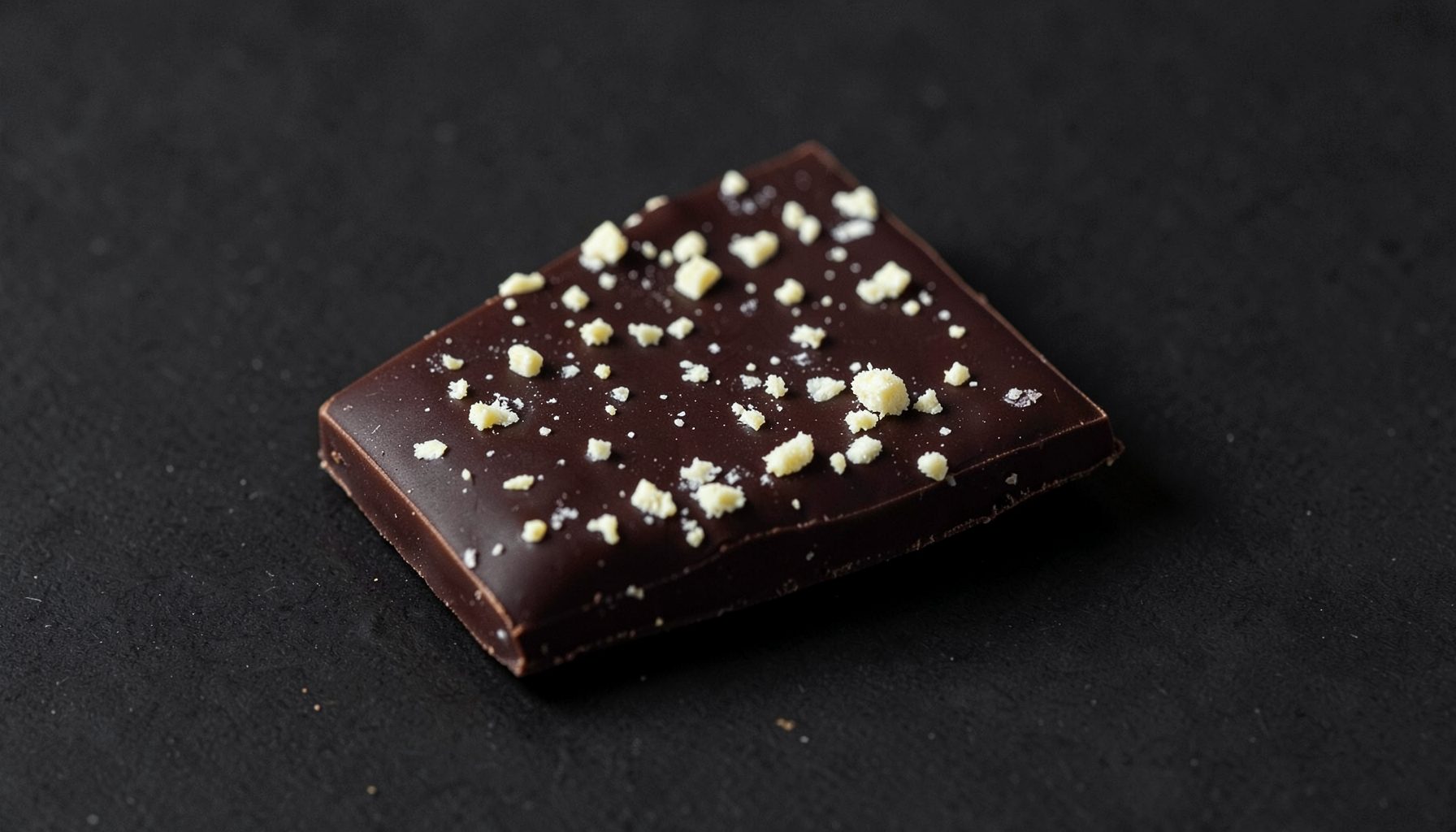
Cookies & Cream
Classic cookies-and-cream taste with a mushroom chocolate twist. 1-pack and 10-pack.
Building a Responsible Mushroom Sampling Kit for First-Time Users
A custom sampling kit can make a new product range easier to understand, compare, and enjoy responsibly. Instead of opening several full-size packs at once, a beginner can work with small, clearly labelled portions and assess flavour, texture, ingredients, and personal tolerance one item at a time.
For Australian consumers, the first decision is not flavour. It is legality, product classification, and sourcing. Mushroom chocolates, gummies, and cones can contain very different ingredients, and a product sold overseas may not be permitted for import, possession, or sale in Australia.
A sensible kit should therefore be treated as a controlled tasting project rather than a party bundle. Keep the selection modest, record what each item contains, and avoid combining unfamiliar mushroom products with alcohol, medicines, driving, or other intoxicating substances.
Start with the purpose of the kit
Decide whether the kit is for comparing flavours, exploring functional mushroom ingredients, or assessing a particular product format. A flavour-focused kit might contain three small samples with similar serving sizes, while a format comparison could use one chocolate, one gummy, and one cone only where each product is lawful and accurately labelled.
First-time users usually benefit from fewer variables. Choose two or three products rather than trying every option in a collection. A smaller set makes it easier to identify which sample caused a particular effect, digestive response, or dislike.
For an overview of the brand’s range and product presentation, the mushroom gummy range can help shoppers see how flavours and formats are organised. Australian buyers should still verify local availability and compliance before ordering or importing anything.
Check Australian rules before buying
Australian law distinguishes between ordinary edible mushrooms, functional mushroom extracts, and substances containing controlled compounds. Rules can also vary across jurisdictions, including New South Wales, Victoria, Queensland, and Western Australia. A product described casually as a “mushroom edible” may therefore require much closer checking than its packaging suggests.
Review the ingredient panel, certificate of analysis if available, manufacturer details, and the relevant Australian Government or state authority guidance. The Therapeutic Goods Administration, Food Standards Australia New Zealand, and the Australian Border Force may all be relevant depending on the product’s claims, ingredients, and method of purchase.
Online imports can create additional problems because a product accepted by a US retailer may be stopped at the border. Do not assume that a product is legal because it appears on an overseas website or has positive customer reviews. If the legal position is unclear, leave it out of the kit.
Select a small, balanced range
A practical beginner kit might include one familiar flavour, one contrasting flavour, and one alternative format. For example, a chocolate sample could provide a rich baseline, while a fruit-flavoured gummy offers a sweeter comparison. Cones or other formats should be added only when their ingredients, dose, and lawful status are clear.
Look for transparent labelling rather than relying on attractive names. Record the mushroom species, extract quantity, serving size, allergens, added caffeine, sweeteners, and any psychoactive or medicinal claims. The brand’s background and quality approach may provide useful context, but it does not replace independent checking of the specific pack.
Avoid building a kit around novelty alone. A striking flavour, large pack, or award badge does not reveal how an individual will respond. Include products with simple ingredient lists and consistent serving information, particularly when the user has food allergies or a sensitive stomach.
Create clear portions and labels
Every sample should remain in its original packaging where possible. If repacking is unavoidable for a lawful food product, use a sealed container with the product name, ingredients, serving size, purchase date, and batch number. Never place unlabelled gummies or chocolates into a shared bowl.
Portion control matters because edible products can take time to produce noticeable effects. Do not treat a delayed response as a reason to consume more. A conservative approach is to follow the manufacturer’s directions exactly and wait through the stated onset period before considering any further use.
Keep the kit away from children, pets, and anyone who did not agree to take part. In a share house in Melbourne or Sydney, a locked container is more reliable than a note on the kitchen bench. Clear labelling also helps prevent accidental consumption by visitors.
Plan a calm Australian setting
Choose a familiar, private environment with several uninterrupted hours available. A quiet afternoon at home is safer than trying a new product before a shift, university class, commute, or event. Do not drive, cycle in traffic, swim, operate machinery, or make important decisions after consuming an unfamiliar product.
Australia’s climate also affects storage. Chocolate can soften in a Brisbane summer, while gummies may become sticky if exposed to heat in a car. Keep products in a cool, dry, secure place and follow the storage instructions. A dark cupboard is usually preferable to a sunny windowsill, but refrigeration should be used only when the packaging permits it.
Avoid mixing samples with alcohol, cannabis, stimulants, or prescription medicines unless a qualified health professional has advised that the combination is suitable. Anyone who is pregnant, breastfeeding, under 18, managing a mental health condition, or taking regular medication should seek professional advice before considering unfamiliar supplements or edibles.
Use a simple tasting record
A short record can distinguish preference from physical response. Note the product, amount, time, flavour, texture, onset, duration, sleep quality, digestion, mood, and any unwanted effects. Use plain language rather than trying to force every experience into a rating.
A useful record might include a five-point flavour score and a separate safety note. Someone may enjoy a mango gummy but experience stomach discomfort, or dislike a dark chocolate sample while tolerating it well. Keeping those observations separate makes the next selection more rational.
Recommendations for a first-time kit include:
- Select no more than two or three lawful, clearly labelled samples.
- Keep each product in its original packaging and retain batch information.
- Compare similar serving sizes before comparing entirely different formats.
- Use one sample at a time and follow the stated directions.
- Avoid alcohol, driving, exercise in risky locations, and other intoxicants.
- Store everything securely away from children, pets, and heat.
- Stop using a product if concerning or unexpected symptoms occur.
If severe symptoms develop, contact emergency services on 000. For suspected poisoning in Australia, call the Poisons Information Centre on 13 11 26, which operates nationally. Product records and packaging can help health professionals identify what was taken.
Review the kit before expanding it
After the first session, remove products that caused unpleasant effects, unclear reactions, or uncertainty about ingredients. Keep the strongest candidates based on reliable information, personal tolerance, and flavour preference rather than marketing language or social media enthusiasm.
The Australian market changes by state and product category, so revisit the legal position before purchasing again. A formulation, import route, or promotional claim may not be treated the same way by every authority. Save invoices, labels, and laboratory documents when available, especially for products bought online.
A good sampling kit is deliberately modest: a few verified products, accurate notes, safe storage, and enough time to evaluate each one separately. Begin by checking the legal status and full ingredient list of one intended sample before adding it to the kit.

Send Us a Message
Get in Touch
Have questions about our products or your order? Reach out and we'll get back to you.
- California, USA
- Contact Page