
California • Est. 2019
Premium mushroom chocolate bars, gummies, and cones crafted in California. Bold flavors, uncompromising quality, and a brand built from the ground up.
Explore the CollectionOur Collection
Shruumz Chocolates & Gummies
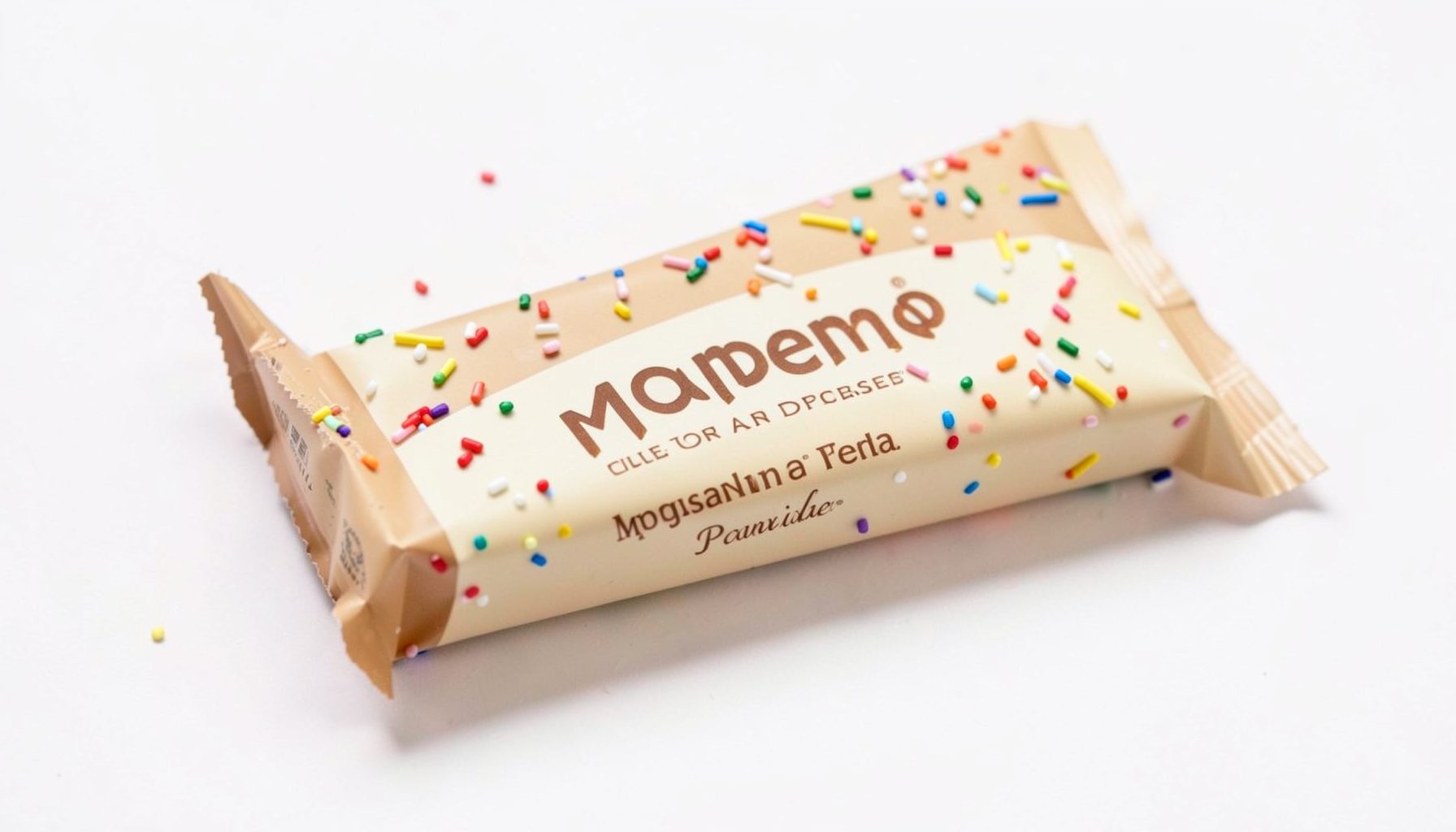
Birthday Cake
Celebratory flavor with a sweet, cake-inspired profile. Available in 1-pack and 10-pack.
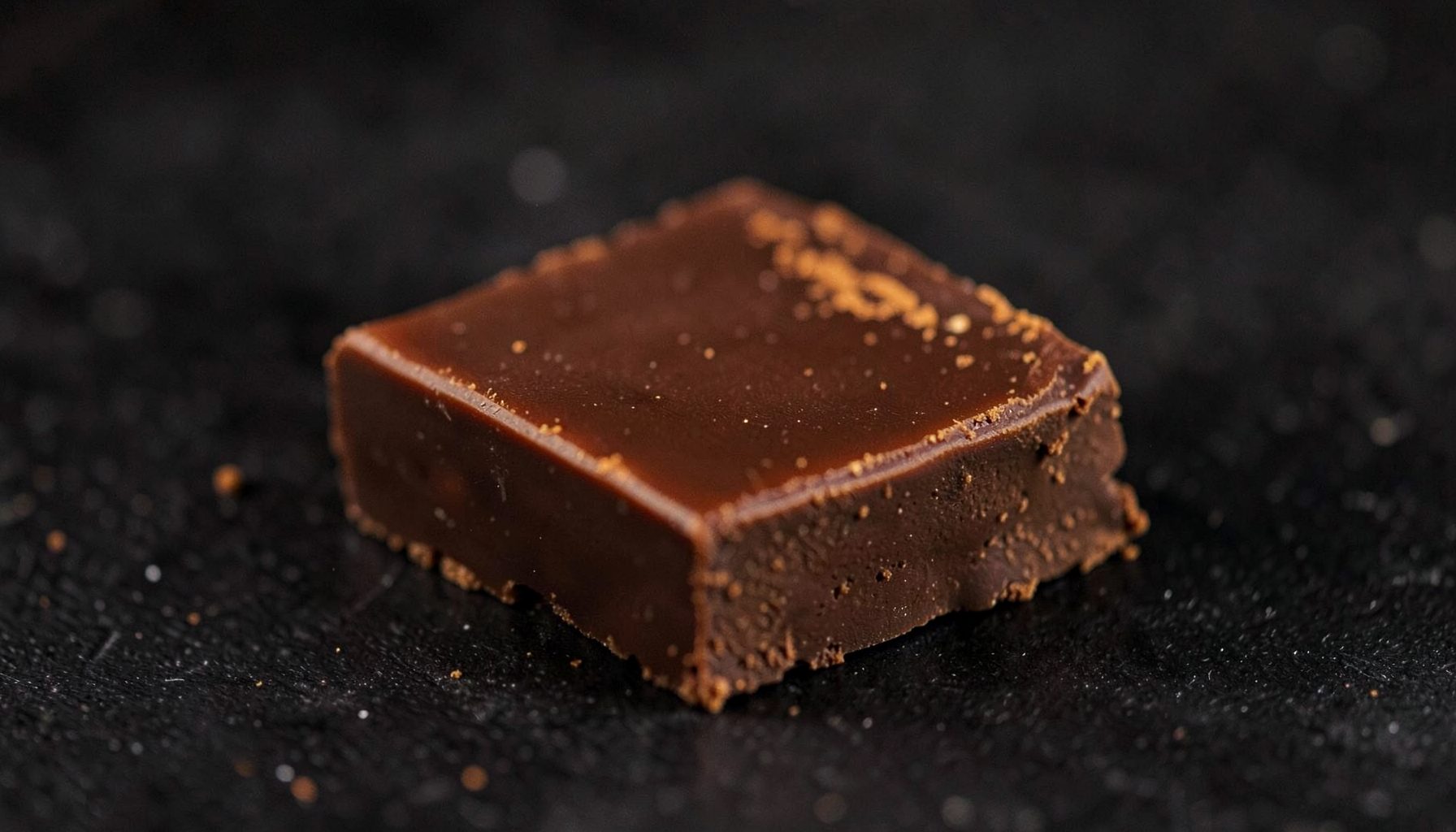
Cinnamon
Warm spiced chocolate with a smooth finish. Single bars and bulk packs available.
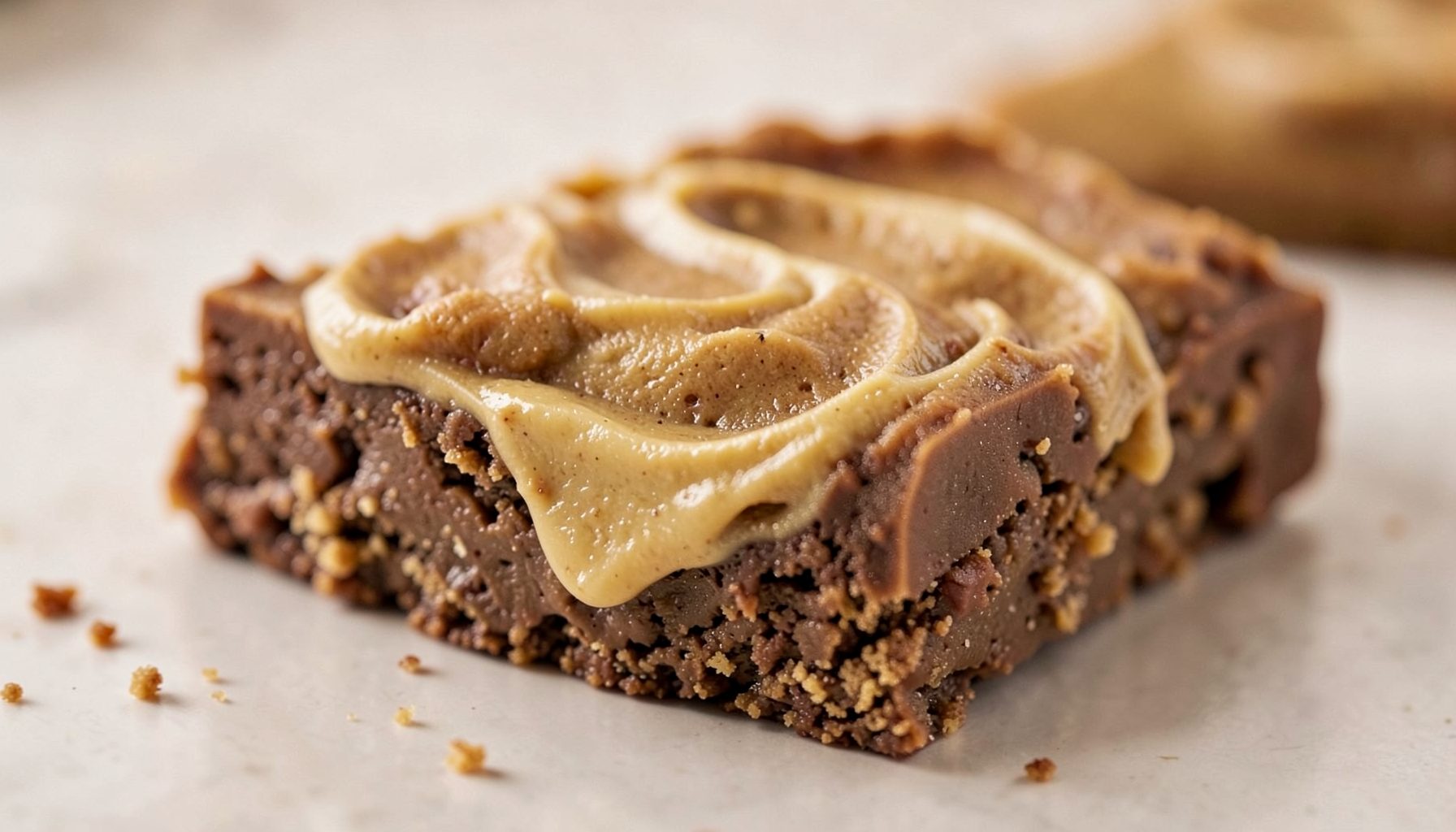
Cookie Butter
Rich, buttery cookie flavor in every bite. Offered in 1-pack and 10-pack options.
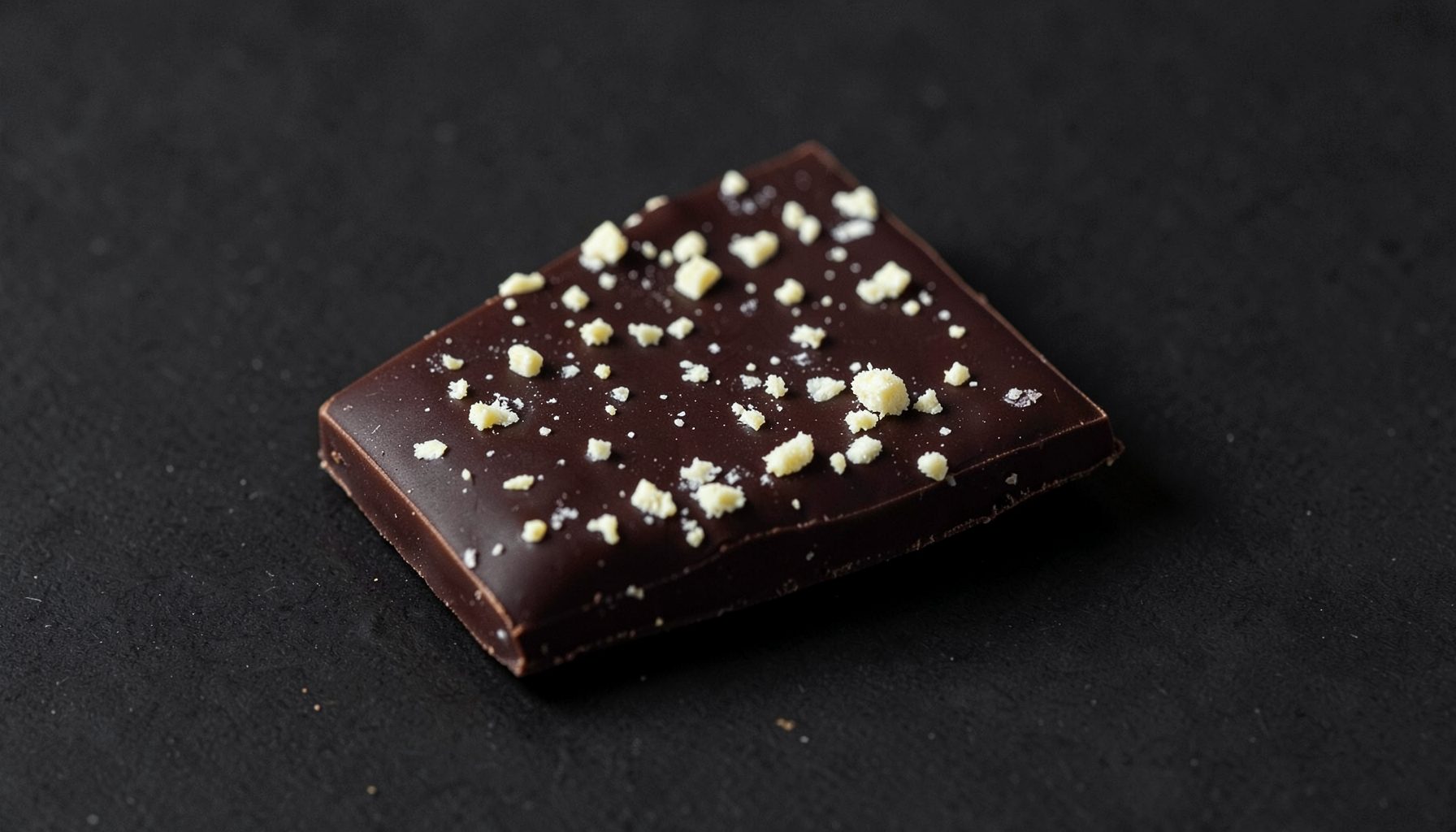
Cookies & Cream
Classic cookies-and-cream taste with a mushroom chocolate twist. 1-pack and 10-pack.
How to create a DIY mushroom chocolate bark at home
Chocolate bark is a forgiving canvas: tempered or untempered chocolate, baking paper and a handful of toppings are enough to make something crisp. California-based Diamond Shruumz has popularised mushroom-infused chocolate with a wide range of flavours, while a homemade batch lets you control the mushroom, additions and portions.
The word mushroom can mean something edible in a slice or something regulated as a medicine or controlled substance. This recipe uses culinary mushrooms or food-grade functional mushroom powders such as reishi or lion’s mane. It does not cover psychoactive fungi, which require authorised clinical routes rather than DIY preparation.
Because bark has no filling to hide uneven pieces, mushrooms should be finely ground and measured by weight. Choose a clean, food-grade powder from a supplier that states how it is intended to be used.
Australian kitchens already have most of the equipment needed: baking trays are standard in Australian supermarkets, while cities such as Melbourne, Sydney and Brisbane offer distinct ingredients and stores. The legal line between an ordinary food and a drug preparation also needs to be clear before you start.
Choose the mushroom before the chocolate
Start by deciding what the mushroom should do in the bark. A button mushroom or porcini powder adds a savoury, earthy note that works best with dark chocolate; reishi and lion’s mane are more neutral and often used as functional ingredients.
Prepared products need different handling from loose powders. Do not assume that a gummy’s colour or aroma proves its strength; this gummy potency guide explains why appearance alone is unreliable. Use the stated serving information rather than estimating from a piece.
Whichever type you choose, buy a small quantity first and check the ingredient list for added sugar, starch or allergens. A little goes a long way in chocolate, and freshness affects both flavour and consistency.
Build the bark in a stable chocolate base
For a small tray, combine about 160 grams of dark baking chocolate, one tablespoon of coconut oil, one to two tablespoons of food-grade mushroom powder and one tablespoon of cocoa or cacao powder. Prepare dry toppings such as chopped nuts, coconut flakes, cacao nibs or dried fruit before melting the chocolate.
Melt the chocolate gently in a double boiler or microwave, stirring until smooth. Remove it from the heat, wait briefly, then whisk in the coconut oil, mushroom powder and cocoa. A little oil improves flow, but too much can make the finished bark soft. Keep water away from the chocolate because even a small amount can cause it to seize.
Line a tray with baking paper, pour the mixture evenly and add the toppings before it sets. Allow it to firm in the refrigerator for 20 to 30 minutes, then lift it away and break it into shards. Store the pieces between layers of parchment rather than stacking them directly.
A chopped Diamond Shruumz bar can provide the chocolate component if its current ingredient panel suits your needs. Check the label for allergens and any mushroom ingredients already included, and avoid adding a second concentrated dose without knowing what the bar contains.
Match flavours to Australian kitchens
Most Australian supermarket shelves carry dark chocolate, cocoa powder, coconut oil and baking paper, so a basic batch does not require a specialist shop. Weekend baking and coffee rituals make bark a practical homemade treat, particularly when the batch can be divided into small pieces for family, colleagues or guests.
Flavour combinations can reflect the country without becoming overly elaborate. Salted macadamia and dark chocolate suit Melbourne’s café culture, while cacao nib and dried blueberry work well for Sydney’s health-food market. Brisbane’s subtropical growers’ markets can inspire pairings with finger lime, mango or toasted coconut.
Australian native ingredients can also provide distinctive notes. Lemon myrtle, wattleseed and native mint are available through approved culinary suppliers, but they may have strong flavours or allergy considerations. Use commercially prepared food-grade ingredients rather than unidentified plants gathered outdoors.
Stay within Australian food and drug laws
Australia separates ordinary foods from therapeutic goods. The Therapeutic Goods Administration regulates medicines, supplements and their ingredients, while Food Standards Australia and New Zealand standards govern food composition and labelling. A mushroom powder intended for culinary use should be clearly identified and should not be promoted as a treatment for disease.
Psychoactive mushrooms and psilocybin products remain controlled substances. Lawful access is limited to authorised clinical pathways, including approved prescribers, clinical trials and specified treatment services, with state and territory laws also applying. Never chop unidentified or psychoactive mushrooms into food, regardless of whether the final product resembles a sweet.
Online specialist storefronts such as Tan Hash may use terms such as gummies, edibles and concentrates, but online availability does not make a psychoactive preparation lawful. Legal functional mushroom products are more commonly encountered through food retailers, health-food outlets and pharmacies, where labels should identify the species, ingredients and suggested use.
Store and serve the bark safely
Transfer the set bark to an airtight container and place parchment between each layer. Keep it in a cool, dark cupboard away from strong smells such as garlic and onion. During hot weather in Melbourne, Brisbane or Sydney, refrigeration can help, although the container should remain closed to prevent condensation forming on the chocolate.
The same principles of darkness, airtight packaging and stable temperature are explained in this proper flower storage guide. Cannabis and mushroom chocolate are different products, but both can deteriorate when exposed to air, heat and fluctuating humidity.
Label the container with its ingredients, allergens, date and any functional mushroom quantity used. Label individual portions if you plan to freeze them, and use clean utensils to avoid transferring allergens or moisture. Homemade bark contains no preservatives, so it is best eaten while the chocolate remains crisp and the mushroom aroma is fresh.
A repeatable method and practical safeguards
For consistent portions, weigh the mushroom powder with a kitchen scale rather than relying on a level spoonful. The brand’s science of microdosing provides useful context on why repeatable amounts matter and why different formats should not be treated as interchangeable.
The following habits will make the process more dependable:
- Use clearly identified, food-grade mushroom ingredients suitable for sale in Australia.
- Weigh mushroom powder accurately instead of estimating with a spoon.
- Keep bowls, utensils and the work surface completely dry.
- Label the finished bark with ingredients, allergens, date and serving details.
- Store the bark airtight, cool and dark, with parchment between layers.
- Keep allergen-free batches separate from other foods during preparation.
- Keep the finished bark away from children, pets and anyone with mushroom allergies.
The detail to remember is simple: good bark depends on a clean, evenly weighed mushroom ingredient, a stable chocolate base and careful storage; once those foundations are right, the toppings can change with the season.

Send Us a Message
Get in Touch
Have questions about our products or your order? Reach out and we'll get back to you.
- California, USA
- Contact Page