
California • Est. 2019
Premium mushroom chocolate bars, gummies, and cones crafted in California. Bold flavors, uncompromising quality, and a brand built from the ground up.
Explore the CollectionOur Collection
Shruumz Chocolates & Gummies
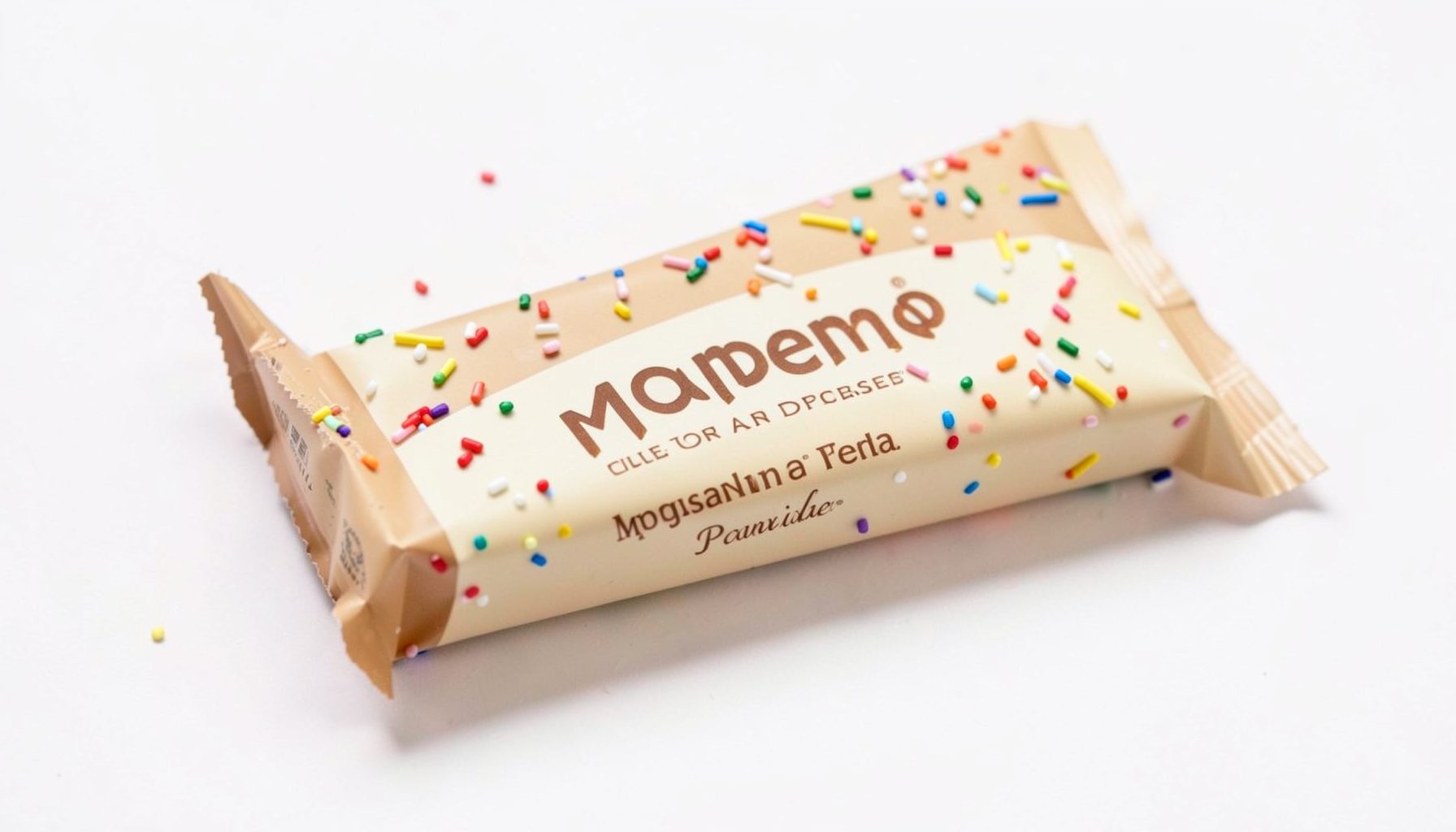
Birthday Cake
Celebratory flavor with a sweet, cake-inspired profile. Available in 1-pack and 10-pack.
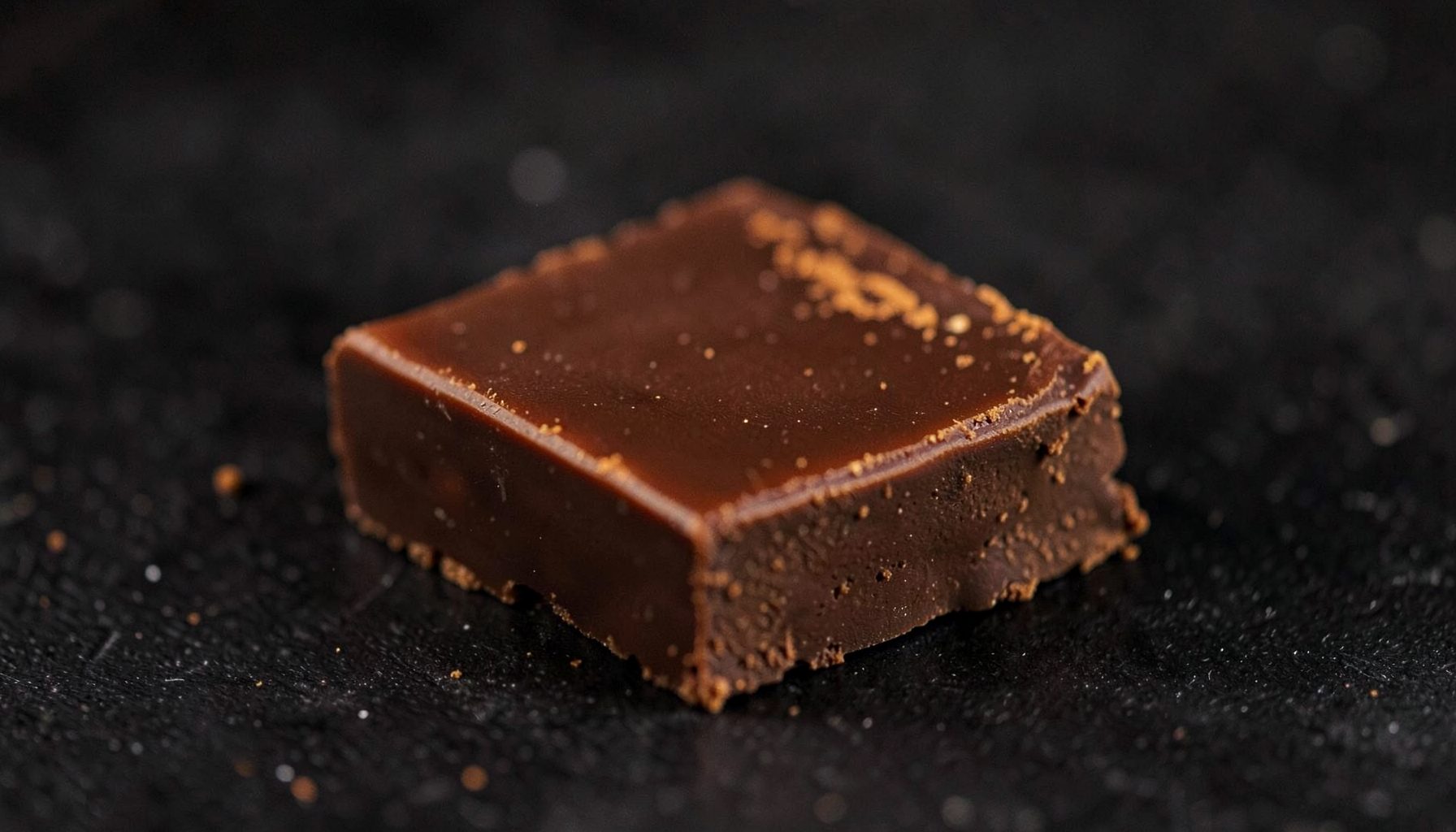
Cinnamon
Warm spiced chocolate with a smooth finish. Single bars and bulk packs available.
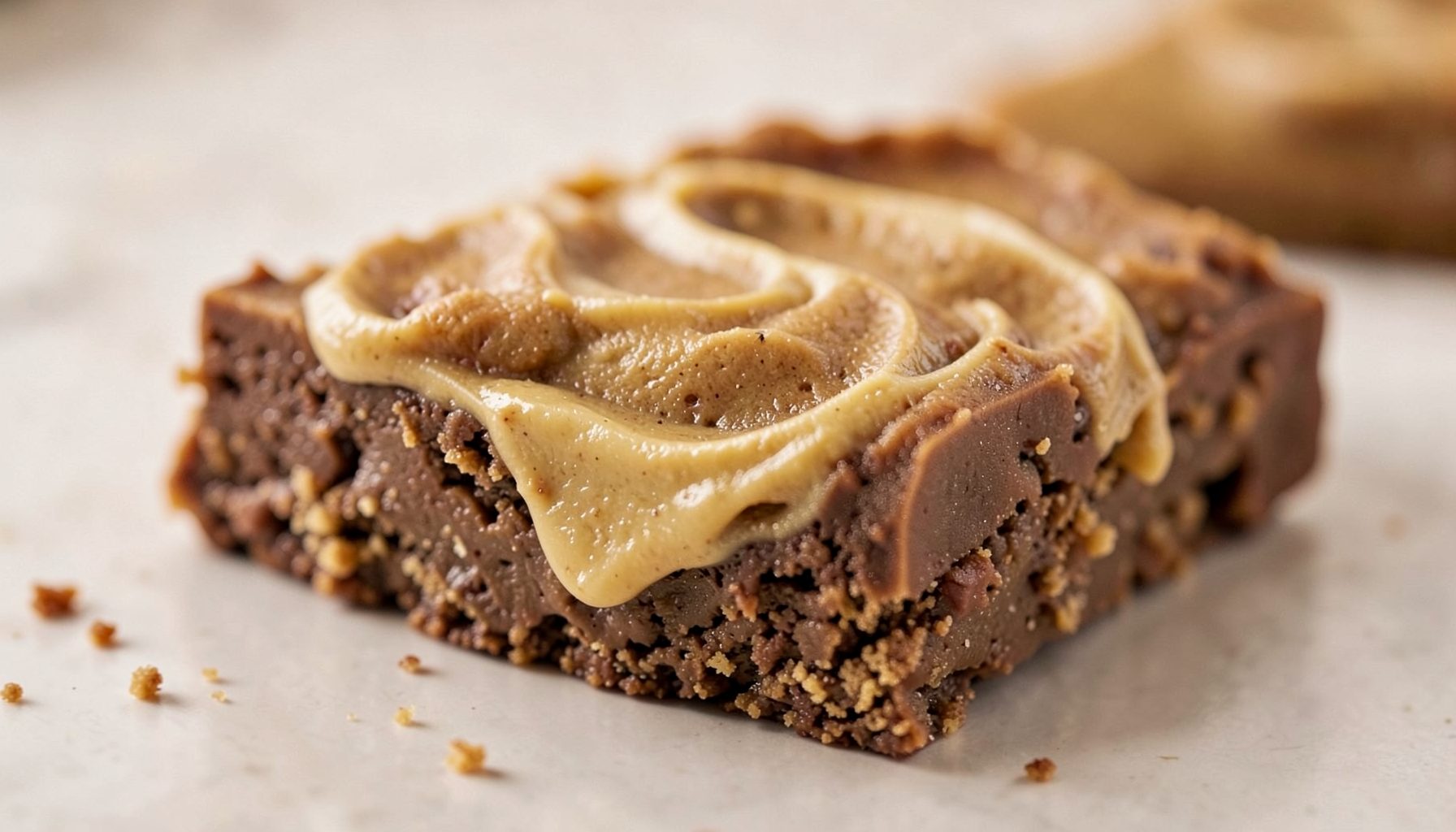
Cookie Butter
Rich, buttery cookie flavor in every bite. Offered in 1-pack and 10-pack options.
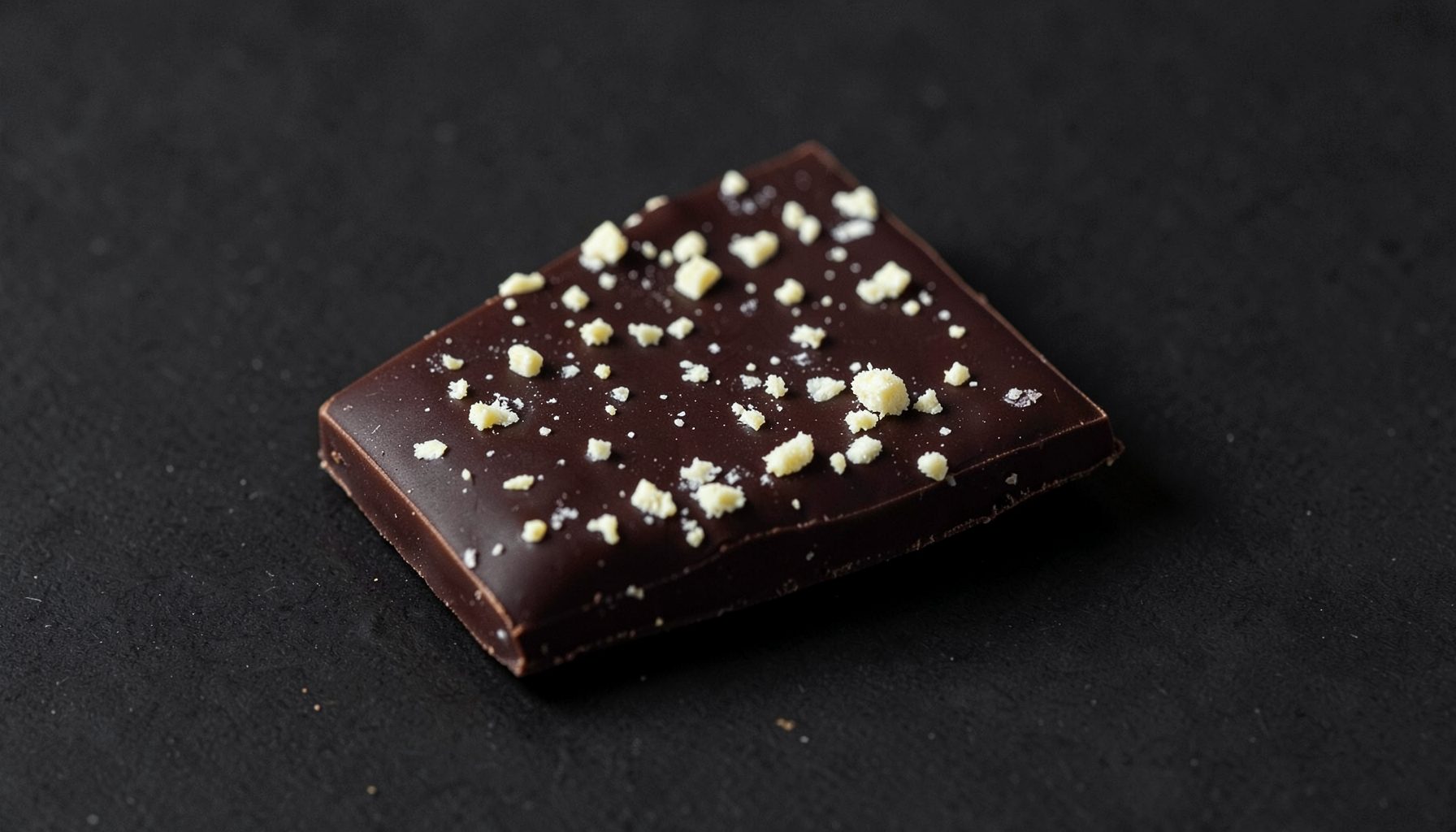
Cookies & Cream
Classic cookies-and-cream taste with a mushroom chocolate twist. 1-pack and 10-pack.
How to Identify High-Quality Mushroom Extract in Any Product
Mushroom extract appears in chocolates, gummies, capsules, drink powders, tinctures, and functional foods. Yet the word “extract” alone says very little. It may describe a carefully tested concentrate, a lightly processed mushroom powder, or a proprietary blend with limited information about its contents.
A reliable evaluation starts with identity, processing, potency, purity, and documentation. Packaging should make it possible to understand what mushroom was used, which part was extracted, how much is present, and whether the finished product passed independent testing.
This matters especially with flavored consumer products. A polished package and appealing taste can improve the experience, but they cannot replace ingredient transparency. For examples of how flavor variety and product format can shape expectations, review the chocolate bar collection alongside its ingredient information.
What Mushroom Extract Actually Means
A mushroom extract is made by processing mushroom material in a liquid, often water, alcohol, or a combination of both, then concentrating selected compounds. Different solvents draw out different constituents. Hot-water extraction is commonly associated with compounds such as beta-glucans, while alcohol can help extract certain triterpenes and other less water-soluble components.
An extract should be distinguished from a simple mushroom powder. Powder may contain dried and milled fruiting bodies or mycelium, while an extract has undergone an additional concentration step. Neither format is automatically superior. The useful question is whether the product explains its raw material, extraction method, concentration ratio, and intended purpose.
Labels sometimes use terms such as “10:1 extract.” This usually means ten parts starting material were used to make one part extract, but the ratio does not prove that desirable compounds are present at a meaningful level. Without a species-specific assay, the ratio is only one piece of evidence.
Start With Identity And Source
High-quality mushroom products identify the mushroom at a clear level. Look for the common name and scientific name, such as Hericium erinaceus for lion’s mane or Ganoderma lucidum for reishi. A label that says only “mushroom blend” makes it difficult to assess authenticity, potency, or suitability.
The label should also state whether the ingredient comes from fruiting bodies, mycelium, or both. Mycelium can be a legitimate cultivated ingredient, but products should disclose the growth medium when relevant. A claim about “full-spectrum mushroom” is more useful when the company explains exactly which mushroom materials are included.
Sourcing details add another layer of confidence. Look for the country or region of cultivation, the name of the manufacturer, batch identification, and a reasonable expiration or best-by date. Brands that explain their history, production philosophy, and quality practices—such as the information provided in brand background—give consumers more context for evaluating the product.
Read The Label Beyond Marketing Language
A strong label lists the amount of extract per serving and the number of servings per package. It should distinguish between the total weight of a mushroom blend and the actual quantity of each mushroom. If several species are combined under one total number, the amount of each individual ingredient remains uncertain.
Pay attention to added ingredients as well. In a chocolate or gummy, sugar, syrups, oils, acids, flavors, and coloring agents can make up much of the formula. These components are not automatically a problem, but they affect dietary fit and may influence how quickly a serving is consumed.
Be cautious with vague claims such as “premium,” “maximum strength,” “ancient formula,” or “proprietary potency.” Marketing language can describe positioning, but it cannot establish purity or chemical content. A transparent serving panel and a batch-specific certificate of analysis are much stronger signals.
Look For Independent Testing
Independent laboratory testing should cover the finished product, not merely a raw ingredient used months earlier. A certificate of analysis, or COA, should connect to a specific lot number and show the testing date, laboratory name, methods, and results. A company may also publish a QR code that leads directly to the relevant report.
The most useful reports test the areas relevant to the product. Identity or authenticity testing helps confirm the declared mushroom. Potency testing measures target compounds when validated methods are available. Contaminant screening may include heavy metals, pesticides, microbes, residual solvents, and mycotoxins.
Use this quick comparison when reviewing a product page or package:
| Quality signal | What it should show | Why it matters |
|---|---|---|
| Ingredient identity | Common and scientific mushroom names | Reduces uncertainty about the actual species |
| Extract details | Solvent, ratio, and source material | Explains how the ingredient was produced |
| Potency information | Amount per serving and tested compounds | Helps assess consistency between batches |
| Contaminant results | Heavy metals, microbes, pesticides, or solvents | Supports a broader purity assessment |
| Batch connection | Lot number matching the package | Shows that the report applies to the product in hand |
| Laboratory details | Independent lab and test date | Makes the result easier to verify |
A report that lists only “passed” without numerical results is less informative than one showing actual findings and applicable limits. For a practical example of why contaminant screening deserves attention, review this discussion of lab testing.
Evaluate Potency And Consistency
The word potency can refer to different things, so identify what is actually being measured. In traditional mushroom supplements, beta-glucan content may be more informative than total polysaccharides, because the latter can include starches and other carbohydrates. For products emphasizing specific constituents, a validated assay should name those compounds and report their concentration.
Consistency is equally important. A credible manufacturer retains samples, tracks batches, and investigates results that fall outside specifications. Repeated testing across production runs offers more reassurance than a single impressive result displayed without a lot number.
Be particularly careful with products that combine mushroom extract with other botanicals or psychoactive ingredients. The more complex the formula, the more important it becomes to understand serving size, ingredient quantities, interactions, and the limits of available testing. “Natural” does not mean risk-free, and a concentrated extract can behave differently from a culinary serving of mushrooms.
Inspect Packaging And Product Condition
Packaging protects an extract from moisture, oxygen, heat, and light. Capsules and powders should be sealed securely, while chocolates and gummies should include clear storage guidance. A damaged seal, unusual odor, excessive moisture, discoloration, or unexplained texture change is a reason to pause before use.
A quality-focused product also provides practical handling information. The package should state how to store it, how much constitutes one serving, and whether the contents should be taken with food or handled in another specific way. For edible formats, the serving size should be easy to distinguish from the entire package.
Products purchased through unofficial channels deserve extra scrutiny. Counterfeit or improperly stored goods may have altered labels, missing batch documentation, or degraded ingredients. Buying directly from an established manufacturer or an authorized retailer makes traceability easier.
Use A Practical Buying Checklist
The best evaluation does not depend on one impressive claim. It combines the label, the laboratory report, the packaging, and the company’s willingness to explain its process. If key details are missing, treat the product as unverified rather than assuming the gaps are harmless.
Before purchasing or using a mushroom extract product, check these points:
- Confirm the mushroom species and whether the ingredient is fruiting body, mycelium, or a disclosed combination.
- Find the extract method, concentration ratio, serving amount, and complete ingredient list.
- Match the package lot number with a current, product-specific certificate of analysis.
- Look for numerical results covering identity, potency, and relevant contaminants.
- Check the seal, expiration date, storage instructions, and condition of the product.
Quality assessment should also include personal context. Follow the package directions, avoid combining unfamiliar products casually, and seek professional guidance when medications, pregnancy, allergies, or underlying health conditions are involved. Evidence-based labeling supports informed decisions, but it does not turn a supplement or infused food into a substitute for medical care.
Use these standards when comparing mushroom extracts across chocolates, gummies, powders, tinctures, and capsules. A product that clearly identifies its ingredients, documents its batches, and communicates realistic expectations earns confidence through evidence rather than presentation alone.

Send Us a Message
Get in Touch
Have questions about our products or your order? Reach out and we'll get back to you.
- California, USA
- Contact Page