
California • Est. 2019
Premium mushroom chocolate bars, gummies, and cones crafted in California. Bold flavors, uncompromising quality, and a brand built from the ground up.
Explore the CollectionOur Collection
Shruumz Chocolates & Gummies
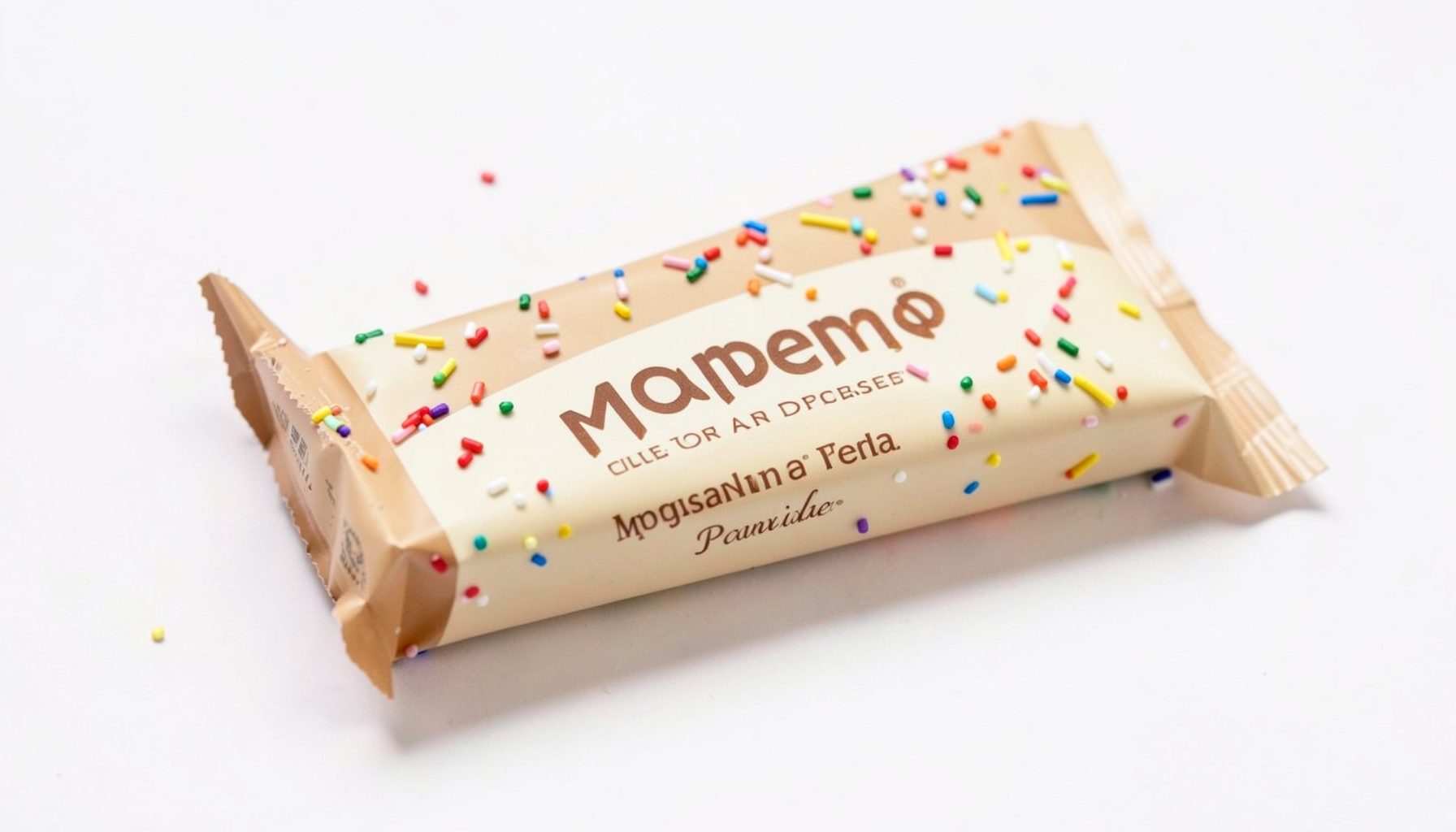
Birthday Cake
Celebratory flavor with a sweet, cake-inspired profile. Available in 1-pack and 10-pack.
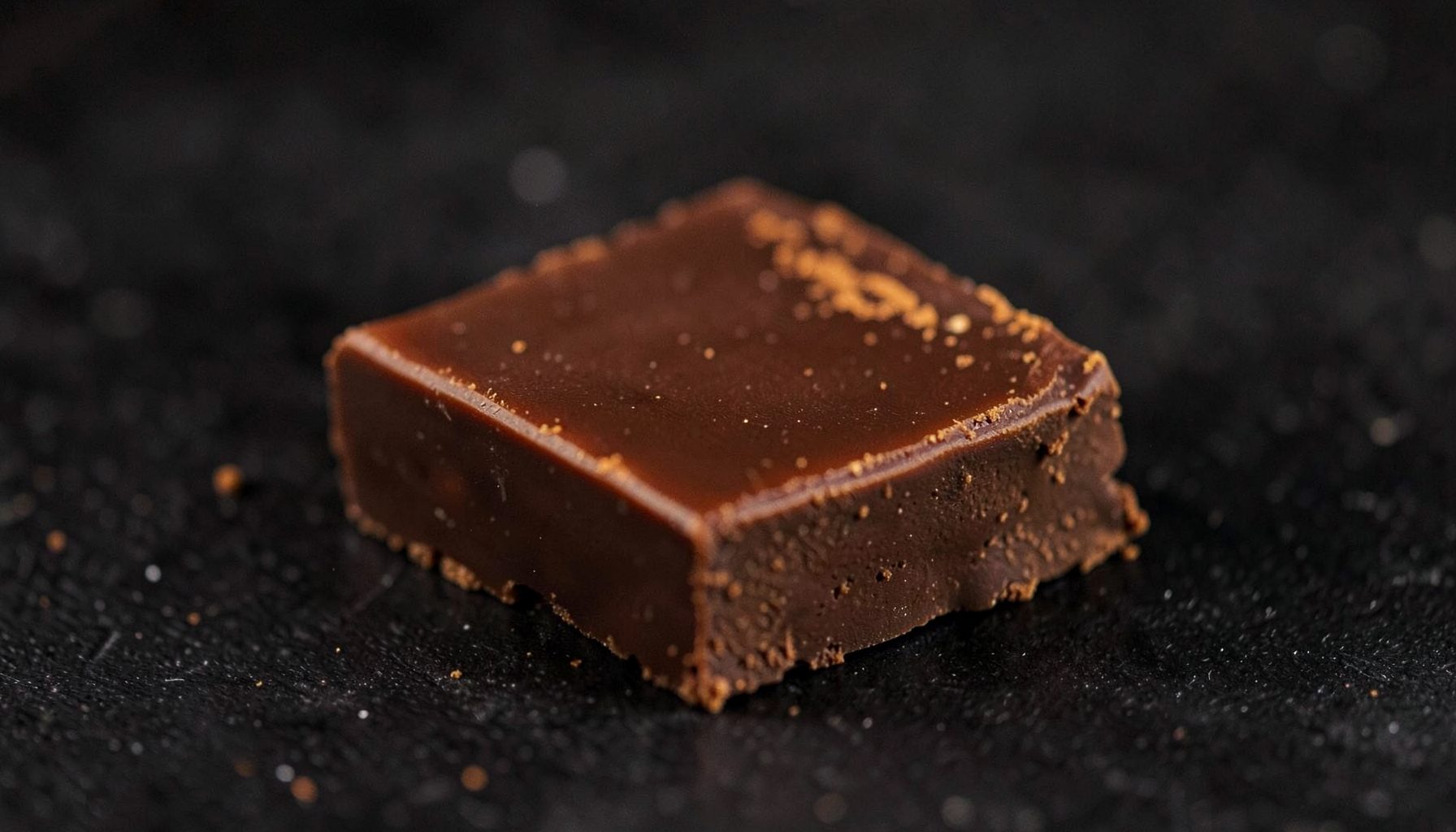
Cinnamon
Warm spiced chocolate with a smooth finish. Single bars and bulk packs available.
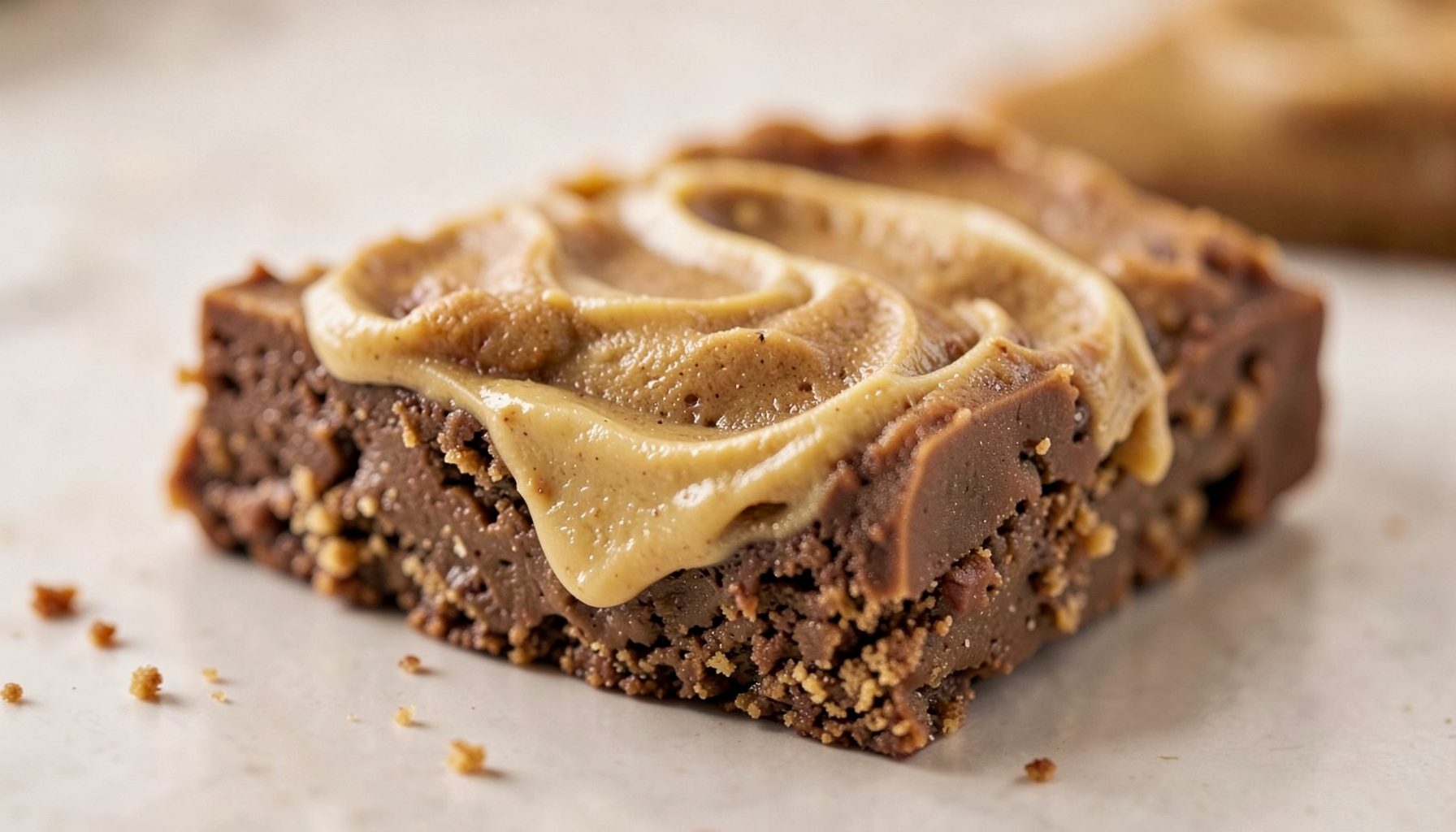
Cookie Butter
Rich, buttery cookie flavor in every bite. Offered in 1-pack and 10-pack options.
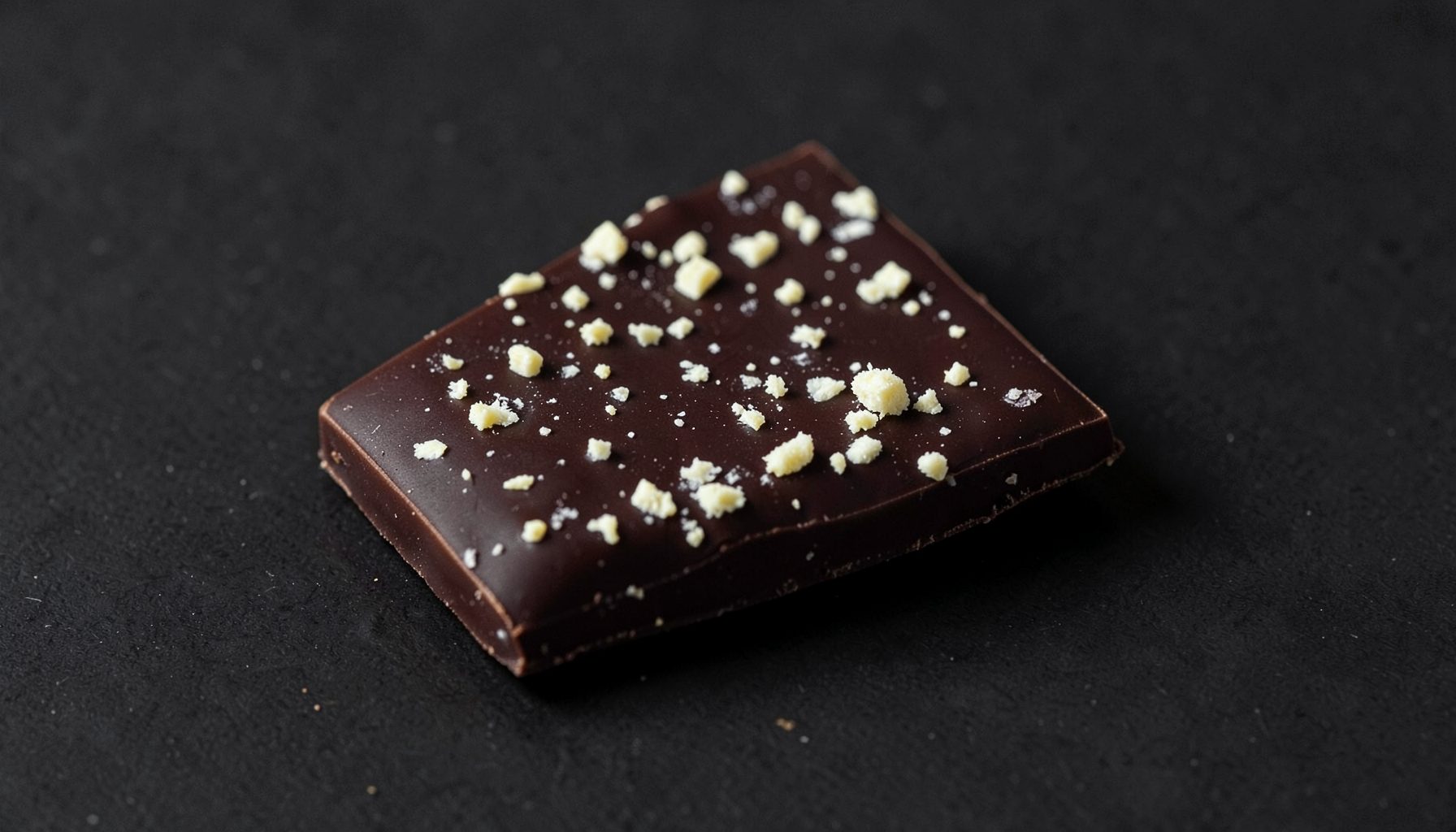
Cookies & Cream
Classic cookies-and-cream taste with a mushroom chocolate twist. 1-pack and 10-pack.
How to Read a Mushroom Product Certificate of Analysis Like a Pro
A Certificate of Analysis, usually shortened to COA, is a laboratory report connected to a specific product batch. It can show what was tested, which methods were used, and whether the sample met stated specifications. For mushroom-infused chocolates, gummies, and cones, the document is one useful part of understanding quality, identity, and consistency.
The aim is simple: learn how to read our Certificate of Analysis like a pro without getting lost in laboratory jargon. A reliable COA should help you connect the product in your hand with a tested production lot, rather than functioning as a vague marketing badge.
Australian customers also need to read these documents in context. A report issued in the United States does not automatically mean a product is approved for sale or import in Australia. Rules around medicinal substances, food, supplements, and psychoactive mushroom ingredients can differ between federal and state authorities.
This guide explains the main fields, laboratory terms, and warning signs to check. Whether you are browsing from Melbourne, Sydney, Brisbane, or regional Queensland, the same principle applies: verify the batch, understand the units, and treat laboratory data as information rather than a promise of personal effects.
Start With The Batch Details
Look first for the product name, flavour, format, batch or lot number, production date, and report date. These details should make sense beside the packaging. If a box of gummies shows one lot code while the COA lists another, the report may not relate to that item.
A batch-specific document is much more useful than a generic “ 제품 tested” statement or a single report posted without identifying information. Product names can remain similar while recipes, suppliers, and concentrations change. The lot number is the bridge between the physical product and the laboratory result.
Check whether the report describes a finished product or a raw ingredient. A test on mushroom powder does not necessarily describe the final chocolate bar after blending, heating, coating, or portioning. The closer the sample is to the product you intend to use, the more relevant the findings are.
A sensible report should also show when the sample was received and tested. A long gap between manufacture and testing is not automatically a problem, but it is worth noticing because shelf life, storage, and formulation can affect results.
Confirm The Laboratory And Test Method
The laboratory name, address, accreditation details, and report identification should be visible. Accreditation can indicate that a facility operates under recognised quality systems, but it should still be checked directly when the stakes are high. A logo alone is not proof that every test on a report falls within the laboratory’s accredited scope.
Read the method column carefully. It may identify techniques such as liquid chromatography, mass spectrometry, microscopy, DNA-based identification, or microbial culture. Different methods answer different questions. A chemical method may quantify a compound, while DNA testing may help identify biological material; neither automatically replaces the other.
The report should distinguish between the laboratory’s work and any interpretation added by a brand or distributor. Terms such as “detected,” “not detected,” and “compliant” need to be read alongside the method, reporting limit, and specification. A result can be below a test’s detection threshold without proving absolute absence.
For Australian buyers, an overseas laboratory report should not be confused with NATA accreditation or Australian regulatory approval. If a product is being imported or supplied locally, separate customs, therapeutic-goods, food, and state or territory requirements may apply. A COA supports product information; it does not override Australian law.
Understand Potency And Serving Information
Potency results are often shown in milligrams per gram, milligrams per serving, or milligrams per package. These units are not interchangeable at a glance. For example, a result per gram must be multiplied by the serving weight before it can be compared with a stated amount per piece.
Find the serving definition. One chocolate square, one gummy, one cone, and an entire package may represent very different quantities. If a package contains ten pieces, a total milligram figure should not be treated as the amount in each piece. Always divide only when the report clearly gives a package total and the pieces are intended to be equal.
Pay attention to whether the result is “as received,” “dry weight,” or adjusted for moisture. Water content can change the apparent concentration per gram. A result reported on a dry-weight basis may look higher than a result based on the product as sold, even though the underlying sample has not changed.
Do not treat a potency number as a prediction of how you will feel. Individual response can vary with body size, metabolism, food intake, medicines, previous exposure, and the exact product formulation. If a product contains an ingredient restricted or prohibited in Australia, understanding the dose does not make possession or use lawful.
Read Contaminant And Safety Panels
A thorough COA may include testing for bacteria, yeast and mould, heavy metals, pesticides, residual solvents, mycotoxins, or foreign material. The relevant panels depend on the ingredients and manufacturing process. Chocolate may also require attention to allergen controls and production-line cross-contact, which may appear in separate documentation rather than on the main COA.
Look for the actual result, the unit, and the applicable limit. “Pass” is convenient, but a numerical result gives more context. A heavy-metal result might be reported in parts per million, while microbial findings may use colony-forming units per gram. Comparing numbers without matching units can create a false impression of safety or risk.
A “not detected” result has a defined meaning tied to the laboratory’s limit of detection. It does not mean the substance could not exist at any concentration. The limit of quantification is also important because a laboratory may detect a compound but be unable to measure it reliably below a certain level.
If the product contains common allergens such as milk, soy, or nuts, check the label and allergen statement as well as the COA. Laboratory testing is only one control. Manufacturing hygiene, supplier approval, storage conditions, packaging integrity, and accurate labelling all contribute to product quality.
Check Identity, Sourcing And Authenticity
Mushroom testing can involve species identity, biological material, active constituents, or a combination of these. The wording matters. “Mushroom blend” does not explain the proportion of each ingredient, and “extract” does not reveal the extraction ratio unless the report or specification provides that information.
Sourcing and processing details can add useful context. A brand’s story may explain how its recipes and production practices developed; the brand history gives background that a laboratory table cannot. The COA still remains the place to check the tested lot and reported measurements.
Look for consistency between the COA, ingredient panel, package claims, and product page. If a label describes a particular species or active compound but the report tests only general microbial safety, that is a gap in the evidence rather than proof that the claim is false. It simply means the report does not answer that question.
Verify the document’s source where possible. A QR code should lead to a secure, recognisable page, but it should not be the only check. Compare the PDF’s report number, issue date, laboratory contact details, and batch code with information supplied by the brand. A copied or edited document may contain a genuine laboratory name but refer to another product.
Apply The Information To Real-World Use
A COA cannot tell you whether a product is suitable for driving, work, sport, pregnancy, breastfeeding, or use alongside prescription medicines. It also cannot identify every possible interaction or predict impairment. Products marketed for recreational or wellness experiences still require careful attention to ingredients, local law, and personal health.
Australian conditions make practical handling important. A parcel travelling through hot areas near Perth or inland New South Wales may experience more heat than one stored in a cool pantry in Hobart. Chocolate can soften, separate, or bloom, and gummies can change texture. These changes do not automatically prove contamination, but damaged packaging, unusual odour, or unclear labelling are reasons to stop and seek clarification.
If you are comparing products, compare like with like: the same serving unit, the same reporting basis, the same batch relevance, and the same safety panels. A brightly designed package in a Melbourne dispensary-style shopfront is not evidence of legal status, and a product available through an online checkout is not necessarily authorised for delivery to every Australian postcode.
For chocolate specifically, review the serving size, allergen statement, storage instructions, and lot code alongside the laboratory report. The chocolate bar range may show flavour and format differences, but those differences should never be used to assume identical potency or testing results across every bar.
A professional COA check takes a few minutes: match the lot number, confirm the sample type, read the units, inspect the test methods, review contaminant limits, and verify the document with the issuing laboratory or brand. Then check Australian legality and the product label separately. The practical rule is straightforward: trust a report only when it clearly matches the item in your hand and you understand exactly what its results do—and do not—demonstrate.

Send Us a Message
Get in Touch
Have questions about our products or your order? Reach out and we'll get back to you.
- California, USA
- Contact Page