
California • Est. 2019
Premium mushroom chocolate bars, gummies, and cones crafted in California. Bold flavors, uncompromising quality, and a brand built from the ground up.
Explore the CollectionOur Collection
Shruumz Chocolates & Gummies
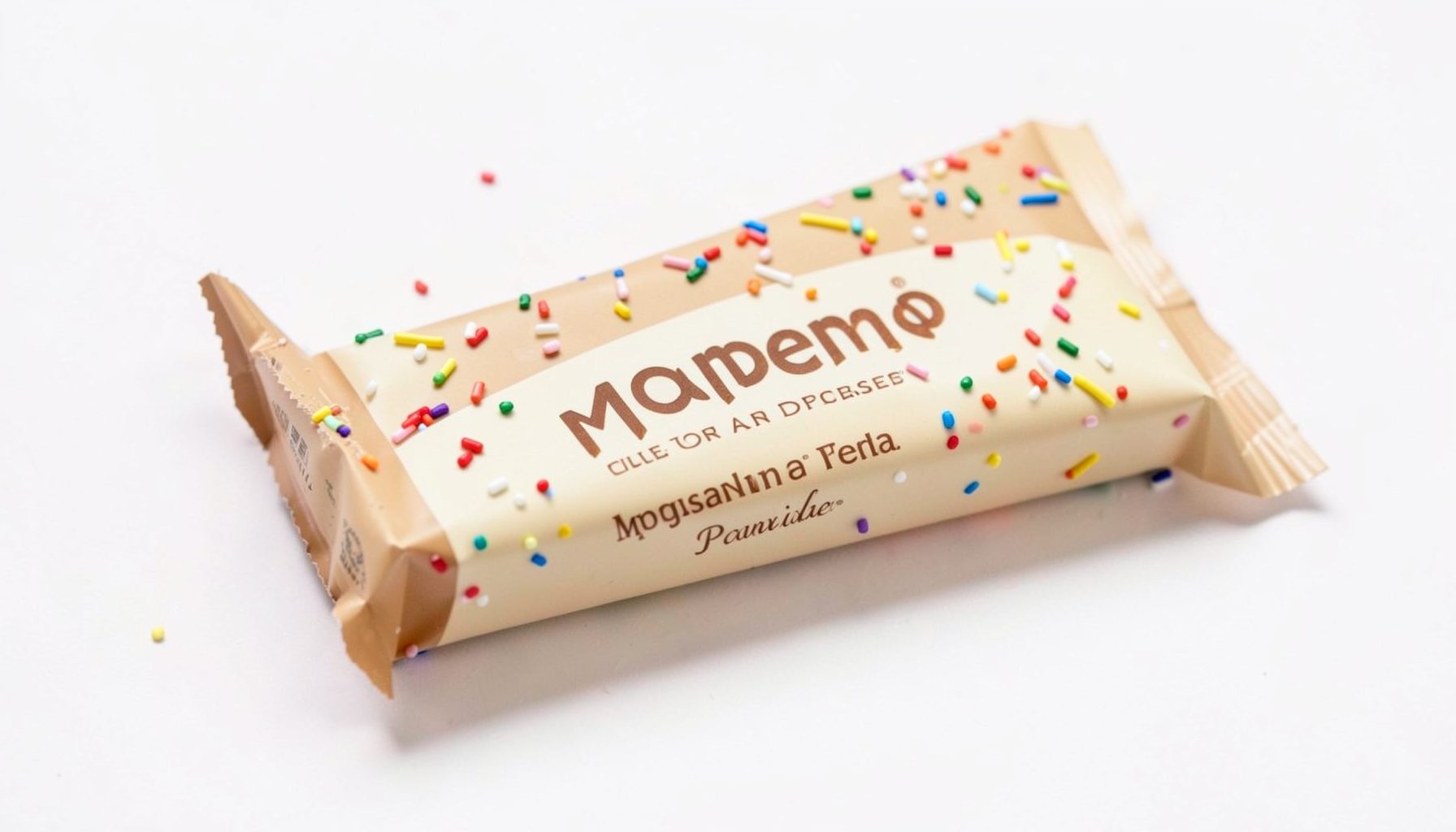
Birthday Cake
Celebratory flavor with a sweet, cake-inspired profile. Available in 1-pack and 10-pack.
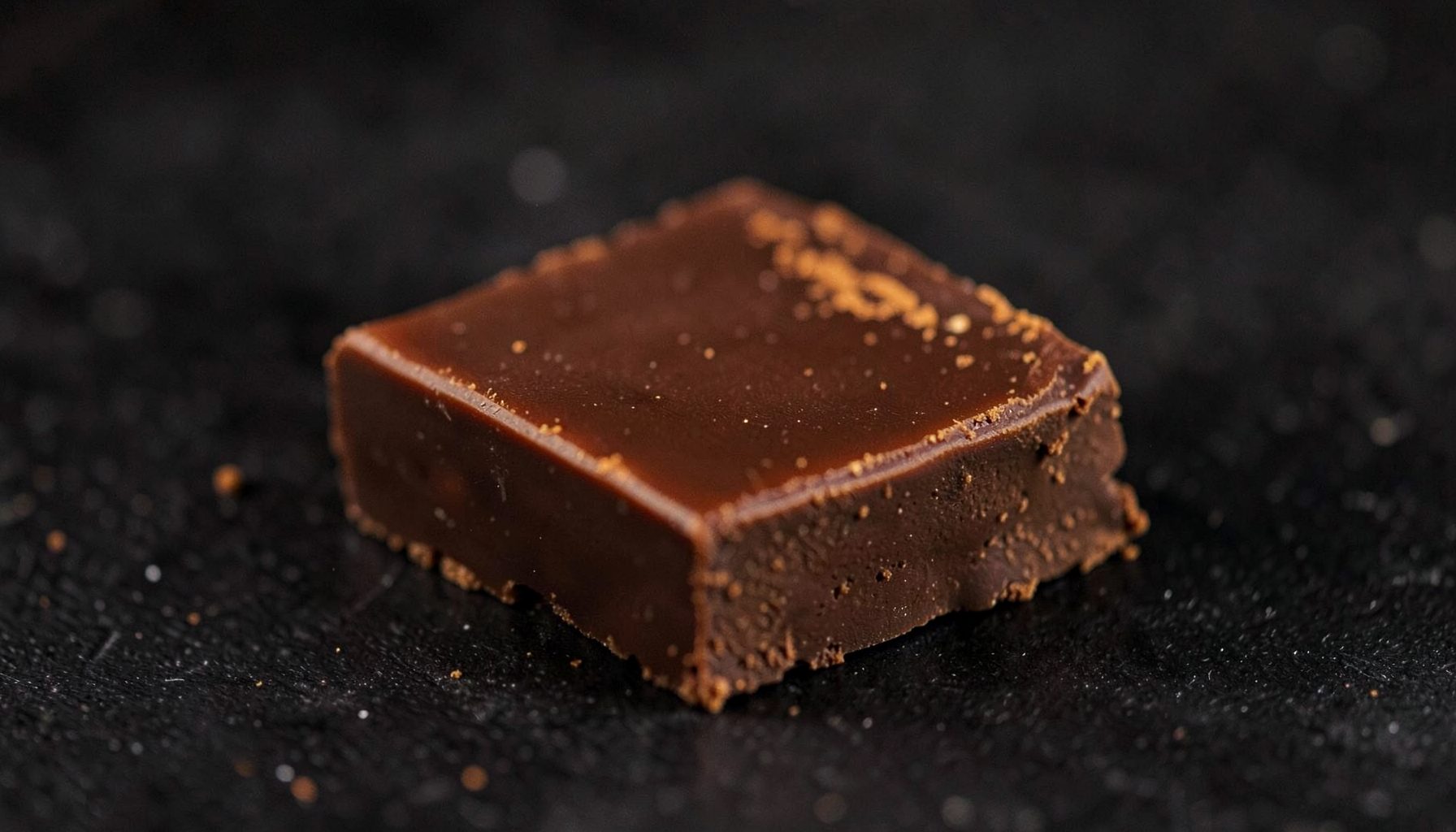
Cinnamon
Warm spiced chocolate with a smooth finish. Single bars and bulk packs available.
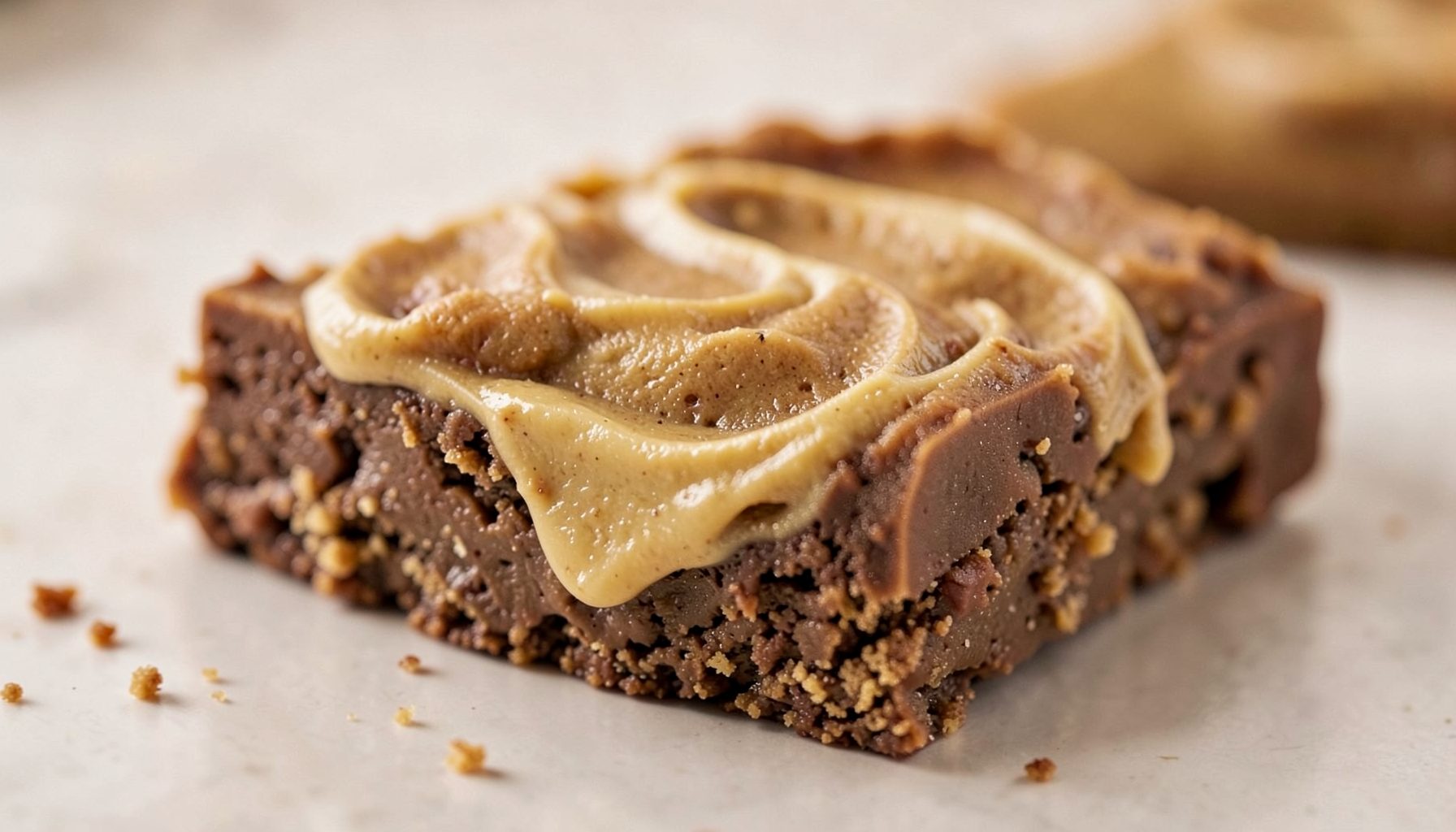
Cookie Butter
Rich, buttery cookie flavor in every bite. Offered in 1-pack and 10-pack options.
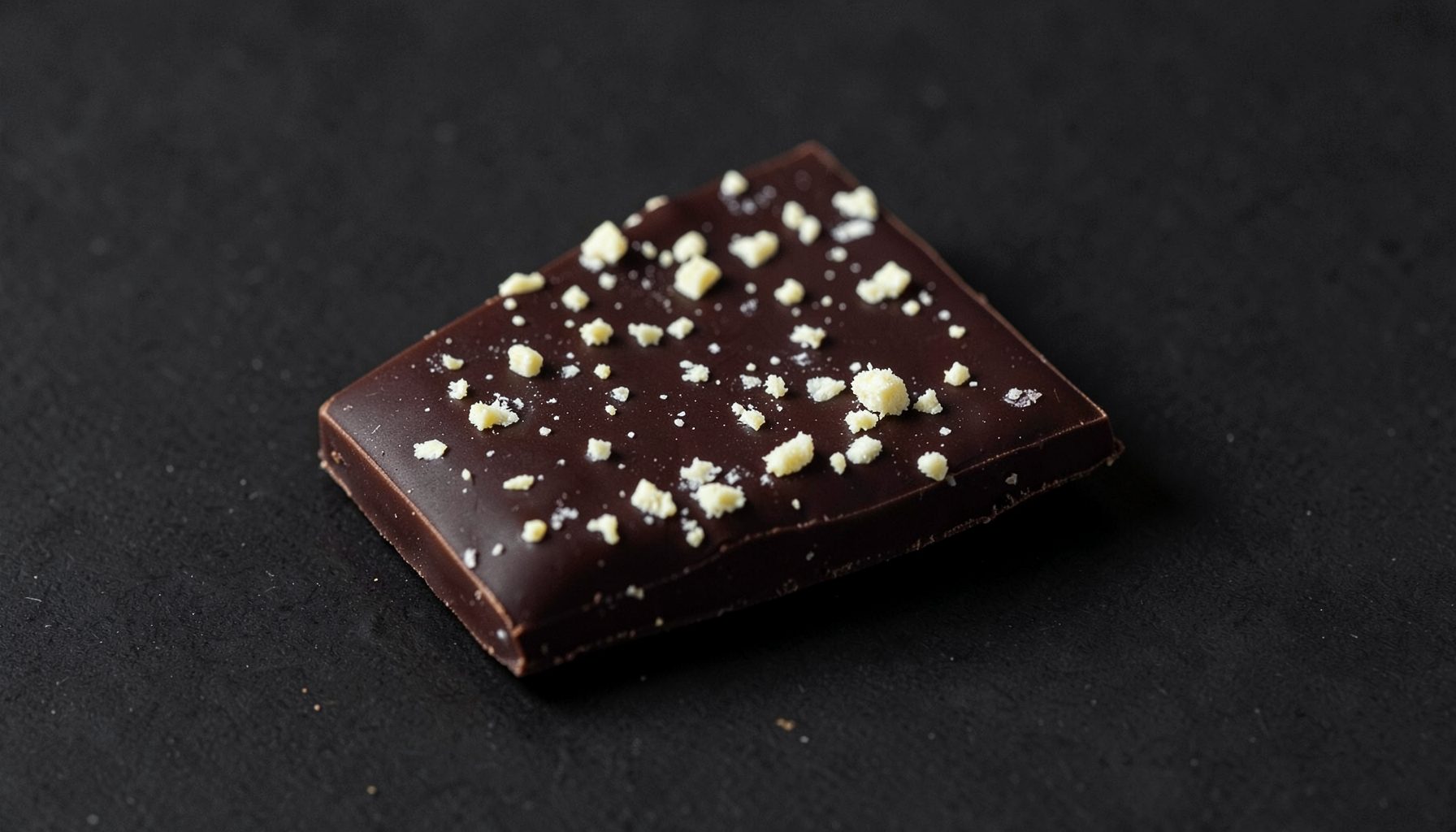
Cookies & Cream
Classic cookies-and-cream taste with a mushroom chocolate twist. 1-pack and 10-pack.
How Mushroom Strains Shape Every Blend We Create
A successful mushroom blend begins long before a flavor is chosen or a package is designed. Each ingredient must earn its place through a careful review of identity, intended experience, compatibility with other components, and the practical needs of the finished product.
For a brand working with mushroom-infused chocolate bars, gummies, and cones, selection is a balance of science, sensory design, consistency, and responsible communication. A strain or species may look appealing on its own, yet perform poorly when combined with cocoa, fruit flavors, sweeteners, or other botanical ingredients.
Our goal is to create blends that feel deliberate from the first ingredient to the last bite. That means evaluating every mushroom source as part of a complete formula rather than treating a strain name as a marketing shortcut.
Starting With Identity And Intended Use
The first question is what role a mushroom should play in the blend. Some ingredients are selected for their earthy character and traditional culinary appeal, while others are considered for their place in a broader functional or recreational formula. The answer determines how we assess flavor, extract format, strength, and compatibility.
We also examine how the mushroom is identified. Common names, species names, strain names, and proprietary blend descriptions can be used inconsistently across the market. A responsible selection process checks the supplier’s documentation, cultivation or sourcing information, processing method, and available testing before an ingredient moves forward.
The finished product must also fit its category and intended serving format. A powdered ingredient that works well in a capsule may need different handling in a chocolate bar or gummy. Moisture, heat, acidity, and storage conditions can all affect stability and sensory quality.
Reviewing Potency, Consistency, And Testing
A strain is useful only when its characteristics can be measured and repeated. We look for batch information that helps our team understand the material’s concentration, physical appearance, moisture content, and expected variation. Consistency makes it easier to create a predictable serving across different production runs.
Laboratory testing is an important part of that review. Depending on the ingredient and product type, testing may address identity, microbial safety, heavy metals, pesticides, residual solvents, and the presence or concentration of relevant compounds. Results should be tied to a specific lot rather than presented as a broad claim about an entire ingredient category.
This information also supports clear label communication. Customers should be able to understand the serving size, ingredient list, and any applicable warnings without having to decode vague terminology. Our guide on how to read serving sizes explains why the amount per piece and the suggested portion are both important when evaluating a product.
Building A Blend That Works In The Finished Product
Mushroom selection is a formulation decision, so we test ingredients in the actual product matrix. Chocolate can soften sharp or earthy notes, while fruit-forward gummies may highlight them. Cones introduce their own considerations, including aroma, texture, and how the blend behaves during filling and storage.
We assess whether a mushroom complements the other ingredients or competes with them. A strong earthy profile may be useful in a rich cocoa formula but distracting in a bright citrus flavor. Likewise, an extract that disperses evenly in one recipe may separate, settle, or create a gritty texture in another.
The table below summarizes the practical questions used during blend development:
| Selection Factor | What We Evaluate | Why It Matters |
|---|---|---|
| Identity | Species, strain description, source, and documentation | Supports accurate ingredient communication |
| Composition | Relevant compounds and expected batch variation | Helps guide serving and consistency decisions |
| Sensory profile | Earthiness, bitterness, aroma, color, and aftertaste | Determines flavor pairing and customer experience |
| Format compatibility | Solubility, dispersion, moisture response, and heat tolerance | Helps the blend perform in bars, gummies, or cones |
| Quality testing | Microbial, chemical, and contaminant screening | Supports product safety and quality control |
| Regulatory fit | Labeling, claims, and market-specific requirements | Keeps the product presentation responsible and compliant |
Every candidate is reviewed against the complete formula. A mushroom that performs well in isolation may be removed if it creates an unpleasant aftertaste, makes the texture unstable, or produces results that are difficult to reproduce.
Balancing Flavor With The Intended Experience
Flavor is a practical selection criterion, not an afterthought. Consumers may enjoy the traditional character of mushrooms in some products, but a pronounced earthy note can be challenging in a sweet confection. We therefore consider how the ingredient interacts with cocoa, vanilla, berry, citrus, tropical, mint, and other flavor systems.
A blend should also feel coherent in its overall experience. Ingredient ratios, serving size, onset expectations, and product format all influence how customers perceive a formula. We avoid treating a long ingredient list as proof of quality. A smaller blend with a clear purpose can be more useful than a crowded recipe with no defined direction.
Communication matters here as well. We distinguish between sensory descriptions, traditional use, and verified product information. Customer-reported wellness or recreational experiences may vary widely, so they should never replace clear labels, responsible serving guidance, or attention to individual sensitivity.
Matching Strains To Seasonal And Flavor Concepts
Some blends are designed as dependable core products, while others are developed around a limited-edition concept. Seasonal formulas may use a new flavor direction, a different color profile, or a special format, but the ingredient review remains consistent. A creative theme does not remove the need for identity checks, compatibility testing, or careful serving information.
Before approving a seasonal release, we consider whether the mushroom profile supports the concept. A warm spice blend may pair naturally with a deeper, earthier ingredient, while a bright summer formula may require a lighter sensory balance. Packaging and naming are reviewed alongside the formulation so the customer receives an accurate impression of the product.
Our history of seasonal flavor releases shows how flavor innovation can add variety without losing a consistent quality focus. Limited availability can create excitement, but it should never be used to obscure what is inside the package or how the product is intended to be used.
Keeping Quality Control In The Process
Selection does not end when a strain is approved. Incoming materials are checked against specifications, and finished products are evaluated for weight, appearance, texture, flavor, packaging integrity, and label accuracy. Retention samples and production records help the team investigate questions that may arise after a batch is released.
We also recognize that mushroom terminology and consumer expectations continue to change. New research, updated regulations, improved testing methods, and supplier information can affect how a blend should be described or managed. A responsible brand keeps reviewing its standards rather than assuming that an old formula will always meet current expectations.
For customers, the most useful signs of a thoughtful product are straightforward: transparent ingredients, understandable serving information, appropriate warnings, and claims that match the available evidence. Products containing psychoactive or otherwise active ingredients should be used only where lawful, kept away from children and pets, and approached cautiously by anyone with relevant health conditions or medication concerns.
What Guides Our Final Decisions
The final formula reflects several decisions made together:
- Confirm the mushroom’s identity and obtain dependable source documentation.
- Review laboratory testing and assess realistic batch-to-batch variation.
- Evaluate flavor, aroma, texture, and stability in the actual product format.
- Set serving information that is clear, conservative, and easy to follow.
- Recheck labeling, packaging, and applicable market requirements before release.
A blend earns approval when it is understandable, repeatable, enjoyable in its format, and supported by responsible quality practices. The name of a strain may attract attention, but the details behind its selection are what give the finished product its character and reliability.
Explore the Diamond Shruumz collection to compare chocolate bars, gummies, cones, flavors, and pack sizes. Read each label carefully, follow the stated serving guidance, and choose a blend that fits your preferences and local requirements.

Send Us a Message
Get in Touch
Have questions about our products or your order? Reach out and we'll get back to you.
- California, USA
- Contact Page