
California • Est. 2019
Premium mushroom chocolate bars, gummies, and cones crafted in California. Bold flavors, uncompromising quality, and a brand built from the ground up.
Explore the CollectionOur Collection
Shruumz Chocolates & Gummies
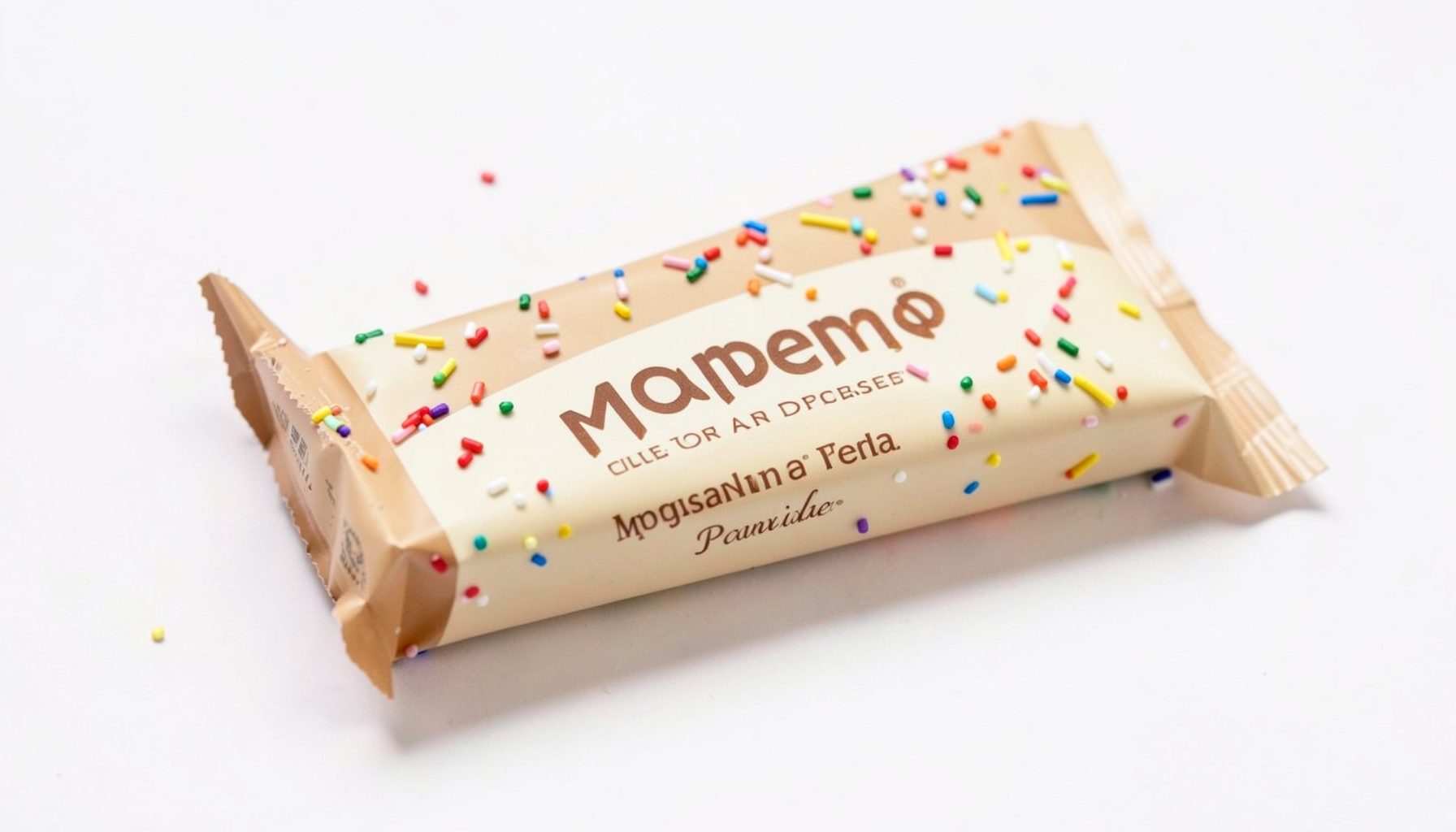
Birthday Cake
Celebratory flavor with a sweet, cake-inspired profile. Available in 1-pack and 10-pack.
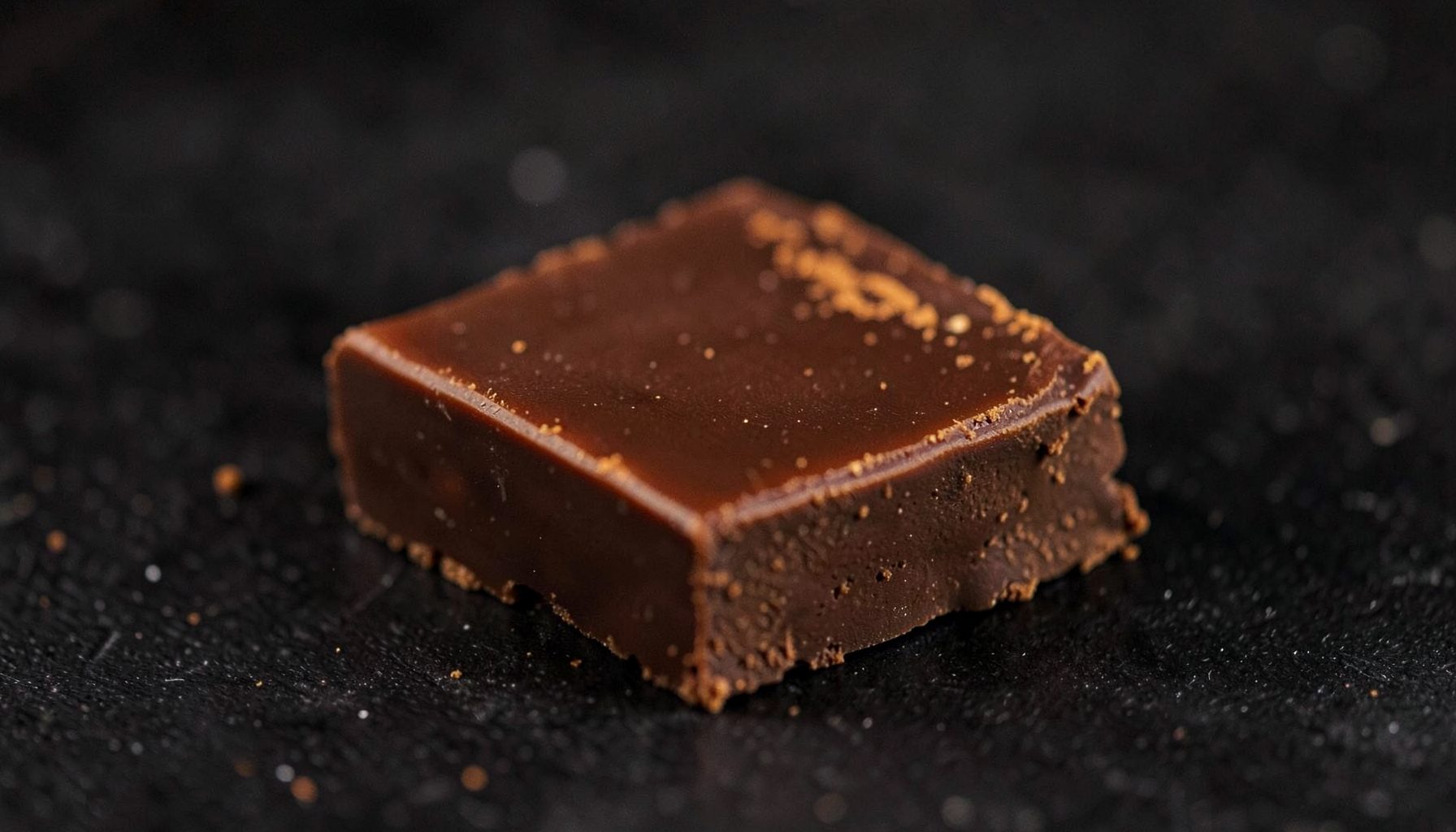
Cinnamon
Warm spiced chocolate with a smooth finish. Single bars and bulk packs available.
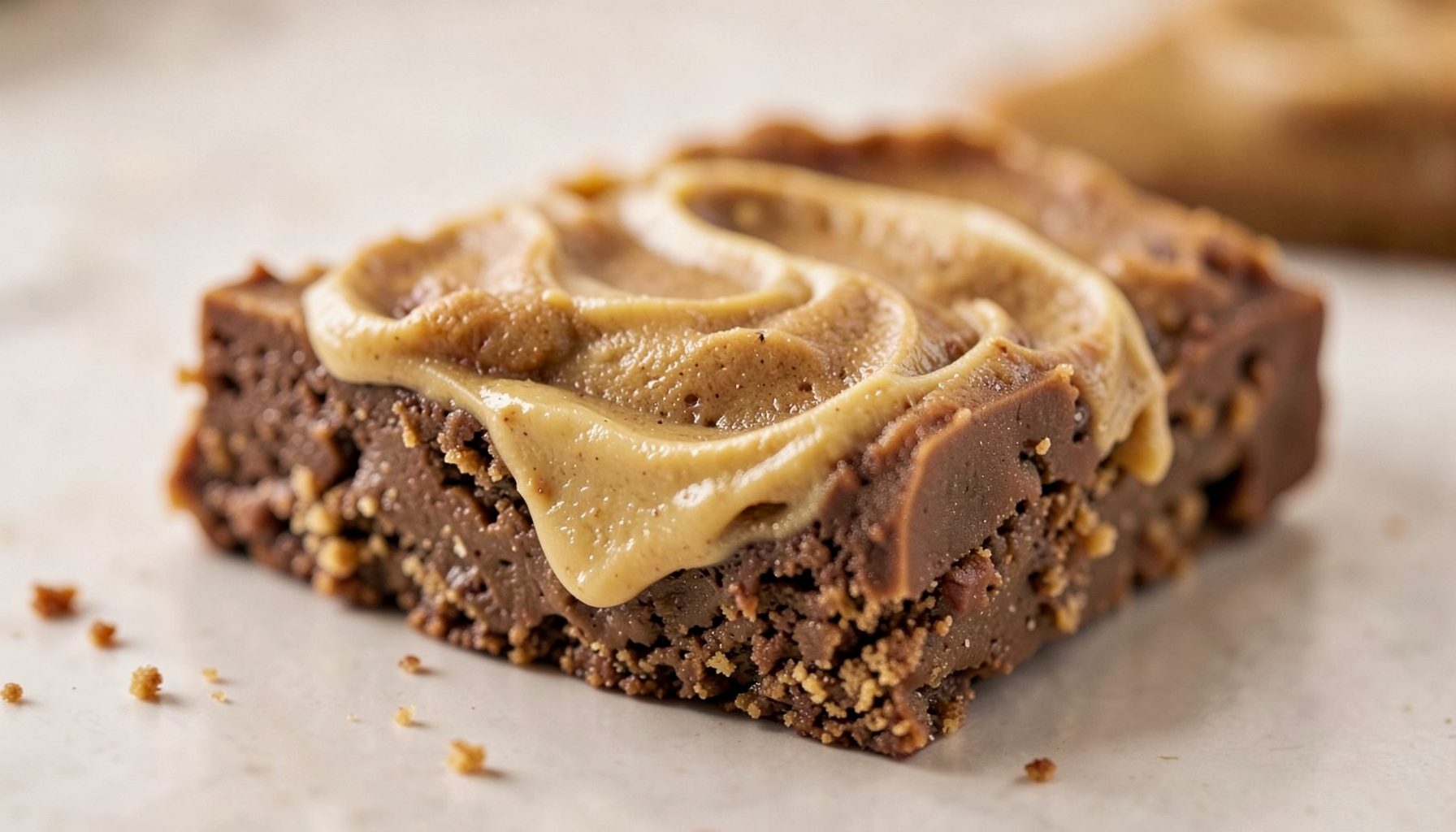
Cookie Butter
Rich, buttery cookie flavor in every bite. Offered in 1-pack and 10-pack options.
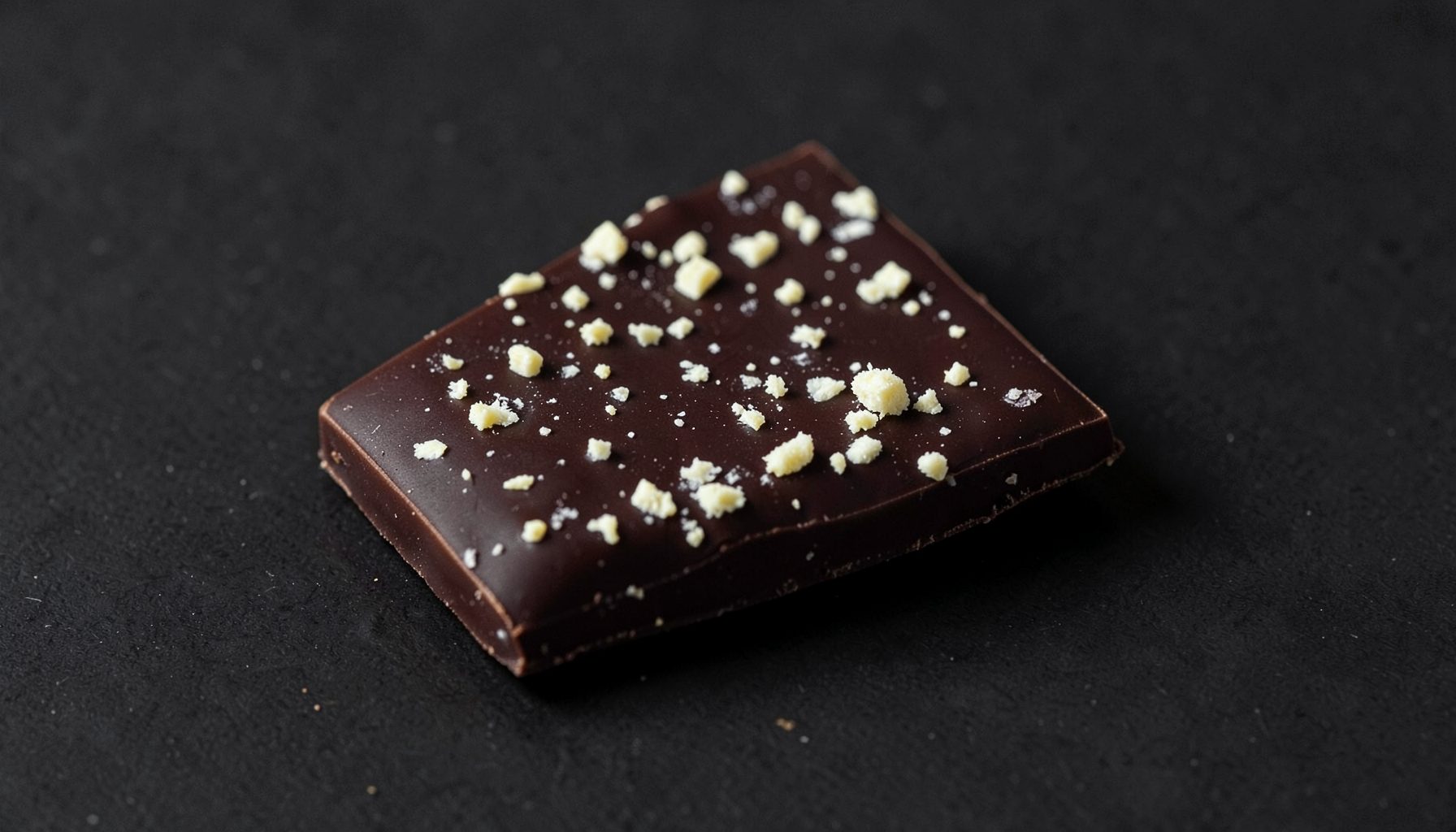
Cookies & Cream
Classic cookies-and-cream taste with a mushroom chocolate twist. 1-pack and 10-pack.
Sourcing Mushrooms from Certified Organic Farms the Right Way
Mushroom-infused chocolate bars, gummies, and cones depend on one thing above all else: the quality of the raw ingredient. When a customer in Sydney opens a wrapper, the experience begins long before the cocoa is tempered, in the soil of a farm that took years to earn its organic credentials.
For a brand built around functional fungi, sourcing is not a back-office task. It shapes flavour, dose potency, and the environmental footprint left behind in distant agricultural communities. Every batch carries a story about soil health, water use, labour practices, and the patient work of regenerative farming.
The standards behind certified organic mushroom cultivation
Organic certification is a layered system covering soil composition, pest management, fertiliser use, and contamination thresholds. For mushroom growers, this translates into substrate made from untreated hardwood, grain, or agricultural waste, with no synthetic fungicides or irradiation allowed during the cultivation cycle. Inspectors visit each farm at least once a year, and unannounced audits can be triggered by any flagged issue.
A farm cannot simply decide to call itself organic. The transition period alone typically stretches across three years, during which growers must follow the rules but cannot market their yield as certified. For specialty mushroom strains used in edible wellness products, that patience pays off in fruiting bodies with a denser concentration of valued compounds.
For Australian buyers, third-party verification by a recognised body such as Australian Certified Organic adds another layer of confidence. Buyers browsing Brisbane specialty stores are increasingly asking where each mushroom came from and which inspector signed off.
Partnering with growers in trusted regions
Sourcing relationships tend to begin with soil tests and conversations rather than purchase orders. The brand works with a small network of farms that have demonstrated consistent harvests, transparent bookkeeping, and a willingness to welcome independent auditors. Many of these growers operate in regions with temperate climates, clean water sources, and long traditions of specialty horticulture.
Site visits include checking substrate humidity, reviewing storage facilities where dried fruiting bodies wait for shipment, and assessing how workers are treated. If any red flag appears, the partnership is paused until corrective action is documented.
The aim is to find growers who see the long game, who compost their spent substrate back into the land, and who rotate crops in ways that improve the soil. Those growers tend to produce stronger, more aromatic mushrooms season after season, and that translates into a more consistent end product.
What this means for the Australian market
Australia has its own regulatory environment for consumable products, overseen by Food Standards Australia New Zealand and, in some cases, the Therapeutic Goods Administration. Ingredients sold openly as food in one country sometimes sit in a different category here, which is why brands shipping mushroom-based items need to be precise about their labelling and dosage claims.
Consumer behaviour has shifted. Shoppers across the country read ingredient panels more carefully than they did a decade ago, and there is growing interest in functional food formats that blur the line between snack and supplement. That shift has placed pressure on retailers to verify the provenance of anything containing novel ingredients.
A clear chain of custody, paired with organic documentation, helps a product clear customs without delays and gives stockists the paperwork they need to answer customer questions. It is also why the brand's main product hub, Diamond Shruumz gummies, includes direct links to sourcing information rather than leaving buyers to guess.
From spore to harvest: cultivation methods
Most of the functional mushroom species used in these products are cultivated on controlled substrate blocks rather than wild-harvested, which makes batch consistency far easier to guarantee. The blocks are prepared indoors under balanced humidity and carbon dioxide levels, then moved to fruiting rooms where mushrooms emerge over several weeks.
During fruiting, growers monitor temperature swings, fresh air exchange, and lighting cycles. Experienced cultivators can tell the difference between a healthy pin and a stressed one by colour and growth rate. Harvesting is done by hand, often at specific times of day when the fruiting bodies contain the highest concentration of active compounds.
Once cut, mushrooms are typically dried at low temperatures to preserve volatile compounds. High heat would degrade the very ingredients customers are paying for, so the dryers are calibrated carefully. Some farms also use freeze-drying for premium batches, though this adds to the cost.
Processing, extraction, and lab verification
After drying, the mushrooms travel to a processing facility where they are milled, sieved, and, in some cases, extracted using hot water or alcohol to concentrate the beneficial compounds. The decision to use a full-spectrum powder versus an extract depends on the intended product. Gummies and chocolate bars often rely on extracts to deliver a consistent dose in a small serving.
Every batch is tested by an independent laboratory for heavy metals, pesticide residues, microbial contamination, and active compound levels. Certificates of analysis are kept on file and can be reviewed by retail partners or regulators on request. This step is non-negotiable, especially for products that travel across borders.
Lab work is also where adulteration risks are caught early. The functional mushroom market has been plagued by products containing grain filler or misidentified species, so DNA barcoding is sometimes used to confirm identity. A farm that shows clean, dated lab reports for each harvest builds trust quickly with downstream buyers.
Sustainability commitments across the supply chain
Organic certification is a starting point, not a finish line. The brand also works with growers who go further, investing in renewable energy for their drying rooms, capturing rainwater for irrigation, and returning spent mushroom substrate to local farms as a soil amendment. These practices reduce waste and keep nutrients cycling within the regional agricultural economy.
Packaging choices at the processing stage also matter. Recyclable pouches, minimal plastic, and consolidated shipping help lower the carbon footprint of each shipment that lands in Australia. Sea freight is favoured over air freight where timelines allow, cutting emissions dramatically even though it adds a few extra days.
Labour practices sit alongside environmental ones. Fair wages, safe working conditions, and access to training are part of the criteria used during partner assessments. The long-term goal is a supply chain that respects both the land and the people working it.
Storage, shelf life, and freshness from farm to consumer
Once mushrooms leave the farm, how they are stored determines how long they retain colour, aroma, and potency. Dried fruiting bodies are kept in low-humidity environments, away from direct light, and sealed in food-grade containers until they are ready to be processed. Even after extraction, the resulting powders need careful handling to avoid degradation.
Customers often ask how long a finished product will stay fresh. The answer depends on the format, the ingredients, and storage conditions, and shelf life details are spelled out on the brand's guide pages. Cool, dry cupboards are usually enough; the bathroom or a sunny windowsill is not the place for these products.
For retailers and curious shoppers, the practical takeaway is simple. Buy from sources that document their cold chain and storage practices, keep products sealed until use, and pay attention to the best-before date printed on each pack.
Recommendations for buyers comparing mushroom products
- Look for a named certifying body on the label, and check whether that body is recognised in Australia.
- Ask for certificates of analysis covering heavy metals, microbes, and active compound levels for the specific batch.
- Prefer suppliers who can name their farms and describe their cultivation methods, rather than those who hide behind generic terms.
- Pay attention to storage instructions and best-before dates, since freshness affects both potency and flavour.
- Consider the full supply chain, including packaging materials and shipping choices, not just the front-label ingredients.
The next step is to cross-reference the documentation behind any mushroom product already in your pantry with the standards described above, and replace anything that cannot pass the check by the end of the shopping week.

Send Us a Message
Get in Touch
Have questions about our products or your order? Reach out and we'll get back to you.
- California, USA
- Contact Page