
California • Est. 2019
Premium mushroom chocolate bars, gummies, and cones crafted in California. Bold flavors, uncompromising quality, and a brand built from the ground up.
Explore the CollectionOur Collection
Shruumz Chocolates & Gummies

Birthday Cake
Celebratory flavor with a sweet, cake-inspired profile. Available in 1-pack and 10-pack.

Cinnamon
Warm spiced chocolate with a smooth finish. Single bars and bulk packs available.
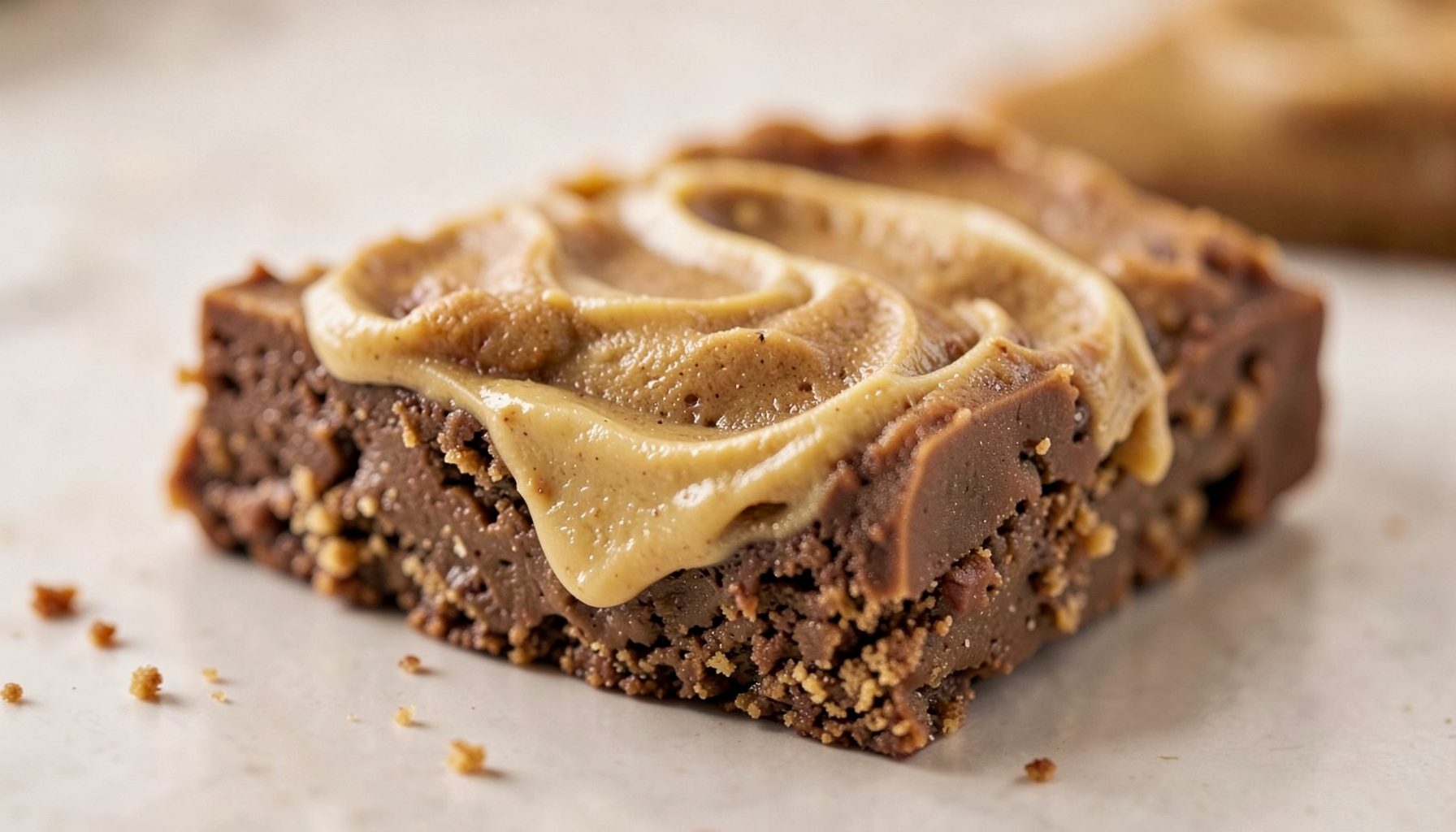
Cookie Butter
Rich, buttery cookie flavor in every bite. Offered in 1-pack and 10-pack options.
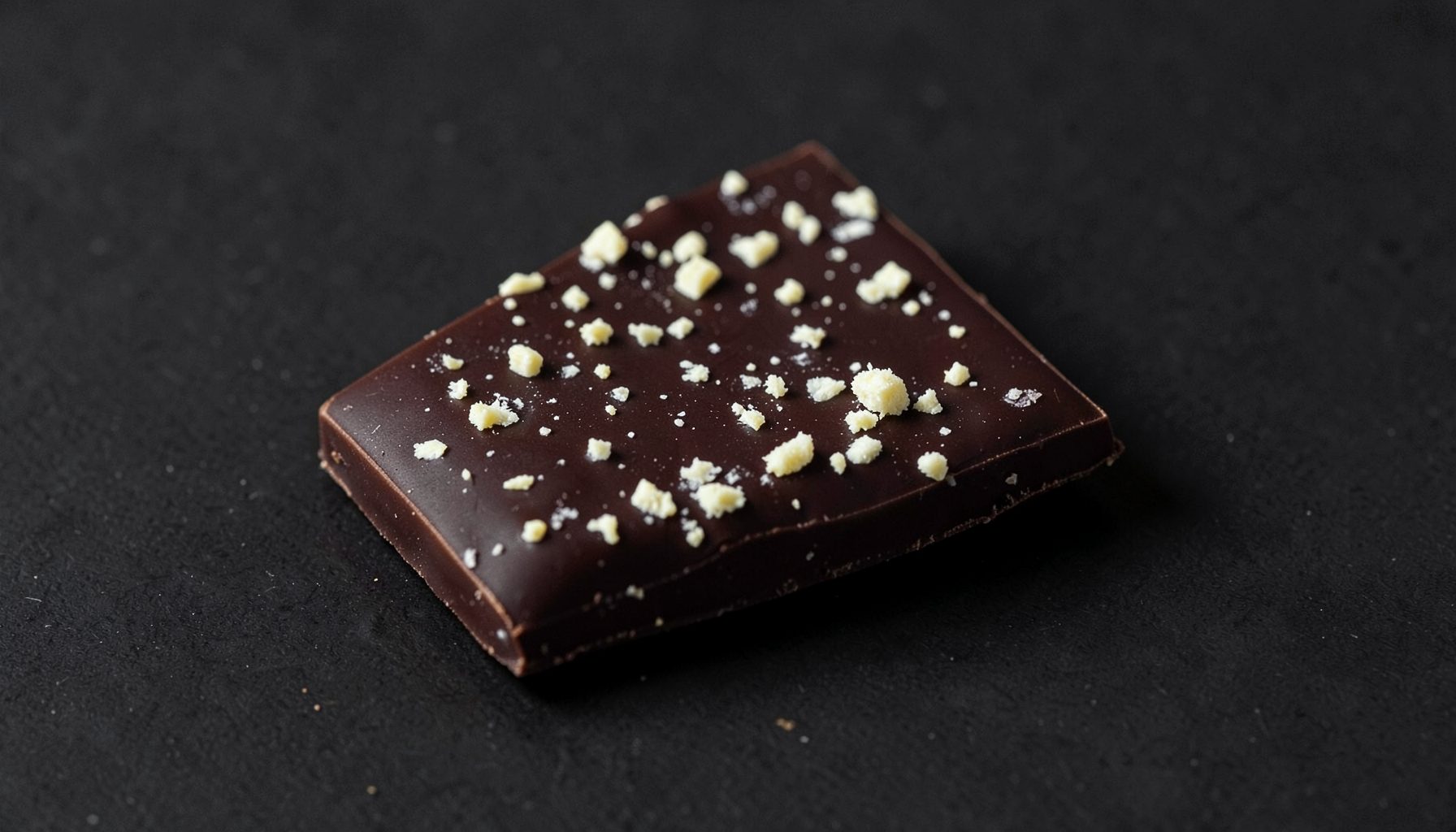
Cookies & Cream
Classic cookies-and-cream taste with a mushroom chocolate twist. 1-pack and 10-pack.
How We Test for Microbial Purity in Every Production Run
Australian shoppers at a Sydney or Melbourne health food store read every label as carefully as the price. They want to know what is in the product, where the ingredients come from, and whether the brand has done the unseen work that justifies a premium shelf position. Microbial purity is one of those quiet credentials that rarely appears on the front of the pack, yet it sits at the centre of every responsible edible mushroom product sold on the Australian market.
Food Standards Australia New Zealand sets strict contaminant thresholds, and summer temperatures along the eastern seaboard can climb past thirty-five degrees, so even a well-formulated recipe can fail if the manufacturing environment is not properly controlled. The Diamond Shruumz team treats every production run as evidence, sending samples through a layered microbiological testing programme before a single bar or gummy is cleared for retail shelves across Australia.
This overview walks through the actual protocols used to verify that each batch meets internal specifications and the expectations of Australian customers. From the moment the cocoa butter is tempered to the final sign-off in the lab, microbial purity is monitored, measured, and documented in detail that rarely makes it into marketing copy.
Sample collection and chain of custody
Before any microbiological assay, a sample must be drawn from the batch in a way that does not contaminate the product it represents. Staff use sterilised scoops, nitrile gloves, and single-use containers pulled from sealed bags inside a designated sampling station. The air around the station is monitored with settle plates, and tools are autoclaved between runs. Each sample is logged with a unique identifier linked to the production date, machine, and operator on shift.
Chain of custody matters because a compromised sample produces a compromised result. Once sealed, the specimen moves into a temperature-controlled carrier and is routed to the in-house laboratory or a third-party partner, depending on the assay. The handoff is recorded in a digital ledger that auditors in Perth and Brisbane offices can review remotely, keeping the chain visible from the facility floor to the final report.
Pathogen screening and plate counts
The first tier of microbiological testing focuses on pathogens no consumer should encounter in confectionery. Salmonella, Listeria monocytogenes, and E. coli are screened using enrichment broths followed by polymerase chain reaction confirmation. A positive flag halts the batch immediately and triggers a root-cause review covering ingredient suppliers, equipment sanitation, and employee hygiene.
Alongside pathogen work, total aerobic plate counts and total yeast and mould counts give a broader picture of microbial load. These figures show whether the production environment is held within the tight limits expected of a GMP-certified facility. We compare every reading against historical baselines, so a sudden drift is caught even when absolute numbers remain within specification. For full context, the story of how we developed our signature chocolate recipe traces the parallel work on ingredients and process control that produced the current protocols.
Yeast, mould, and environmental fungi
Chocolate and gummy matrices are particularly hospitable to mould if water activity is not carefully managed. Our laboratory runs water activity tests on every batch alongside yeast and mould plate counts, because a low reading on one does not always guarantee the other. Lots that fall outside the internal threshold are diverted into rework or disposal, never released for retail sale.
Environmental monitoring extends beyond the finished product. Swab tests are taken from conveyor belts, depositor nozzles, and air handling units on a rotating schedule. Australian summers add pressure on cooling systems, so swab frequency increases during the warmer months when humidity along the eastern coast climbs. Catching a fungal hotspot on equipment is far easier than catching it in a finished bar, which is why the swab programme carries as much weight as the finished-product assays.
Third-party verification
Internal testing gives fast feedback during production, but independent verification is what gives Australian retailers confidence. Each quarter, finished products are sent to an ISO 17025-accredited laboratory for a full panel of microbiological tests that mirrors, and in some cases exceeds, the in-house programme. Results are compared against our internal data, and any disagreement prompts an investigation rather than a dismissal of either dataset.
The relationship with the third-party lab also serves as an external check on sampling technique. If in-house counts are consistently lower than the independent lab's, we look at whether our sampling method is missing hotspots. If they are consistently higher, we examine whether our sanitation regime has drifted. Either way, the dialogue between the two laboratories keeps the testing programme honest.
Holding batches until results return
Speed matters in food manufacturing, but not at the expense of safety. Every batch produced is held in a designated quarantine zone until microbiological results are reviewed and signed off by the quality manager. For pathogen panels, the hold typically lasts between forty-eight and seventy-two hours. Accelerated PCR methods shorten this window without sacrificing the sensitivity required to detect low-level contamination.
The hold zone is physically separated from the released-goods area, with colour-coded pallets and clear signage so warehouse staff in Adelaide or regional distribution hubs cannot accidentally pull a quarantined batch. Digital locks on the hold zone doors tie into the same ledger used for sample tracking, so a batch cannot be moved until the corresponding test report is attached to its record. This is a deliberate bottleneck, and one the team is happy to defend.
Documentation and traceability
Every assay produces a certificate of analysis stored alongside the batch record for a minimum of seven years. The certificate lists the methods used, detection limits, actual results, and the analyst who signed off on the work. Australian regulators, retail buyers, and internal auditors can request any of these documents and receive them within a working day.
Traceability runs in both directions. From a finished bar, we can trace back to the lot numbers of every ingredient, the machine operators on shift, the cleaning records for the equipment used, and the environmental monitoring data for the room. From an ingredient lot, we can identify every batch that included it, regardless of whether those batches have already shipped. This dual view allows a recall, if one ever becomes necessary, to be surgical rather than sweeping.
Adapting protocols for Australian conditions
Australian conditions shape our testing schedule in ways that do not apply to cooler climates. The country's strong UV index and dry inland air can affect how swabs are stored during transport to the lab, so samples are packed in insulated boxes with temperature loggers. During the wet season across northern Queensland, humidity controls in the production hall are adjusted and environmental monitoring frequency increases to compensate for the higher moisture load on the building envelope.
Consumer expectations also play a role. Buyers at specialty retailers from Fremantle to Cairns routinely ask about third-party certification, allergen statements, and lab reports, and the answers sit in the documentation described above. Protocols are reviewed annually against updated Food Standards Code requirements and emerging research on edible mushroom ingredients, because a testing programme that does not move with the science behind it quickly becomes a compliance exercise rather than a quality tool.
The practical takeaway is straightforward. Microbial purity is not a single test or a single result but the combination of disciplined sampling, layered microbiological assays, independent verification, and clear documentation that allows a mushroom-infused edible to reach an Australian customer with confidence. Every batch carries that combination in its paperwork, even if the shopper at a Sydney health store never has to ask. The finished premium chocolate collection reflects the same attention to detail described above.

Send Us a Message
Get in Touch
Have questions about our products or your order? Reach out and we'll get back to you.
- California, USA
- Contact Page