
California • Est. 2019
Premium mushroom chocolate bars, gummies, and cones crafted in California. Bold flavors, uncompromising quality, and a brand built from the ground up.
Explore the CollectionOur Collection
Shruumz Chocolates & Gummies
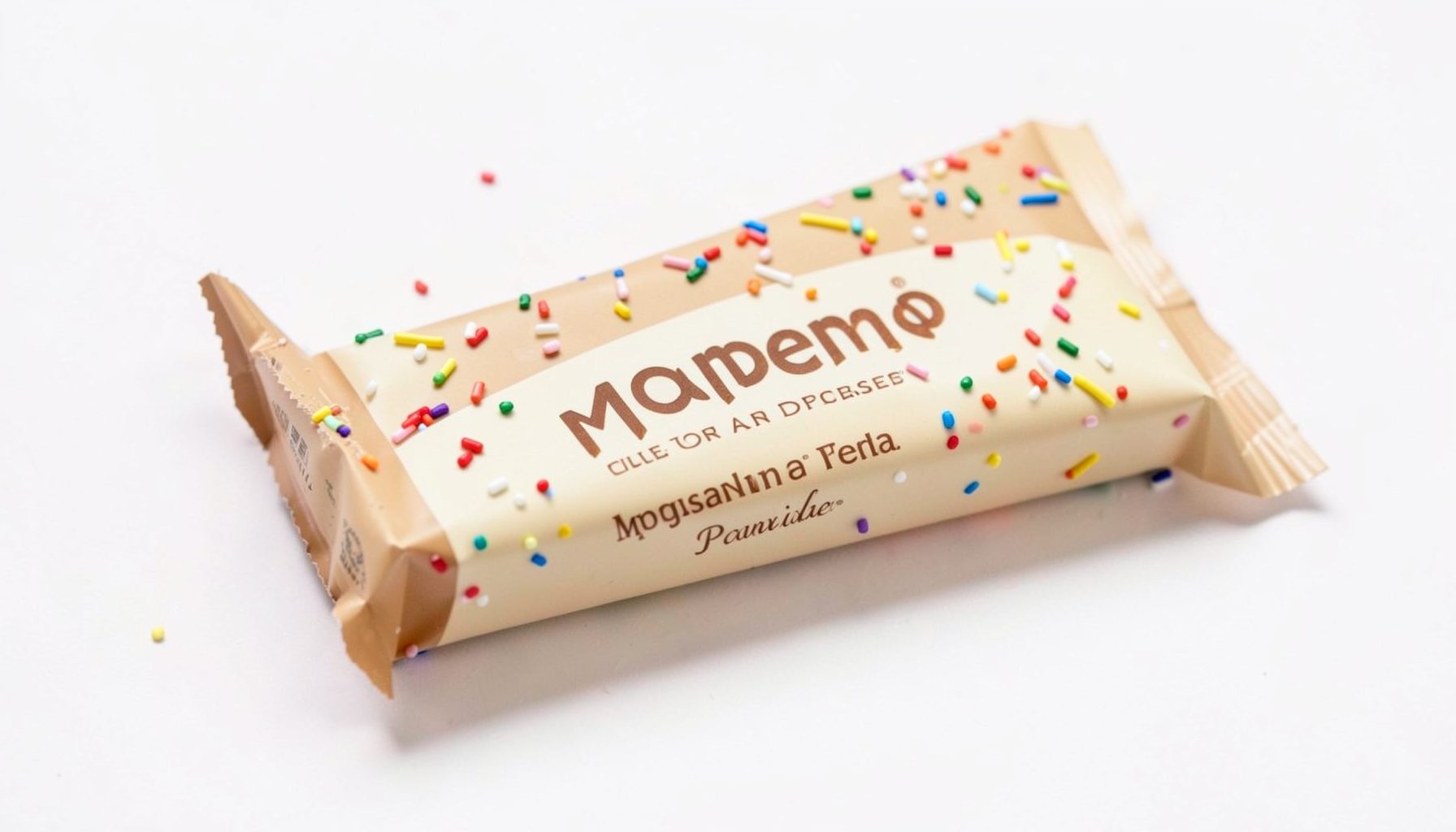
Birthday Cake
Celebratory flavor with a sweet, cake-inspired profile. Available in 1-pack and 10-pack.

Cinnamon
Warm spiced chocolate with a smooth finish. Single bars and bulk packs available.

Cookie Butter
Rich, buttery cookie flavor in every bite. Offered in 1-pack and 10-pack options.

Cookies & Cream
Classic cookies-and-cream taste with a mushroom chocolate twist. 1-pack and 10-pack.
How We Train Our Staff on Product Knowledge
A knowledgeable team is essential when customers are choosing mushroom-infused chocolates, gummies, or cones. Product education at Diamond Shruumz goes beyond memorizing flavor names. Staff members learn how each product is presented, what information belongs on the package, how serving guidance should be discussed, and where customers can find additional details.
Our training approach is designed to make conversations clear, responsible, and useful. Team members become familiar with the collection, ingredients, formats, pack sizes, sourcing information, and the differences between products so they can explain choices without making exaggerated promises.
Training also reflects the way people shop. Some customers begin with flavor, while others care about ingredients, extraction methods, portioning, or the kind of experience they hope to have. Staff learn to listen first, then provide information that fits the customer’s needs and the product’s published guidance.
Learning the collection from the inside out
Every training cycle begins with a structured review of the current product range. Team members study the available chocolate bars, gummies, and cones, including their flavor profiles, formats, package sizes, and stated ingredients. This gives staff a complete view of the collection rather than an isolated understanding of one popular item.
Product familiarity includes recognizing differences in texture, serving format, and use occasion. A chocolate bar may appeal to someone who prefers individually portioned pieces, while gummies can offer a different taste and texture. Cones may attract customers looking for another format altogether. Staff learn to describe these distinctions accurately without suggesting that one format is universally better.
The team also reviews packaging and product pages as part of its routine. For shoppers comparing options, the chocolate bar collection provides a useful reference for flavors, presentation, and available choices. Staff are trained to guide customers toward those published details instead of relying on memory when a specification may have changed.
Building ingredient and sourcing literacy
Ingredient transparency is a central part of product knowledge. Team members learn how to locate ingredient statements, identify key components, and explain that customers should review packaging carefully for the most current information. They are also taught to avoid turning a general ingredient description into a medical or therapeutic claim.
Sourcing education helps staff explain the brand’s quality-focused approach in plain language. Training covers how products are developed, how ingredients are selected, and why consistency matters across batches. The goal is not to overwhelm customers with technical language, but to give them enough context to make an informed choice.
Mushroom terminology receives special attention. Staff review the difference between a mushroom ingredient, an extract, and a broader blend, while recognizing that the exact meaning depends on the product and its labeling. The brand’s educational material on the mushroom extraction process helps team members understand the science behind extraction and communicate it more clearly.
Understanding serving information and responsible guidance
Product knowledge must include dosing and serving information. Staff learn to point customers to the serving guidance supplied with each product and to explain that individual responses can vary. They do not recommend taking more simply because a customer wants a stronger experience, and they avoid presenting personal anecdotes as predictable outcomes.
Training emphasizes a measured approach. Customers should understand the labeled serving size, how many pieces or portions a package contains, and why reading the package matters. Staff also remind customers to consider relevant personal circumstances, including sensitivities, medications, age restrictions, and local requirements, when applicable.
The following framework keeps customer conversations consistent while leaving room for product-specific details:
| Knowledge area | What staff review | How it supports customers |
|---|---|---|
| Format | Chocolate bars, gummies, and cones | Helps shoppers compare texture, convenience, and presentation |
| Flavor | Available flavor profiles and variations | Makes it easier to choose based on taste preferences |
| Ingredients | Ingredient statements and product details | Supports careful, informed purchasing decisions |
| Serving guidance | Labeled portions and package information | Encourages measured use and responsible expectations |
| Extraction | Basic terminology and educational resources | Gives customers useful context without unnecessary jargon |
| Quality | Sourcing, consistency, and packaging practices | Explains the brand’s approach to product care |
Practicing clear customer conversations
Knowledge becomes useful when staff can communicate it naturally. Training includes role-play sessions based on common customer questions, such as “Which flavor is mildest?”, “How many pieces are in a package?”, or “What is the difference between a gummy and a chocolate bar?” Employees practice answering directly before adding optional detail.
They also learn when to pause and verify information. If a question involves a current ingredient statement, a specific batch, or a regulatory matter, the correct response is to consult the package or an approved resource. Guessing may sound confident, but accurate product education depends on dependable information.
Conversation training includes language standards. Staff describe reported experiences as individual perspectives rather than guaranteed results. They avoid diagnosing conditions, promising health benefits, or implying that a mushroom-infused product is appropriate for everyone. This keeps the customer experience informative and grounded.
Keeping knowledge current across the team
Product education is an ongoing process because collections, packaging, flavor availability, and published guidance can change. Team members receive refreshers when a new product is introduced or when existing product information is updated. Updates are organized around the details customers are most likely to ask about.
Short review sessions help reinforce the fundamentals. Staff may revisit a product card, compare two formats, or complete a quick knowledge check. These activities help identify gaps before they appear in customer conversations and keep information consistent across the team.
Feedback also plays a role. Questions that frequently arise in customer interactions are collected and used to improve training materials. If shoppers regularly ask about serving formats, extraction, or ingredients, those topics receive additional attention in the next staff briefing.
Measuring confidence, accuracy, and judgment
A successful training program measures more than how many facts an employee can recite. Supervisors assess whether team members can find accurate information, explain it in accessible language, and recognize the limits of what they should say. A confident answer is valuable only when it is also responsible and supported by product information.
New staff typically progress through product orientation, guided practice, and supervised customer conversations. Each stage gives them a chance to demonstrate knowledge before handling more detailed questions independently. Coaching focuses on clarity, listening skills, and the ability to direct customers to packaging or official resources.
The core expectations for every team member include:
- Explain the differences among product formats, flavors, and package sizes.
- Locate current ingredient, serving, and product information quickly.
- Describe extraction and sourcing concepts without unnecessary technical language.
- Avoid medical claims, guaranteed outcomes, and unsupported personal recommendations.
- Encourage customers to read labels and make choices appropriate to their circumstances.
Turning training into a better product experience
When staff understand both the products and the boundaries of responsible communication, customers receive a more useful shopping experience. They can explore the Diamond Shruumz collection with clearer expectations, compare formats confidently, and find reliable answers without pressure.
Our team continues to build product knowledge through updated materials, practical exercises, and careful attention to customer questions. Explore the available flavors and formats, review the product information, and connect with Diamond Shruumz staff for guidance rooted in clarity, care, and informed choice.

Send Us a Message
Get in Touch
Have questions about our products or your order? Reach out and we'll get back to you.
- California, USA
- Contact Page