
California • Est. 2019
Premium mushroom chocolate bars, gummies, and cones crafted in California. Bold flavors, uncompromising quality, and a brand built from the ground up.
Explore the CollectionOur Collection
Shruumz Chocolates & Gummies
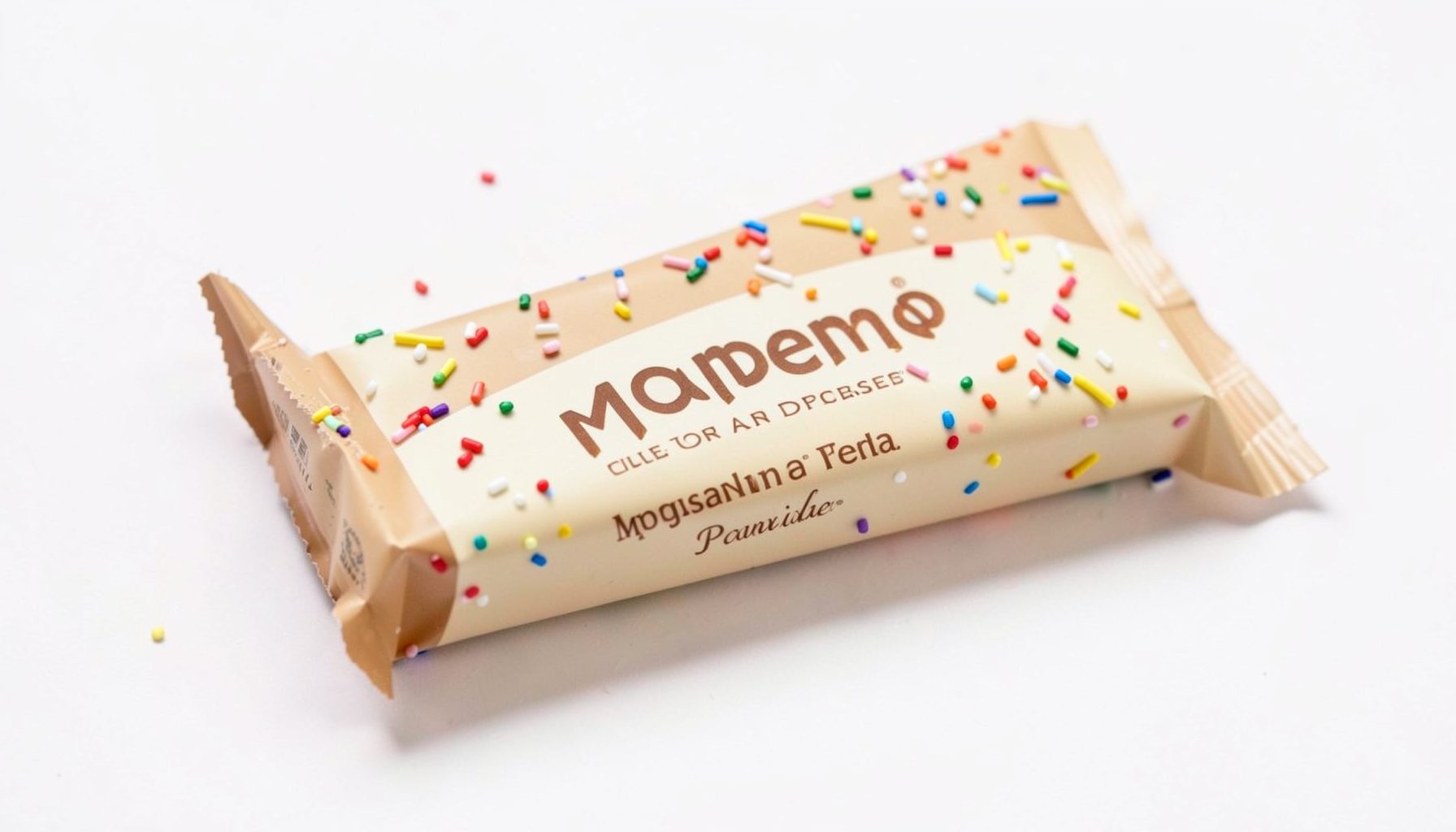
Birthday Cake
Celebratory flavor with a sweet, cake-inspired profile. Available in 1-pack and 10-pack.
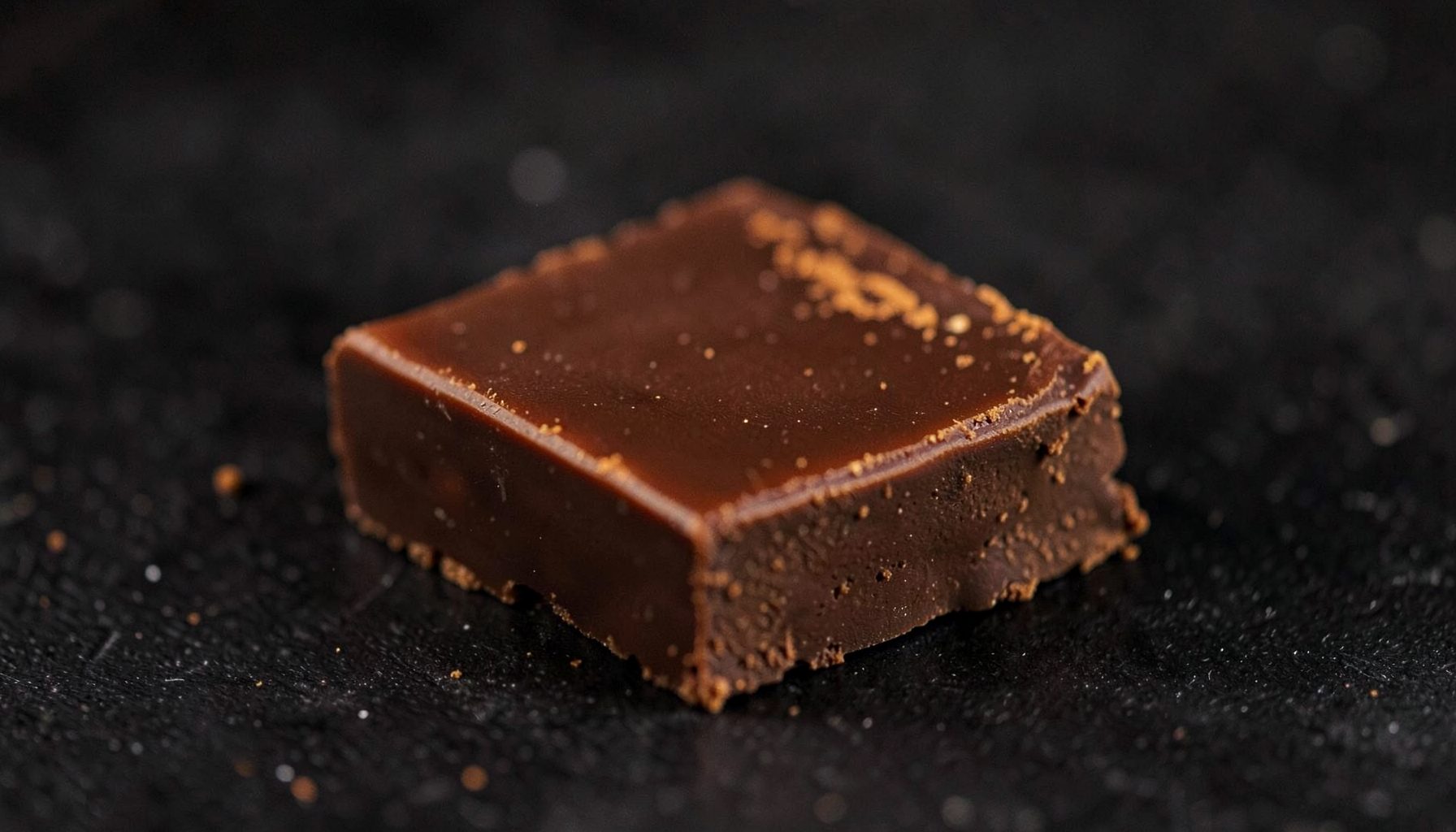
Cinnamon
Warm spiced chocolate with a smooth finish. Single bars and bulk packs available.
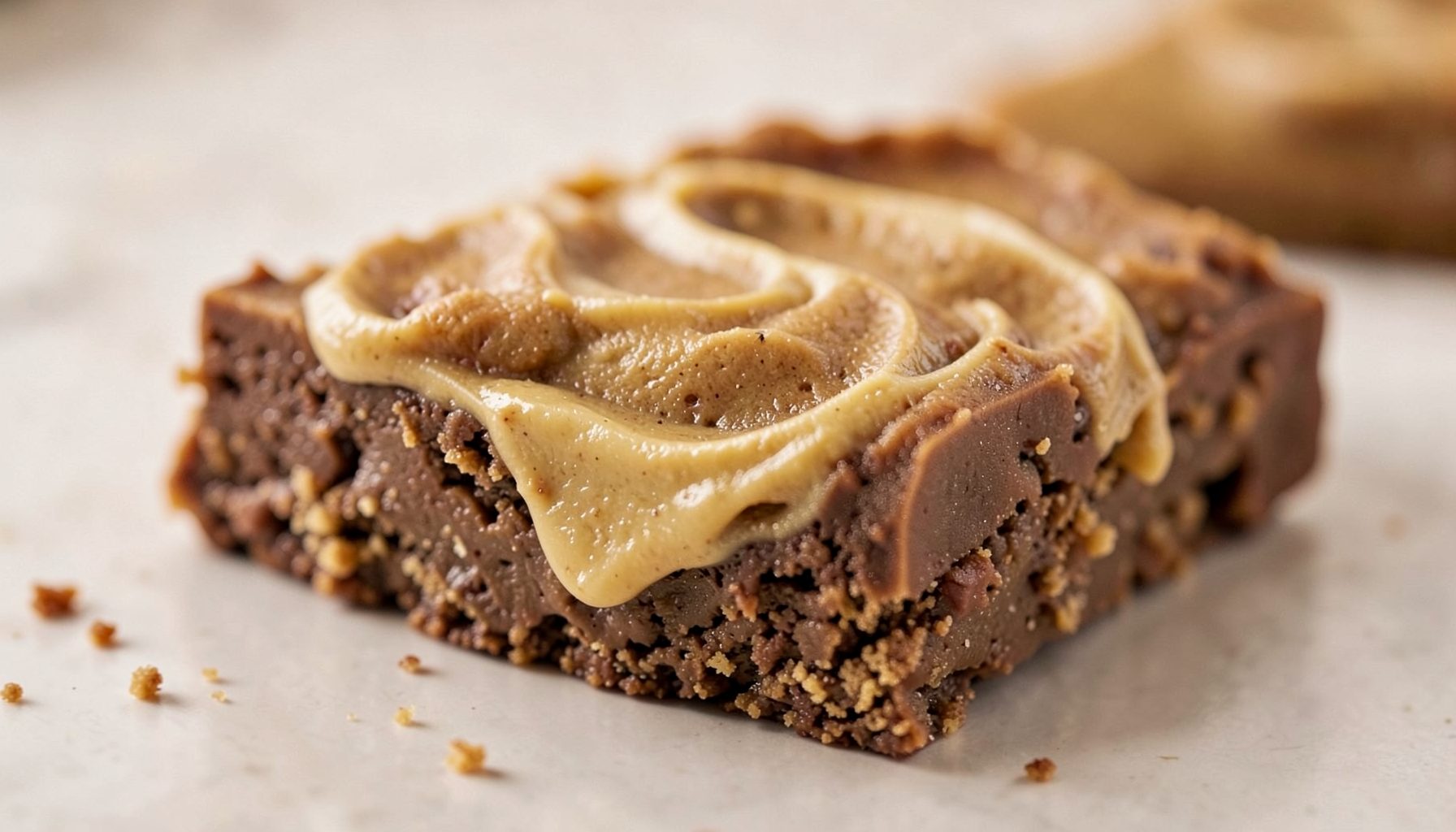
Cookie Butter
Rich, buttery cookie flavor in every bite. Offered in 1-pack and 10-pack options.
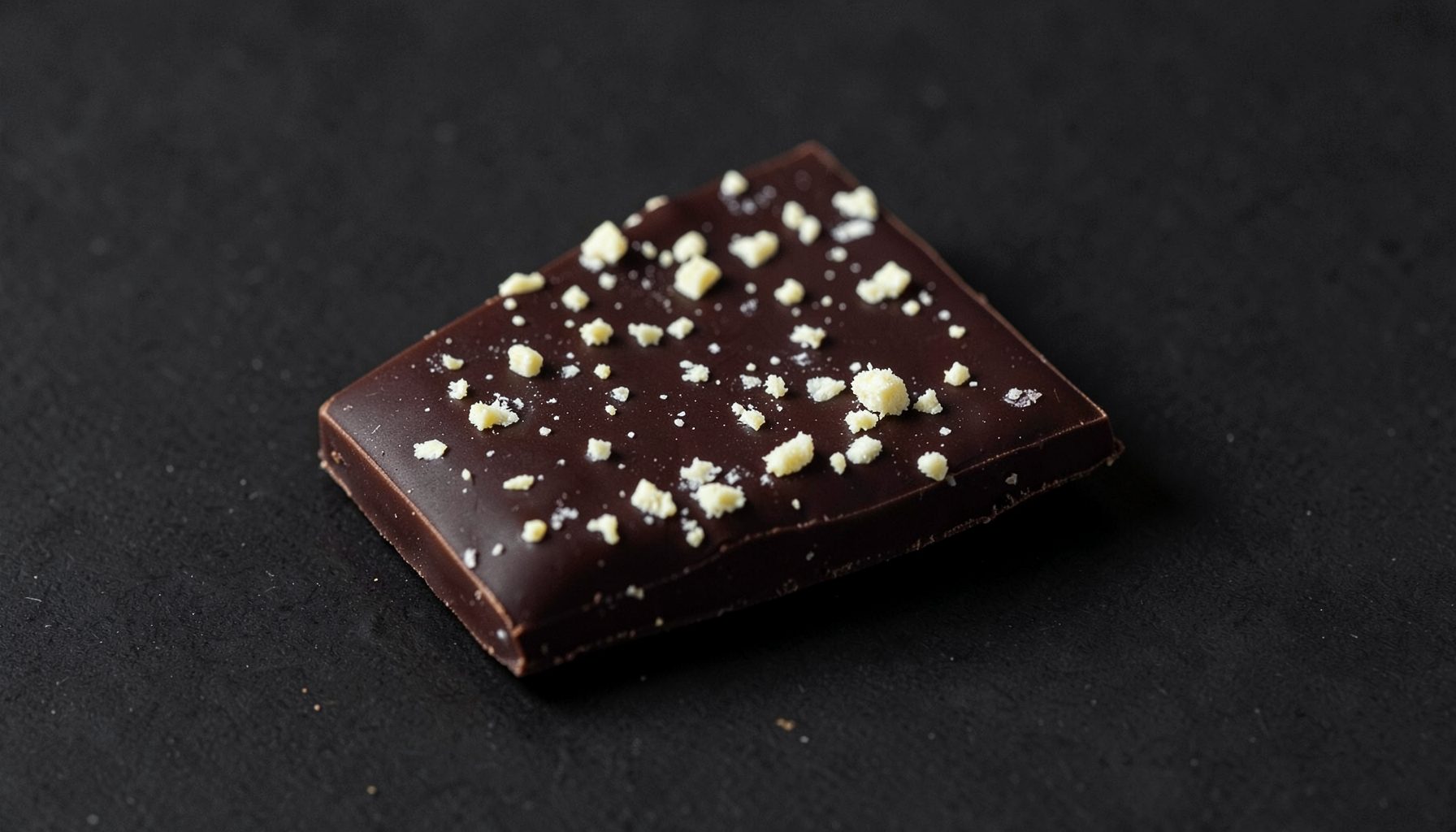
Cookies & Cream
Classic cookies-and-cream taste with a mushroom chocolate twist. 1-pack and 10-pack.
The art of pairing our chocolate with wine or coffee
Chocolate and coffee are natural partners because both reward attention to aroma, roast and texture. A square of Diamond Shruumz can introduce earthy mushroom notes, fruit, spice or caramel, depending on the flavour. The pairing works best when the drink supports those notes instead of burying them in sweetness.
Wine brings acidity, tannin and sometimes a little sparkle to the same tasting. In Australia, where a 150 mL glass is a familiar restaurant pour and BYO is common, even a small wine sample can change the pace of a chocolate tasting. The aim is balance: one clear flavour, measured portions and enough time to notice how each finishes.
Let the bar lead
Begin with the label rather than a preset rule. Note the cacao percentage, added sugar, fruit, nuts, spice and the type of mushroom used. Diamond Shruumz offers bars, gummies and cones in more than 20 flavours, so a flight becomes more informative when each piece is treated as its own ingredient profile. A 70 per cent bar is not automatically superior to milk chocolate; it simply behaves differently beside coffee and wine.
The useful question is which aromas remain distinct. Bright fruit, citrus and floral notes usually tolerate a lively wine or light-roast filter coffee. Deep cocoa, nuts and roast seek a fuller-bodied partner. Earthy mushroom flavours can work with both, provided the drink has enough acidity to keep the bite clean.
Ingredient transparency gives the taster useful clues too. Diamond Shruumz's colour policy guide explains why the brand avoids artificial colours and preservatives, while the ingredient list shows where colour and sweetness are coming from. Artificial flavours can make two superficially similar bars difficult to compare, so read the panel before judging the pairing.
Build a wine pairing for Australian tables
Australian wine makes an unusually practical laboratory because familiar regional styles cover several distinct directions. Barossa Shiraz offers ripe plum and firm tannin, Hunter Semillon supplies sharp citrus, Yarra Valley Pinot Noir leans towards cherry, and Margaret River Cabernet Sauvignon can bring cedar and dark fruit. Use those differences to match the chocolate rather than serving one drink for every square.
A dark, fruit-led bar sits comfortably beside a soft, ripe Shiraz, while sparkling wine from Tasmania can frame a berry or vanilla flavour with bubbles and acidity. A bright Semillon is especially useful with an earthy mushroom bar because its citrus lift prevents the savoury notes from feeling heavy. For a coffee-forward bar with caramel, choose a lighter red or sparkling rosé whose sweetness does not double the cocoa.
Pacing matters as much as the match. In a pub or at a BYO dinner, ask for a tasting pour where available and begin with the least sweet item, moving towards richer chocolate afterwards. Keep water nearby, eat slowly and stop if the combination makes the alcohol feel stronger. Before adding exercise to the day, read the mushroom and exercise guide for timing and safety considerations. In Australia, psilocybin remains a tightly controlled substance, so verify the product and local law; never drive after alcohol or any psychoactive preparation.
Match coffee to roast and intensity
Australia's café culture gives the pairing plenty of local character. A long black in a Melbourne laneway café, a flat white ordered with lunch in Sydney or a small piccolo at the bar all present coffee differently. Filter coffee reveals origin and fruit, espresso concentrates sweetness and roast, and milk rounds off acidity while adding body.
Start with the chocolate's weight. A 60–70 per cent bar or a dark-roast espresso suits nuts, caramel and bittersweet cocoa. A milk-chocolate bar with red fruit can pair with a bright washed Colombian or Ethiopian filter, while a lighter Kenyan coffee brings acidity to a berry-covered piece. An earthy mushroom bar often prefers a clean medium roast so the coffee does not compete with its savoury character.
For a wider comparison, the official chocolate shop is a useful place to check familiar bar formats before building a Diamond Shruumz tasting flight. Keep each coffee small: 30 mL of espresso or 60 mL of filter is enough for two or three chocolate samples. If using a flat white, taste the chocolate before adding milk, because dairy can mute the fruit and spice notes.
Use a measured tasting method
A controlled tasting makes subtle differences easier to detect. Set out one chocolate at a time, prepare the drink, and give both enough time to reach drinking temperature before the first bite.
- Choose one bar and one drink so the first comparison stays clean.
- Break the bar into three equal tasting squares rather than eating a full serving.
- Sip the coffee or wine before the chocolate to establish its own sweetness and acidity.
- Taste the chocolate alone, then take a small bite followed by another sip.
- Keep plain water and plain crackers nearby to reset the palate.
- Note aroma, sweetness, bitterness, acidity, texture and the length of the finish.
- Save richer, more alcoholic pairings for later and allow time before driving.
A useful record contains only a few details: the bar, the drink, the serving temperature and the winning combination. Repeat the strongest pair with the same proportions next time; consistency reveals more than changing every variable at once.
Create a repeatable house pairing
Turn the best result into a house pour rather than an occasional experiment. At a BYO dinner, guests can compare the same Diamond Shruumz flavour with a Hunter Semillon and a coffee from the local roast, then vote with a single token each. That format keeps the Australian social habit of sharing a bottle while giving every pairing a fair test.
Keep a short tasting card with each bar you buy: one wine style, one coffee order and the quantities that worked. Adjust next time by changing only one variable, such as a slightly lighter roast or a smaller pour. A repeatable pairing is usually the result of fewer ingredients and clearer ratios, not a more elaborate setup.
Tomorrow, break off one square of your chosen bar and set it beside a measured 30 mL espresso or 45 mL wine sample.

Send Us a Message
Get in Touch
Have questions about our products or your order? Reach out and we'll get back to you.
- California, USA
- Contact Page