
California • Est. 2019
Premium mushroom chocolate bars, gummies, and cones crafted in California. Bold flavors, uncompromising quality, and a brand built from the ground up.
Explore the CollectionOur Collection
Shruumz Chocolates & Gummies
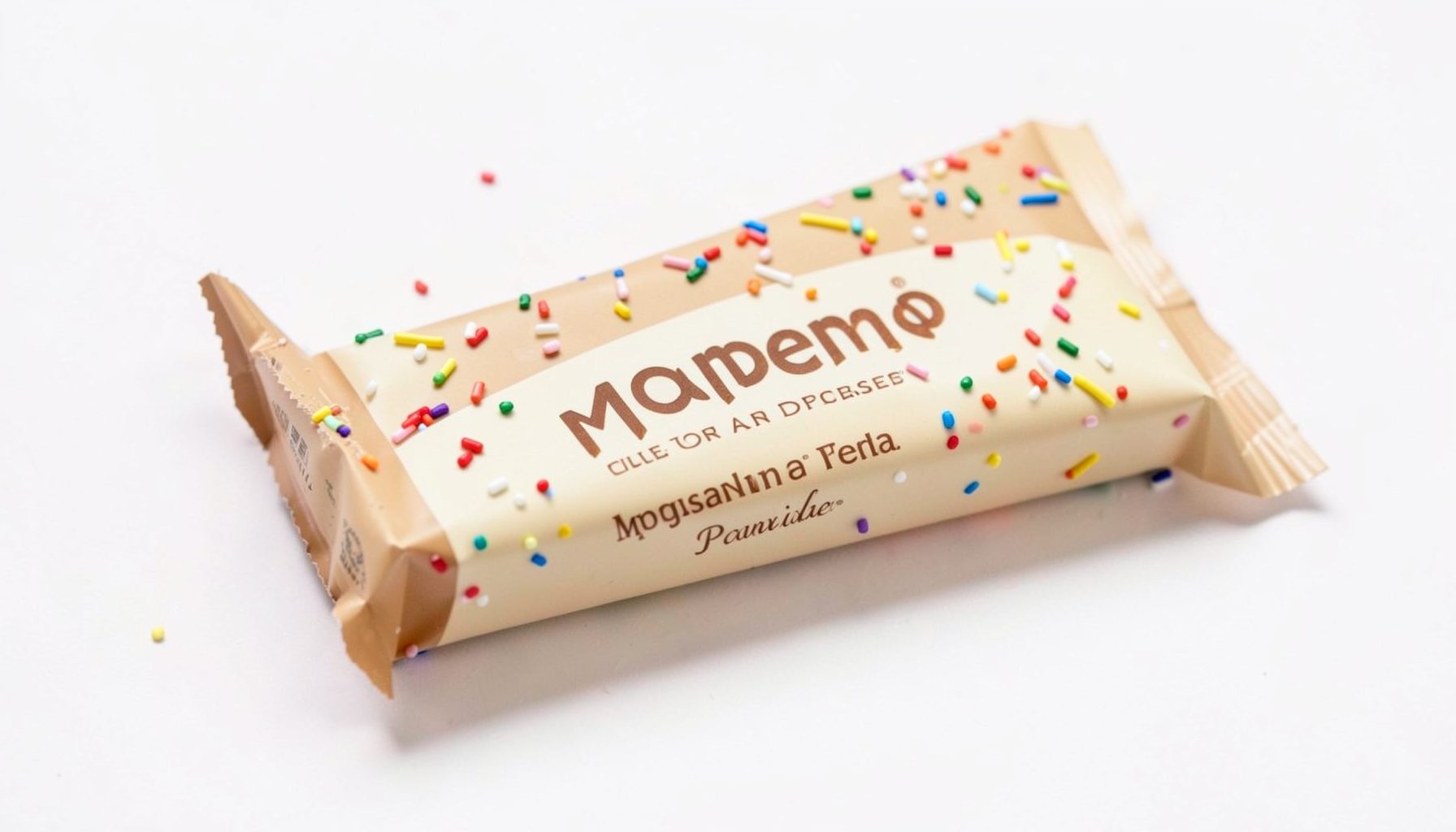
Birthday Cake
Celebratory flavor with a sweet, cake-inspired profile. Available in 1-pack and 10-pack.
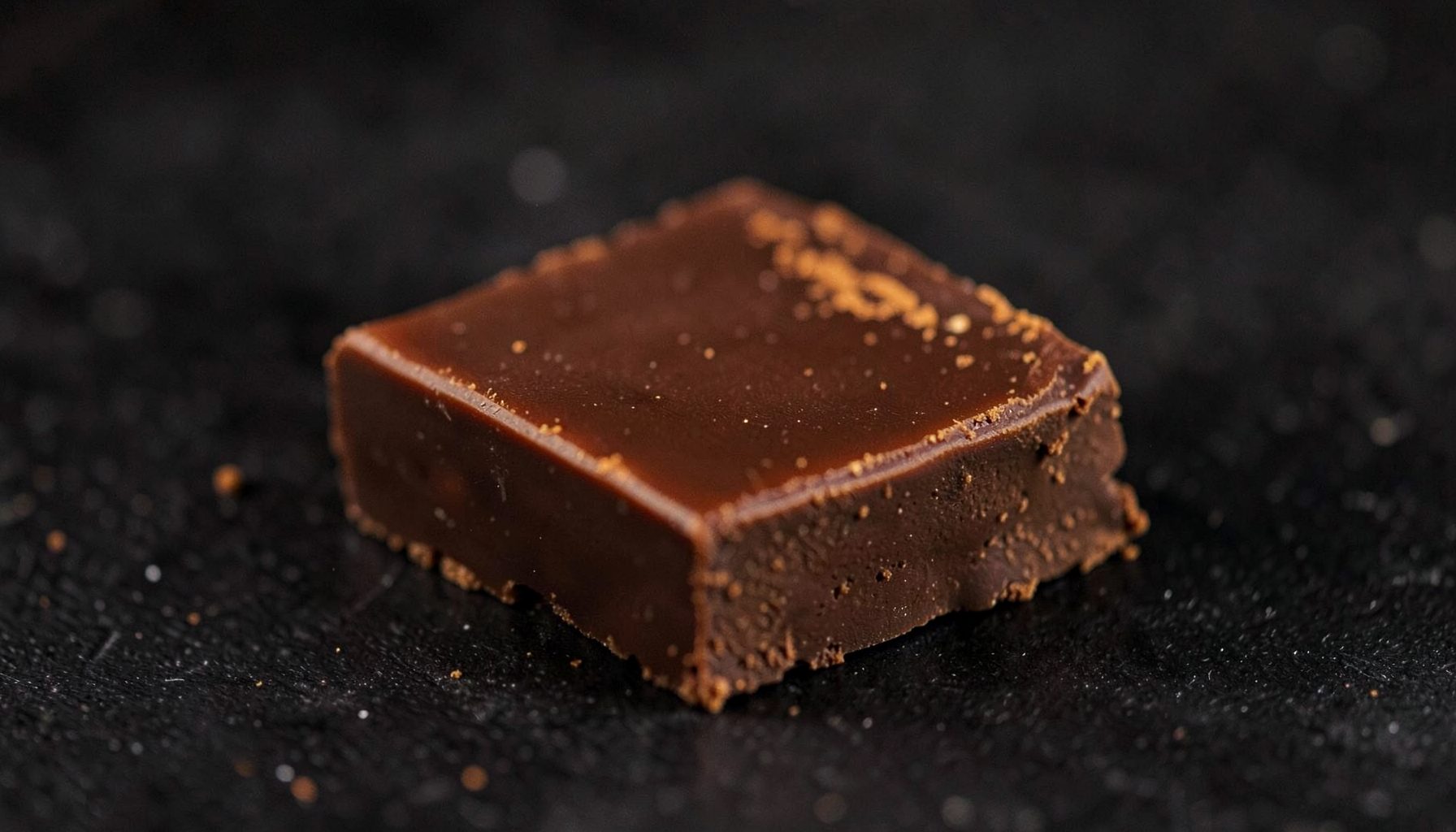
Cinnamon
Warm spiced chocolate with a smooth finish. Single bars and bulk packs available.
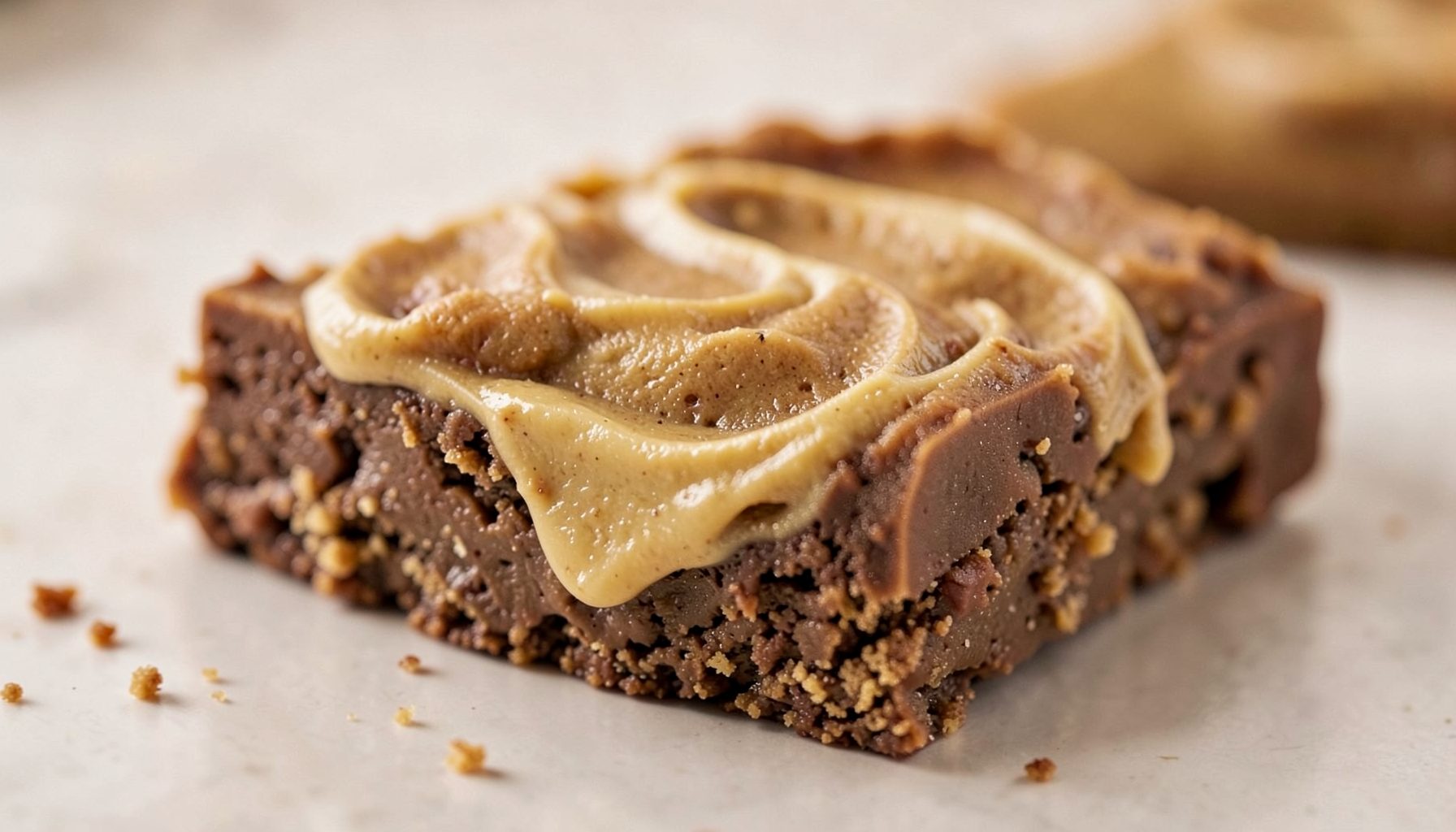
Cookie Butter
Rich, buttery cookie flavor in every bite. Offered in 1-pack and 10-pack options.
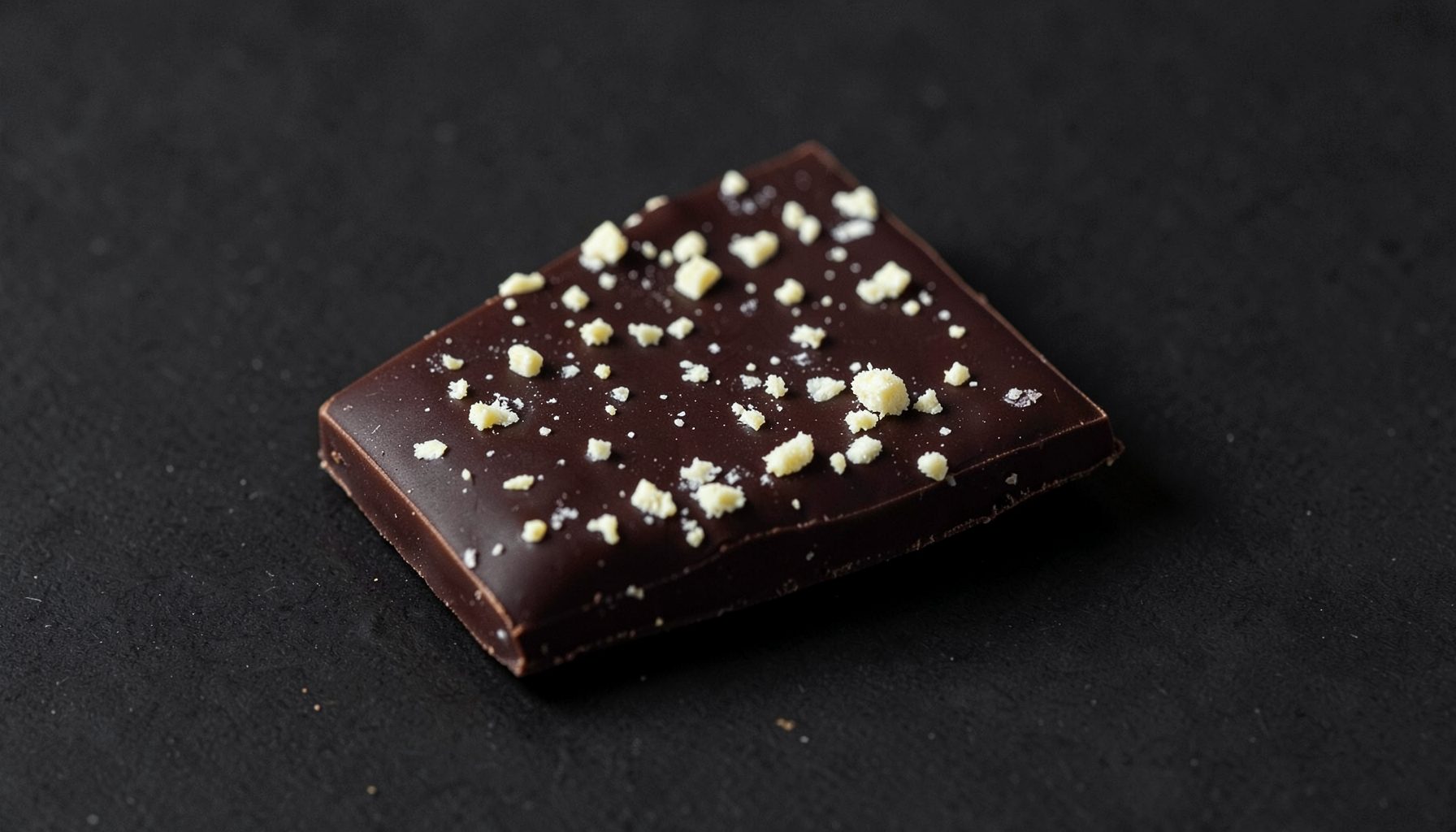
Cookies & Cream
Classic cookies-and-cream taste with a mushroom chocolate twist. 1-pack and 10-pack.
Full-spectrum and isolate mushroom extracts explained
Mushroom extracts can look similar on a product label while behaving quite differently in formulation. The key distinction is whether the extract retains a broad range of naturally occurring mushroom compounds or has been refined to concentrate one selected constituent. That difference can affect consistency, flavour, potency, testing, and how easily a product fits into a measured routine.
For Australian consumers, the label requires especially careful attention. “Mushroom” may refer to culinary or functional fungi, a concentrated extract, or a product containing other active ingredients. Products promoted overseas may also sit outside Australia’s food, therapeutic-goods, import, or state-based rules. Understanding the extraction method is useful, but it should be paired with ingredient verification and realistic expectations.
What full-spectrum extracts contain
A full-spectrum mushroom extract is made to preserve a wider profile of compounds from the original mushroom. Depending on the species and manufacturing process, this may include beta-glucans, proteins, terpenes, sterols, pigments, minerals, and other soluble components. The exact profile varies because mushrooms differ in genetics, growing medium, maturity, and extraction conditions.
Some manufacturers use hot-water extraction to make compounds such as beta-glucans more available, while others add alcohol or a dual-extraction process to capture compounds that do not dissolve well in water. A full-spectrum label does not automatically prove that every useful compound is present in a meaningful amount. It should be supported by a clear species name, extraction ratio, ingredient panel, and independent testing where available.
The broader composition is often valued because it represents the mushroom more closely than a single purified compound. This is sometimes described as a whole-mushroom profile or an entourage-style effect. Such language should be treated as a description of formulation rather than a guarantee of stronger or more beneficial results.
How an isolate differs
An isolate is a purified fraction separated from the rest of the mushroom material. In practice, it may be a named compound, a standardised polysaccharide fraction, or another concentrated constituent. It can deliver a more predictable amount of the selected ingredient, which is useful for manufacturers seeking batch-to-batch uniformity.
The trade-off is that an isolate leaves behind many naturally occurring compounds. It may have a cleaner taste, a smaller serving size, and a simpler analytical profile, but it does not represent the full chemistry of the source mushroom. An isolate can therefore be easier to formulate while offering less information about the original fungal material.
“Pure” does not mean “better,” and “full-spectrum” does not mean “stronger.” A product’s suitability depends on the intended use, the species involved, the extraction method, the quality of testing, and the person taking it. Comparing the certificate of analysis is more useful than relying on marketing language alone.
Why the distinction matters in finished products
Full-spectrum material can contribute earthy, bitter, or savoury notes to chocolate, gummies, powders, and drink mixes. It may also introduce colour or texture changes. Isolates are often easier to blend into a consistent recipe, particularly when a brand wants the same flavour and measured amount in every serving.
The distinction can also matter when several ingredients appear in one formula. A bar may contain mushroom material alongside caffeine, herbs, vitamins, or other active substances. A gummy may use a concentrated extract while presenting a serving size that looks modest. Reading the complete ingredient list and serving directions helps separate the mushroom component from the product’s overall effect.
For chocolate products, gradual tasting is sensible because edible products can take time to be noticed and may last longer than expected. Diamond Shruumz’s chocolate serving tips can provide brand-specific guidance, but consumers should still follow the actual package directions and avoid combining unfamiliar products.
How to assess quality and transparency
Start with the mushroom’s scientific name rather than accepting a broad term such as “mushroom blend.” Look for the part used, such as fruiting body or mycelium, along with the extraction solvent, extraction ratio, and quantity per serve. A large extract ratio can sound impressive without showing how much active material remains in the finished product.
Quality documentation should ideally identify testing for microbial contamination, heavy metals, pesticides, allergens, and undeclared ingredients. A certificate of analysis should correspond to the particular batch, not simply display a generic laboratory logo. Clear storage instructions and an Australian contact point are also useful signs of responsible product communication.
Consumers should be cautious with labels that imply a product is guaranteed to improve mood, focus, immunity, or performance. These claims may be restricted depending on whether the item is sold as food, a complementary medicine, or another regulated category. A well-presented label can support informed choice, but it cannot replace professional advice for a medical condition.
Australian rules and everyday considerations
Australia has a different regulatory environment from the United States and many online markets. Psilocybin is a controlled substance, and since 2023 it has been permitted only in tightly regulated therapeutic settings involving authorised psychiatrists and approved treatment for specific conditions. Recreational psilocybin products are not made legal by being sold online or described as “natural.”
Functional mushroom products also need careful checking. Food standards, therapeutic-goods requirements, advertising rules, state and territory legislation, and import controls can all affect whether a product may be supplied in Australia. A product visible on an overseas website may not be approved for Australian sale, and border authorities may examine ingredients in powders, capsules, confectionery, and extracts.
This matters in everyday settings across Sydney, Melbourne, Brisbane, Perth, and regional areas. A product taken before a commute, a long shift, a gym session, or a festival may interact poorly with alcohol, medicines, sleep deprivation, or hot weather. Driving and workplace safety laws still apply, regardless of whether the label uses terms such as wellness, natural, or microdose.
Choosing a product with care
The best comparison begins with the full formulation rather than the front-of-pack promise. Consider whether you want a broad mushroom extract or a defined isolated compound, then check whether the label gives enough evidence to support that description. If the product contains psychoactive or unfamiliar ingredients, do not assume that a small-looking serve is automatically low risk.
Cones are another format that can change how a product is used and stored. The brand explains its reasoning in this discussion of cone consumption, but the format does not remove the need to verify ingredients, local legality, and personal suitability.
Practical checks before purchase
- Identify the mushroom species and whether the material is full-spectrum, standardised, or an isolate.
- Check the amount per serve, the number of serves, and any other active ingredients.
- Look for batch-specific laboratory testing covering contaminants and undeclared substances.
- Confirm that the product can legally be imported, possessed, and supplied in your Australian state or territory.
- Avoid mixing unfamiliar mushroom products with alcohol, recreational drugs, or sedating medicines.
- Store confectionery and gummies securely away from children, pets, heat, and direct sunlight.
Full-spectrum and isolate extracts are different formulation choices, not a simple ranking from weak to strong. One preserves a wider chemical profile, while the other focuses on a selected compound with greater standardisation. In Australia, the safest interpretation comes from combining that technical distinction with careful label reading, independent testing, and respect for the country’s drug and product regulations.

Send Us a Message
Get in Touch
Have questions about our products or your order? Reach out and we'll get back to you.
- California, USA
- Contact Page