
California • Est. 2019
Premium mushroom chocolate bars, gummies, and cones crafted in California. Bold flavors, uncompromising quality, and a brand built from the ground up.
Explore the CollectionOur Collection
Shruumz Chocolates & Gummies
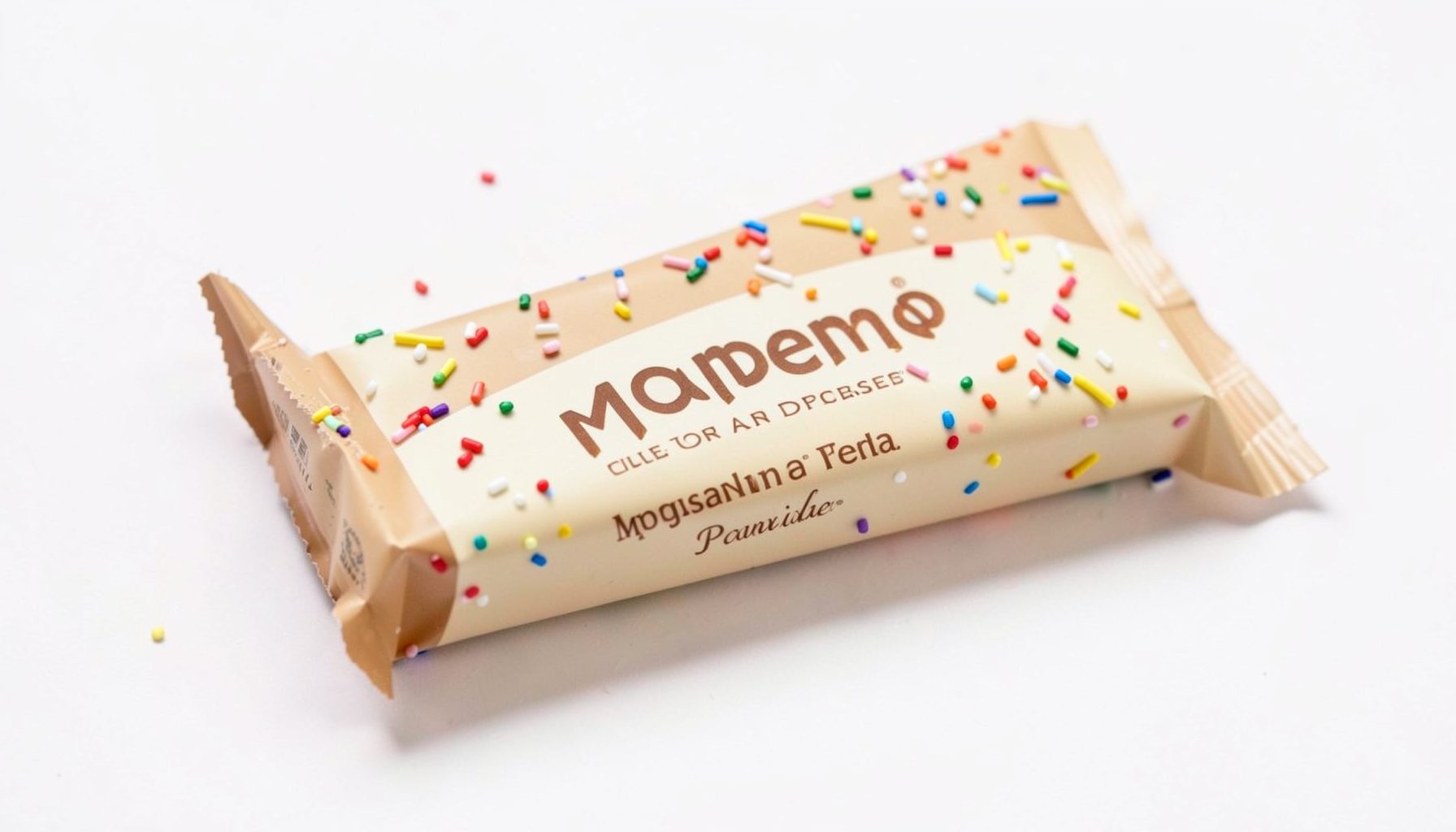
Birthday Cake
Celebratory flavor with a sweet, cake-inspired profile. Available in 1-pack and 10-pack.
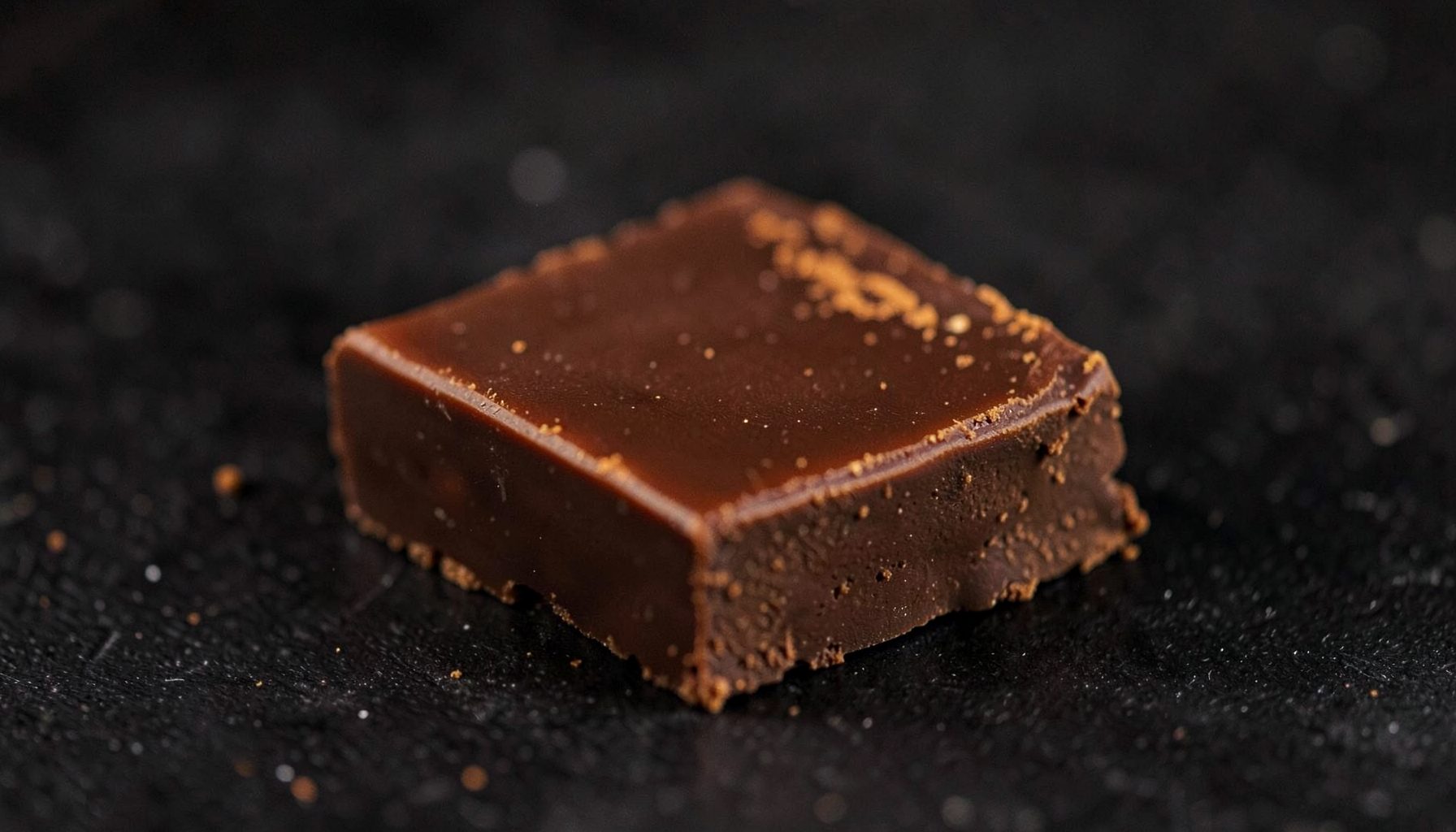
Cinnamon
Warm spiced chocolate with a smooth finish. Single bars and bulk packs available.
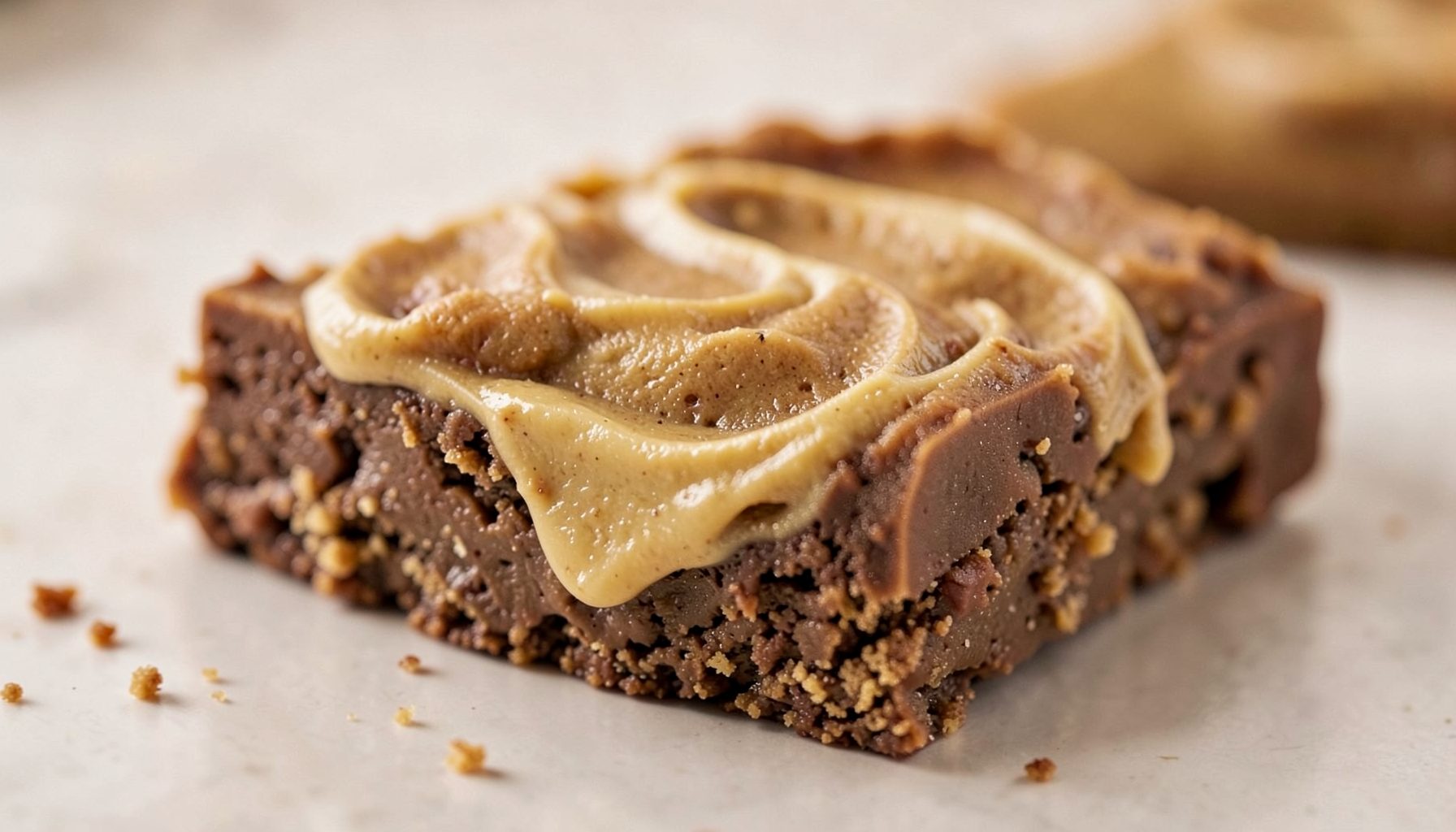
Cookie Butter
Rich, buttery cookie flavor in every bite. Offered in 1-pack and 10-pack options.
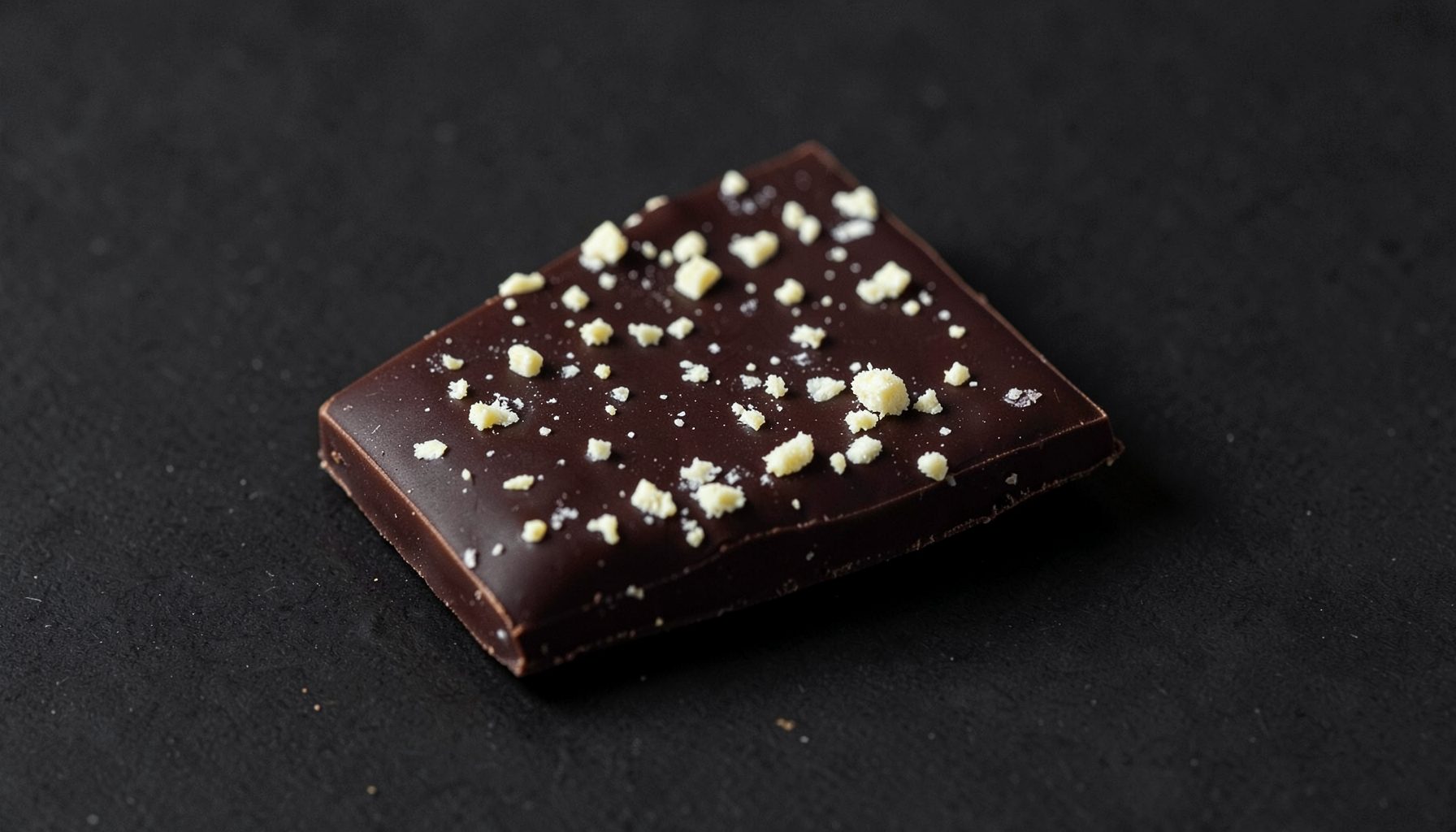
Cookies & Cream
Classic cookies-and-cream taste with a mushroom chocolate twist. 1-pack and 10-pack.
Water-Soluble And Oil-Soluble Mushroom Extracts Explained
Mushroom extracts can look similar on an ingredient label while behaving very differently in a drink, capsule, gummy, or chocolate product. The key distinction is the liquid in which their compounds disperse: water-soluble extracts mix readily with water, while oil-soluble extracts are carried by fats. That difference affects extraction, texture, stability, absorption, and how a product should be stored.
For Australian consumers comparing functional mushroom products, the terminology is useful but not a guarantee of quality. Species, growing conditions, extraction temperature, testing, dosage, and the presence of active compounds all matter. A clear label should identify the mushroom, extract ratio, serving size, carrier ingredients, and any testing or allergen information.
What solubility means in mushroom extracts
Water-soluble mushroom extracts contain compounds that disperse in water or aqueous liquids. These may include certain polysaccharides, minerals, amino acids, and other polar constituents. Beta-glucans, often associated with medicinal and functional mushrooms, are commonly obtained through hot-water extraction because their structure allows them to move into a water-based solution.
Oil-soluble extracts behave differently. Their compounds dissolve more effectively in a fat-based carrier such as coconut oil, olive oil, or another edible lipid. Some aromatic compounds, sterols, pigments, and terpenes have greater affinity for oil than water. An oil-based extract may therefore capture a different portion of the mushroom’s chemical profile.
Solubility does not mean that one extract is automatically stronger. It describes how the extract interacts with a carrier and the body’s digestive environment. A water-soluble powder may disperse well in tea, while an oil-based preparation may be better suited to a softgel or a chocolate formulation.
How extraction methods change the final product
Hot-water extraction is widely used for dried mushroom material. The mushrooms are usually milled, steeped or heated in water, and then concentrated and dried into a powder or liquid. This approach can make polysaccharides more available than simply eating raw powdered fruiting bodies, although the final result depends on temperature, time, filtration, and the species used.
Oil extraction uses a lipid carrier to draw out fat-affine constituents. It may involve controlled heating, maceration, or another process designed to preserve sensitive aromatic compounds. Some manufacturers use a dual extraction, combining water and alcohol or water and oil methods to create a broader-spectrum mushroom extract.
An extract ratio, such as 8:1 or 10:1, indicates the amount of raw mushroom used relative to the final extract, but it does not reveal the concentration of a particular compound. A 10:1 product is not automatically ten times more effective than a 1:1 product. Independent laboratory testing and transparent specifications provide more useful information than the ratio alone.
Absorption and formulation considerations
Water-soluble compounds generally disperse more easily in beverages and saliva. This can produce a consistent texture in powders, teas, syrups, and gummies, provided the manufacturer prevents settling or clumping. Some products use emulsifiers or very small particles to improve dispersion, but these technologies do not replace accurate dosing.
Oil-soluble compounds can be incorporated into fats, which makes them practical in capsules, tinctures, and confectionery. A mushroom chocolate bar uses a naturally fat-based food matrix, although the chocolate itself does not prove that every mushroom compound has been extracted into the same phase. The ingredient list and manufacturing information remain important.
Digestion also complicates the simple water-versus-oil comparison. The stomach and small intestine contain bile, enzymes, and dietary fats that can change how compounds are released. A water-soluble ingredient may disperse quickly, whereas an oil-soluble ingredient may be absorbed more gradually or benefit from being consumed with food.
Choosing an extract for drinks, gummies, and chocolate
Water-dispersible extracts are often convenient for coffee, tea, smoothies, and powdered drink mixes. They can be useful when a product is intended to blend into a low-fat beverage without leaving an oily layer. In Melbourne or Sydney, where people may carry drink powders to work or the gym, easy mixing and predictable serving sizes can be practical advantages.
Oil-compatible extracts suit products where fat is already part of the recipe. Chocolate, nut-based snacks, and softgels can provide a stable carrier, though heat, light, and oxygen may still affect quality. In Australia’s warmer regions, including Brisbane and parts of Western Australia, chocolate and oil-based products need careful storage away from direct sun and hot cars.
Gummies sit somewhere between these categories. A water-based gummy can hold a dispersed extract, while an oil-based ingredient may require emulsification to avoid separation. Consumers should look for even dosing across the pack, clear serving instructions, and storage guidance rather than assuming that a particular format guarantees better absorption.
Reading labels and assessing quality
A useful label names the mushroom species rather than using only a broad phrase such as “mushroom blend”. It should also identify whether the product contains fruiting body, mycelium, or both. These materials can have different compositions, and a label that states the amount of extract per serve is more informative than one that lists only a proprietary blend.
Look for beta-glucan testing when those compounds are central to the product’s positioning. A certificate of analysis may also provide information about microbial contamination, heavy metals, pesticides, and residual solvents. “Organic”, “natural”, or “full spectrum” wording can sound reassuring, but it does not replace batch-level testing or a complete ingredient declaration.
Australian shoppers should also distinguish functional mushroom products from products containing controlled psychoactive substances. Psilocybin is tightly restricted under Australian law, with limited authorised therapeutic use, and rules can differ across states and territories. Products sold through markets, social media, or overseas websites are not automatically legal or safe because they use a mushroom-themed label.
Storage, dosing, and everyday use in Australia
Solubility affects storage as well as preparation. Water-based products can be vulnerable to microbial growth once opened, particularly if they contain few preservatives. Oil-based extracts can become rancid through exposure to heat, air, or light. Sealed packaging, a cool cupboard, and the stated use-by date matter more than keeping a product in the refrigerator by default.
Australian conditions make storage especially relevant during summer. A parcel left in a hot letterbox in Adelaide or Perth may experience temperatures that soften chocolate, separate oils, or damage packaging. Refrigeration can help with some confectionery products, but condensation may affect texture, so the manufacturer’s directions should take priority.
Start with the serving size printed on the label and avoid combining several products before understanding their total ingredients. People taking medicines, managing a medical condition, or pregnant or breastfeeding should seek advice from a qualified Australian healthcare professional. For questions about ingredients, batch information, or handling, the brand’s customer contact page is more reliable than guessing from promotional language.
The practical choice is simple: select a water-soluble extract when easy mixing in a water-based drink is the priority, and consider an oil-soluble extract when the recipe already contains fat. Then check the species, serving size, testing, storage instructions, and Australian legal status before buying. Solubility is one useful part of the decision, but transparent sourcing and accurate labelling determine whether the product can be assessed with confidence.

Send Us a Message
Get in Touch
Have questions about our products or your order? Reach out and we'll get back to you.
- California, USA
- Contact Page