California • Est. 2019
Premium mushroom chocolate bars, gummies, and cones crafted in California. Bold flavors, uncompromising quality, and a brand built from the ground up.
Explore the CollectionOur Collection
Shruumz Chocolates & Gummies
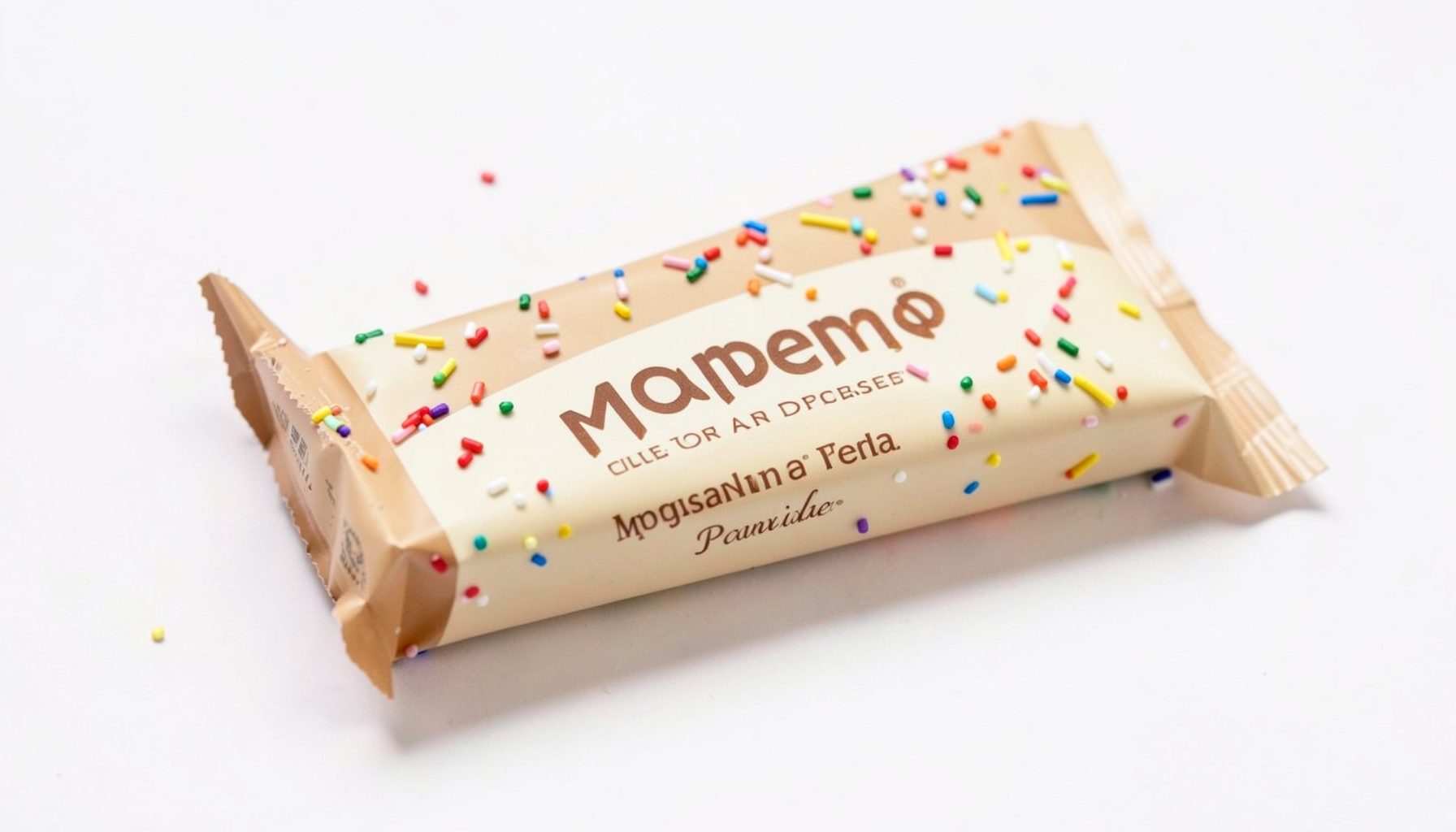
Birthday Cake
Celebratory flavor with a sweet, cake-inspired profile. Available in 1-pack and 10-pack.
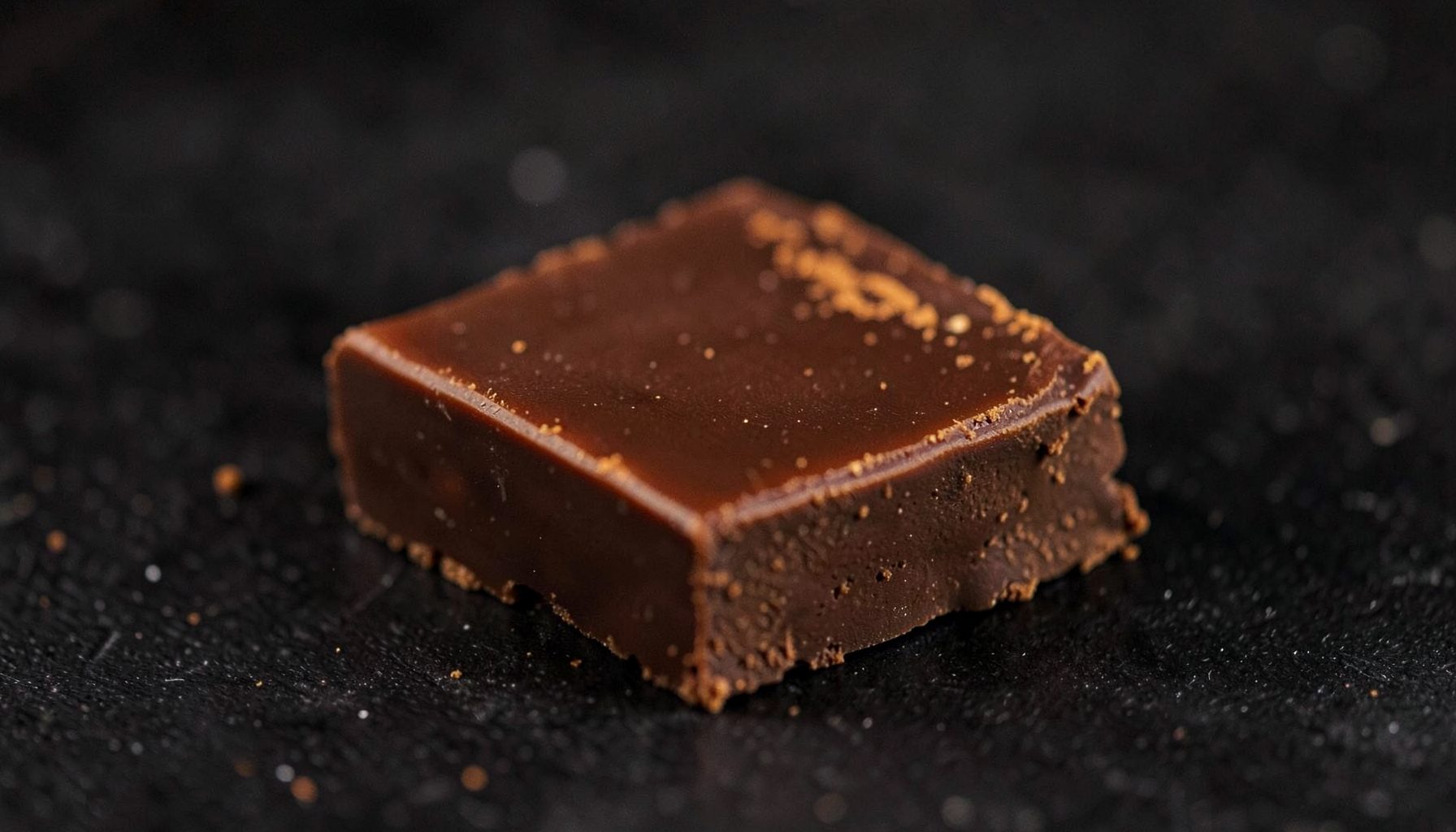
Cinnamon
Warm spiced chocolate with a smooth finish. Single bars and bulk packs available.
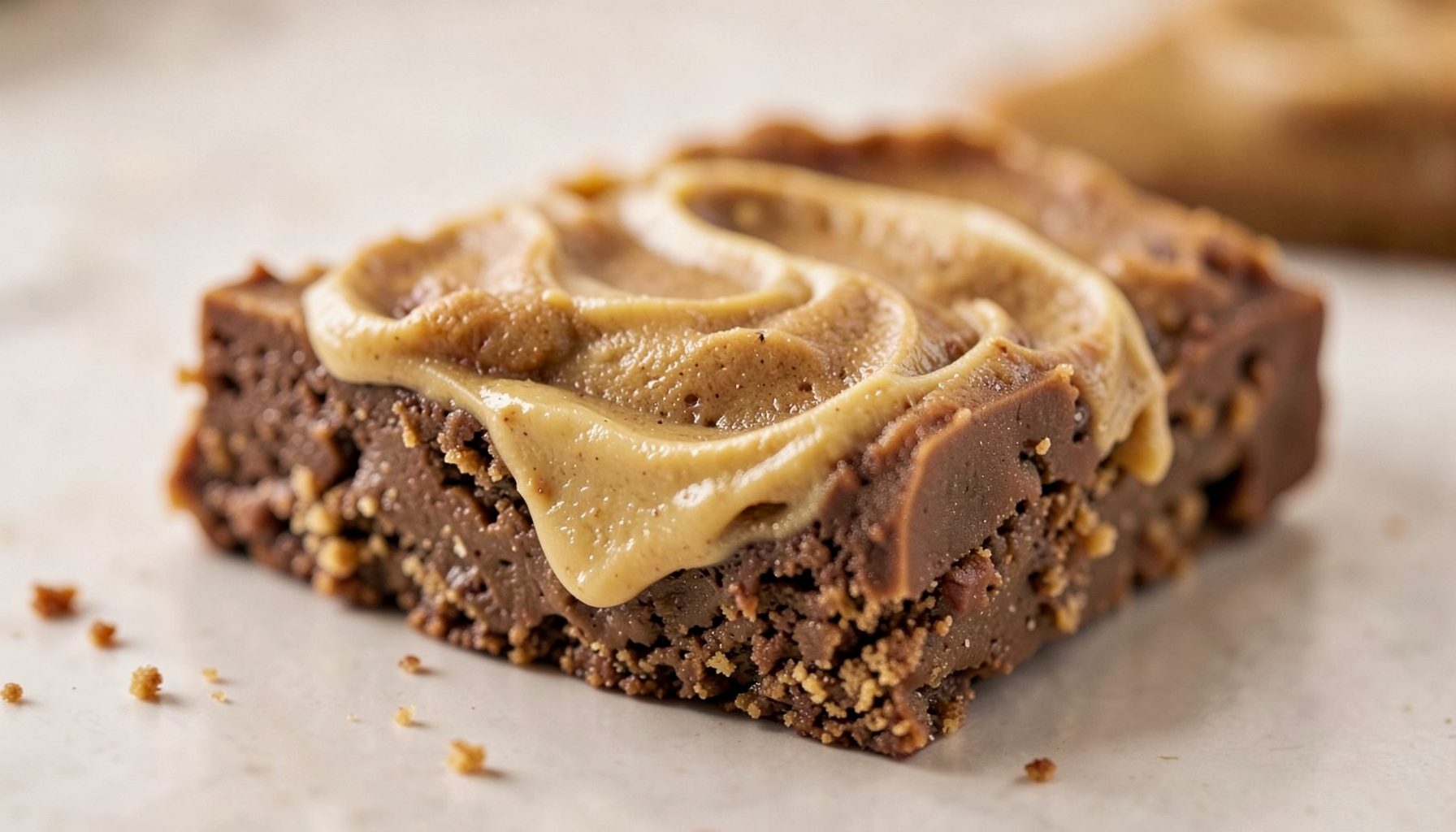
Cookie Butter
Rich, buttery cookie flavor in every bite. Offered in 1-pack and 10-pack options.
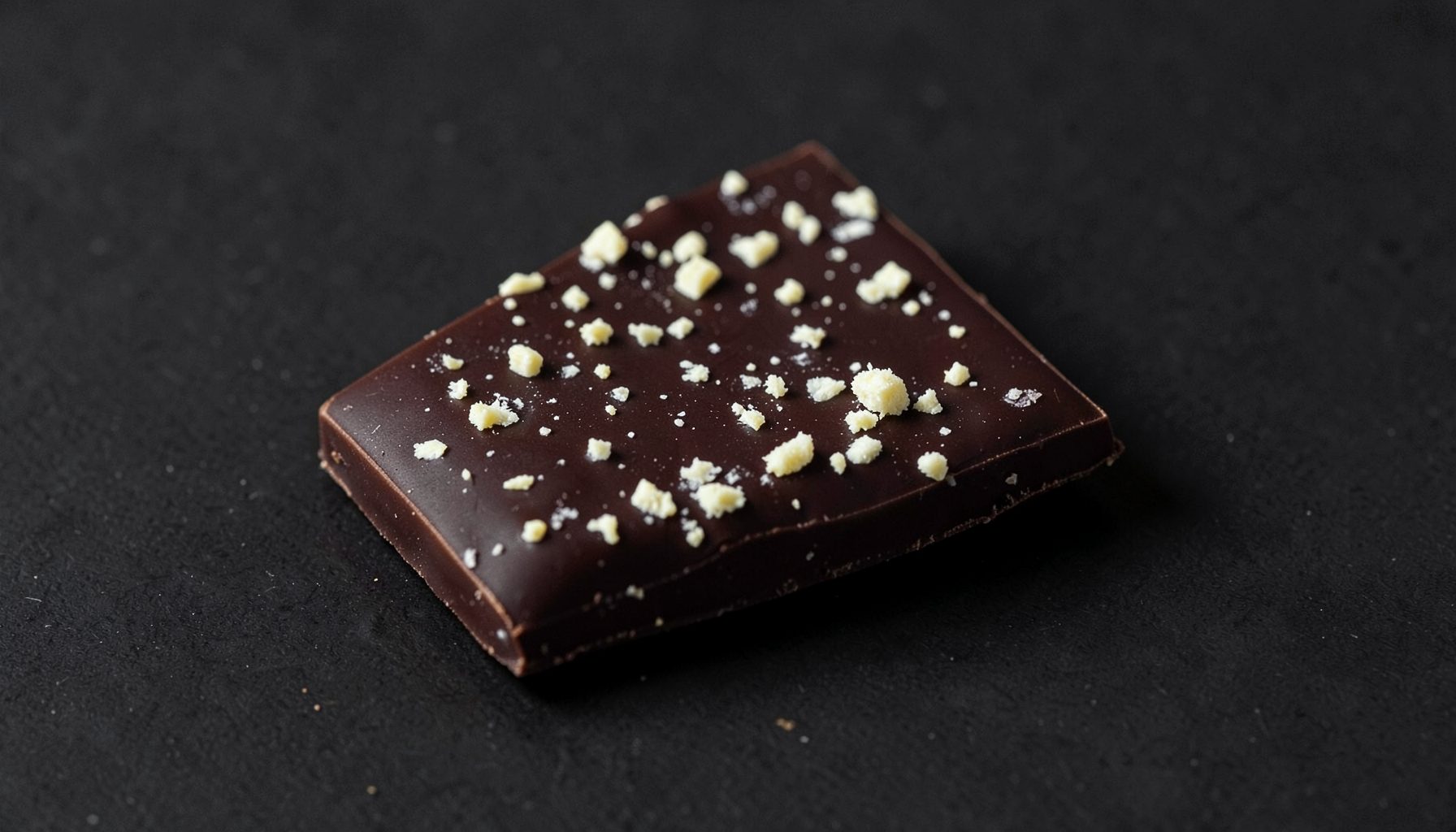
Cookies & Cream
Classic cookies-and-cream taste with a mushroom chocolate twist. 1-pack and 10-pack.
The History of Functional Mushroom Use in Western Herbalism
Long before “functional mushroom” became a familiar wellness term, fungi occupied an uncertain place in European herbal culture. Herbs were dried, infused, powdered, and catalogued with relative confidence, while mushrooms were more often associated with food, folklore, poison, or seasonal gathering. Their value was recognised unevenly, and written traditions developed more slowly than those surrounding plants. Learn more about Contact.
Western herbalism gradually absorbed ideas from several directions. Classical descriptions, medieval household remedies, nineteenth-century botany, laboratory science, and imported materia medica each contributed to the modern interest in medicinal fungi. The result is less a single lineage than a layered history shaped by changing language and evidence.
Today, names such as functional fungi, medicinal mushrooms, mushroom extracts, and adaptogenic ingredients often appear together. They do not all mean the same thing. A culinary mushroom, a concentrated extract, a powdered mycelium product, and a mushroom-infused confection may differ greatly in species, preparation, dose, and intended use.
For Australian consumers, that distinction matters. Products encountered through online retailers, wellness shops, weekend markets in Melbourne, or specialist stores in Sydney may sit within different regulatory and commercial categories. Diamond Shruumz’s collection of mushroom-based chocolates, gummies, and cones reflects the contemporary move towards convenient formats, while its emphasis on flavour, sourcing, and ingredient information belongs to a much older story of making unfamiliar botanicals accessible.
Early European Ideas About Fungi
In medieval and early modern Europe, mushrooms were approached cautiously. Rural communities understood which local species were edible, dangerous, or useful in household practice, yet formal herbal books focused mainly on plants. Fungi had no flowers, roots, or easily described reproductive structures, so they fitted awkwardly into the classifications used by herbalists.
Some substances now discussed alongside mushroom medicine entered Western practice through trade and translation rather than local tradition. Preparations associated with Asian and Eurasian materia medica gradually appeared in European pharmacies and botanical writing. Reishi, shiitake, and cordyceps were not central ingredients in classical European herbals, but later physicians, pharmacists, and naturalists began paying closer attention to imported fungi and their traditional applications.
The nineteenth century brought microscopy, improved taxonomy, and a stronger appetite for cataloguing nature. Researchers could distinguish species more accurately and study their constituents in a laboratory setting. This did not immediately create a mature Western mushroom tradition, but it supplied the scientific vocabulary that later allowed fungal extracts to be discussed in terms of compounds, cultivation, standardisation, and physiological research.
From Folk Knowledge To Functional Wellness
The modern category of functional mushrooms developed through several twentieth-century movements. Russian and Eastern European research popularised the language of adaptogens, while Japanese and Chinese cultivation industries made certain medicinal species more consistent and commercially available. Scientists investigated polysaccharides, triterpenes, beta-glucans, and other constituents, although laboratory findings did not automatically prove a particular outcome in humans.
Western herbalists then began combining traditional preparation methods with newer extraction techniques. A hot-water extract, dual extract, tincture, or dried powder can present a very different chemical profile. This is why species identification, growing medium, extraction method, and testing are more informative than a broad claim that a product simply “contains mushrooms”.
The phrase functional mushroom is itself relatively recent. It generally signals a non-intoxicating mushroom used for an intended wellness purpose, rather than a psychoactive species. The category became more visible through cafés, powders, capsules, and food products in the United States and Europe, before reaching Australian health retailers and online communities. For brands working with edible formats, flavour testing process also becomes part of the experience: bitterness, earthiness, sweetness, and texture influence whether people use a product consistently.
Australian Context And Consumer Expectations
Australia has its own relationship with fungi, shaped by distinctive ecosystems, bushwalking culture, food markets, and a strong interest in native ingredients. Knowledge held by Aboriginal and Torres Strait Islander peoples should not be casually folded into Western herbalism; cultural authority, local context, and documented community knowledge deserve respect. The history of medicinal fungi in Australia is therefore both a story of imported traditions and a reminder that scientific and commercial narratives are not the only forms of knowledge.
Modern Australian consumers often encounter mushroom products in practical settings: a health-food aisle in Brisbane, a natural-products shop in Perth, a café in Melbourne, or an online order delivered to regional New South Wales. Labels are read alongside expectations shaped by the Therapeutic Goods Administration, Food Standards Australia New Zealand, and state-based rules. A product sold as a food, supplement, cosmetic, or therapeutic good may face different requirements.
Psychoactive mushrooms require especially careful separation from functional varieties. Australian law treats psilocybin as a controlled substance, with narrow authorised medical pathways that do not make recreational mushroom products broadly legal. A chocolate or gummy promoted with vague mushroom wording should therefore be checked for its actual ingredients, claims, warnings, and supply conditions rather than judged by packaging alone.
How To Read A Modern Mushroom Product
Historical context can help explain why consumers are interested, but it cannot replace product-level scrutiny. A responsible label should identify the mushroom species or species blend, the form used, the quantity per serving, and any additional active ingredients. “Mushroom complex” may sound informative while leaving important questions unanswered.
Serving size and total pack content also matter with confectionery. A bar divided into squares, a pouch of gummies, and a cone-style product can create different patterns of consumption. Clear directions are particularly important when a product combines several botanicals or is marketed for relaxation, focus, energy, or general wellbeing. Anyone taking medicines, managing a health condition, or pregnant or breastfeeding should obtain advice from a qualified Australian health professional.
Practical Checks Before Buying
- Look for the species, serving amount, batch information, and storage directions rather than relying on a broad wellness slogan.
- Distinguish non-intoxicating functional fungi from products containing controlled or psychoactive substances.
- Review the full ingredient panel, including sweeteners, allergens, caffeine, herbs, and flavouring agents.
- Compare the product’s claims with its regulatory category and avoid treating traditional use as proof of a guaranteed medical effect.
- Store chocolate, gummies, and powders according to the label; a shelf-life guide can clarify how heat, moisture, and time may affect quality.
A More Careful Western Tradition
The history of functional mushroom use in Western herbalism is best understood as a gradual negotiation between caution and curiosity. European herbals supplied the early framework, global trade widened the range of ingredients, mycology improved identification, and modern research introduced chemical and clinical language. Contemporary brands then translated extracts and powders into formats suited to busy routines and familiar eating habits.
That translation brings responsibilities. A chocolate product may be easier to approach than a bitter tincture, but convenience can also conceal differences in concentration and preparation. Clear sourcing, transparent dosing, sensible storage information, and restrained wording help consumers make decisions without confusing historical tradition with established treatment.
For Australians, the practical next step is to inspect one product label in full—species, serving size, ingredients, warnings, and storage instructions—before deciding whether it belongs in the pantry, the wellness routine, or nowhere at all.

Send Us a Message
Get in Touch
Have questions about our products or your order? Reach out and we'll get back to you.
- California, USA
- Contact Page