California • Est. 2019
Premium mushroom chocolate bars, gummies, and cones crafted in California. Bold flavors, uncompromising quality, and a brand built from the ground up.
Explore the CollectionOur Collection
Shruumz Chocolates & Gummies
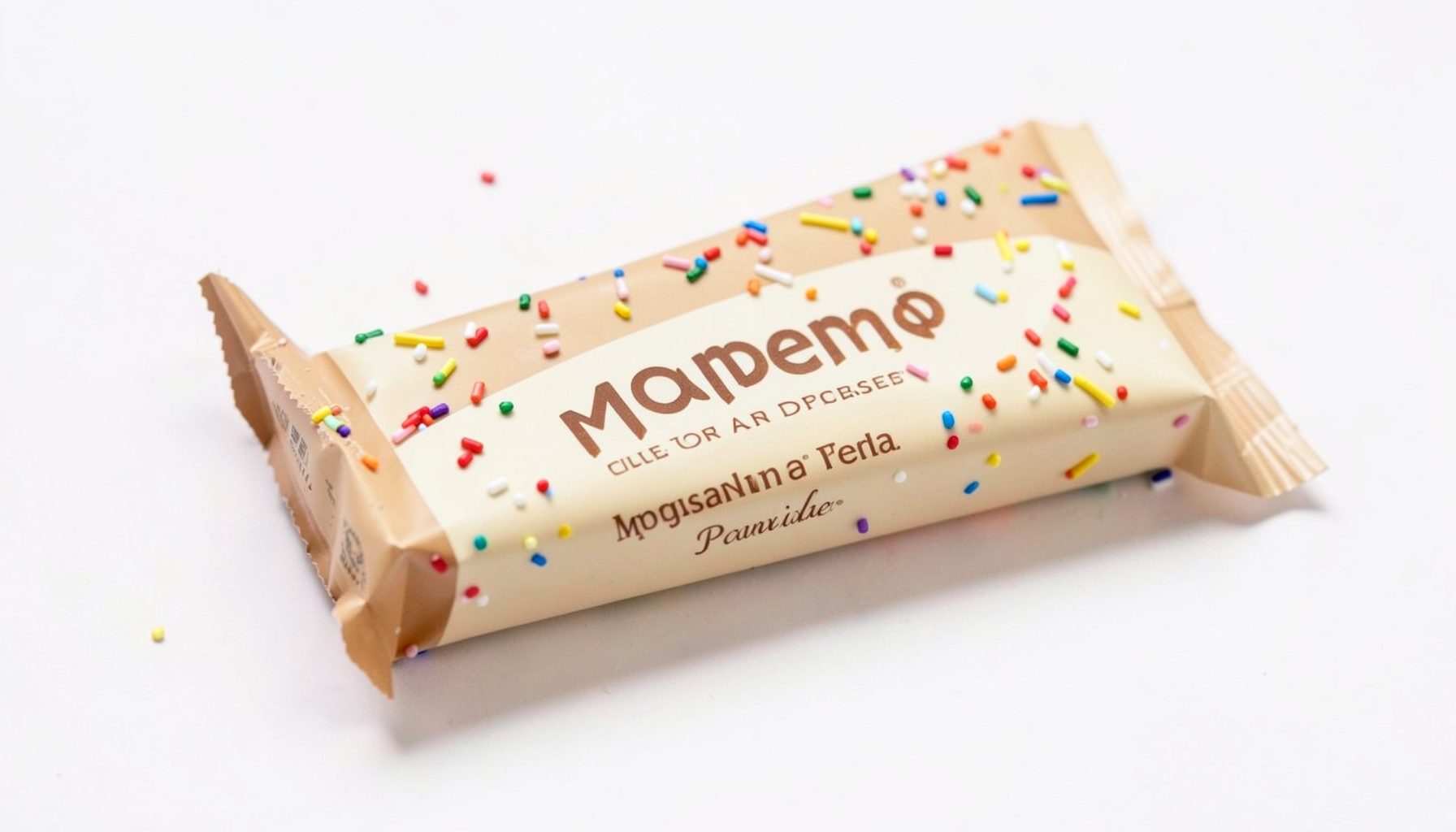
Birthday Cake
Celebratory flavor with a sweet, cake-inspired profile. Available in 1-pack and 10-pack.
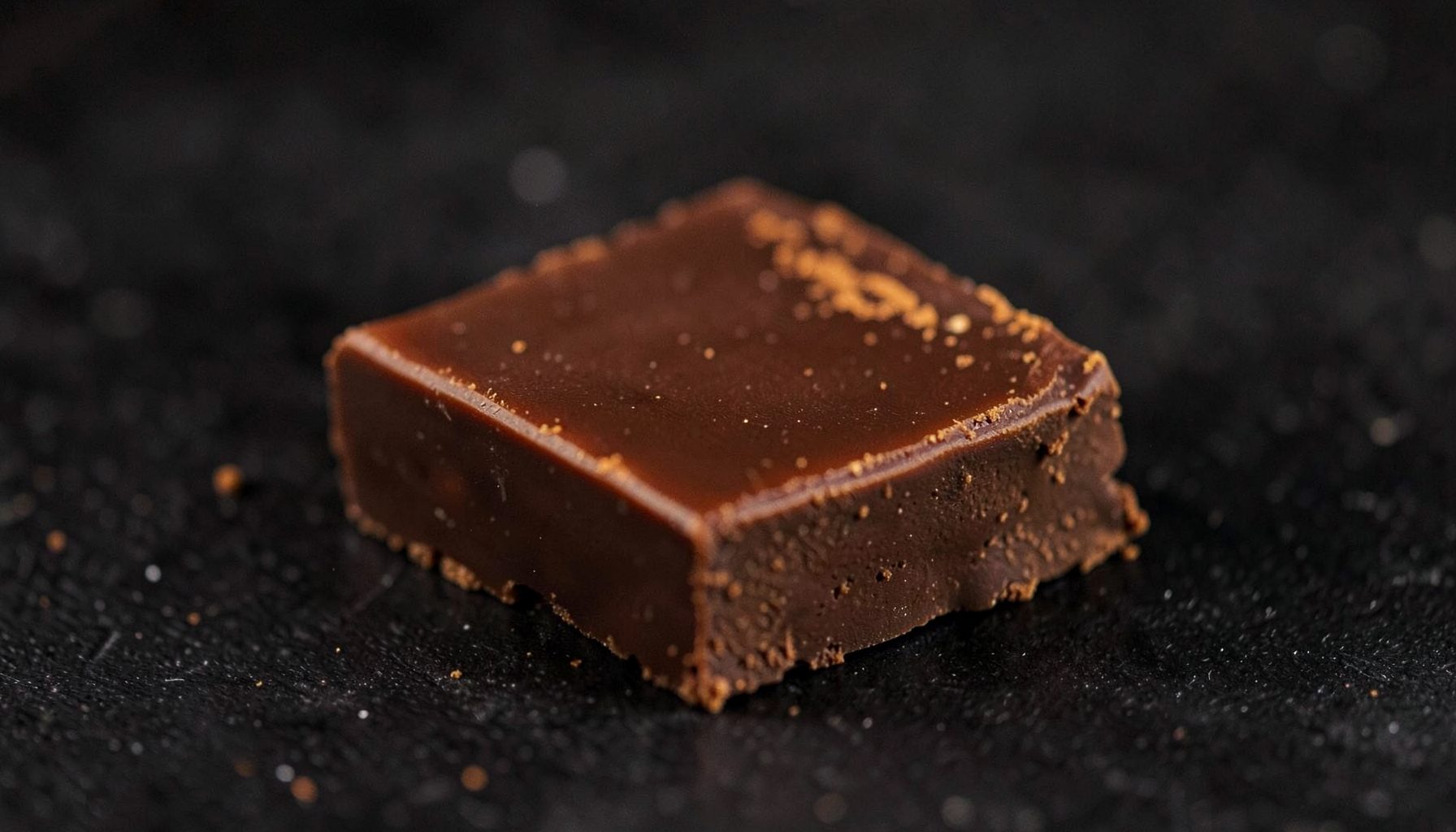
Cinnamon
Warm spiced chocolate with a smooth finish. Single bars and bulk packs available.
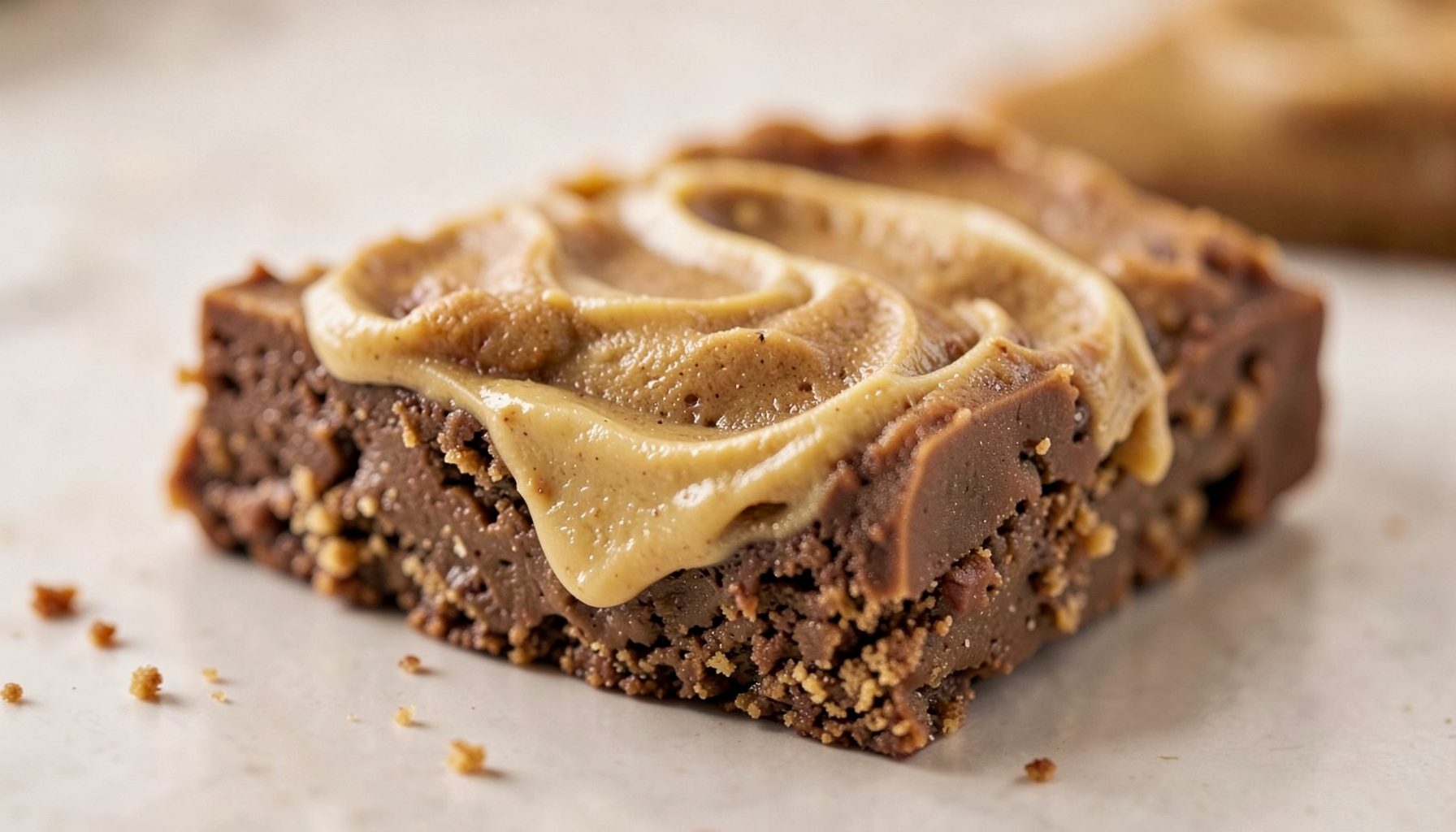
Cookie Butter
Rich, buttery cookie flavor in every bite. Offered in 1-pack and 10-pack options.
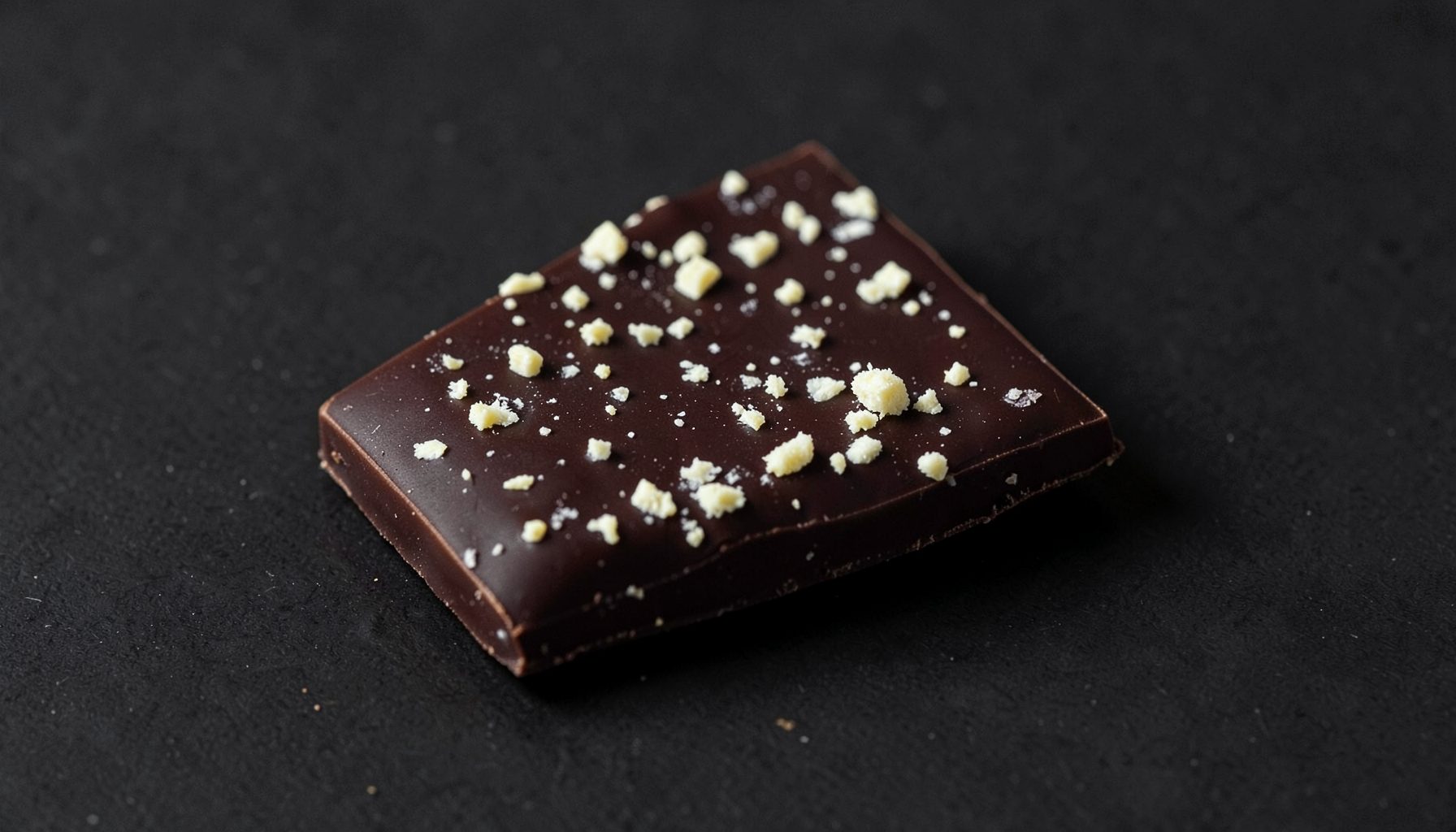
Cookies & Cream
Classic cookies-and-cream taste with a mushroom chocolate twist. 1-pack and 10-pack.
Sacred Cacao and Fungi: Origins of Mesoamerican Ritual Chocolate
For centuries before chocolate bars lined shop shelves in Melbourne laneways or Sydney boutique stores, cacao and psychoactive mushrooms were sacred substances intertwined in Mesoamerican spirituality. The deep history of mushroom chocolates reaches back more than two thousand years to the lands that are now Mexico, Guatemala, and Belize, where indigenous peoples considered them divine gifts. Long before modern extraction methods, before global trade routes carried cacao across the Atlantic, ancient cultures developed sophisticated ritual practices involving these two remarkable foods. The tradition was never a casual indulgence; it was a carefully guarded ceremonial technology.
Australians exploring alternative wellness practices today often encounter simplified versions of compounds that once held profound cosmological meaning. The contemporary market in Byron Bay, Brisbane, and inner-city Sydney reflects a growing curiosity about plant medicine, psilocybin reform, and functional mushrooms. To understand where these interests connect to ancient practice, it helps to look back at the civilisations that first combined bitter cacao with visionary fungi.
Cacao as Divine Brew Among the Maya
Among the Classic Maya, cacao was far more valuable than a simple food. Archaeological evidence from sites like Copán and Tikal reveals residue analysis of ceramic vessels containing theobromine and traces of other alkaloids, confirming that elite Maya consumed cacao as a ceremonial drink during rites of passage, bloodletting ceremonies, and royal accession events. The Dresden Codex, one of only four surviving pre-Columbian Maya manuscripts, depicts scenes of rulers exchanging frothy cacao preparations during sacred gatherings. The drink was called kakaw in many Maya languages, and it was often spiced with vanilla, achiote, chili, and occasionally ground mushrooms.
Cacao held such a high status that cacao beans served as currency throughout the Mesoamerican trade networks. Scribes, merchants, and priests in cities across the Yucatán Peninsula used cacao to settle debts and purchase goods, while the ceremonial brew itself was reserved for nobility and ritual specialists. Modern Australian chocolate makers in Melbourne and Adelaide who focus on single-origin cacao often cite these ancient origins as inspiration for bean-to-bar craft practices that emphasise terroir and traditional fermentation methods.
Teonanácatl: Flesh of the Gods in Aztec Practice
The Aztecs used the Nahuatl term teonanácatl, meaning "God's flesh" or "Flesh of the Gods," to refer to psilocybin-containing species, particularly those belonging to the Psilocybe genus. Bernardino de Sahagún, the Spanish Franciscan friar who documented Aztec customs in his monumental work the Florentine Codex in the sixteenth century, recorded detailed observations of mushrooms being consumed during religious feasts. He described vendors selling them in markets, priests overseeing their consumption, and participants experiencing visions they attributed to divine communication.
These ceremonies typically occurred at night, often in the temple of Xochipilli near what is now Mexico City or in sacred mountain caves. Participants would consume the mushrooms either fresh or dried, sometimes with cacao added to temper the bitter taste and possibly extend the visionary experience. The Aztec reverence for these fungi was so pronounced that even their enemies, including the Chichimec and the Tarascans, recognised the sacred significance of teonanácatl and the rituals surrounding it. Spanish chroniclers attempted to classify these traditions as diabolical, but the practices persisted in remote regions long after the conquest.
Ritual Pairings of Cacao and Visionary Fungi
The combination of cacao and psilocybin mushrooms was deliberate and well-documented in multiple Mesoamerican cultures. Researchers such as Constantino Manuel Torres and his colleagues have examined pre-Columbian mushroom stones, mushroom-shaped effigy vessels, and pictographic codices showing the two substances consumed together. The pairing appears in iconography from Teotihuacan murals, Mixtec codices, and Aztec tribute records. Cacao was understood to open the heart and facilitate connection, while the mushrooms were believed to grant access to otherworldly realms and ancestral spirits.
This synergy was not random. Cacao contains compounds that may affect the absorption and duration of psychoactive alkaloids, and the ceremonial addition of cacao to mushroom preparations suggests an early understanding of how these substances interact. Modern brands serving Australian consumers, such as those operating in the Gold Coast hinterland or Fremantle, reference these ancient pairings when describing their own mushroom-infused chocolate products. The continuity between ancient Mesoamerican ritual and contemporary functional food culture is one of the more fascinating threads in food history.
The Spanish Conquest and Suppression
The arrival of Spanish forces under the leadership of Hernán Cortés in 1519 dramatically altered these traditions. Catholic missionaries, including Diego de Landa in Yucatán and Sahagún in central Mexico, systematically condemned the consumption of teonanácatl and the ceremonial use of cacao as idolatrous practices tied to pagan worship. Ritual participants were punished, ceremonial objects were destroyed, and indigenous priests were forced to renounce their traditions under threat of persecution.
Yet the practices did not vanish entirely. Remote communities in the highlands of Chiapas, Oaxaca, and Guatemala maintained elements of these ceremonies in secret, often disguised as Catholic rituals or folk healing traditions. The Mazatec people, in particular, preserved knowledge of sacred mushroom use into the twentieth century, when R. Gordon Wasson and his colleague Allan Richardson famously participated in a velada mushroom ceremony with Mazatec healer María Sabina in 1955. Their account, published in Life magazine, reintroduced these ancient practices to the wider world and sparked a wave of anthropological and mycological research that continues to shape scholarship today.
A Modern Revival Reaching Australian Shores
Today, the legacy of Mesoamerican mushroom chocolate rituals informs global interest in functional fungi, psilocybin-assisted therapy, and craft chocolate. In Australia, the Therapeutic Goods Administration's decision to reschedule psilocybin for use in authorised psychiatric treatment from 1 July 2023 has placed the country at the forefront of clinical research into these compounds. Research trials at institutions including St Vincent's Hospital in Melbourne and the University of Sydney are investigating psilocybin for treatment-resistant depression and end-of-life anxiety, work that echoes, in a contemporary medical setting, the ancient Mesoamerican goal of opening the heart to transformation.
Australian appetite for mushroom-infused products has grown accordingly. Craft chocolatiers in Fitzroy, Surry Hills, and Fortitude Valley are experimenting with cacao blends infused with lion's mane, reishi, and cordyceps, while specialty stores from Perth to Hobart stock a wider array of functional mushroom products than ever before. For those curious about how modern interpretations balance tradition with safety, this shelf life guide offers practical information on storage and freshness. Meanwhile, those interested in ingredient sourcing can explore how contemporary makers avoid common allergens in their production facilities, a quality standard that would have been unimaginable to the cacao merchants of Tikal but that reflects today's demand for transparency.
This weekend, walk into a specialty chocolate retailer in Sydney, Melbourne, or Adelaide and notice the labels describing single-origin cacao, functional mushrooms, and fair-trade sourcing, all part of a lineage that traces directly back to those Mesoamerican cacao markets.
Send Us a Message
Get in Touch
Have questions about our products or your order? Reach out and we'll get back to you.
- California, USA
- Contact Page