
California • Est. 2019
Premium mushroom chocolate bars, gummies, and cones crafted in California. Bold flavors, uncompromising quality, and a brand built from the ground up.
Explore the CollectionOur Collection
Shruumz Chocolates & Gummies
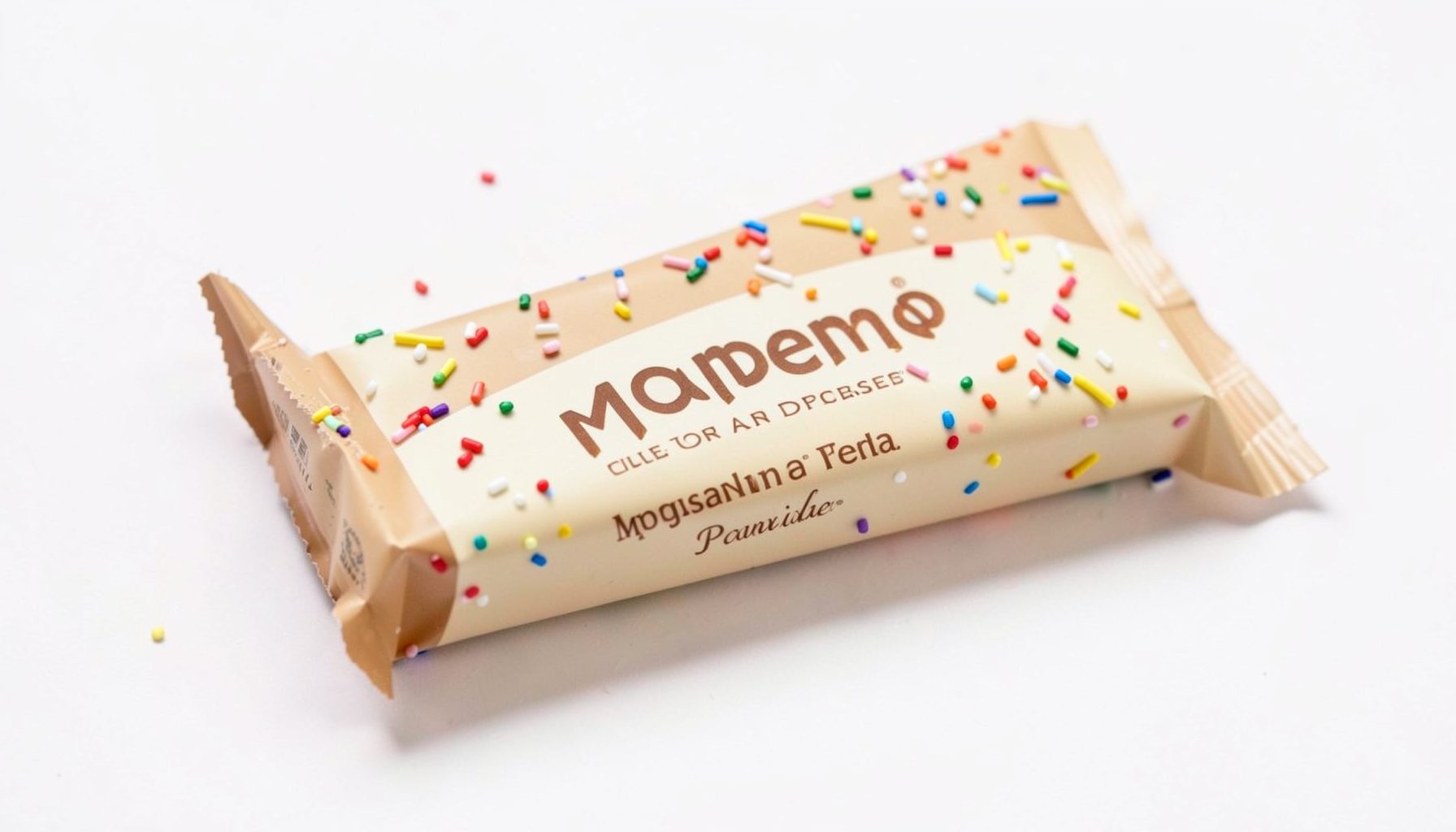
Birthday Cake
Celebratory flavor with a sweet, cake-inspired profile. Available in 1-pack and 10-pack.
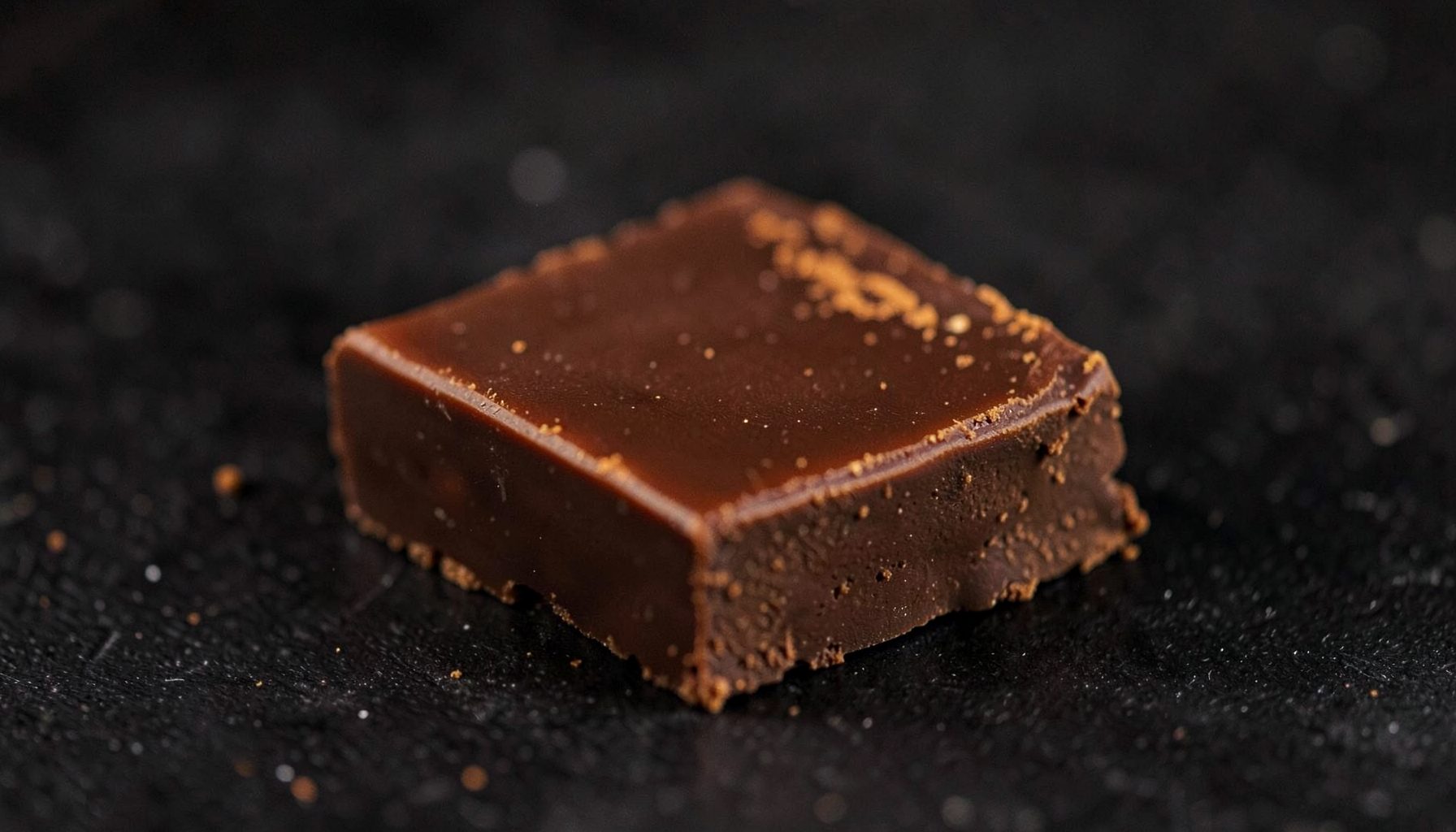
Cinnamon
Warm spiced chocolate with a smooth finish. Single bars and bulk packs available.
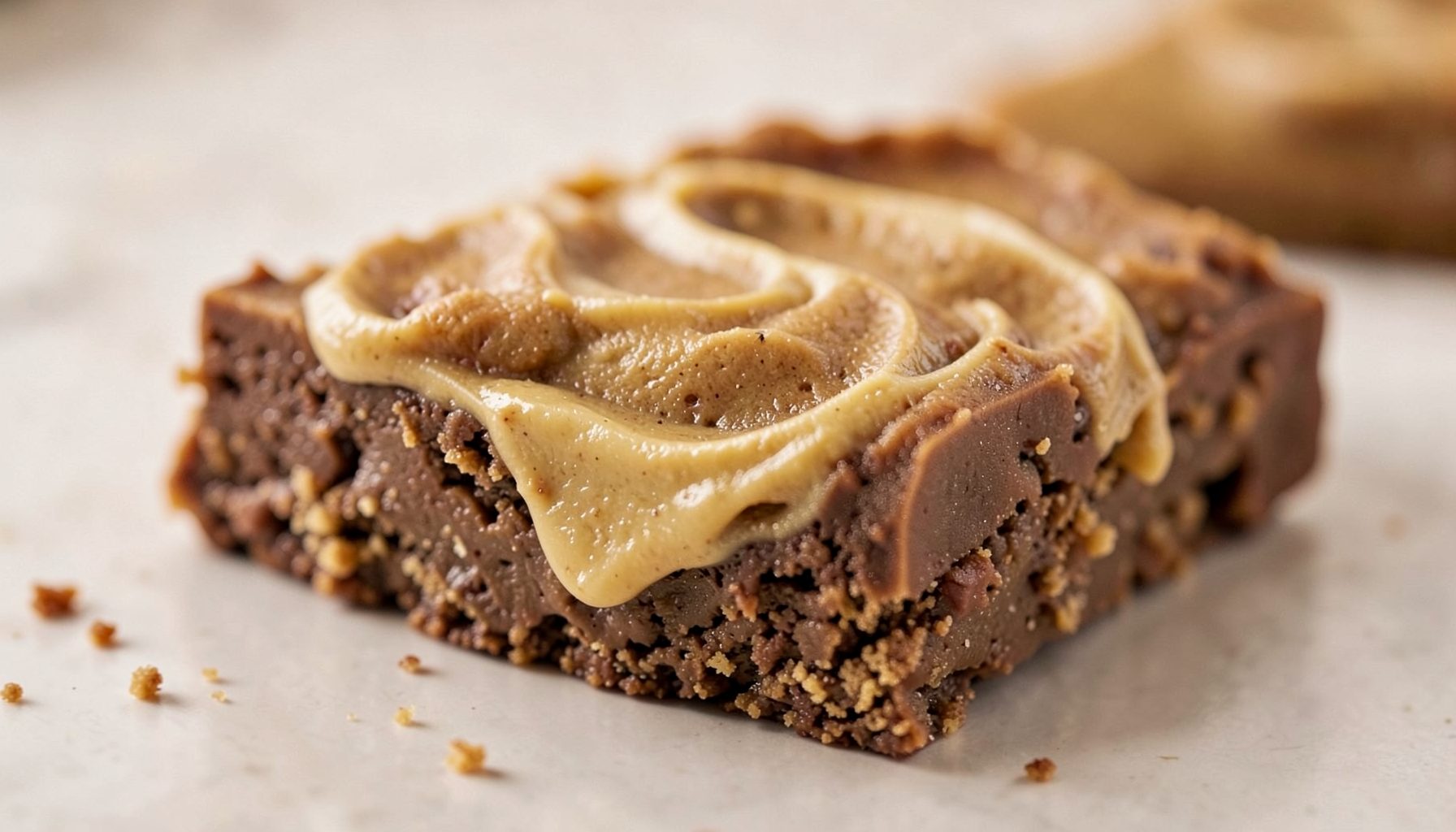
Cookie Butter
Rich, buttery cookie flavor in every bite. Offered in 1-pack and 10-pack options.
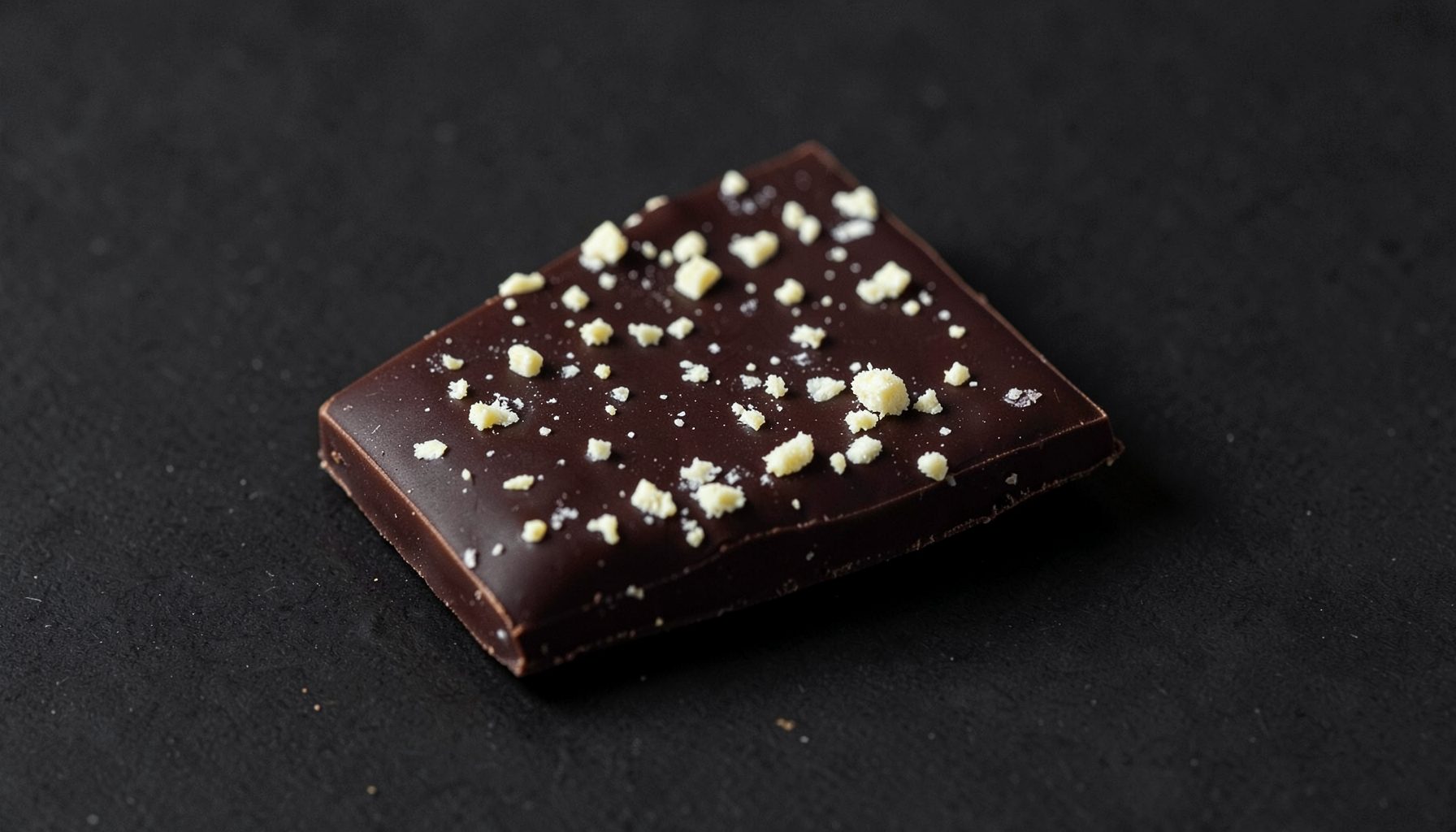
Cookies & Cream
Classic cookies-and-cream taste with a mushroom chocolate twist. 1-pack and 10-pack.
From Mushroom Culture to Finished Gummy
A mushroom-based gummy begins long before it reaches a retail package. Its journey may involve biological cultivation, harvesting, drying, extraction, formulation, cooking, testing, and careful labeling. Each stage can affect the ingredient’s identity, consistency, flavor, and final consumer experience.
The phrase “farm to gummy” describes a supply chain rather than one universal manufacturing method. Some products use whole fruiting bodies, while others contain mycelium, powdered mushroom material, or a concentrated extract. The source species, growing medium, processing conditions, and intended use all shape the finished product.
For shoppers exploring mushroom-infused sweets, understanding this path makes product information easier to interpret. Diamond Shruumz presents a collection of mushroom-based gummies, chocolate bars, and cones in a variety of flavors and pack sizes, with attention to sourcing, dosing, and ingredient transparency.
From Spores to a Growing Medium
The process typically begins with a selected mushroom species and a controlled culture. Depending on the producer, the material may originate from spores, tissue culture, or an established mycelial strain. This starting culture is expanded under sanitary conditions before it is introduced to a prepared substrate.
A substrate supplies the nutrients and moisture needed for growth. Common materials can include grains, agricultural fibers, wood-based material, or other formulated media. Temperature, humidity, airflow, and light are adjusted according to the organism’s needs. Consistency matters because variations in the growing environment can influence yield and the concentration of naturally occurring compounds.
Mushroom cultivation is different from growing ordinary produce. The visible cap and stem are only part of the organism, while the mycelium forms an extensive network within the substrate. A manufacturer should identify which portion is used in the final product, since fruiting-body powder and mycelial biomass are not interchangeable descriptions.
Cultivation, Harvesting, and Drying
Once the culture reaches its desired stage, the mushrooms are harvested. Timing can depend on species, size, appearance, moisture content, and the intended form of the ingredient. Early harvesting may preserve a particular texture, while later harvesting can provide more mature fruiting bodies.
Fresh mushrooms contain substantial water, so they are generally dried before storage or further processing. Low-temperature dehydration helps reduce moisture and limits conditions that support spoilage. The dried material may then be milled into a powder or held as a raw ingredient for extraction.
This stage calls for careful handling. Clean equipment, traceable batches, and suitable storage protect the ingredient from contamination and degradation. A documented chain of custody can connect the cultivated material to a specific production lot, making later testing and investigation more practical.
From Mushroom Material to an Extract
There are several ways to prepare mushroom ingredients for a gummy. Whole mushroom powder is the simplest approach: dried material is ground and blended directly into the recipe. An extract uses a solvent or water-based process to concentrate selected compounds, followed by filtration, evaporation, or drying.
Extraction does not automatically mean greater quality. Its value depends on the species, the target compounds, the process used, and whether the finished ingredient is accurately characterized. A clear product description should distinguish between a powder, a liquid extract, a dry extract, and a standardized ingredient.
Chocolate offers a different delivery format from a gummy. Readers comparing edible products can review the brand’s chocolate bar collection to see how flavor, format, serving size, and ingredient presentation may differ across products. In every format, the amount of mushroom material or extract per serving should be stated as clearly as possible.
Comparing Common Ingredient Forms
The form of the mushroom ingredient affects texture, processing, and how easily a manufacturer can create consistent servings. The following comparison provides a general guide; exact characteristics vary by species and supplier.
| Ingredient form | How it is made | Typical formulation role | Key information to verify |
|---|---|---|---|
| Whole fruiting-body powder | Dried mushrooms are milled | Adds mushroom solids and earthy flavor | Species, plant part, batch identity |
| Mycelium-based powder | Mycelium is grown on a substrate and dried | Supplies powdered fungal biomass | Substrate details and composition |
| Liquid extract | Compounds are drawn into a liquid medium | Used before concentration or blending | Extraction method and concentration |
| Dry extract | Liquid extract is concentrated and dried | Easier to incorporate into measured recipes | Standardization and carrier ingredients |
| Blended mushroom formula | Multiple powders or extracts are combined | Creates a broader ingredient profile | Exact ingredients and amounts per serving |
A gummy manufacturer must make the selected ingredient compatible with the rest of the recipe. Powders can settle or create a gritty mouthfeel, while liquid extracts may alter water content and shelf stability. A controlled mixing process helps distribute the mushroom component throughout the batch.
Building the Gummy
Gummy production usually combines a sweetener, water or another liquid, a gelling agent, flavoring, color, and the mushroom ingredient. Pectin is common in plant-based gummies, while gelatin provides a different texture. Acidity, heating, and cooling must be balanced so the gummy sets correctly without damaging sensitive ingredients.
The mushroom component may be added at a particular stage to support even distribution. Mixing speed, batch temperature, and holding time can all affect uniformity. If a concentrated extract is used, accurate weighing and thorough blending become especially important because a small mixing error may create variation between pieces.
Flavor development also has a practical purpose. Mushroom powders and extracts can carry earthy, bitter, or woody notes. Fruit flavors, sweeteners, and acidity can help create a more approachable profile, but flavor does not determine potency or safety. Ingredient panels and serving information remain more useful than taste when evaluating a product.
For a closer look at serving details, formats, and product information, the brand’s gummy guide provides context for understanding mushroom-infused confectionery.
Testing, Packaging, and Traceability
Before packaging, finished gummies may undergo checks for weight, appearance, texture, moisture, and microbial quality. Depending on the ingredient and local requirements, testing may also examine identity, active compounds, heavy metals, pesticides, residual solvents, or other contaminants. Independent laboratory analysis can add confidence when the report is current, batch-specific, and easy to match to the package.
Packaging protects the product from heat, light, moisture, and accidental access. A useful label identifies the ingredients, serving size, number of servings, lot or batch code, manufacturer information, and relevant storage instructions. Clear language is particularly important for products that contain concentrated extracts or ingredients with intoxicating potential.
Consumers should also consider the legal status of mushroom-derived products in their location. Rules differ widely by jurisdiction and can change over time. “Natural,” “plant-based,” or “mushroom” does not automatically mean a product is risk-free, suitable for every person, or approved to treat a medical condition.
What to Check Before Buying
A careful review of the package can reveal how much of the supply chain is documented. Look for specific information rather than broad promotional language, especially when a product makes claims about wellness, effects, or potency.
- Identify the mushroom species and whether the ingredient is a fruiting body, mycelium, powder, or extract.
- Check the serving size, total amount per package, and any stated active-compound information.
- Look for a lot number, expiration or best-by date, and storage instructions.
- Review the full ingredient list for allergens, sweeteners, colors, and other additives.
- Confirm that testing or quality documentation applies to the same product and batch.
A responsible approach also includes starting with the labeled serving guidance, avoiding combinations with alcohol or other intoxicating substances, and keeping gummies away from children and pets. People who are pregnant, taking medication, managing a health condition, or sensitive to psychoactive ingredients should seek qualified medical advice before using these products.
The Finished Product and Its Story
By the time a mushroom becomes a gummy, it has passed through several distinct forms: living culture, growing substrate, harvested material, dried powder or extract, blended confectionery, and sealed package. Quality depends on the continuity between those steps. Strong manufacturing practices connect the original ingredient to the final serving through records, controls, and testing.
For consumers, the most useful story is a specific one. It explains what was grown, which part was used, how it was processed, how much appears in each serving, and how the finished batch was evaluated. Diamond Shruumz shares its broader product range and brand information through its official website, where shoppers can examine the available formats and flavor options.
The journey from cultivation to confectionery is therefore more than a marketing phrase. It is a sequence of decisions that influences identity, consistency, taste, storage, and responsible use. Review the label, study the serving information, and choose products whose sourcing and quality details are clear before adding them to your routine.

Send Us a Message
Get in Touch
Have questions about our products or your order? Reach out and we'll get back to you.
- California, USA
- Contact Page