
California • Est. 2019
Premium mushroom chocolate bars, gummies, and cones crafted in California. Bold flavors, uncompromising quality, and a brand built from the ground up.
Explore the CollectionOur Collection
Shruumz Chocolates & Gummies
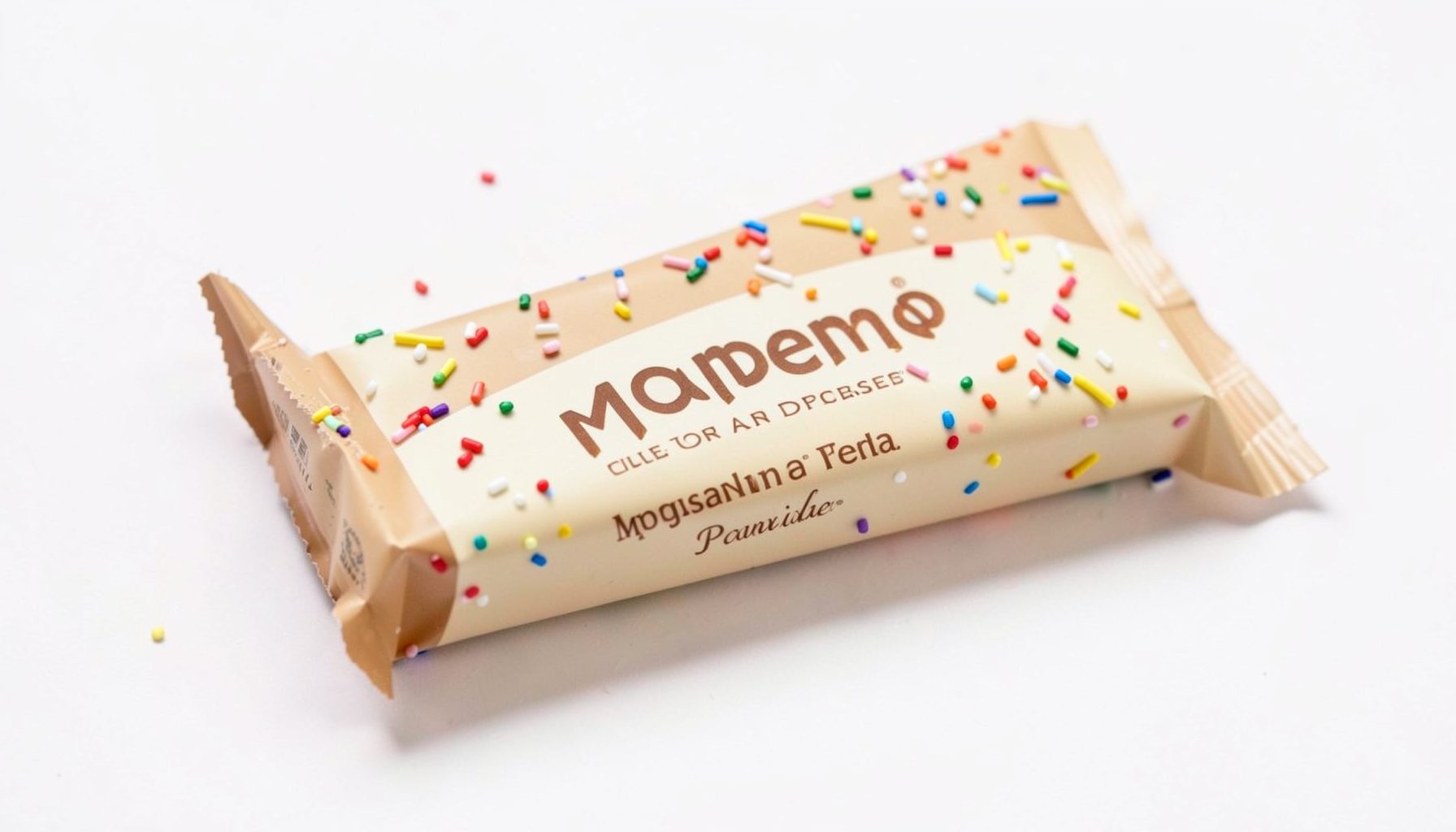
Birthday Cake
Celebratory flavor with a sweet, cake-inspired profile. Available in 1-pack and 10-pack.
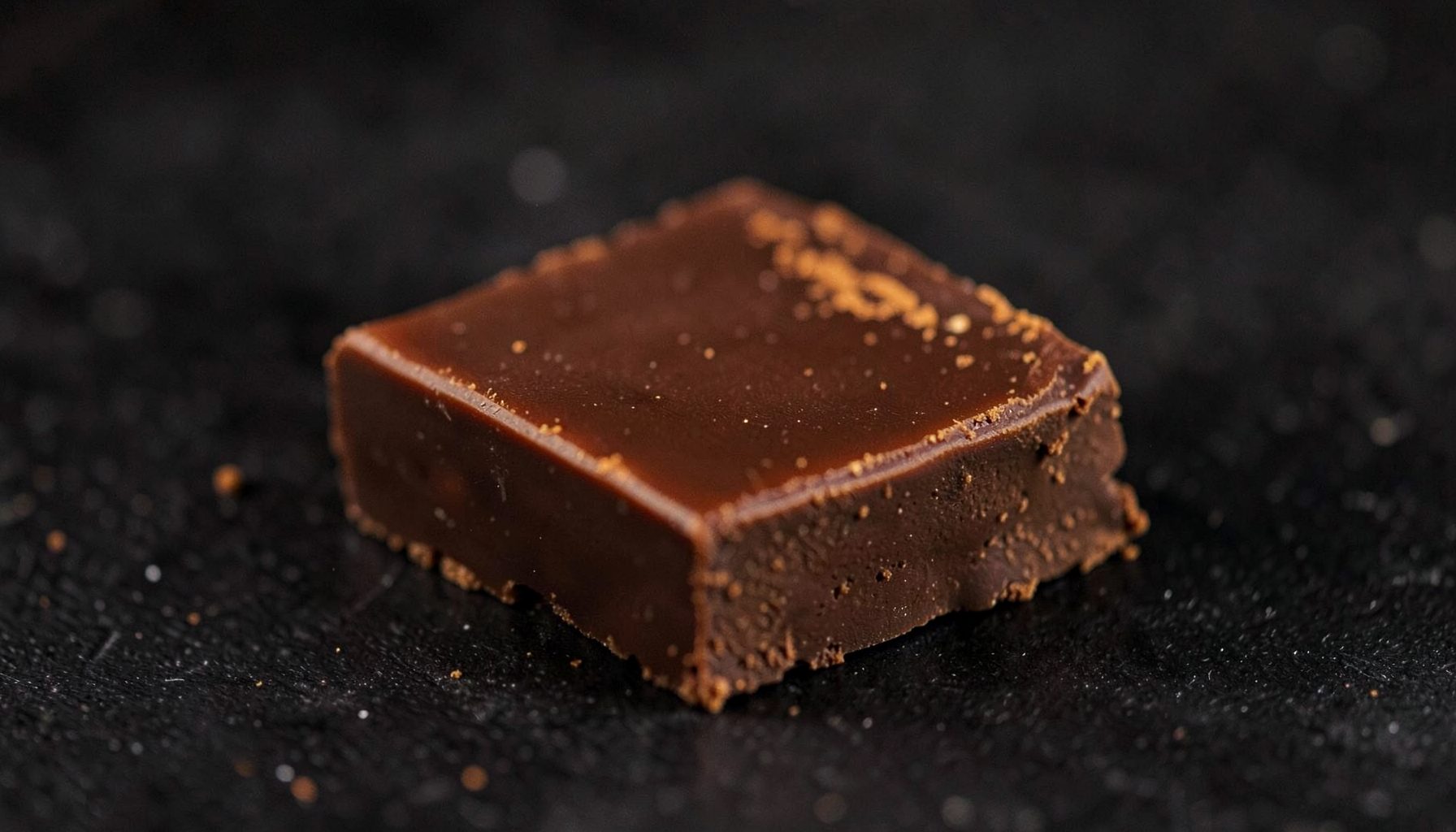
Cinnamon
Warm spiced chocolate with a smooth finish. Single bars and bulk packs available.
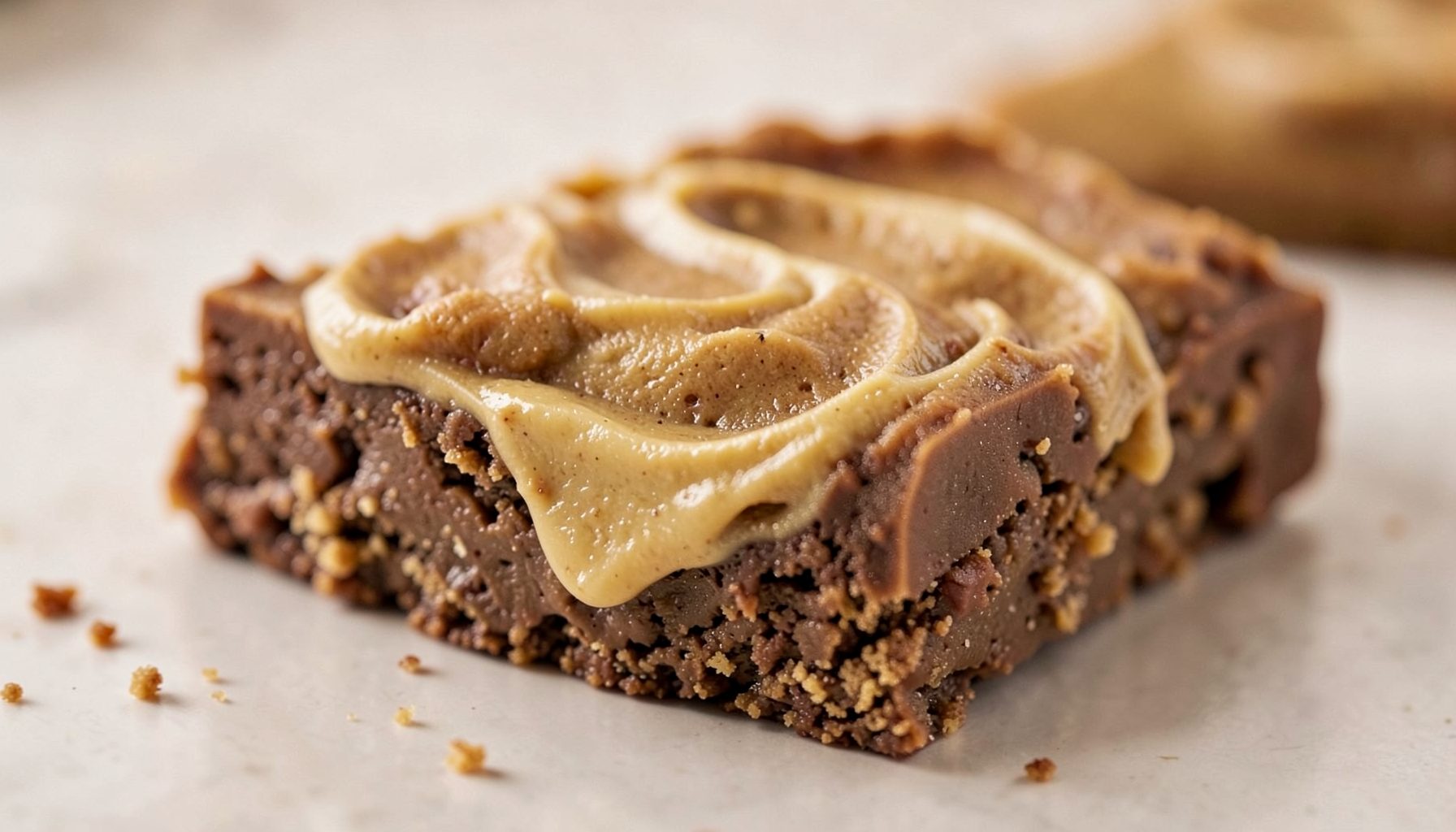
Cookie Butter
Rich, buttery cookie flavor in every bite. Offered in 1-pack and 10-pack options.

Cookies & Cream
Classic cookies-and-cream taste with a mushroom chocolate twist. 1-pack and 10-pack.
The Legal Landscape Of Mushroom-Infused Products In The US
Mushroom-infused products occupy a complicated space in American law. A chocolate bar, gummy, or cone may contain culinary mushrooms, functional mushroom extracts, hemp-derived cannabinoids, Amanita muscaria, or a controlled psychedelic compound. Each ingredient can trigger a different set of federal, state, and local rules.
The word “mushroom” therefore does not determine whether a product is legal. The relevant questions include which species is present, whether the ingredient contains a scheduled substance, how it was manufactured, what the label claims, and where the product is sold. Rules can also differ between possession, retail distribution, advertising, and online shipping.
For shoppers exploring brands such as Diamond Shruumz, ingredient transparency and current regulatory information matter as much as flavor or format. Product collections may include multiple varieties and serving sizes, but every item still needs to be evaluated under the laws that apply in its destination state.
Federal Rules Set The Baseline
Under the federal Controlled Substances Act, psilocybin and psilocin are Schedule I substances. Products containing those compounds are federally illegal outside narrow research and authorized contexts. A state-level reform does not automatically change federal status, and commercial sale across state lines can create additional legal exposure.
Some mushroom products use species marketed as “functional,” such as lion’s mane, reishi, or cordyceps. These ingredients are generally treated differently from psychedelic fungi, although the finished product must still comply with food, supplement, labeling, and manufacturing requirements. A product cannot become lawful simply because it contains a mushroom-derived ingredient.
Amanita muscaria presents a separate issue. It is not federally scheduled in the same way as psilocybin, but that does not make every Amanita product broadly approved or unrestricted. Federal agencies may object to unsafe ingredients, misleading labels, disease claims, or products marketed for consumption without adequate safety support.
State Policies Are Moving At Different Speeds
State law may be stricter, more permissive, or simply less specific than federal law. Oregon and Colorado have created regulated pathways for certain psilocybin-related services, but these systems are limited by licensing, location, facilitator, product, and use requirements. They should not be confused with unrestricted retail sales.
Other states prohibit psilocybin possession and distribution outright. Several jurisdictions have also moved against intoxicating mushroom products containing Amanita compounds or unidentified blends. Legislatures and health departments may issue new restrictions quickly after reports of adverse events, making older online listings unreliable.
Local rules add another layer. A city or county may impose zoning, licensing, or retail restrictions even when state law allows a category of product. Sellers and consumers should verify the current rule in the state where possession or delivery occurs, rather than relying on a product’s availability in another location.
Ingredient Categories Carry Different Risks
The phrase “mushroom-infused” can describe products with very different legal and practical profiles. A culinary mushroom snack is not regulated like a product containing a psychoactive extract. Even within one product line, flavor, format, and package size do not answer the most important compliance questions.
The following distinctions provide a useful starting point:
| Product category | Typical legal focus | Common consumer concern |
|---|---|---|
| Culinary mushroom foods | Food safety, manufacturing, and labeling | Allergens and accurate ingredients |
| Functional mushroom supplements | Supplement rules and structure-function claims | Evidence for advertised benefits |
| Amanita-based products | State restrictions, safety, and labeling | Potency variability and adverse reactions |
| Psilocybin products | Federal scheduling and state controlled-substance law | Possession, sale, and transport |
| Hemp-derived cannabinoid products | Federal and state hemp limits | THC thresholds, testing, and shipping |
| Blended or proprietary formulas | Full ingredient disclosure and applicable rules | Unclear identity or undisclosed actives |
Labels should identify the mushroom species, extract type, serving size, and other active ingredients. “Proprietary blend” language can make it difficult to determine what a consumer is actually taking. Independent laboratory testing may provide useful information, but a certificate of analysis does not override a legal prohibition or prove that a product is safe for every person.
A product’s claims also matter. Statements promising to treat anxiety, depression, pain, addiction, or other medical conditions can attract scrutiny under food, drug, and consumer-protection laws. Descriptions of mood or wellness experiences are not a substitute for clinical evidence, and marketing language should not imply medical approval where none exists.
Marketing And Shipping Create Extra Exposure
Online availability does not establish nationwide legality. A retailer may restrict shipments to certain states, but a consumer who carries a product across state lines can still encounter laws in the destination jurisdiction. Shipping policies should be treated as a practical signal, not a definitive legal opinion.
Marketing materials are reviewed according to the overall impression they create. Product names, imagery, dosage language, testimonials, and references to altered states can influence how regulators classify an item. Sellers also need to consider age restrictions, packaging standards, warning statements, and rules governing advertising to minors.
The Food and Drug Administration may address products through food safety actions, warning letters, recalls, or other enforcement tools. State attorneys general and health departments can act separately. Consumers should check official notices before purchasing older inventory, particularly when a brand or product category has appeared in a public health alert.
Safety Events Can Change The Regulatory Picture
Legal status and safety are related but separate questions. An ingredient may not be listed as a controlled substance while still presenting risks from contamination, misidentification, concentrated extracts, drug interactions, or inconsistent potency. Reports of hospitalizations can prompt emergency bans or recalls even when a product previously appeared in stores.
Diamond Shruumz illustrates why consumers should review current notices rather than rely only on branding or past availability. The FDA issued a 2024 warning and recall-related communications involving Diamond Shruumz products after reports of illnesses associated with products sold under the brand. Anyone holding older products should check official FDA and state health department information before consuming them.
For broader context on how brands describe different serving approaches, readers can review microdosing and macro experiences. Marketing explanations, however, should never replace an ingredient review, a current recall check, or advice from a qualified healthcare professional.
Responsible Purchasing Starts With Verification
A careful buyer can reduce confusion by treating every mushroom product as a regulated consumer good rather than assuming that a colorful package reflects approval. Before purchasing or using a product, review:
- The complete ingredient panel, including species, extracts, cannabinoids, and proprietary blends
- The current law in the state where the product will be received, possessed, or consumed
- Batch-specific laboratory results, manufacturing details, and expiration information
- FDA, state health department, and retailer recall notices
- Warnings about medications, pregnancy, allergies, mental health conditions, and age restrictions
Keep the original packaging and purchase records, especially when buying products online. Do not combine psychoactive or sedating ingredients with alcohol, prescription medicines, or other substances without professional guidance. If unexpected symptoms occur, stop use and contact a medical professional or poison control service.
The category will continue to evolve as lawmakers distinguish between culinary fungi, wellness supplements, Amanita products, hemp-derived formulas, and regulated psychedelic services. Consumers can explore brand information and product details through the Diamond Shruumz collection, while independently checking whether a specific item is lawful and currently available in their jurisdiction.
Read the label, verify the destination-state rules, and check public health alerts before making a purchase. That simple process supports informed decisions while the United States continues to define the boundaries of mushroom-based consumer products.

Send Us a Message
Get in Touch
Have questions about our products or your order? Reach out and we'll get back to you.
- California, USA
- Contact Page