
California • Est. 2019
Premium mushroom chocolate bars, gummies, and cones crafted in California. Bold flavors, uncompromising quality, and a brand built from the ground up.
Explore the CollectionOur Collection
Shruumz Chocolates & Gummies
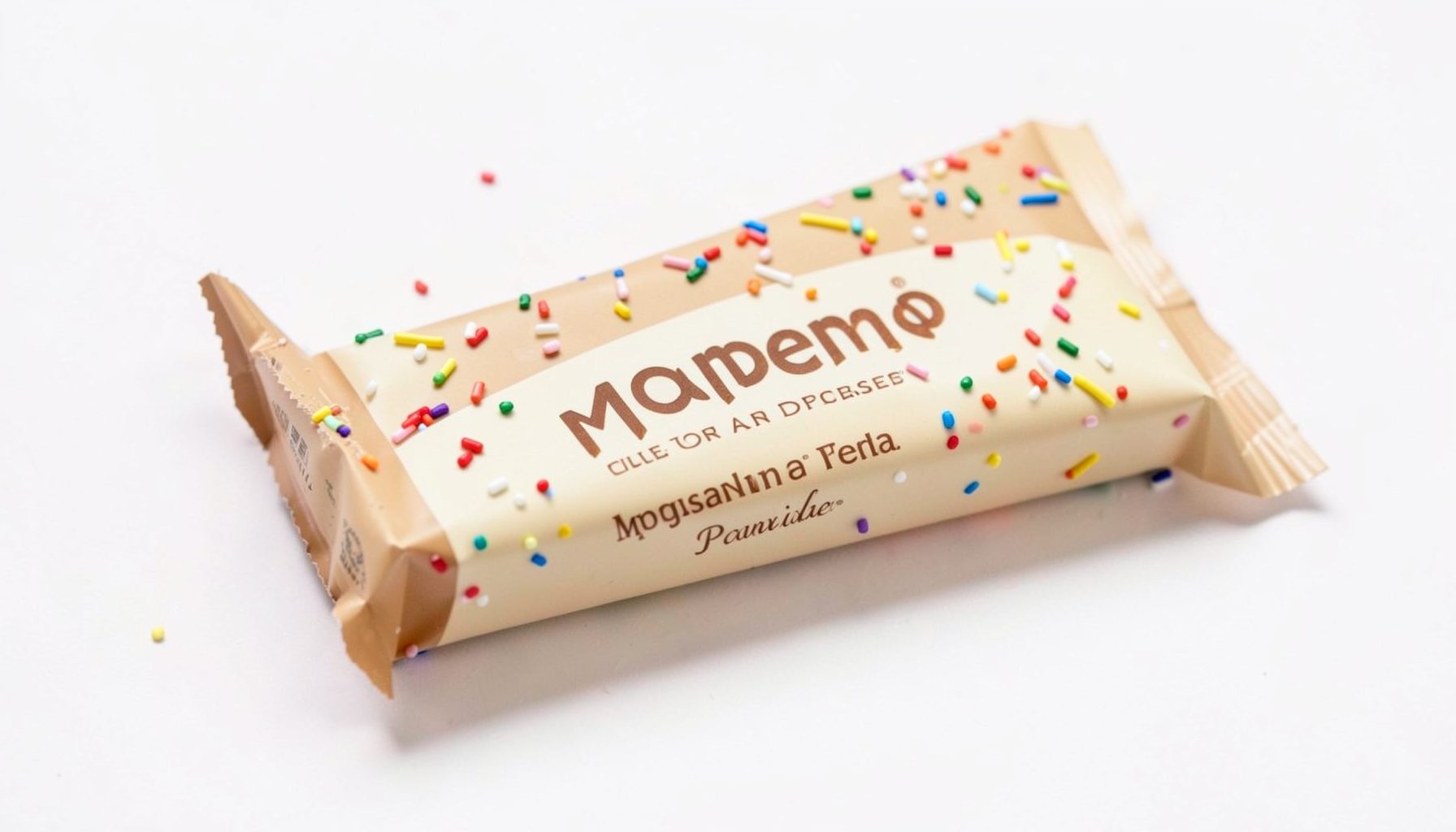
Birthday Cake
Celebratory flavor with a sweet, cake-inspired profile. Available in 1-pack and 10-pack.
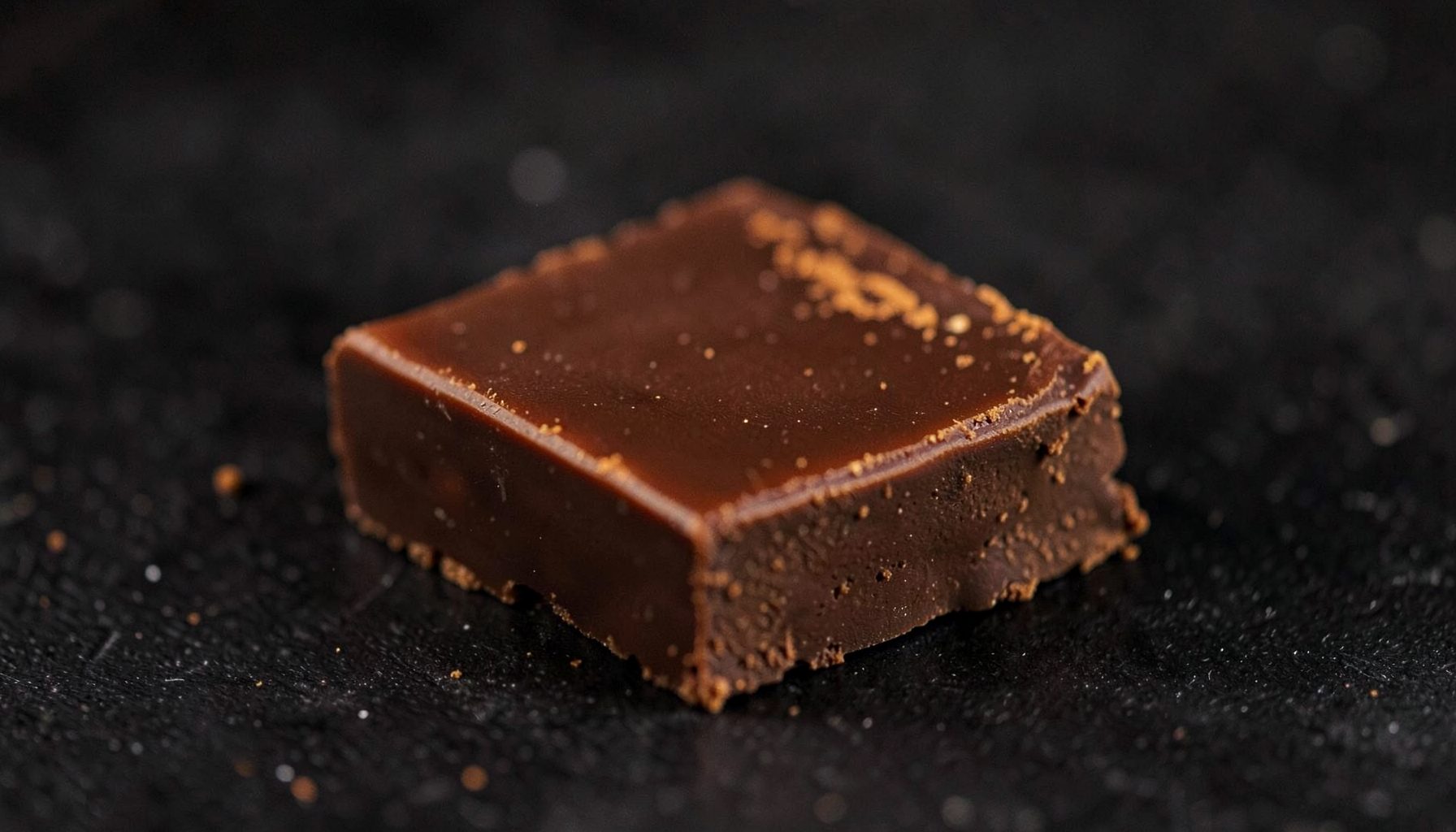
Cinnamon
Warm spiced chocolate with a smooth finish. Single bars and bulk packs available.
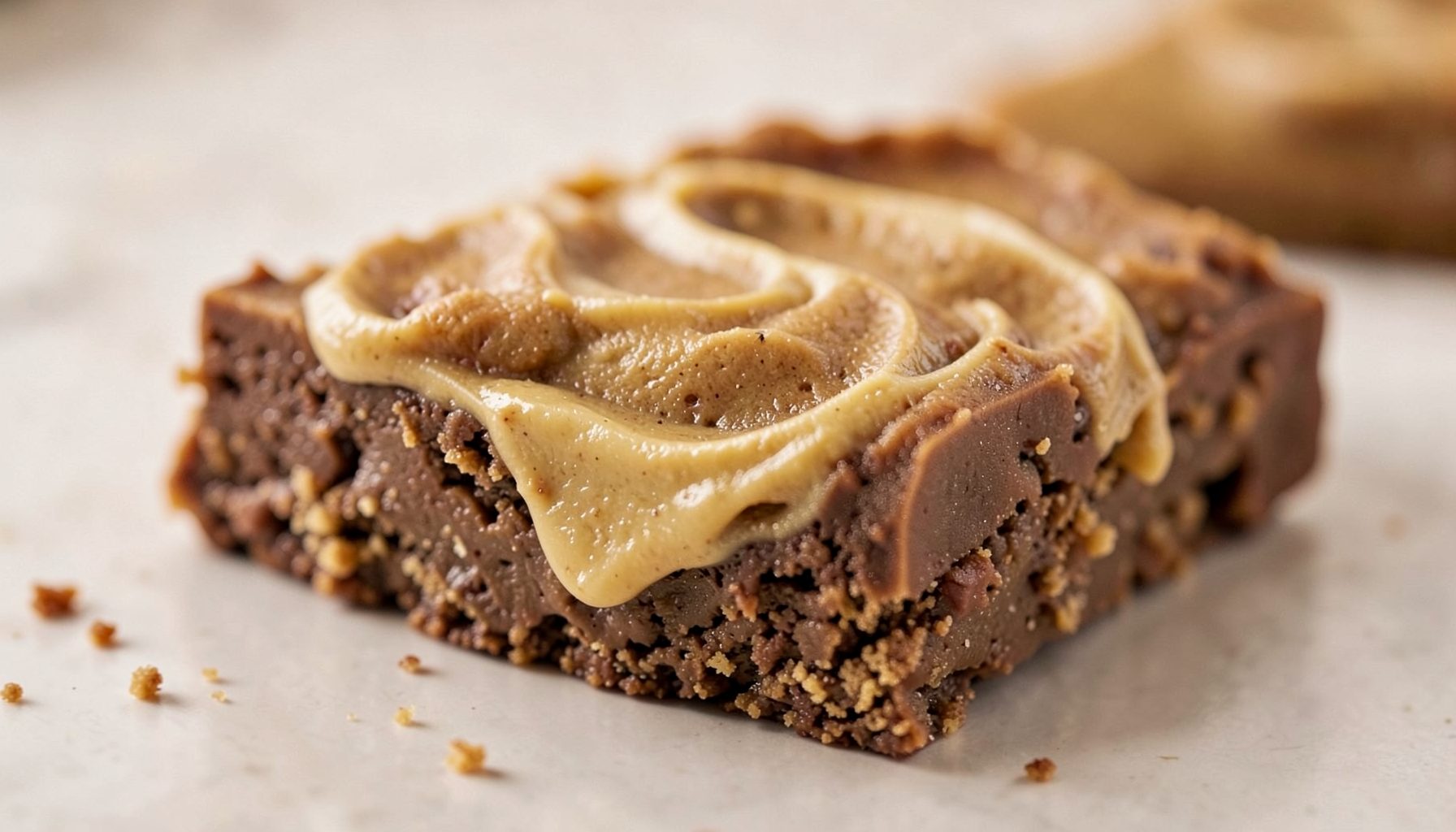
Cookie Butter
Rich, buttery cookie flavor in every bite. Offered in 1-pack and 10-pack options.
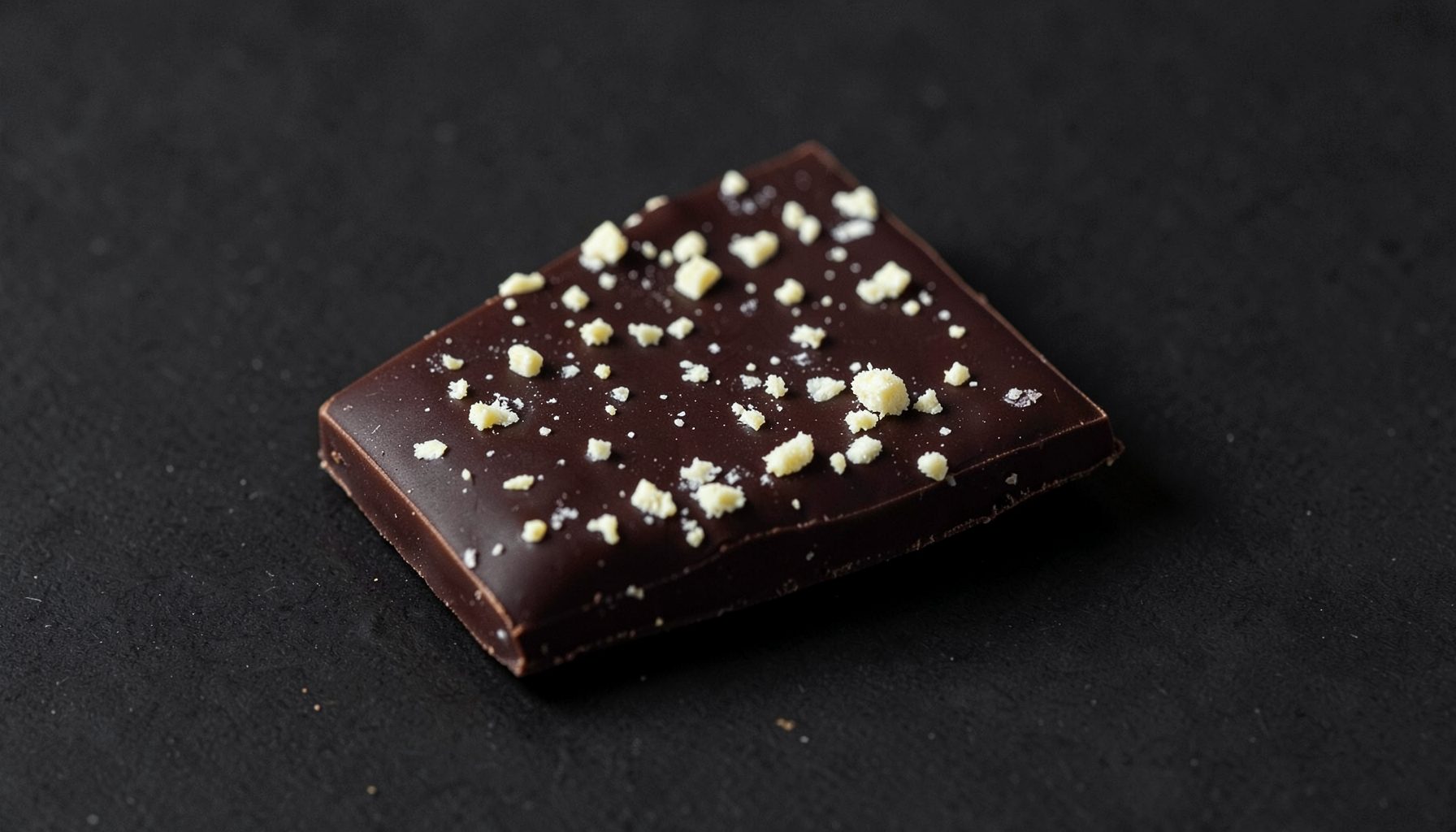
Cookies & Cream
Classic cookies-and-cream taste with a mushroom chocolate twist. 1-pack and 10-pack.
From First Idea to Final Bite: Creating a New Mushroom Flavor
A new flavor begins long before ingredients reach a mixing bowl. It starts with a creative direction: a familiar dessert, a bright fruit combination, a nostalgic candy note, or a profile designed to complement the earthy character of mushroom-infused products. For a brand such as Diamond Shruumz, the goal is to turn that early idea into a consistent, enjoyable product across chocolate bars, gummies, and cones.
Flavor development combines culinary creativity with careful product planning. Teams must consider aroma, sweetness, texture, color, ingredient compatibility, serving size, packaging, and customer expectations. A successful launch is the result of many small decisions working together, from the first sketch of a flavor profile to the final quality check.
The process also requires transparency. Clear ingredient information, responsible dosing communication, reliable sourcing, and appropriate testing help customers make informed choices. The best new flavor is therefore more than an appealing name; it is a complete product experience built with consistency and care.
Finding The Flavor Concept
The first stage is inspiration. Product developers may study seasonal ingredients, popular confectionery trends, customer feedback, and combinations that already perform well within the collection. A concept such as strawberry cream, salted caramel, blue raspberry, or a tropical fruit blend gives the team a starting point, but it does not yet define the finished recipe.
The concept must also fit the brand’s identity. A flavor can be adventurous without becoming confusing, while a classic combination can feel distinctive through its balance and presentation. Developers often describe the idea using sensory terms, including sweet, tart, creamy, cooling, toasted, floral, or rich. This vocabulary helps everyone evaluate the same target during later tastings.
At this stage, the team may also decide which format best suits the idea. A crisp fruit note could work particularly well in a gummy, while a deep cocoa or nut profile may be more natural in a chocolate bar. The product format influences every later decision.
Building A Balanced Flavor Profile
Once the direction is chosen, the next task is formulation. Flavor specialists select ingredients that can produce the intended aroma and taste while working with the product’s base. Chocolate brings fat, cocoa bitterness, and a smooth melt. Gummies introduce sweetness, chew, acidity, and a different release of flavor. Cones require attention to both the filling and the surrounding material.
Balance matters more than intensity. A flavor that is too sweet may become tiring, while excessive acidity can hide subtle notes. Earthy mushroom character may need to be complemented by cocoa, fruit, spice, or vanilla rather than covered with overwhelming artificial flavor. The team may create several prototypes, changing one variable at a time to understand how each adjustment affects the whole profile.
Ingredient compatibility is equally important. Certain flavorings can react with acidity, heat, moisture, or fats. Natural colors may behave differently from synthetic alternatives, and texture can change during storage. Developers therefore evaluate the recipe as a complete system instead of judging taste in isolation.
Testing Prototypes And Gathering Feedback
Prototype testing turns an idea into measurable progress. Small batches allow developers to compare sweetness, aroma, mouthfeel, aftertaste, appearance, and consistency. A structured tasting process is more useful than relying on general reactions such as “good” or “strong.” Tasters can record whether the flavor arrives quickly, how long it lasts, and whether the finish is clean or unbalanced.
Feedback may come from internal teams, trained sensory reviewers, and carefully selected customer research. Comments should be grouped into patterns rather than treated as isolated instructions. If several people describe a flavor as too tart, the recipe may need less acid or more sweetness. If the product tastes pleasant but lacks a recognizable identity, the central flavor note may need to be strengthened.
Customer experience can inform the tone of product communication, but it should not replace responsible product information. Reports about recreational or wellness experiences vary from person to person, so brands should present them as individual perspectives rather than guaranteed outcomes. A resource such as this customer experience guide can help frame those accounts carefully.
| Development Stage | Main Focus | Key Decision |
|---|---|---|
| Concept | Inspiration, audience, and product format | What should the flavor feel like? |
| Formulation | Ingredients, sweetness, texture, and aroma | Which recipe delivers the target profile? |
| Sensory Testing | Taste, finish, appearance, and consistency | What needs to change? |
| Quality Review | Dosing, stability, sourcing, and testing | Is the product reliable and properly documented? |
| Launch Preparation | Packaging, education, and production planning | Is the flavor ready for customers? |
Confirming Quality And Consistency
A promising prototype must pass more than a taste test. Quality teams review ingredient specifications, supplier documentation, manufacturing controls, and batch consistency. They may examine how the flavor performs over time, including changes in color, texture, aroma, or potency under expected storage conditions.
Dosing information deserves particular attention in mushroom-infused products. The final product should have clear serving guidance and labeling that aligns with applicable requirements. Teams also need to verify that the recipe can be reproduced accurately at a larger scale, since a kitchen-sized prototype may behave differently in commercial production.
Sourcing is part of the flavor story as well. Ingredients should be selected for reliable quality and traceability, from cocoa and sweeteners to fruit flavors, colors, and mushroom components. Product testing and documentation support confidence in what appears on the label. If a customer needs clarification about a product or its ingredients, they can contact our team through the brand’s communication channel.
Scaling The Recipe For Production
Moving from a small trial batch to full production is a practical test of the recipe. Mixing speed, temperature, equipment surfaces, cooling time, and filling methods can all affect the finished product. A flavor that tastes balanced in a laboratory sample must remain balanced when produced in larger quantities.
Manufacturing specialists establish precise procedures for weighing, blending, depositing, cooling, cutting, and packaging. They also define acceptable ranges for appearance, weight, texture, and flavor. These standards make it easier to identify an unusual batch before it reaches customers.
Packaging decisions are made alongside production planning. The wrapper, pouch, or container should protect the product from moisture, heat, light, and handling while presenting the flavor clearly. Pack sizes and serving information need to remain easy to read, especially when a collection includes many varieties.
Preparing The Launch
A flavor launch brings together product development, design, education, and distribution. The name should be memorable without promising effects that the product cannot guarantee. Descriptions can focus on sensory qualities, such as bright fruit, creamy cocoa, or a smooth vanilla finish, while keeping ingredient and serving information visible.
Photography and packaging help customers understand what makes the flavor different from existing options. Retail and online descriptions should remain consistent with the approved formula and label. Internal teams also need accurate information so that customer service can answer questions about ingredients, format, pack size, and storage.
Before release, a final review confirms that the product looks, tastes, and performs as intended. The launch is then monitored through sales patterns, customer comments, repeat purchases, and quality reports. This feedback can guide future refinements without losing the original character of the flavor.
What Makes A Flavor Worth Repeating
The strongest flavor concepts have a clear identity, but they also fit naturally into everyday product use. They offer a recognizable first impression, a balanced middle, and a pleasant finish. Consistency across batches is just as important as creativity during the initial concept stage.
For a mushroom-infused collection, trust is part of the experience. Ingredient transparency, responsible communication, careful sourcing, and attention to manufacturing help turn curiosity into confidence. These details may be less visible than a colorful package, yet they shape how customers judge the product over time.
A new flavor is ready for its place in the collection when taste, format, documentation, and presentation support the same promise. Explore the Diamond Shruumz range to compare formats and flavor profiles, then review the available product information before choosing the experience that best fits your preferences and local requirements.

Send Us a Message
Get in Touch
Have questions about our products or your order? Reach out and we'll get back to you.
- California, USA
- Contact Page