
California • Est. 2019
Premium mushroom chocolate bars, gummies, and cones crafted in California. Bold flavors, uncompromising quality, and a brand built from the ground up.
Explore the CollectionOur Collection
Shruumz Chocolates & Gummies
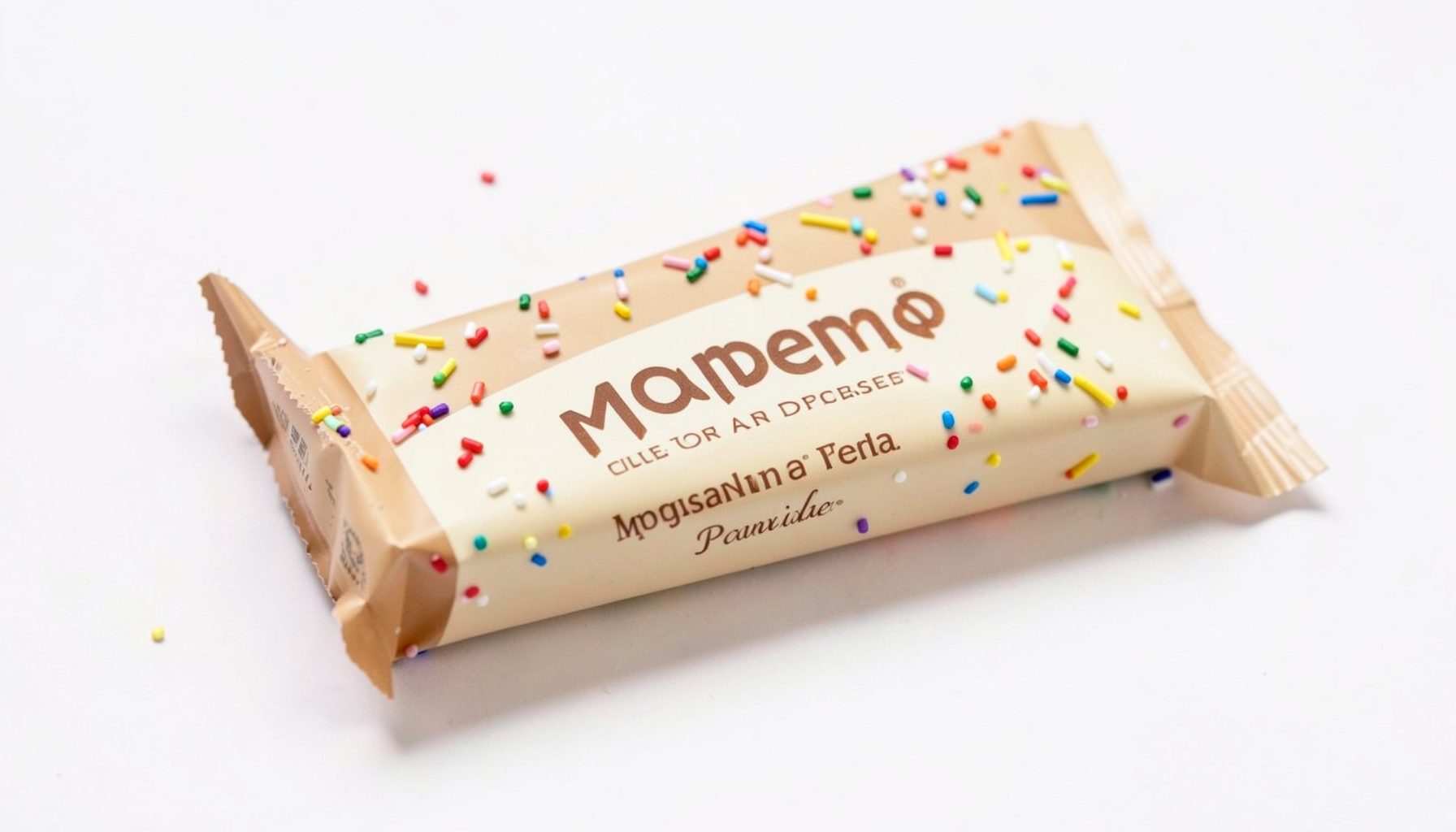
Birthday Cake
Celebratory flavor with a sweet, cake-inspired profile. Available in 1-pack and 10-pack.
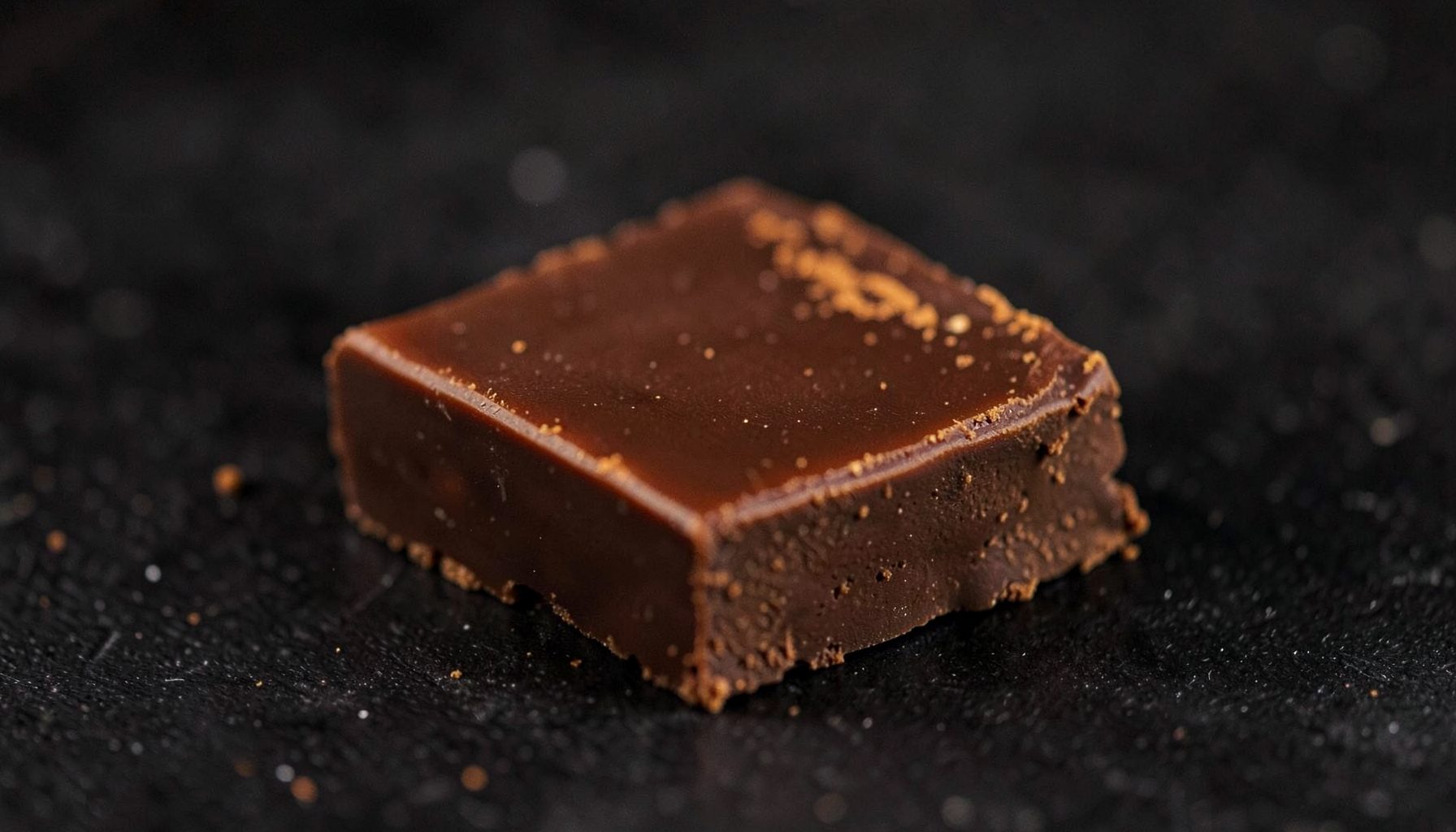
Cinnamon
Warm spiced chocolate with a smooth finish. Single bars and bulk packs available.
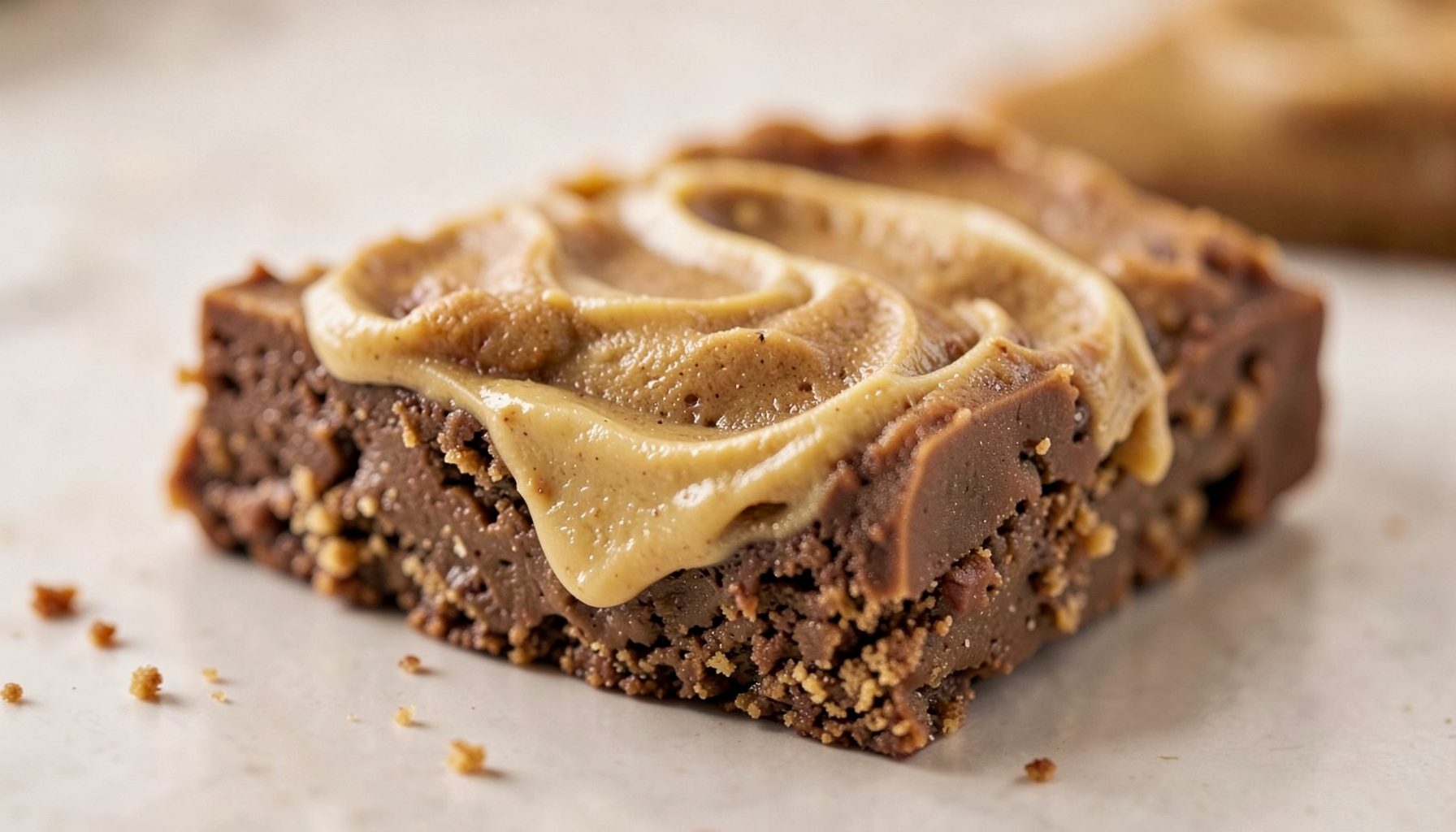
Cookie Butter
Rich, buttery cookie flavor in every bite. Offered in 1-pack and 10-pack options.
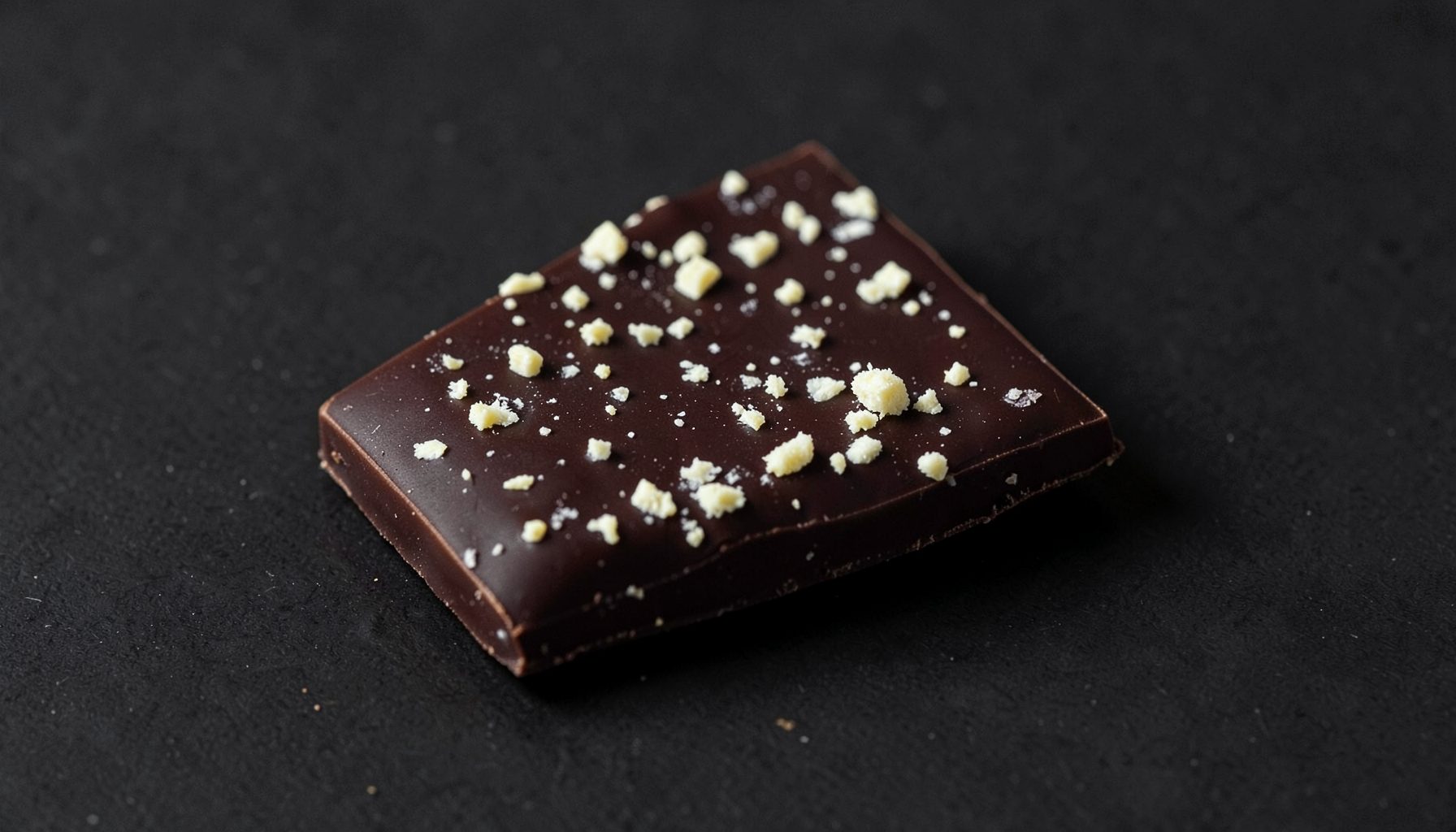
Cookies & Cream
Classic cookies-and-cream taste with a mushroom chocolate twist. 1-pack and 10-pack.
The Role of Beta-Glucans in Mushroom Extracts
Mushrooms contain a diverse range of naturally occurring compounds, and beta-glucans are among the most closely studied. These complex carbohydrates are found in the cell walls of many fungi, where they contribute to structure and help distinguish a whole-mushroom ingredient from a preparation made using only isolated flavour or aroma compounds.
For mushroom-infused chocolates, gummies, and cones, the presence of beta-glucans depends on the species, the part of the mushroom used, and the extraction method. It also depends on how the finished product is tested. Understanding these factors helps Australian customers read labels more carefully and interpret wellness language without assuming that every mushroom product provides the same composition or effect.
What Beta-Glucans Are
Beta-glucans are chains of sugar molecules linked in different patterns. In mushrooms, they are mainly structural polysaccharides located in the fungal cell wall. Their arrangement can vary between species, so the beta-glucan profile of reishi may differ from that of lion’s mane, maitake, turkey tail, or cordyceps.
That variation matters because “mushroom extract” is a broad description rather than a guarantee of a particular concentration. A powder made from the fruiting body, a hot-water extract, a dual extract using water and alcohol, and a highly refined ingredient may each contain different levels of beta-glucans and other compounds. A credible specification should identify the mushroom species, source material, extraction approach, and testing method.
Beta-glucans are often discussed in connection with immune-system activity and general physiological research. Those findings do not automatically establish that a particular chocolate or gummy will prevent illness, treat a condition, or produce a predictable feeling. Product claims should remain proportionate to the evidence and the actual amount present in the serving.
Why Extraction Method Matters
Mushroom cell walls are tough, and simple drying or grinding does not necessarily make every constituent equally available. Hot-water extraction is commonly used to draw out water-soluble polysaccharides, including many beta-glucans. Alcohol-based extraction may be used for other mushroom compounds, while a dual process attempts to cover a wider range of constituents.
The final result can change with temperature, extraction time, particle size, filtration, and concentration. A product can therefore contain mushroom material without having a meaningful, measured level of beta-glucans. For quality assessment, the useful details include a certificate of analysis, a stated beta-glucan percentage, and a distinction between beta-glucans and total polysaccharides. These terms are sometimes treated as interchangeable, although they are not always measured in the same way.
Formulation also affects how an extract performs in a confectionery product. Heat, moisture, acidity, and storage conditions may influence texture and stability. The brand’s account of its gummy texture process is relevant because consistent manufacturing involves more than adding an extract to a sweet base; it requires attention to mixing, setting, shelf life, and uniform distribution.
Reading A Mushroom Product Label
A useful label should state the mushroom species, the quantity of extract per serve, the ratio used during extraction, and whether the ingredient comes from fruiting bodies, mycelium, or a blend. It should also identify other active or functional ingredients rather than relying on a general phrase such as “proprietary mushroom complex”.
For Australian shoppers in Sydney, Melbourne, Brisbane, or elsewhere, serving size deserves particular attention. A large chocolate bar may contain several serves, while a packet of gummies may appear modest until the total number of pieces is considered. Comparing the amount per piece with the amount per package makes it easier to avoid accidental overconsumption, especially when products are shared at gatherings or taken after a long day at work.
Laboratory testing can strengthen transparency, but test results need context. A report may measure total beta-glucans, a selected marker compound, microbial limits, heavy metals, or cannabinoid and drug contaminants. Each test answers a different question. Customers should also check the batch number and testing date, since results from one production run do not automatically describe every future batch.
Beta-Glucans In Different Product Formats
Chocolate provides a dense, familiar delivery format, but its cocoa, sugar, fat, and flavour ingredients can make the mushroom component less obvious. The product’s serving information remains more important than the size of the bar. Reviewing the mushroom chocolate range can help clarify how flavour varieties and pack sizes are presented, although product descriptions should still be checked against the physical label and current regulatory requirements.
Gummies may offer convenient portioning, yet their soft texture and water content create manufacturing demands. Cones and other formats can introduce additional variability because the active material may not be distributed evenly unless the mixture is carefully blended. In every format, beta-glucan content is best understood as a measured ingredient characteristic, not as a promise of a particular recreational or wellness experience.
Australian climate and storage habits add another practical consideration. A chocolate product left in a warm car in Perth or Cairns can soften, separate, or lose its intended texture, while humidity may affect gummies and powders. Cool, dry storage away from direct sunlight helps preserve quality, but it cannot correct inaccurate dosing or replace proper testing.
Australian Safety And Regulatory Context
Australian rules depend on the ingredient and the claim being made. Food products are generally subject to the Australia New Zealand Food Standards Code, while therapeutic products may fall under the Therapeutic Goods Administration. A mushroom ingredient marketed as a food, a supplement, or a treatment can therefore attract different expectations around composition, labelling, advertising, and evidence.
Psychoactive mushroom ingredients require particular caution. Psilocybin is a prohibited substance in Australia and is listed as a Schedule 9 substance, with tightly controlled exceptions for authorised research and specific regulated medical pathways. A product described as “mushroom-infused” should not be assumed to be legal, non-intoxicating, or suitable for delivery into Australia. Import restrictions, state and territory enforcement, and online sales conditions can all apply.
Beta-glucans also do not make an unverified product safe. They cannot neutralise undeclared psychoactive compounds, contaminants, allergens, excessive caffeine, or inaccurate serving information. People who are pregnant, taking medicines, managing an immune-related condition, or sensitive to mushrooms should obtain qualified medical advice before using concentrated extracts. Driving, cycling in traffic, and operating machinery are inappropriate after consuming any product that may impair alertness.
For local customers, purchase records and packaging are worth retaining. Keeping the batch details, ingredient panel, and serving directions makes it easier to identify a product if an advisory or recall is issued. It also provides a practical reference when comparing an online listing with what arrives at the door. If browsing a brand’s online shop, the shopping cart should be treated as the final step in a verification process, not as evidence that a product is approved for Australian sale.
The most useful way to judge a mushroom extract is to separate three questions: what species is present, what has been measured, and what is legally permitted where the product will be used. Beta-glucans can be a meaningful marker of fungal material and extraction quality, but they are one part of a broader assessment that includes identity, dose, contaminants, storage, and claims.
As a practical rule, choose products with a complete ingredient panel, a clearly defined serving, batch-specific testing where available, and transparent legal status. Store them as directed, begin with the labelled amount rather than guessing from package size, and treat beta-glucan information as evidence about composition—not a guarantee of a particular health or recreational outcome.

Send Us a Message
Get in Touch
Have questions about our products or your order? Reach out and we'll get back to you.
- California, USA
- Contact Page