
California • Est. 2019
Premium mushroom chocolate bars, gummies, and cones crafted in California. Bold flavors, uncompromising quality, and a brand built from the ground up.
Explore the CollectionOur Collection
Shruumz Chocolates & Gummies
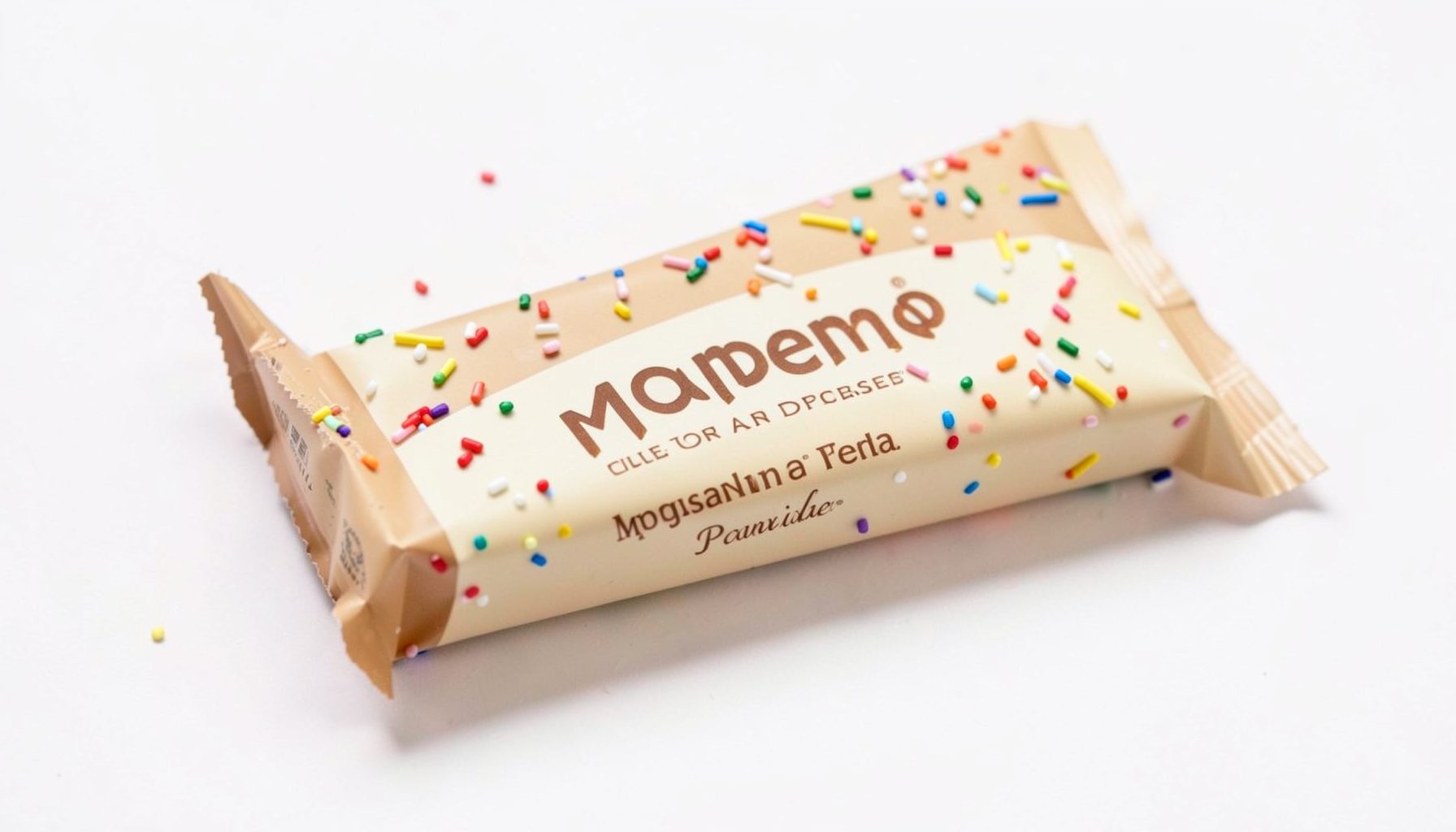
Birthday Cake
Celebratory flavor with a sweet, cake-inspired profile. Available in 1-pack and 10-pack.
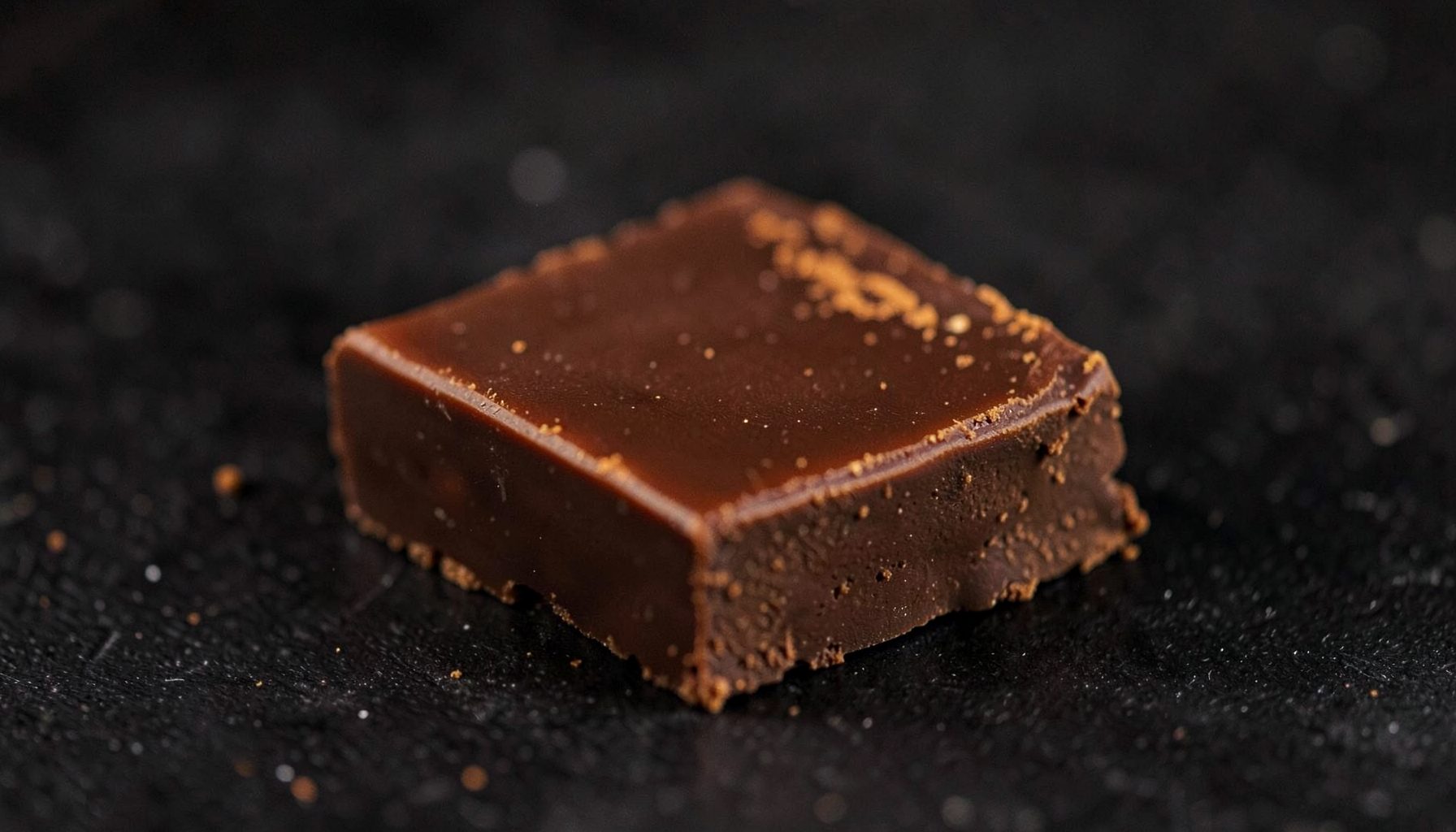
Cinnamon
Warm spiced chocolate with a smooth finish. Single bars and bulk packs available.
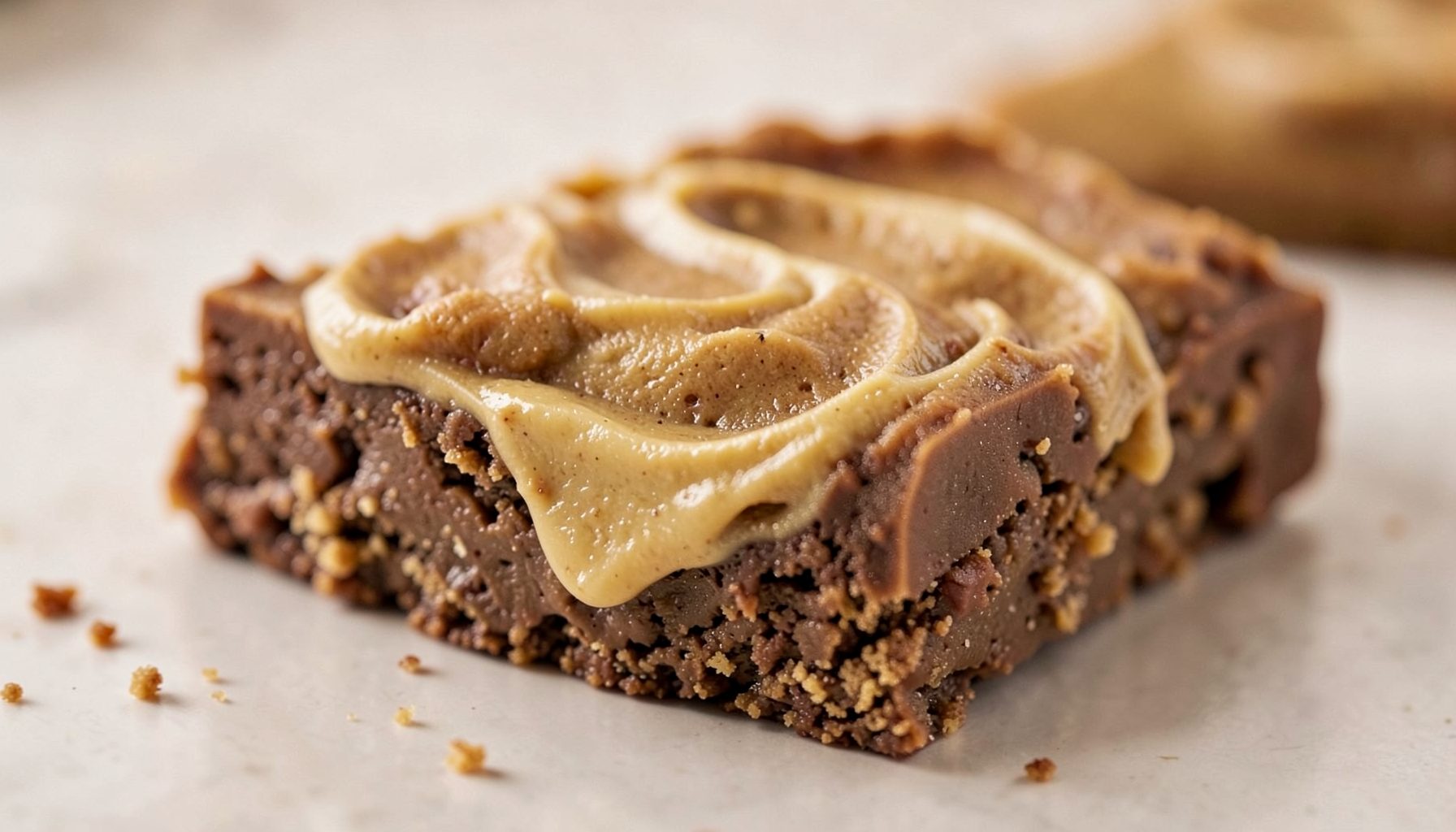
Cookie Butter
Rich, buttery cookie flavor in every bite. Offered in 1-pack and 10-pack options.
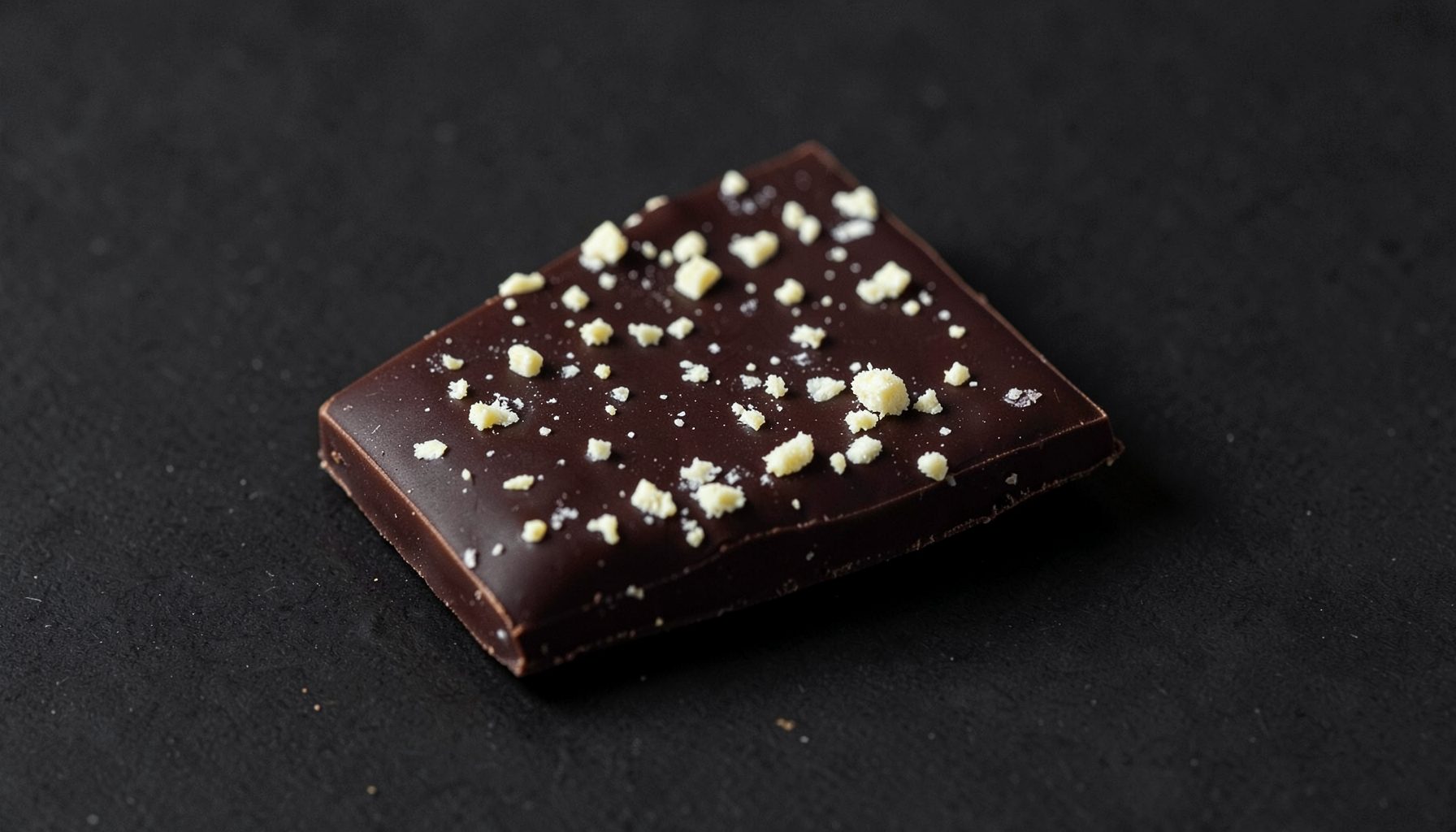
Cookies & Cream
Classic cookies-and-cream taste with a mushroom chocolate twist. 1-pack and 10-pack.
Citric acid and balanced flavour in our gummies
A good gummy needs more than sweetness. Its flavour should arrive clearly, remain pleasant as you chew, and leave a clean finish rather than a heavy sugar note. Citric acid helps create that balance by adding a measured level of tartness that lifts fruit flavours and gives the recipe definition.
In our mushroom-infused gummies, the acid profile is considered alongside the fruit blend, sweeteners, texture, and serving information. This matters for Australian customers, whether a pack is enjoyed at home in Melbourne, shared during a weekend in Sydney, or stored through a warm Brisbane summer.
What citric acid contributes
Citric acid occurs naturally in citrus fruits and is widely used in food and confectionery. In a gummy recipe, it is primarily a flavouring and acidity regulator. A small amount can sharpen a berry, citrus, tropical, or stone-fruit profile, making the flavour feel brighter without simply adding more sweetness.
Acidity also affects how the taste develops. Sweetness can be perceived first, followed by fruit character and then a lightly tart finish. The right sequence keeps the gummy lively. Too little acid may leave the flavour flat, while too much can make it harsh, mouth-puckering, or disconnected from the fruit notes.
How acidity shapes flavour balance
Every flavour has its own natural weight. Strawberry and raspberry can become jammy when paired with a high sugar level, while mango and peach may feel soft or rounded. Citric acid adds contrast, helping the fruit taste more distinct and preventing sweetness from dominating the palate.
The goal is a balanced sweet-and-sour profile rather than an intensely sour confection. We assess the acid level with the sweetener system and flavour concentrate together because these ingredients influence one another. A recipe that tastes balanced in a small sample can seem sharper or sweeter when produced at full scale, so sensory checks remain important.
Matching the acid to each fruit profile
Citrus-forward flavours generally suit a crisp acid note, but they still need restraint. Lemon and lime can become piercing if acidity is layered too heavily. Berry flavours often benefit from a gentle tart edge that supports their natural brightness, while tropical flavours may need enough acidity to keep them fresh and prevent a syrupy finish.
Texture plays a part as well. A soft, slow-chewing gummy releases flavour over time, so its acidity must remain pleasant from the first bite to the last. A firmer piece may release its flavour more quickly. Recipe testing therefore considers the complete eating experience rather than judging the acid solution on its own.
Working with sweeteners and texture
Citric acid does not work in isolation. Sugar, glucose syrup, fruit flavours, pectin or gelatin systems, and other ingredients all affect the final result. Sweeteners can soften the perception of sourness, while a low-sugar recipe may make the same acid level taste noticeably more intense.
Acidity can also influence the structure of a gummy, especially in recipes that rely on pectin. The timing of acid addition, heating conditions, and cooling can affect gel formation and finished texture. Careful processing helps produce pieces that hold their shape while remaining pleasantly chewy, rather than sticky, brittle, or overly firm.
Why consistency matters from batch to batch
A reliable flavour profile depends on accurate weighing, controlled mixing, and repeatable processing. Small changes in acidity may be noticeable when paired with delicate fruit flavours. For this reason, production checks consider pH, ingredient quantities, texture, appearance, and taste rather than relying on a single measurement.
Storage conditions matter in Australia too. Products can experience warm transport conditions in regional areas or during summer deliveries, while a cupboard in Perth may be considerably warmer than one in Hobart. Keeping gummies sealed and stored according to the pack directions helps protect their texture and flavour. Heat, humidity, and repeated opening can all change how a gummy feels and tastes.
Acidity, serving information, and responsible use
Citric acid determines flavour, not the amount of mushroom ingredients in a serving. Those are separate parts of the recipe and should be understood separately. The label provides the relevant information about serving size, ingredients, and product directions, so customers should review it before consuming. Our guide to reading serving sizes explains why the number of pieces in a pack is different from the recommended amount.
This distinction is especially useful when comparing products with different shapes, flavours, or pack sizes. A sour gummy is not necessarily stronger than a milder one, and a larger-looking piece does not automatically contain more of any particular ingredient. Australian customers should also consider local requirements and product guidance, including advice relevant to food, supplements, and mushroom-based products in their state or territory.
Our approach to flavour development
Flavour development begins with the eating experience we want each variety to provide. We consider aroma, sweetness, tartness, chew, aftertaste, and how the profile performs after storage. The objective is a clear fruit character with enough acidity to create freshness, without letting sourness obscure the rest of the recipe.
That work sits within a broader focus on ingredients, sourcing, product information, and quality practices. Our brand story provides more context about the company and the collection. For customers in Australia, transparency is particularly valuable because expectations around labelling, responsible consumption, and product provenance can vary across the local market.
Citric acid may be a small component by weight, yet it has a noticeable role in the final gummy. It can lift fruit flavour, balance sweetness, support a cleaner finish, and help each variety feel intentional. The best result comes from moderation: enough acidity to create character, with sufficient sweetness and texture to keep the bite enjoyable.
The key point to remember is simple: citric acid does not exist to make a gummy merely sour. It is used as part of a carefully balanced flavour system, helping sweetness, fruit notes, texture, and finish work together in every piece.

Send Us a Message
Get in Touch
Have questions about our products or your order? Reach out and we'll get back to you.
- California, USA
- Contact Page