
California • Est. 2019
Premium mushroom chocolate bars, gummies, and cones crafted in California. Bold flavors, uncompromising quality, and a brand built from the ground up.
Explore the CollectionOur Collection
Shruumz Chocolates & Gummies
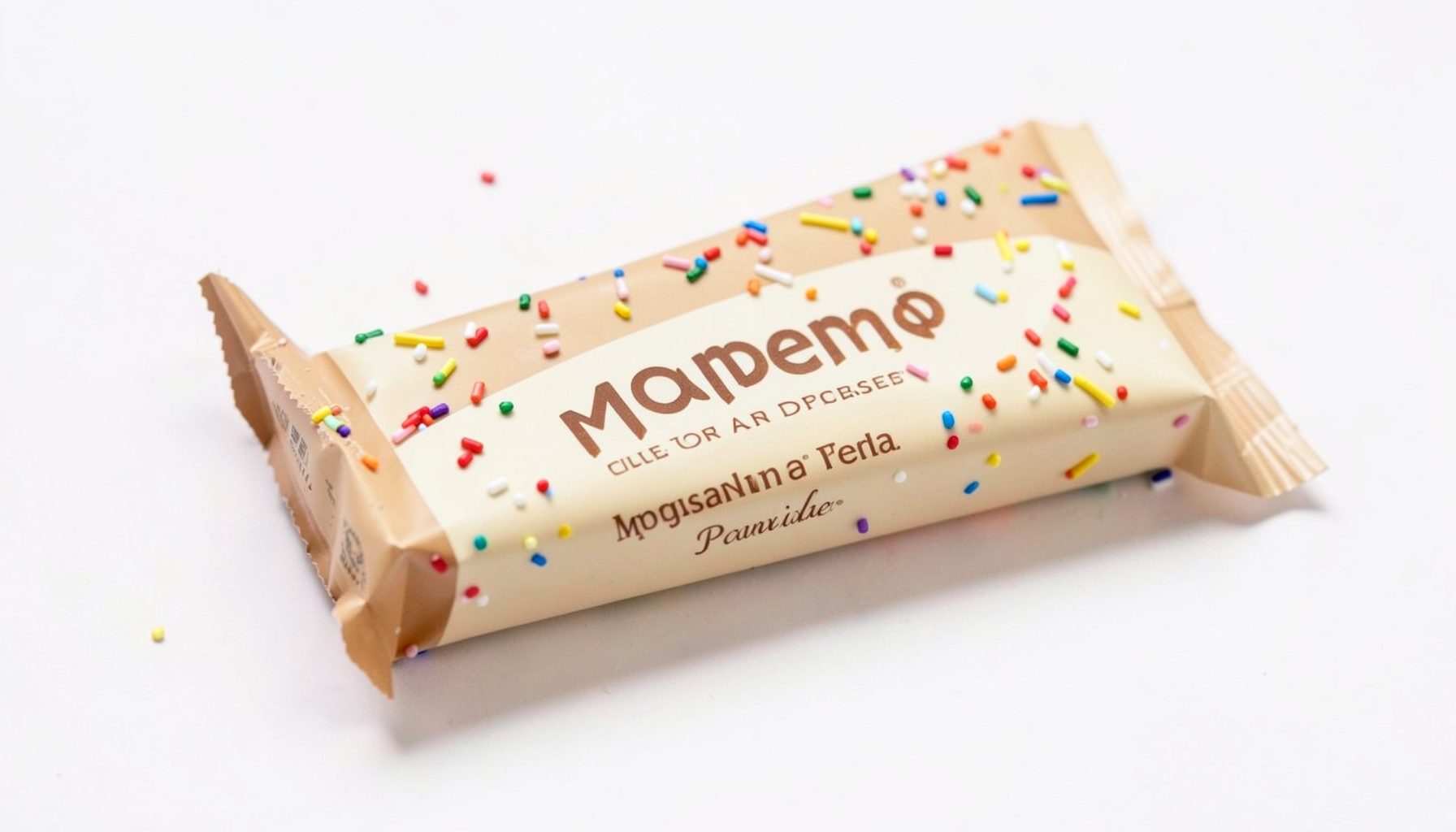
Birthday Cake
Celebratory flavor with a sweet, cake-inspired profile. Available in 1-pack and 10-pack.
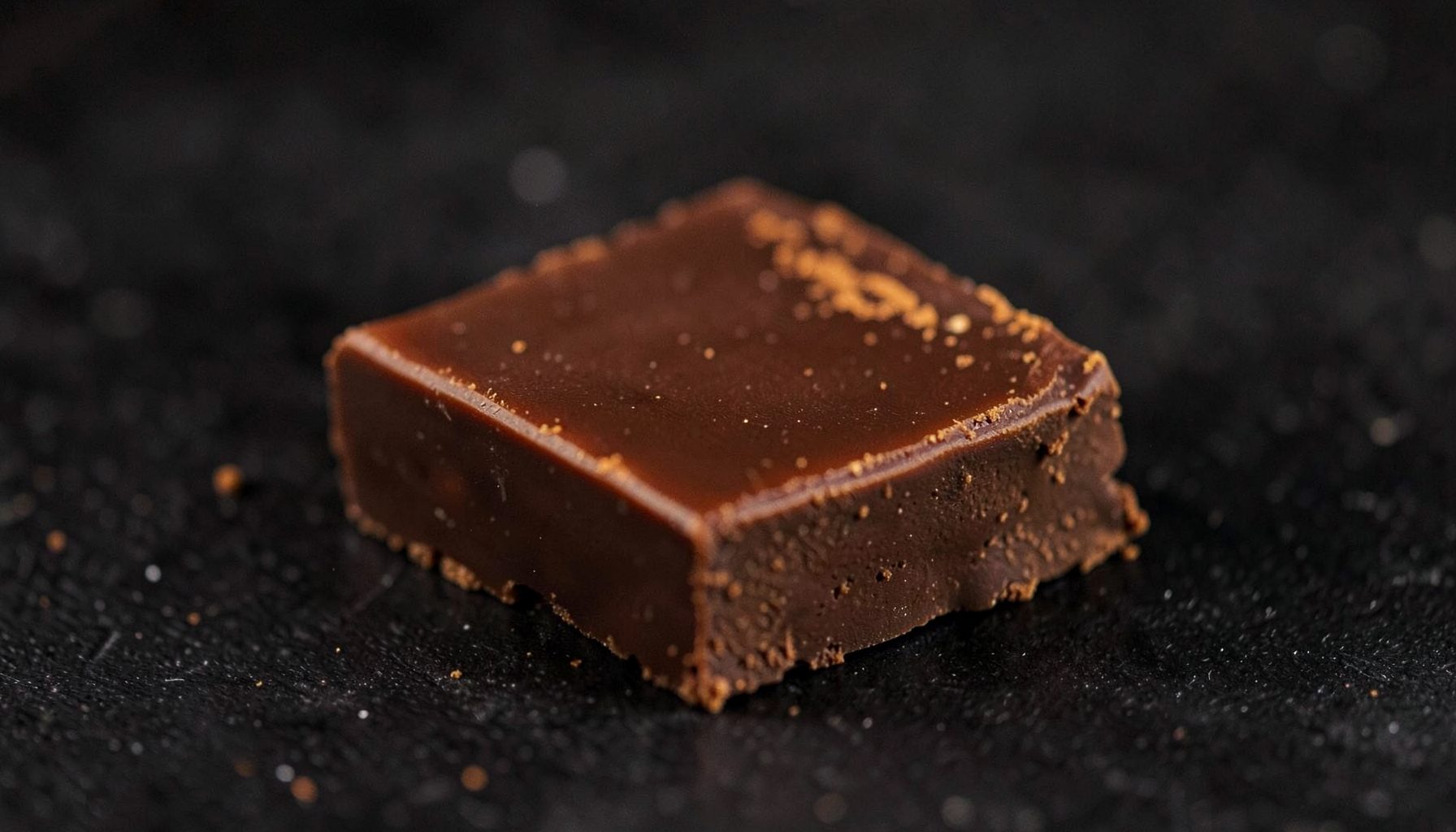
Cinnamon
Warm spiced chocolate with a smooth finish. Single bars and bulk packs available.
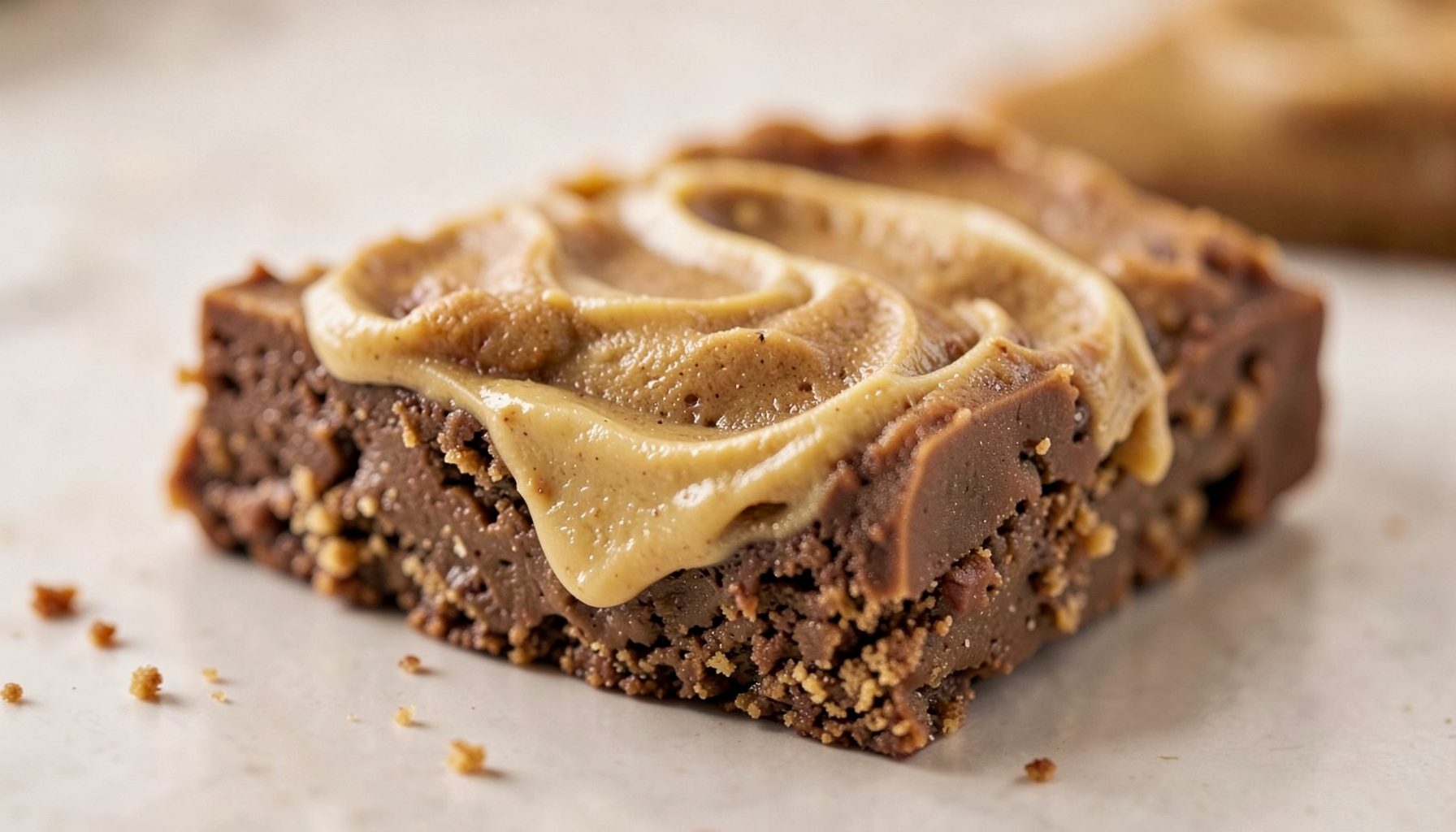
Cookie Butter
Rich, buttery cookie flavor in every bite. Offered in 1-pack and 10-pack options.
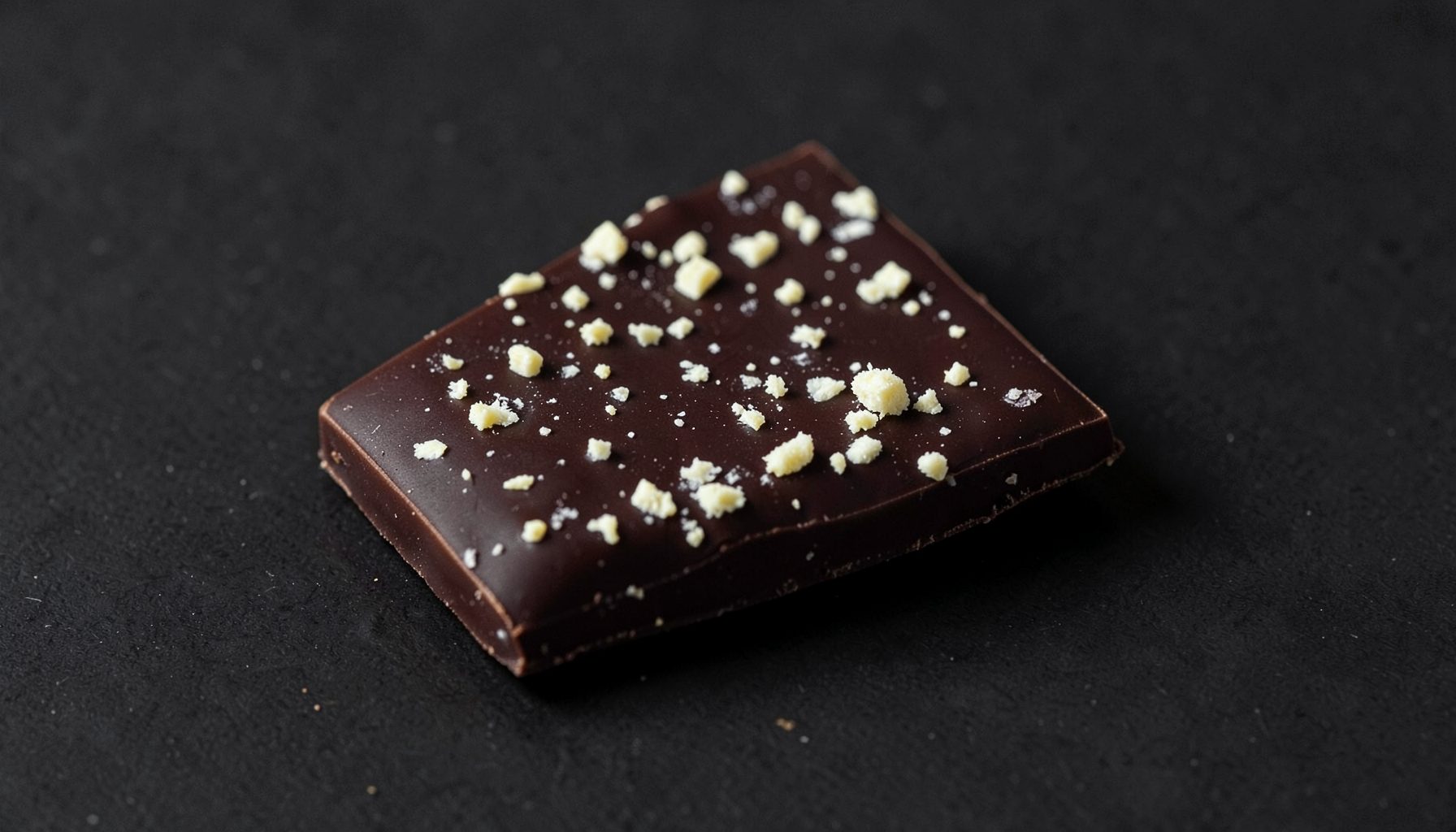
Cookies & Cream
Classic cookies-and-cream taste with a mushroom chocolate twist. 1-pack and 10-pack.
How Mushroom Polysaccharides Support Immunity
Melbourne wellness studios have started serving mushroom-blended hot chocolate alongside kombucha taps. In Brisbane apothecaries, reishi and turkey tail extracts now sit beside eucalyptus honey. Even in suburban Perth supermarkets, the functional mushroom category has quietly grown into one of the most talked-about corners of the supplements aisle. Australians have long held an open mind toward plant medicine, and the science behind mushroom polysaccharides is now giving that intuition a more rigorous framework.
Polysaccharides are long-chain carbohydrates fungi build as structural and storage molecules. Within medicinal mushrooms, the most studied belong to a family called beta-glucans. They vary in chain length, branching pattern, and side groups, and those small differences decide how the body responds. Researchers have spent decades mapping them, and a clear picture has emerged: certain mushroom polysaccharides behave like molecular messengers, signalling to immune cells in ways few other natural compounds can.
The appeal across Australia extends well beyond biohacker circles. Naturopaths in the Byron Shire recommend specific strains during seasonal shifts. Adelaide dietitians have begun client conversations with mushroom blends. This broad reach reflects the cultural comfort Australians already have with functional foods, shaped by native botanicals like lemon myrtle and finger lime.
This piece unpacks how these fungal carbohydrates interact with immunity, traces their traditional roots, and offers practical guidance for evaluating the mushroom products now appearing on shelves across the country.
The chemistry behind mushroom polysaccharides
Not all mushroom carbohydrates behave the same way once they reach the gut. Beta-glucans from oats are largely linear, while those from reishi, turkey tail, and maitake are heavily branched. The branching matters because immune cells called macrophages and dendritic cells carry receptors tuned to detect 1,3 and 1,6 beta-glucan linkages. When these receptors bind, the cells release signalling molecules that coordinate the broader immune response.
Fungi also produce proteoglycans and glycoprotein complexes that pair polysaccharide chains with short protein segments. The best-known example is PSK, derived from turkey tail and used clinically in Japan. Polysaccharide peptide, or PSP, follows a similar logic. Together these compounds show that mushroom carbohydrates rarely act alone; they travel with proteins, lipids, and trace minerals that shape absorption.
Solubility adds another layer. Whole food sources deliver polysaccharides in a matrix that slows digestion, allowing the compounds to reach immune tissue in the small intestine. Powders and tinctures offer higher concentrations but bypass some of those slower pathways. Local research suggests that extraction temperature and drying method both shift the final composition, which is why product origin deserves attention.
Interactions with immune cells
The immune system does not need to be boosted in the way marketing language sometimes suggests. Polysaccharides tend to modulate: they help regulate how alert, responsive, or restrained immune cells behave. Beta-glucans prime macrophages to recognise threats more efficiently, and they encourage natural killer cells to circulate with greater readiness. The body responds with more coordination rather than more aggression.
A second layer of activity happens in the gut. Around seventy per cent of immune tissue sits along the intestinal lining, and polysaccharides feed beneficial microbes that produce short-chain fatty acids. Those metabolites shape immune tone over weeks, a pathway that resonates with Aussies who travel often or push through long, dry summers.
There is also evidence that polysaccharides train the innate immune system through hormesis. Small, repeated exposures can leave immune cells more capable of measured responses later. Cordyceps and reishi studies echo this finding, though most human trials remain modest in scale. The result is a category of effects that is subtle, cumulative, and best supported by consistent intake rather than occasional large doses.
Traditional roots and the Australian market
Fungal medicine predates written history. Across East Asia, turkey tail and reishi featured in classical herbal compendia for centuries. In European folk traditions, hedgehog mushroom and agarikon served as tonics during long winters. The mushroom wellness traditions that modern Australian consumers are rediscovering carry far more depth than most product packaging reveals.
Australia's own fungal heritage is often overlooked. Aboriginal communities in Western Australia and the Northern Territory have long used native polypores, sometimes rubbed into wounds or burned as smouldering treatments. Trametes versicolor relatives grow on eucalyptus bark across the Yarra Valley. Today, TGA-listed supplements sit beside these traditions in Australian pharmacies, governed by regulations that require evidence of quality and provenance.
Market data tells a parallel story. IBISWorld reports the Australian complementary medicines sector continues to expand, with functional mushrooms one of the faster-growing slices. Sydney's annual Naturally Good Expo now dedicates aisles to mushroom-infused coffee and chocolate, and Melbourne's inner north retailers stock lion's mane alongside pantry staples. The category has moved from fringe to familiar.
Sourcing, extraction, and product forms
How polysaccharides end up in a product determines what reaches the consumer. Hot water extraction pulls water-soluble beta-glucans from dried mushroom tissue. Alcohol extraction captures other compounds, including some triterpenes. Dual extraction aims to combine both. Each approach delivers a different molecular fingerprint, which is why two products labelled "reishi" can produce very different experiences.
Carrier foods matter as well. Cocoa has a long history of pairing with mushrooms in ceremonial and wellness traditions. A well-designed approach such as the brand's organic cacao chocolate recipe can protect fragile compounds from oxidation while delivering a measured daily serving. Cacao's own polyphenols complement the antioxidant profile in a way sugar-heavy carriers cannot.
Gummies, capsules, and powders each suit different routines. Office workers often choose capsules for travel. Health-conscious consumers lean toward powders blended into morning smoothies. Gummies fit a dessert-like ritual, which mirrors how Australians already treat dark chocolate as both snack and self-care.
Evaluating mushroom products with confidence
Three checks separate good products from weak ones. Look for transparent labelling that names the species, the part of the mushroom used, and the ratio of extract to raw material; a 10:1 extract signal is meaningful. Ask whether beta-glucan content is stated on the label rather than just "polysaccharides", because beta-glucans are the subset with the strongest evidence base.
Then consider independent testing. Certificates of analysis, heavy metal panels, and microbial screens are common among reputable suppliers. A short ingredient list, paired with mushroom extracts sourced from established growers in regions like Inner Mongolia or the Pacific Northwest, suggests a manufacturer prioritised quality. Flavour matters too, since the carrier shapes daily adherence.
The takeaway worth keeping is straightforward: mushroom polysaccharides are not a quick fix or a pharmaceutical-style intervention. They are a class of natural compounds that quietly train the immune system, support gut integrity, and fit the food-first mindset many Australians already hold. Species specificity, beta-glucan content, extraction method, and verification are the practical anchors when choosing products. Daily consistency matters more than dose size, and the immune system responds best to steady signals rather than sporadic ones.

Send Us a Message
Get in Touch
Have questions about our products or your order? Reach out and we'll get back to you.
- California, USA
- Contact Page