
California • Est. 2019
Premium mushroom chocolate bars, gummies, and cones crafted in California. Bold flavors, uncompromising quality, and a brand built from the ground up.
Explore the CollectionOur Collection
Shruumz Chocolates & Gummies
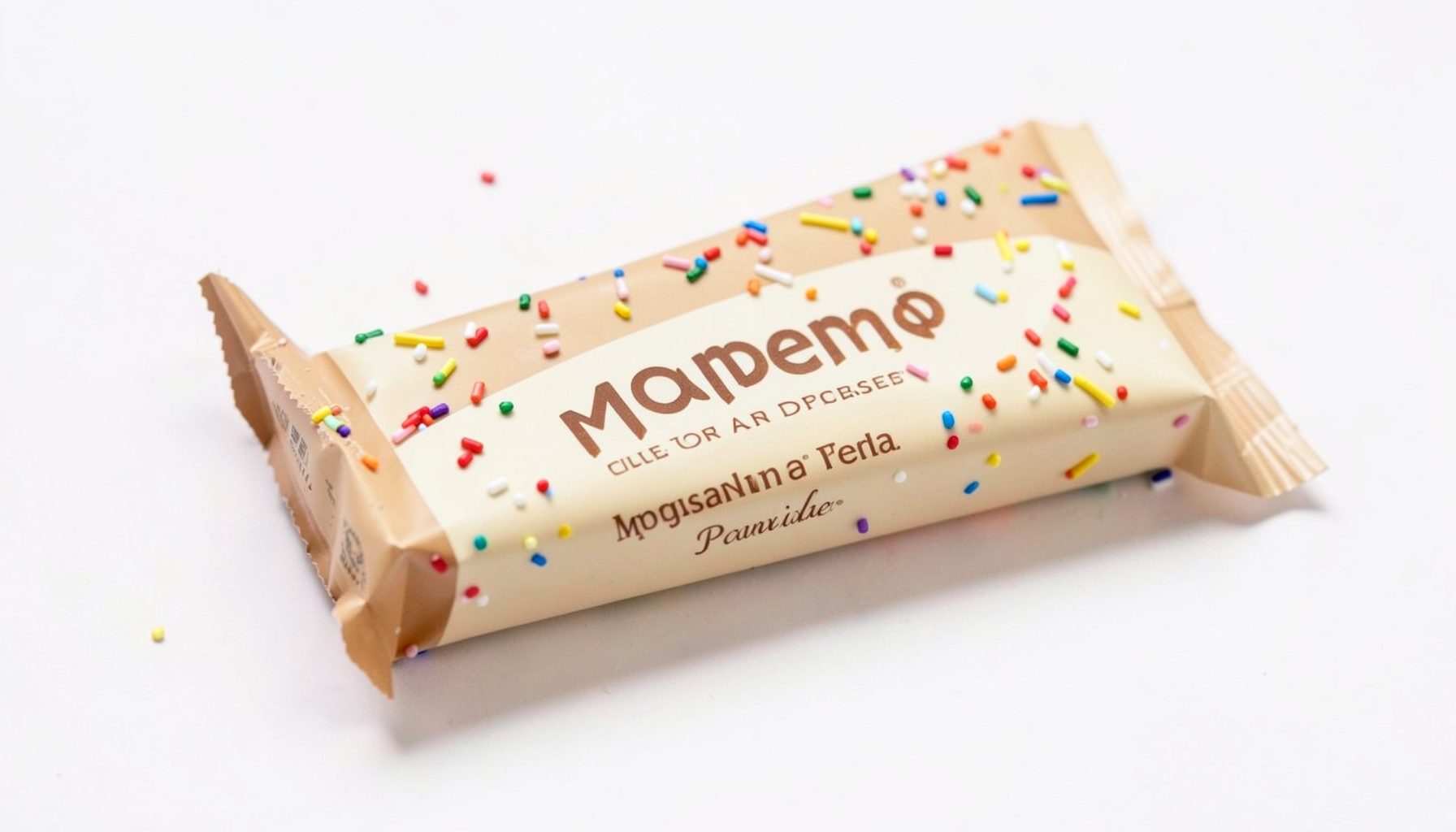
Birthday Cake
Celebratory flavor with a sweet, cake-inspired profile. Available in 1-pack and 10-pack.
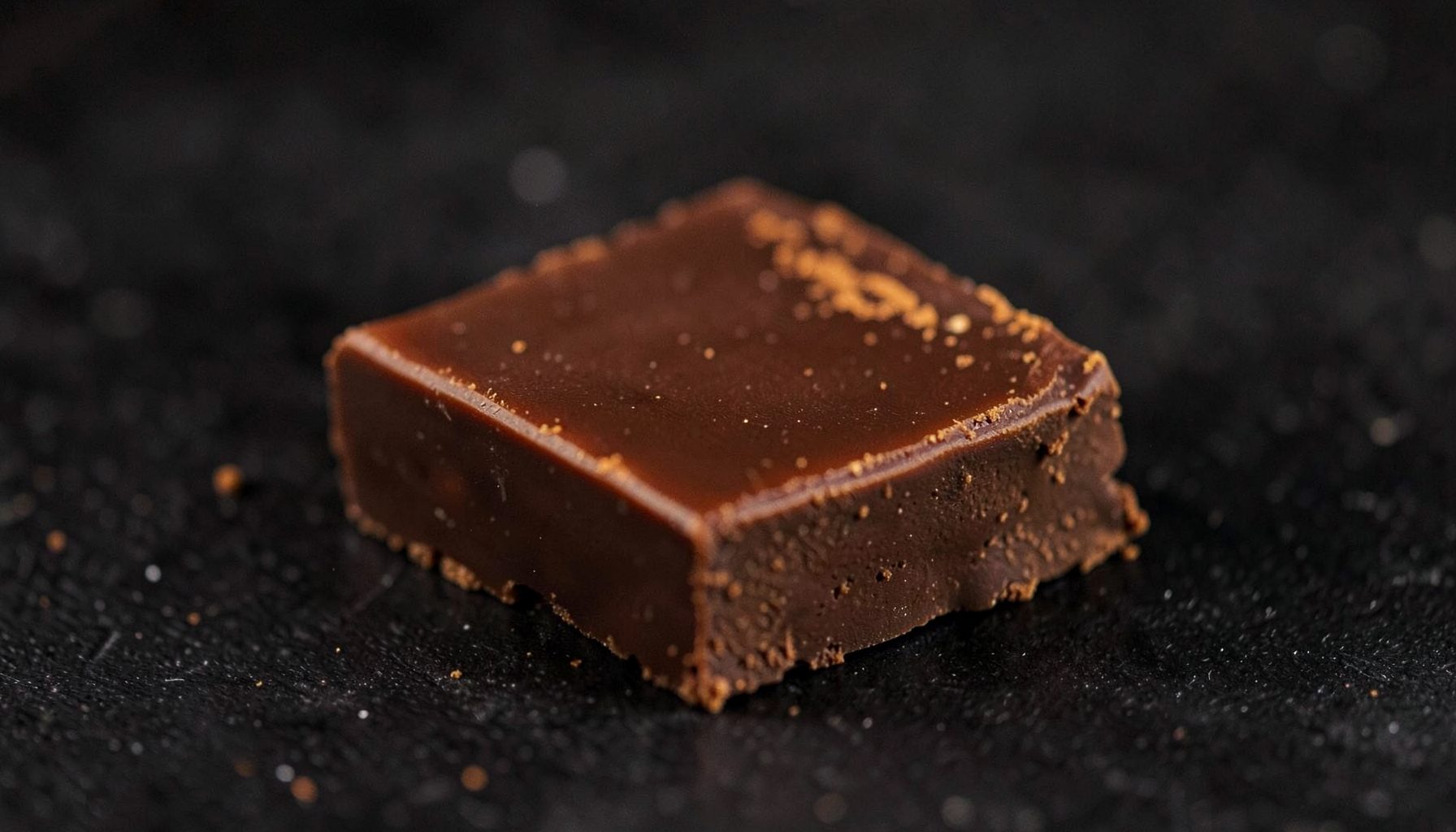
Cinnamon
Warm spiced chocolate with a smooth finish. Single bars and bulk packs available.
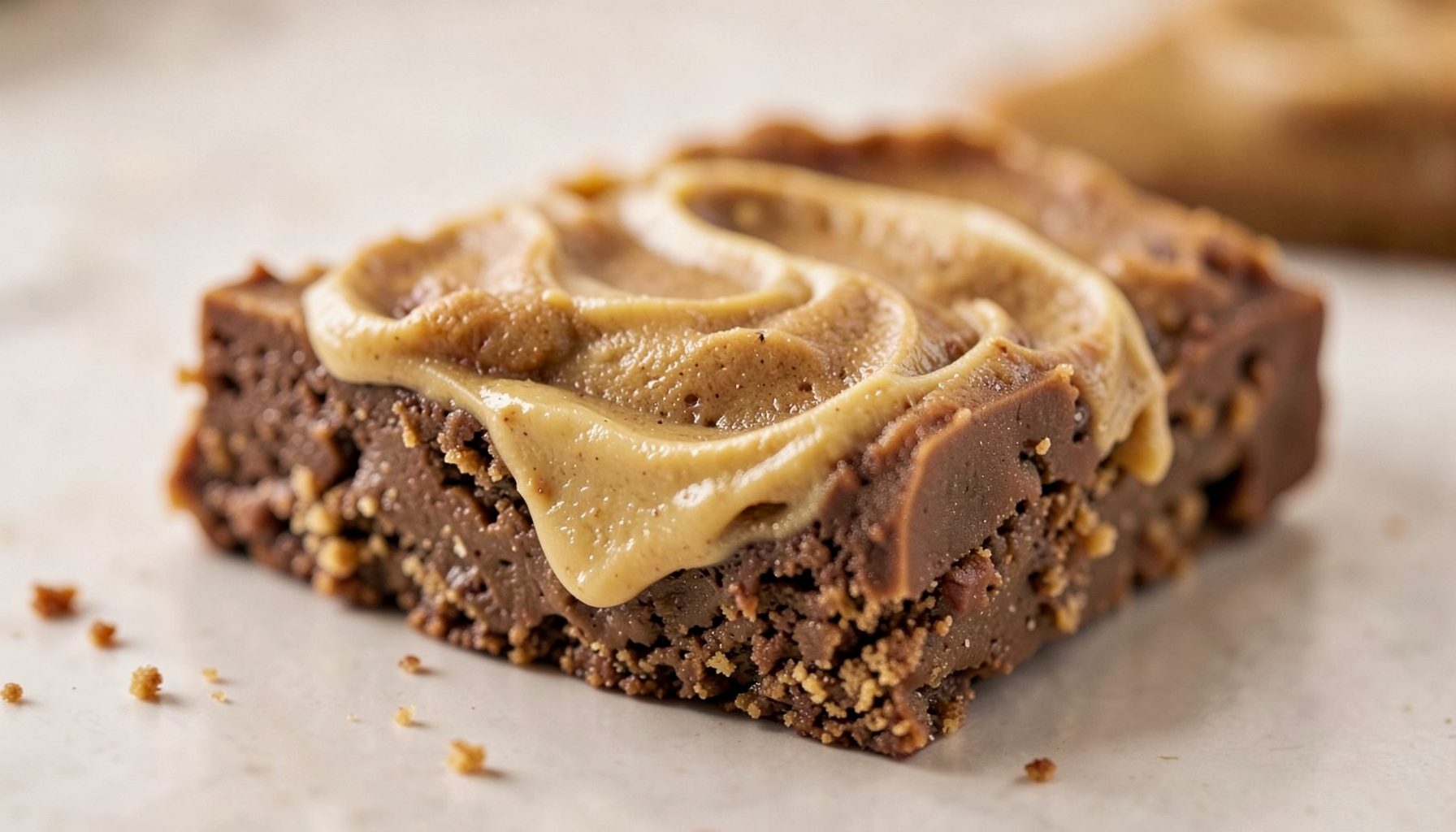
Cookie Butter
Rich, buttery cookie flavor in every bite. Offered in 1-pack and 10-pack options.
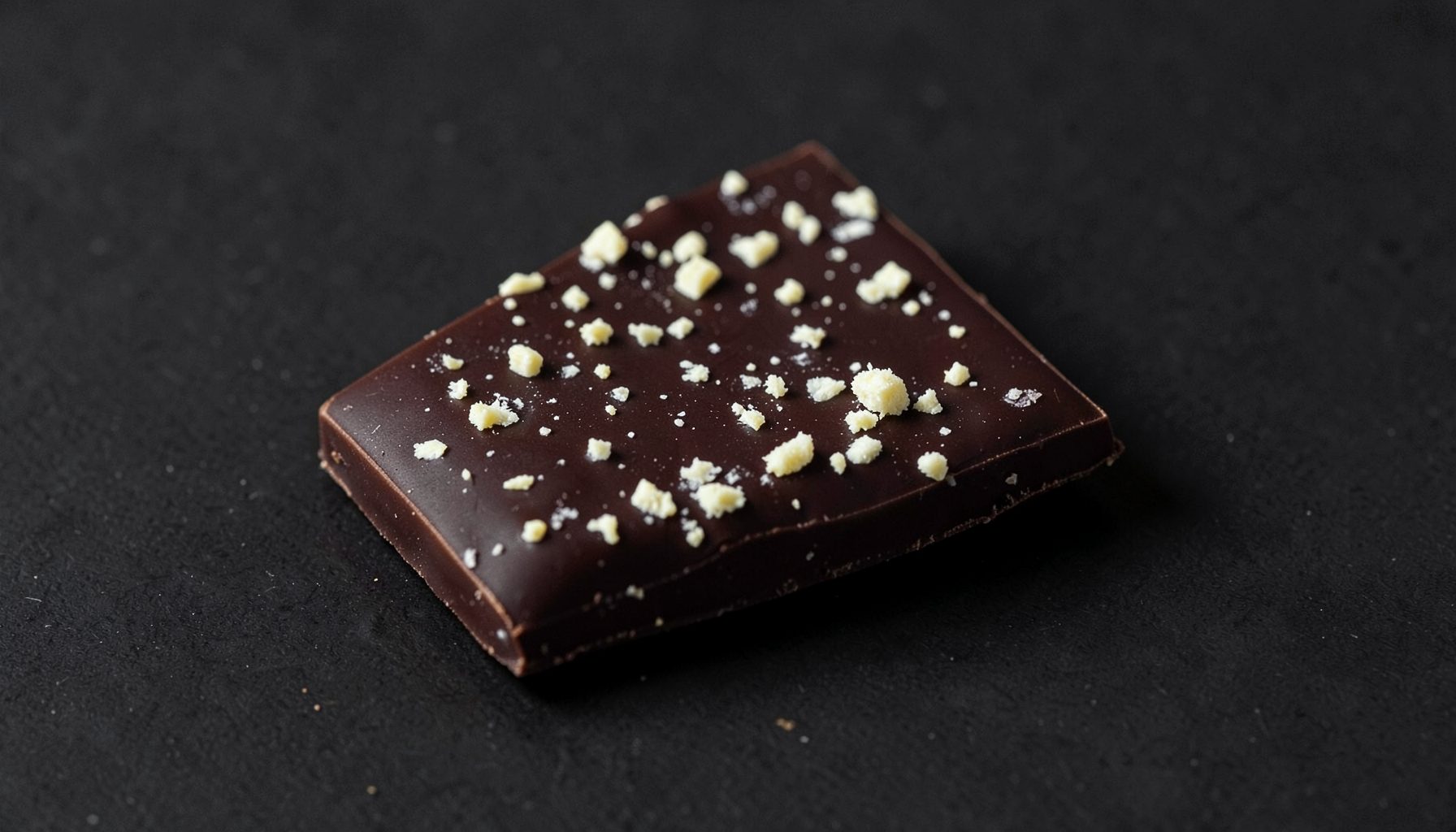
Cookies & Cream
Classic cookies-and-cream taste with a mushroom chocolate twist. 1-pack and 10-pack.
The role of terpenes in our concentrate cones
A concentrate cone is shaped by more than its visible ingredients. Aroma, flavor, texture, and the character of each inhale can all influence how the product is experienced. Terpenes are central to that sensory profile, adding distinctive notes that may range from citrus and pine to herbs, flowers, fruit, or spice.
In mushroom-infused products, the relationship between terpenes and the featured mushroom ingredients requires clear explanation. Mushrooms contain their own aromatic compounds, while many finished products may also use botanical terpenes to create a recognizable flavor or fragrance. The final profile depends on the recipe, extraction approach, and balance between these components.
At Diamond Shruumz, concentrate cones are part of a wider collection built around flavor variety and ingredient awareness. Learning how aromatic compounds function helps customers understand what contributes to a cone’s identity without confusing scent, taste, and expected effects.
Understanding terpenes and aromatic compounds
Terpenes are naturally occurring compounds found in many plants. They help create the smell of citrus peel, evergreen needles, lavender, pepper, and numerous other botanicals. In mushrooms, related compounds called terpenoids can contribute earthy, woody, or subtly sweet aromas, although the exact composition varies by species and processing method.
In a finished cone, terpenes may come from the mushroom material, added botanical extracts, or a combination of ingredients. That distinction matters because a citrus-forward aroma does not necessarily mean the product contains a citrus fruit ingredient. It may reflect a carefully selected aromatic compound used to shape the sensory experience.
Terpenes are also volatile, meaning they can evaporate or change when exposed to heat, air, and light. Proper formulation and packaging therefore matter. A well-designed product aims to preserve the intended aroma from production through use while keeping the ingredient information accessible.
How terpenes shape the sensory profile
A cone’s terpene profile can influence its first impression. Limonene is commonly associated with bright citrus notes, pinene with pine-like freshness, linalool with floral softness, and caryophyllene with peppery warmth. These descriptions refer primarily to aroma and taste, not a guaranteed emotional or physical response.
The same terpene can smell different depending on its concentration and the compounds around it. A small amount of a sweet, floral note may soften an earthy mushroom character, while a sharper herbal component can make the profile feel more vivid. This is why flavor development involves balance rather than simply adding the strongest available aroma.
Heat can further alter perception. When a cone is used, volatile compounds are released at different rates, so the opening aroma may differ from the flavor noticed later. Storage conditions, moisture, and the material used in the cone can also affect how clearly those notes come through.
Why concentrate cones need careful formulation
Concentrated products place greater emphasis on consistency. When ingredients are more concentrated, small differences in terpene ratios can become easier to notice. A formulation that is well balanced should support a clear flavor profile without allowing one sharp or bitter note to dominate.
The base material also plays a role. Mushroom extracts, plant-based ingredients, sweeteners, and carrier materials each bring their own taste and texture. Terpenes should complement those components rather than cover up unwanted characteristics. This approach creates a more integrated experience and makes the product easier to describe honestly.
A cone is also a format designed for convenience. Its size, fill weight, wrapper, and storage package can influence freshness. Products should be kept according to label directions, away from excessive heat and direct sunlight, so the aromatic profile remains as stable as possible before use.
Reading a terpene profile
Ingredient panels can help customers distinguish between flavoring and functional claims. A label may list named terpenes, botanical extracts, mushroom ingredients, or a proprietary blend. When a product uses a blend, the brand should still provide enough information for customers to understand its general character and any relevant sensitivities.
Flavor language offers another useful clue. Words such as “citrus,” “forest,” “floral,” or “spiced” describe sensory direction, while claims about mood, energy, focus, or relaxation involve a separate category of expectations. Terpenes should not be treated as a guarantee of a particular outcome, especially when individual responses can vary.
The broader product context matters too. Diamond Shruumz shares its brand’s story, including its focus on product variety and quality-conscious sourcing. That context can help customers evaluate how aroma, ingredients, packaging, and dosing information fit together instead of judging a cone by flavor alone.
| Profile direction | Common aromatic associations | How it may shape a cone |
|---|---|---|
| Citrus-forward | Lemon peel, orange, grapefruit | Adds a bright, lively top note |
| Pine and herbal | Evergreen, fresh herbs, resin | Brings a crisp, outdoorsy character |
| Floral | Lavender, soft flowers, sweet herbs | Rounds sharper or earthier notes |
| Peppery and warm | Black pepper, dry spice, wood | Adds depth and a lingering finish |
| Fruity and sweet | Berry, tropical fruit, ripe botanicals | Creates a softer, more approachable flavor |
Terpenes, expectations, and responsible use
A pleasant aroma can improve the overall sensory experience, but it should not be mistaken for evidence of a specific health benefit. Terpenes are one part of a product’s formulation, alongside the mushroom ingredients, serving information, and individual tolerance. The idea that aromatic compounds create a predictable “entourage” effect remains an area of ongoing discussion, and it should be presented with appropriate caution.
Customers may describe recreational experiences in different ways because expectations, surroundings, metabolism, prior use, and product sensitivity all vary. Reported experiences can offer context, but they are personal accounts rather than promises. Diamond Shruumz’s collection of customer experiences can be read as informal perspective, not a substitute for label guidance or professional advice.
Responsible use begins with reading the complete package, checking the serving information, and avoiding combinations that could increase unwanted effects. People who are pregnant, taking medication, managing a health condition, or uncertain about mushroom-based products should consult a qualified healthcare professional before use. Products should also be stored securely away from children and pets.
Building a clearer and more consistent experience
Quality control is especially important when a product combines concentrated ingredients with delicate aromatic compounds. Batch testing, controlled storage, accurate labeling, and careful blending can help reduce variation. These steps support a more reliable flavor without suggesting that every customer will perceive it in exactly the same way.
Sourcing affects the result as well. Botanical ingredients should be selected for cleanliness and consistency, while mushroom materials should be handled with attention to identity and processing. Transparency about these choices gives customers a clearer basis for comparing flavors, pack sizes, and product formats.
A useful product description should explain what customers can expect from the senses: the opening aroma, dominant flavor, and finish. It should also separate those details from claims about effects. Clear language builds trust because it respects both the complexity of terpene chemistry and the differences between individual experiences.
Choosing a cone by flavor and formulation
When comparing concentrate cones, start with the profile that sounds appealing rather than assuming the strongest aroma is the best option. Citrus and fruit notes may suit customers who prefer brightness, while pine, earth, and spice may appeal to those who enjoy deeper, more botanical flavors.
Use the ingredient list and serving guidance together. A familiar terpene name can explain a scent, but it does not reveal the entire formulation. Check the mushroom ingredients, package instructions, allergen information, and storage directions before making a decision.
A practical evaluation can include these steps:
- Choose a flavor profile that matches your preferred aroma intensity.
- Review the full ingredient panel instead of relying on the flavor name.
- Check serving information and follow the package directions carefully.
- Store the cones in a cool, dry place away from light and unauthorized access.
- Record how the aroma and flavor develop so you can compare products accurately.
Terpenes give concentrate cones much of their aromatic identity, but they work within a larger system of ingredients, processing, packaging, and personal perception. Explore the Diamond Shruumz collection to compare its flavor profiles and learn more about how each cone fits into the brand’s mushroom-based product range.

Send Us a Message
Get in Touch
Have questions about our products or your order? Reach out and we'll get back to you.
- California, USA
- Contact Page