
California • Est. 2019
Premium mushroom chocolate bars, gummies, and cones crafted in California. Bold flavors, uncompromising quality, and a brand built from the ground up.
Explore the CollectionOur Collection
Shruumz Chocolates & Gummies
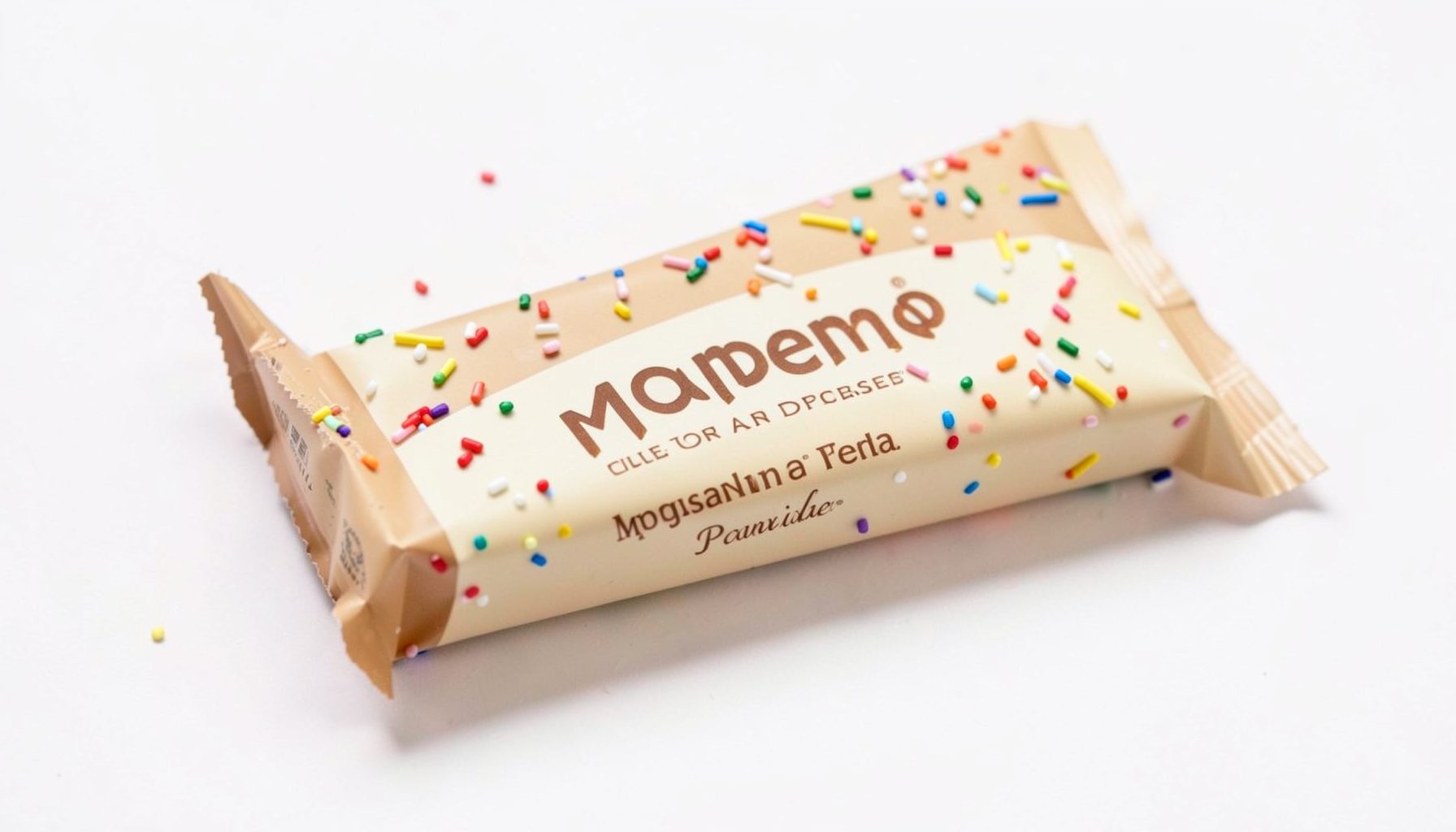
Birthday Cake
Celebratory flavor with a sweet, cake-inspired profile. Available in 1-pack and 10-pack.

Cinnamon
Warm spiced chocolate with a smooth finish. Single bars and bulk packs available.
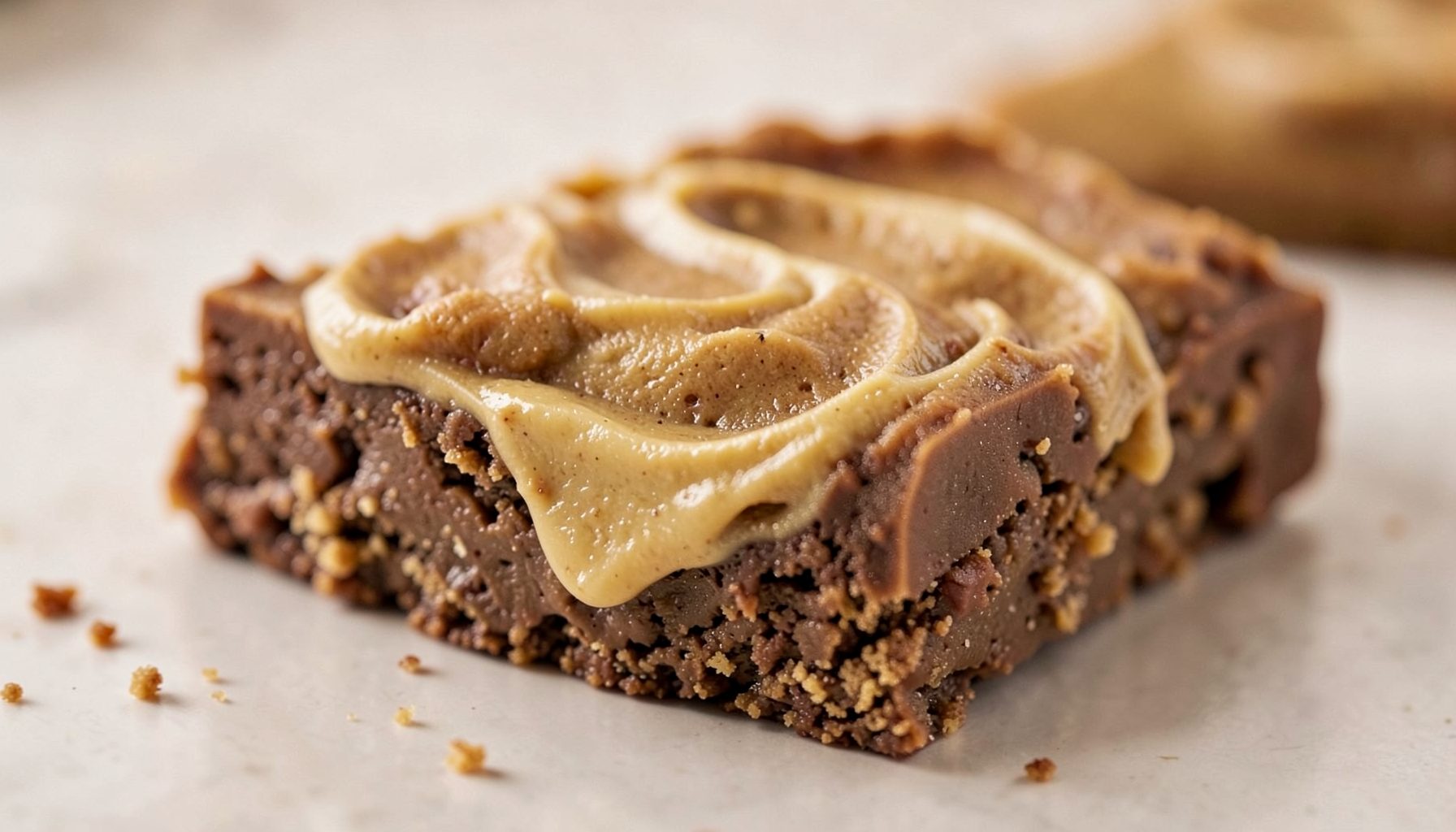
Cookie Butter
Rich, buttery cookie flavor in every bite. Offered in 1-pack and 10-pack options.

Cookies & Cream
Classic cookies-and-cream taste with a mushroom chocolate twist. 1-pack and 10-pack.
The Role of Terpenes in Our Infused Chocolate Bars
A chocolate bar is shaped by more than its cocoa percentage and sweetener. In mushroom-infused products, the sensory experience can also reflect botanical compounds called terpenes. These naturally occurring molecules help create the recognizable aromas of herbs, fruit, flowers, and spices, adding another layer to a carefully developed recipe.
Terpenes are familiar from many plants, including citrus trees, lavender, pine, hops, and culinary herbs. Their presence does not automatically determine how a product will feel, and they should not be treated as a substitute for clear dosing information. Instead, they are best understood as part of the flavor, aroma, and formulation story behind a finished edible.
For a closer look at product formats, flavors, and available sizes, explore the chocolate bar collection and review the details provided for each option. Ingredient awareness helps customers choose more deliberately and enjoy an infused product at a comfortable pace.
What Terpenes Bring To An Edible
Terpenes are aromatic hydrocarbons produced by plants and some fungi. In food and beverage applications, they are associated with scent and taste. Limonene, for example, is commonly linked with bright citrus notes, while pinene can suggest fresh pine and linalool may be perceived as floral or gently herbal. These descriptions refer to sensory character rather than guaranteed effects.
In a chocolate formulation, even a small amount of an aromatic compound can influence the way the bar smells when opened and how its flavor develops while it melts. Cocoa already contains a complex mix of roasted, fruity, earthy, and spicy notes, so terpene-rich ingredients must be balanced rather than added indiscriminately.
The result is a more layered tasting experience. A bar may begin with cocoa and sweetness, then reveal botanical, fruit-forward, or spice-like nuances. This is especially useful when the formulation is designed to complement a particular mushroom blend or flavor profile without overwhelming the chocolate base.
Flavor Architecture And Ingredient Balance
Infused chocolate bars need careful flavor architecture because mushrooms can bring earthy or savory notes. Terpenes may help bridge those flavors with familiar ingredients such as mint, berry, citrus, vanilla, or spice. The goal is not to disguise every natural characteristic, but to create a profile that feels cohesive from the first bite through the finish.
A terpene’s impact depends on its concentration, source, interaction with fat, and relationship to other ingredients. Chocolate contains cocoa butter, and fat-soluble aromatic compounds can behave differently in that medium than they do in water-based drinks. Temperature, storage conditions, and processing can also affect aroma intensity over time.
This makes ingredient transparency important. A responsible product description should distinguish between naturally present botanical compounds, added flavor ingredients, mushroom components, sweeteners, and other elements. Customers should be able to understand what creates the product’s taste without mistaking a flavor note for a promise about mood, health, or performance.
Comparing Common Terpene Profiles
The following overview connects familiar terpene names with common sensory impressions. These associations are general and may vary according to the ingredient source, concentration, and the rest of the recipe.
| Terpene | Common Aroma Impression | Possible Chocolate Pairings | Sensory Role |
|---|---|---|---|
| Limonene | Citrus, bright, lightly sweet | Orange, lemon, berry, dark cocoa | Lifts rich flavors |
| Linalool | Floral, soft, herbal | Vanilla, lavender-inspired notes, creamy cocoa | Rounds sharp edges |
| Pinene | Pine, fresh, green | Mint, rosemary, dark chocolate | Adds a crisp accent |
| Myrcene | Earthy, herbal, musky | Spices, cacao, toasted ingredients | Supports deeper notes |
| Caryophyllene | Peppery, warm, woody | Cinnamon, chili, caramel, dark cocoa | Adds gentle spice |
These profiles should be read as tasting references rather than fixed product claims. A formulation containing a terpene does not necessarily taste exactly like the plant most associated with it. Cocoa, dairy or dairy alternatives, natural flavors, and sweeteners can all change how the aroma is perceived.
Terpene terminology can also appear in product marketing, so careful wording matters. A flavor description such as “citrus-forward” communicates a sensory expectation. A claim that a particular terpene guarantees a specific mental or physical outcome goes much further and should not be assumed without strong, relevant evidence.
Terpenes And The Infused Experience
Some researchers have explored whether terpenes may interact with other plant compounds in ways sometimes described as an “entourage effect.” This concept is discussed widely in cannabis and botanical-product communities, but the evidence is still developing, and results may differ between isolated compounds and complete formulations. Terpenes should therefore be viewed as one part of a product, not as a reliable predictor of an individual response.
The active experience of an edible is influenced by many variables, including the mushroom ingredients, serving size, personal sensitivity, food consumed at the same time, and individual metabolism. Aroma can shape expectations and enjoyment, but it does not replace a clear serving guide or responsible use instructions.
For that reason, the most useful product information combines flavor notes with practical details. Customers should look for the serving size, total contents, ingredient list, allergen information where applicable, and storage guidance. Starting with a small portion and allowing sufficient time before considering more is a sensible approach for any unfamiliar edible.
Quality, Sourcing, And Product Clarity
Terpenes can come from different sources, including whole botanical ingredients, extracts, or isolated compounds. Each approach can produce a different aroma and may require different handling during manufacturing. Sourcing information and formulation practices help explain whether a product is designed around natural flavor complexity, a defined terpene profile, or a combination of both.
Quality control is equally important. Consistent mixing helps distribute the intended ingredients across individual pieces, while appropriate packaging can protect sensitive aromas from heat, light, air, and moisture. Batch documentation and laboratory testing can provide additional confidence when they address identity, potency, contaminants, and other relevant quality measures.
A polished package should not rely on evocative language alone. Clear labels and accessible product pages make it easier to compare flavors, formats, and serving instructions. This is particularly valuable for customers deciding between chocolate bars, gummies, and cones, since the texture, portioning, and pace of consumption can differ significantly.
Choosing A Flavor With Confidence
Flavor selection is a personal decision, but a few practical comparisons can make the process easier. Customers who enjoy dark chocolate may prefer earthy, peppery, or woody notes, while those who favor sweeter profiles may gravitate toward citrus, berry, vanilla, or caramel combinations. The terpene profile is only one consideration alongside cocoa intensity and the overall ingredient list.
Consider these points when comparing an infused chocolate product:
- Read the full ingredient and allergen information before purchasing.
- Check serving size and total potency instead of judging strength by package appearance.
- Match aromatic notes with familiar foods, such as citrus with bright chocolate or spice with a deeper cocoa profile.
- Store the product as directed to help preserve texture, flavor, and aroma.
- Use caution with unfamiliar products, and avoid combining them with alcohol or other intoxicating substances.
Customers interested in different formats can also browse gummy options while comparing flavor descriptions and package sizes. A format that is easy to portion may be more suitable for someone who values measured servings, whereas a chocolate bar may appeal to those who want a slower, more traditional tasting experience.
A More Informed Tasting Experience
Terpenes give infused chocolate another dimension by contributing aroma, flavor, and balance. They can brighten citrus notes, soften floral profiles, deepen earthy cocoa, or add a subtle herbal or peppery finish. Their role is sensory first, while any broader claims about their effects require careful interpretation and appropriate evidence.
The strongest product experience comes from bringing together thoughtful formulation, transparent labeling, responsible serving guidance, and quality-focused manufacturing. When customers understand what terpenes can and cannot indicate, they can appreciate the craft of an infused chocolate bar without confusing flavor language with a guaranteed outcome.
Explore the available flavors and product details, compare the serving information, and choose an infused chocolate bar that fits your preferred taste and approach to responsible enjoyment.

Send Us a Message
Get in Touch
Have questions about our products or your order? Reach out and we'll get back to you.
- California, USA
- Contact Page