
California • Est. 2019
Premium mushroom chocolate bars, gummies, and cones crafted in California. Bold flavors, uncompromising quality, and a brand built from the ground up.
Explore the CollectionOur Collection
Shruumz Chocolates & Gummies
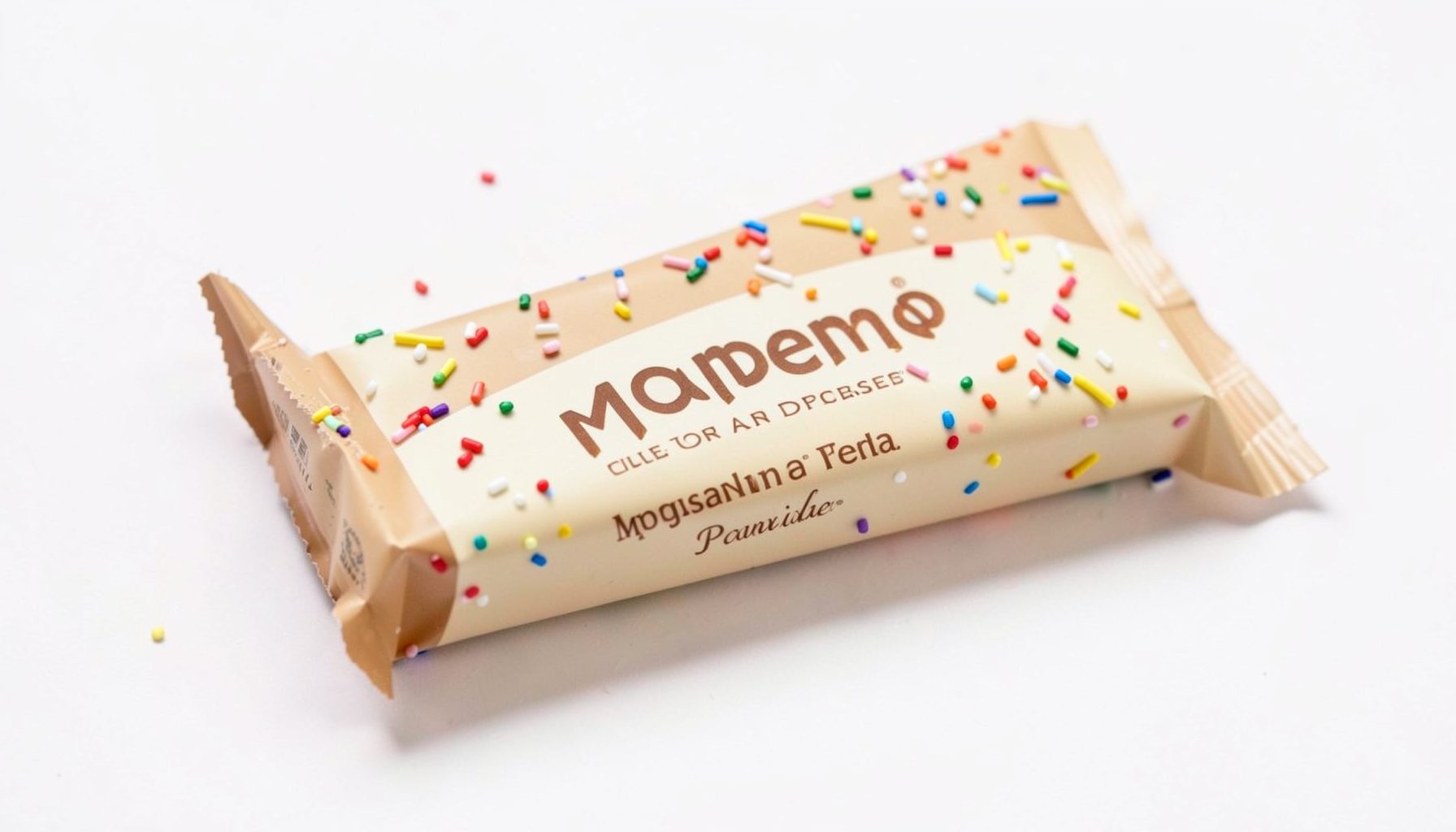
Birthday Cake
Celebratory flavor with a sweet, cake-inspired profile. Available in 1-pack and 10-pack.

Cinnamon
Warm spiced chocolate with a smooth finish. Single bars and bulk packs available.
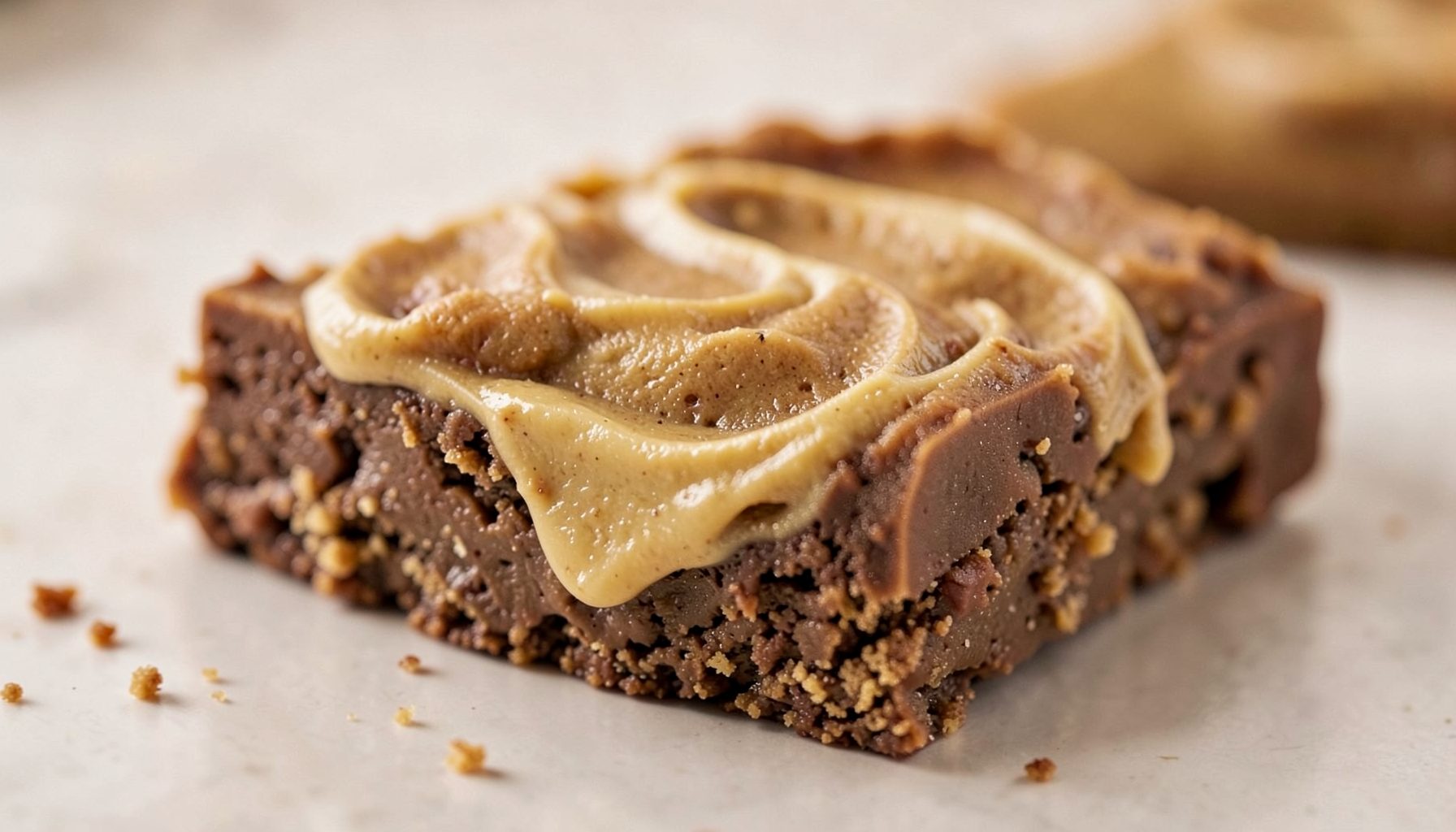
Cookie Butter
Rich, buttery cookie flavor in every bite. Offered in 1-pack and 10-pack options.

Cookies & Cream
Classic cookies-and-cream taste with a mushroom chocolate twist. 1-pack and 10-pack.
Why fast and slow mushroom effects differ
Understanding the science behind fast-acting vs. slow-release effects starts with a simple distinction: speed of onset and length of action are separate variables. A product may be noticed quickly and fade sooner, or arrive gradually and remain noticeable longer. Neither label predicts how intense the effects will be. Active compounds, dose, formulation, food and individual physiology all shape the experience.
This matters when comparing the chocolate, gummies and cones offered by California-based Diamond Shruumz across more than 20 flavours. A chewy gummy and a solid chocolate bar do not necessarily deliver their contents at the same rate, and “fast-acting” is not automatically a synonym for “more potent.” The useful question is what the product contains, how it is formulated, and what evidence supports its timing claim.
Fast-acting describes onset, not strength
Fast acting generally means a product is formulated to produce noticeable acute effects after a short waiting period. That delay depends on digestion, absorption and bioavailability, as well as how quickly the product breaks apart and passes through the stomach. It says little by itself about peak intensity or total duration. For oral psilocybin, published clinical timing commonly places initial effects at roughly 20 to 60 minutes, with stronger effects over the next few hours; duration often extends beyond four hours and varies between people.
Slow release suggests a different profile: exposure is intended to unfold over a longer period, or ingredients are presented in a matrix that delays absorption. The result may be a gentler rise and a longer tail, though “slow-release” can also describe a product that is simply eaten in a form that takes longer to digest. Unless a company publishes measured blood levels or controlled timing data, the phrase is often a description of formulation rather than a proven outcome.
Delivery format changes absorption
Chocolate, gummies and cones create different digestive timelines. A gummy is chewed and swallowed, while chocolate is usually eaten in bites and may contain fats that influence gastric emptying. A cone adds another variable: how thoroughly it is chewed and how quickly it is consumed. In general, liquids and finely broken products can move through the stomach faster, but matrix, serving size and the presence of a meal can outweigh the format itself.
Diamond Shruumz sells gummies, chocolate bars and cones, so the practical comparison is not simply flavour or pack size. Shoppers viewing the current Diamond Shruumz gummies range can compare formats and servings, but the listing should be checked for the specific mushroom species and extract amount. A 2,000 mg mushroom ingredient is not automatically equivalent to 2,000 mg of a named active compound, and one product should not borrow timing expectations from another.
Food and metabolism alter the timeline
Eating before or with a product can slow delivery because the stomach empties more gradually, especially after a meal rich in fat or protein. Food, sleep, stress, body mass, liver function, medications, prior exposure and genetics can also change processing. For compounds such as psilocybin, the body converts much of the dose into psilocin before the familiar effects develop. Other mushroom constituents follow different pathways, so a general edible cannot accurately predict a precise “peak” minute.
Environment is another part of the response. Anxiety, unfamiliar surroundings, music and social pressure can amplify a perceived effect without changing the dose. Many people in Sydney and Melbourne build routines around crowded train commutes, quick gym sessions and long weekends outdoors, making it easy to assume a fixed timing chart will behave identically every time. Consumer lifestyle context, including this lifestyle context, can help readers examine those routines and expectations, but it cannot establish pharmacokinetics. Driving, operating machinery and mixing products with alcohol or other impairing substances are not compatible with a predictable experience.
Labels need more detail than a speed claim
A credible label should identify the mushroom species, source, extraction method, amount per serving and number of servings. It should distinguish raw mushroom powder from standardised extract, list other ingredients and provide batch-specific third-party results where available, ideally covering heavy metals and microbial contamination. “Mushroom-infused,” “high potency” and an hour-by-hour chart are not substitutes. Brand history, awards and customer reports can provide context, but they do not prove a particular onset window.
Visual design can make dense information easier to use. Resources such as free education icons can help publishers build clear educational diagrams, although an icon cannot communicate dose, allergen information or legal status. Digital labels and QR codes should lead to the full ingredient panel, manufacturing date, storage instructions and adverse-event contact details, not merely a promotional animation. Consumers should also check whether a product is intended as food, a listed medicine or a therapeutic good.
Timing guidance should state when effects might begin, when they may be strongest and when they may subside, while making clear that these are estimates. It should also explain how to store the product. Hot Australian summers can soften gummies during delivery, and damaged wrappers make serving size and storage harder to verify. These practical details do not create slower or faster chemistry, but they affect whether the labelled dose is actually the dose consumed.
Australia separates legal products from illegal psychedelics
Under the Australian Poisons Standard, psilocybin is classified as a Schedule 8 poison; possession and use are generally unlawful outside authorised clinical or research contexts. The Therapeutic Goods Administration regulates therapeutic claims and the supply of higher-risk goods, while police and state or territory laws determine enforcement. A mushroom-infused chocolate bar sold for relaxation is not made lawful by changing its name, and an online order from overseas does not bypass those rules.
Non-psychoactive mushroom foods and listed complementary medicines occupy a different legal category, subject to Food Standards Australia New Zealand standards and relevant state and territory food law. Labels can make medicinal claims that trigger assessment as a therapeutic good, and an AUST L number can indicate inclusion in the Australian Register of Therapeutic Goods as a listed medicine. Mainstream retail is familiar to Australian shoppers: mushroom products can appear on pharmacy shelves in places such as Parramatta, Prahran and Fortitude Valley, often alongside vitamins and other wellness lines. Their legal presence does not mean they contain psilocybin.
The distinction matters because ordinary supermarkets, chemists and online marketplaces are not channels for unauthorised psychedelic products. Product testing can help identify adulterants, but a certificate showing clean mushrooms cannot turn an illegal substance into a lawful consumer good. Shoppers comparing a broad range of formats and pack sizes should therefore verify both the ingredient profile and the product’s legal status before treating an experiential description as evidence.
The central point is that fast onset, long duration and high intensity are different outcomes. A gummy may dissolve quickly, a chocolate matrix may digest more gradually, and a meal or an individual’s metabolism can shift either timeline. Brand storytelling can make a product memorable, but measured ingredients, batch testing and honest timing guidance provide the stronger basis for comparison.
What should remain is the habit of separating the label from the evidence. Check the species, extract amount, serving size, test results, storage conditions and Australian legal category; treat “fast acting” or “slow release” as a claim to evaluate rather than a promise. The product that seems more dramatic on paper is not necessarily the one that produces a safer, more predictable or longer-lasting experience.

Send Us a Message
Get in Touch
Have questions about our products or your order? Reach out and we'll get back to you.
- California, USA
- Contact Page