
California • Est. 2019
Premium mushroom chocolate bars, gummies, and cones crafted in California. Bold flavors, uncompromising quality, and a brand built from the ground up.
Explore the CollectionOur Collection
Shruumz Chocolates & Gummies
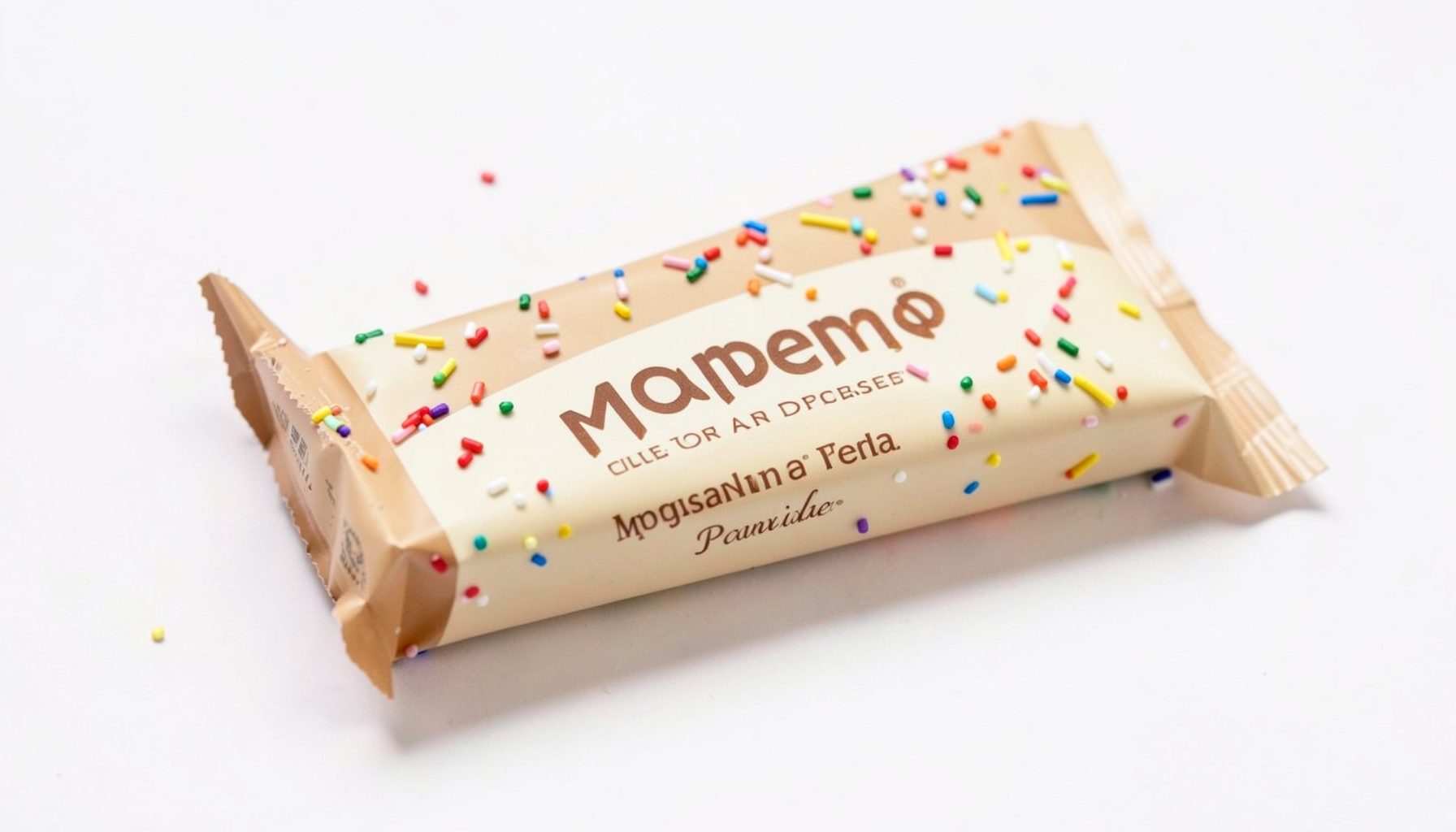
Birthday Cake
Celebratory flavor with a sweet, cake-inspired profile. Available in 1-pack and 10-pack.
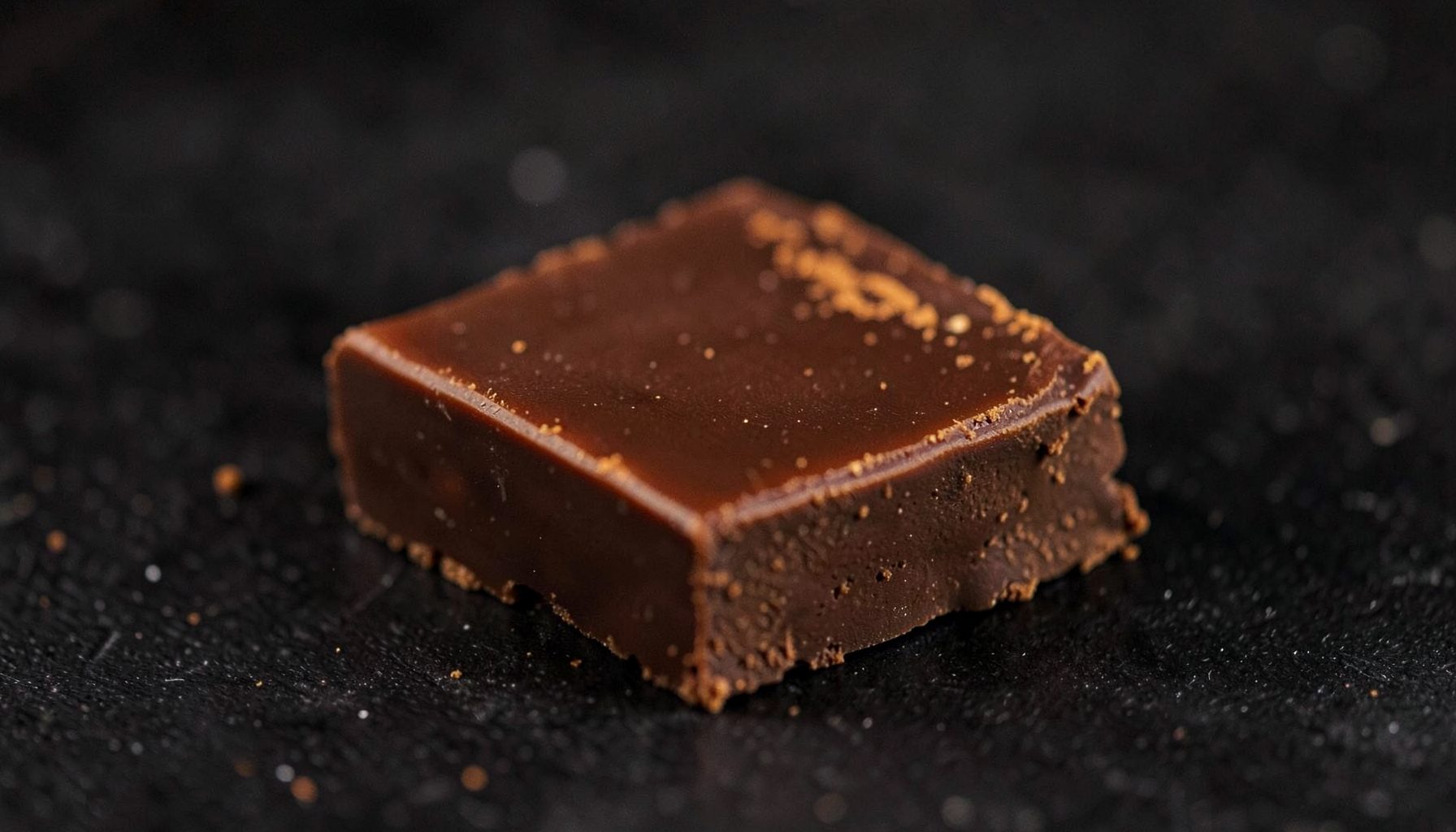
Cinnamon
Warm spiced chocolate with a smooth finish. Single bars and bulk packs available.
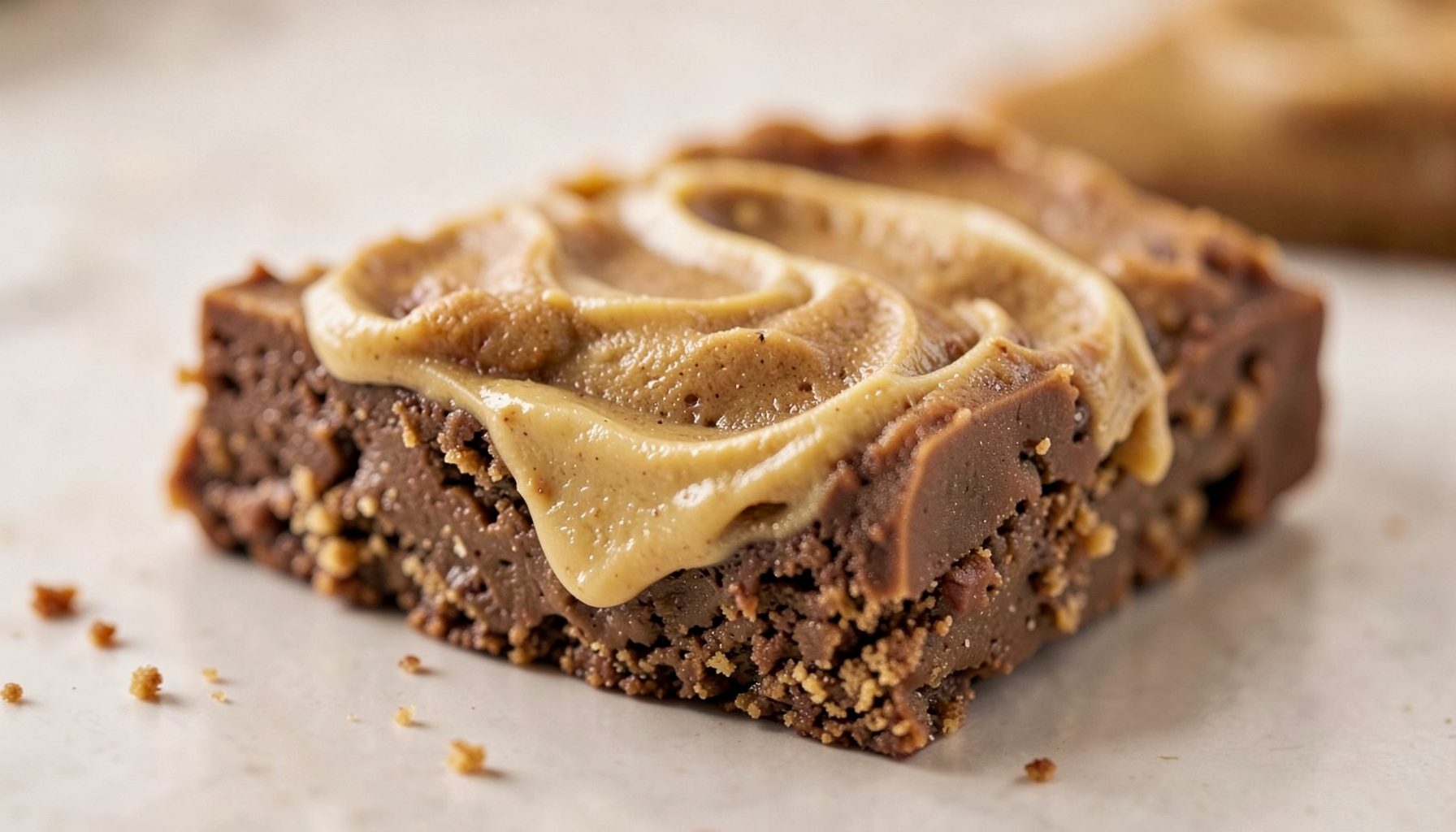
Cookie Butter
Rich, buttery cookie flavor in every bite. Offered in 1-pack and 10-pack options.
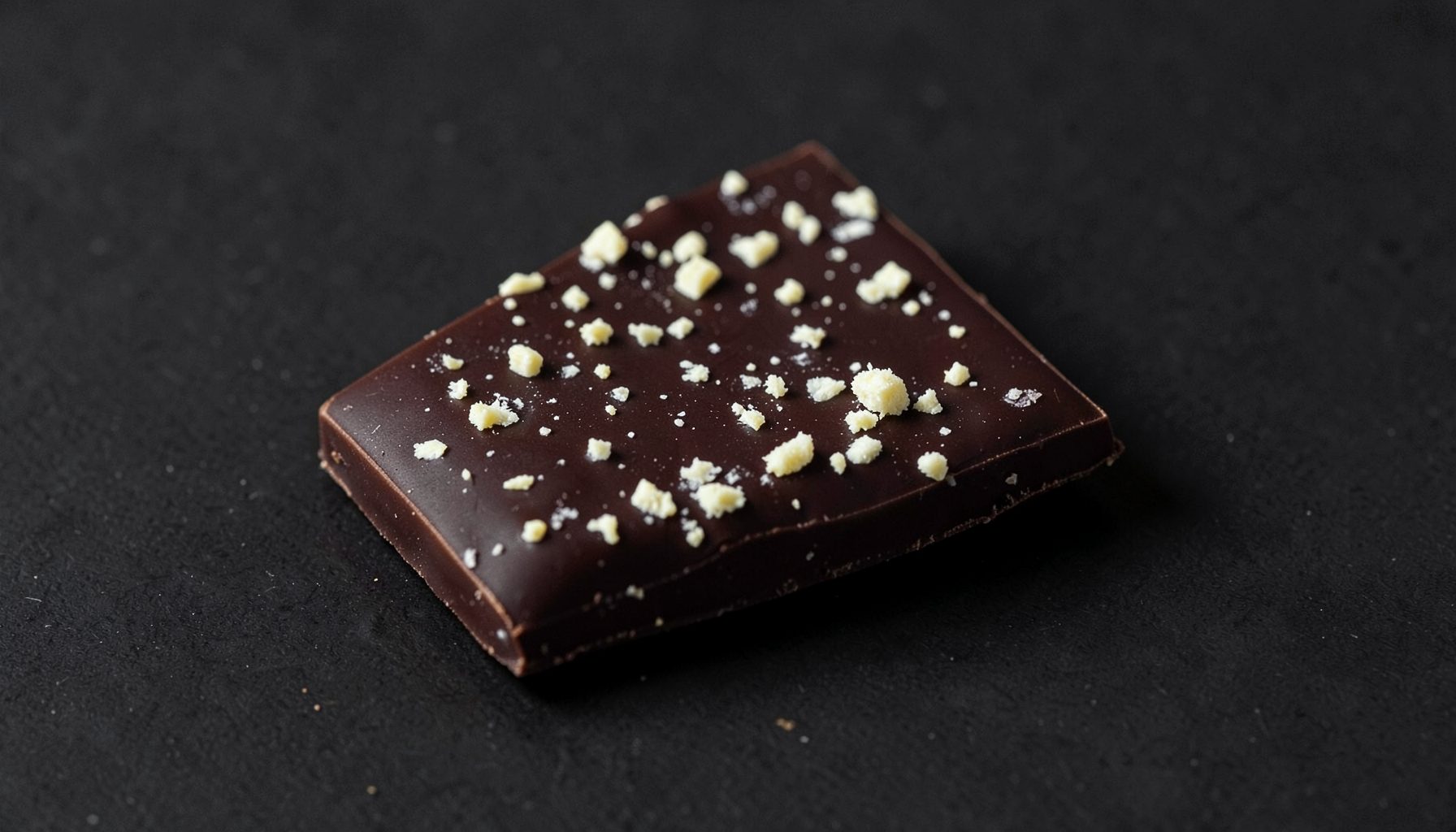
Cookies & Cream
Classic cookies-and-cream taste with a mushroom chocolate twist. 1-pack and 10-pack.
How mushroom compounds work together inside blended formulas
The term "entourage effect" first appeared in cannabis science during the late 1990s, when researchers Shimon Ben-Shabat and Raphael Mechoulam noticed that isolated cannabinoids produced a milder response than whole-plant extracts. The broader principle, however, stretches across natural product chemistry: a complex mixture of compounds, taken together, often produces effects greater than the sum of its parts. In functional mushroom blends, this idea is finally getting the recognition it has long deserved from ethnobotanists and pharmacologists alike.
Understanding the science behind the entourage effect in mushroom blends helps consumers in Australia and beyond choose products that go beyond marketing hype. It also gives retailers and formulators a framework for combining fruiting bodies, mycelium, and extraction methods in ways that genuinely support cognitive, immune, and stress-response pathways. The rest of this article walks through the compounds, the receptors, and the practical considerations that make synergy real rather than rhetorical.
The origin of a synergy theory
At its core, the entourage effect describes a phenomenon in which minor constituents of a botanical or fungal extract modulate, buffer, or amplify the activity of the primary active compound. In hemp and cannabis research, that meant terpenes and flavonoids shaping the cannabinoid experience. In mushroom science, the same conceptual framework applies, but with a different cast of characters: beta-glucans, hericenones, triterpenoids, ergothioneine, cordycepin, and a long list of secondary metabolites that share space inside a single fruiting body.
Researchers point to whole-fruit extracts retaining a fuller chemical fingerprint compared with highly purified isolates. The thinking is that compounds removed during purification may not be pharmacologically inert after all; they may simply act in smaller, less obvious ways. That nuance is what separates an entourage-rich extract from a single-molecule supplement.
Bioactive compounds that drive the effect
Beta-glucans are the headline molecules in most functional fungi, prized for their ability to interact with immune receptors such as dectin-1 and complement receptors. They prime innate immunity without overstimulating it, which is why reishi, turkey tail, and maitake have featured in traditional medicine for centuries. But beta-glucans rarely act alone.
Lion's mane contributes hericenones and erinacines, small molecules that have shown in laboratory studies the capacity to encourage synthesis of nerve growth factor (NGF). Reishi delivers triterpenes that influence stress-response pathways and inflammatory signalling. Chaga pours out melanin complexes, superoxide dismutase, and dense concentrations of ergothioneine, an amino acid derivative researchers now consider one of the body's most efficient antioxidants. Cordyceps brings cordycepin and adenosine analogues that influence cellular energy metabolism. When these compounds sit together in a single blend, they engage multiple receptor families at once.
Why species combinations outperform single extracts
The magic of pairing mushroom species lies in complementary pathways. Lion's mane supports neuroplasticity through NGF and BDNF signalling, while cordyceps supports mitochondrial output through adenosine-3 receptors and cordycepin. Reishi, often called the mushroom of immortality in traditional Chinese texts, adds adaptogenic modulation of the HPA axis, which helps blunt the cortisol spikes that erode focus and sleep quality over a long week at work in a busy Brisbane office.
This layered approach reflects how the body itself responds to stress, energy, and immunity: not through a single switch but through overlapping feedback loops. A blend that touches each loop, even gently, tends to feel more rounded than a stack of single-species capsules chasing one pathway at a time. That is the practical promise of the entourage effect, and it is why serious blends include multiple fruiting bodies rather than a high-dose monoculture.
Neurotrophic factors and receptor pathways
Neurotrophic factors are proteins such as NGF and BDNF that support the growth, maintenance, and repair of neurons. Lion's mane's hericenones and erinacines have been studied for their ability to cross the blood-brain barrier and stimulate NGF production, which in turn supports synaptic plasticity. Reishi's triterpenes, particularly ganoderic acids, are studied for modulation of GABAergic signalling, which can translate to a calmer baseline without sedation.
Chaga's antioxidants may protect neurons from oxidative wear, while cordyceps' influence on ATP production supports the energy demands of cognition. The receptor-level effects do not require massive doses of any one compound; rather, they depend on consistent, low-level engagement across several pathways, exactly the profile an entourage-style blend delivers.
How Australia is embracing functional mushroom blends
Australia's interest in adaptogens and nootropics has grown sharply over the last decade, helped along by wellness culture in places like Byron Bay and the Mornington Peninsula, where health food stores and apothecaries stock shelves full of tinctures and functional chocolate. Melburnians in particular have embraced the ritual of swapping their morning flat white for a mushroom-laced alternative, often brewed at home before heading off to a coworking space in Collingwood or Fitzroy, and many reckon it sets them up better than a double-shot espresso.
The Therapeutic Goods Administration treats most functional mushroom food products as foods rather than medicines, provided no listed therapeutic claims are made on the label. That regulatory grey zone has pushed brands to lean on transparency about sourcing and lab testing rather than explicit health claims, and it has rewarded those who publish certificates of analysis. Aussie buyers, used to scrutinising labels down to the milligram, tend to appreciate that level of disclosure.
Locally, you will find functional mushroom products on the shelves of independent grocers in Newtown, behind the counter at hemp and wellness stores in Fortitude Valley, and online through retailers that ship across every state and territory, from Hobart to Darwin. Pricing varies widely, but the price-per-gram chat is one savvy Australian shoppers now bring up at the counter, often asking the same questions they would about a fair-trade coffee blend at the local markets on a Saturday arvo.
Quality, transparency and recognised craftsmanship
Choosing a blend comes down to three practical filters. First, the manufacturer should disclose whether the product uses fruiting body, mycelium, or both, and what extraction method has been applied. Hot water and dual-extraction methods capture both beta-glucans and triterpenes, which is closer to the entourage profile. Second, third-party lab testing should be available without a fuss. Third, recognition from independent awards programs signals that a brand has earned external validation rather than simply self-proclaiming quality.
Brands with a track record of recognition, such as those featured in a look at the awards our brand has received over the years, tend to align with consumers who value transparency over marketing flash. The delivery format matters too. A chocolate bar format, for instance, suits Australians who already treat a square of dark chocolate as part of their evening wind-down ritual, rather than someone who wants to swallow another pill with their morning cuppa.
The thing worth holding onto is this: the entourage effect in mushroom blends is not a marketing slogan, it is a chemical reality rooted in overlapping receptor activity, complementary antioxidants, and neurotrophic signalling. When you choose a blend, you are choosing a multi-pathway strategy rather than a single-compound bet, and that distinction is the difference between chasing one outcome and supporting several at once.

Send Us a Message
Get in Touch
Have questions about our products or your order? Reach out and we'll get back to you.
- California, USA
- Contact Page