
California • Est. 2019
Premium mushroom chocolate bars, gummies, and cones crafted in California. Bold flavors, uncompromising quality, and a brand built from the ground up.
Explore the CollectionOur Collection
Shruumz Chocolates & Gummies
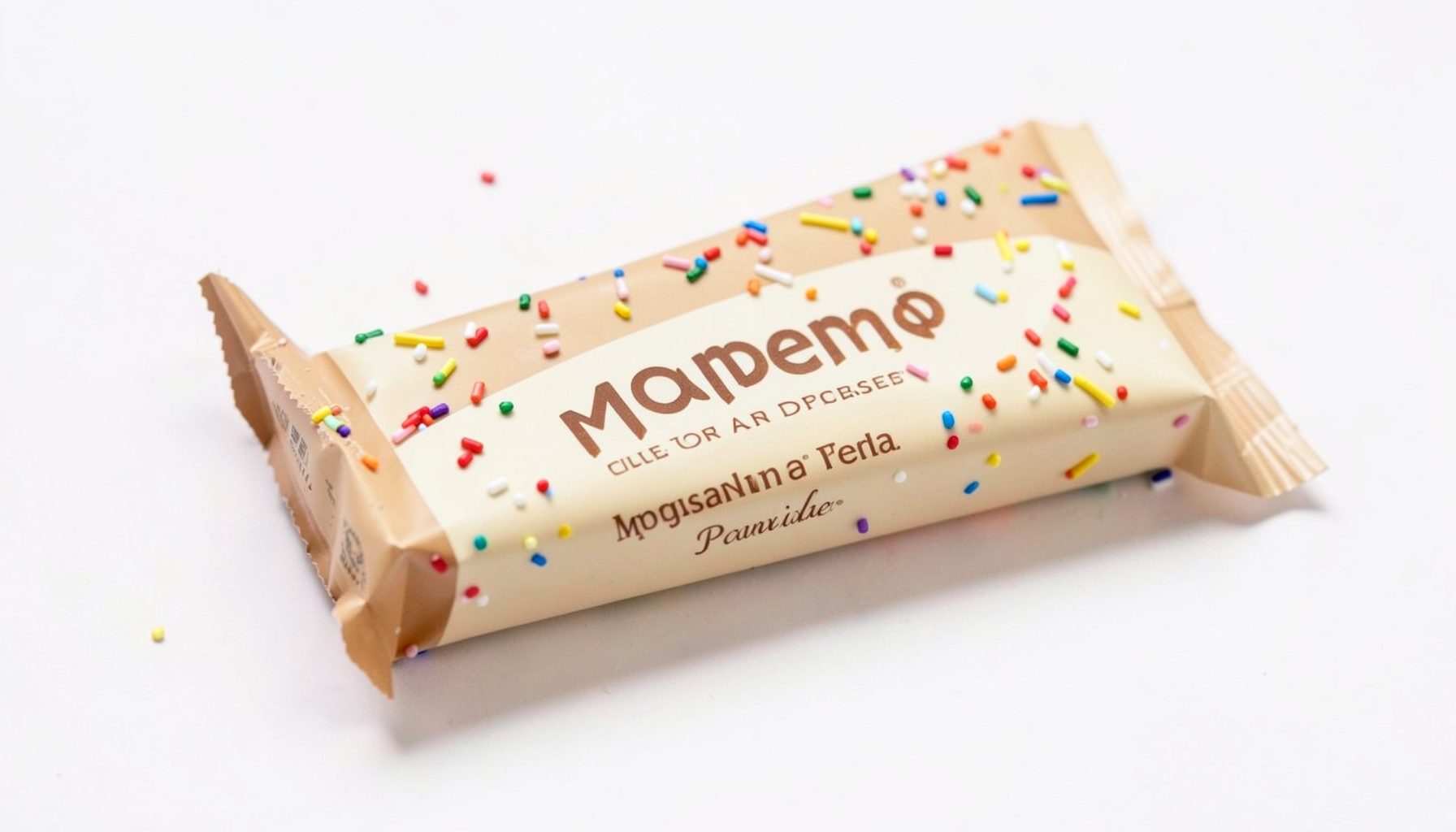
Birthday Cake
Celebratory flavor with a sweet, cake-inspired profile. Available in 1-pack and 10-pack.
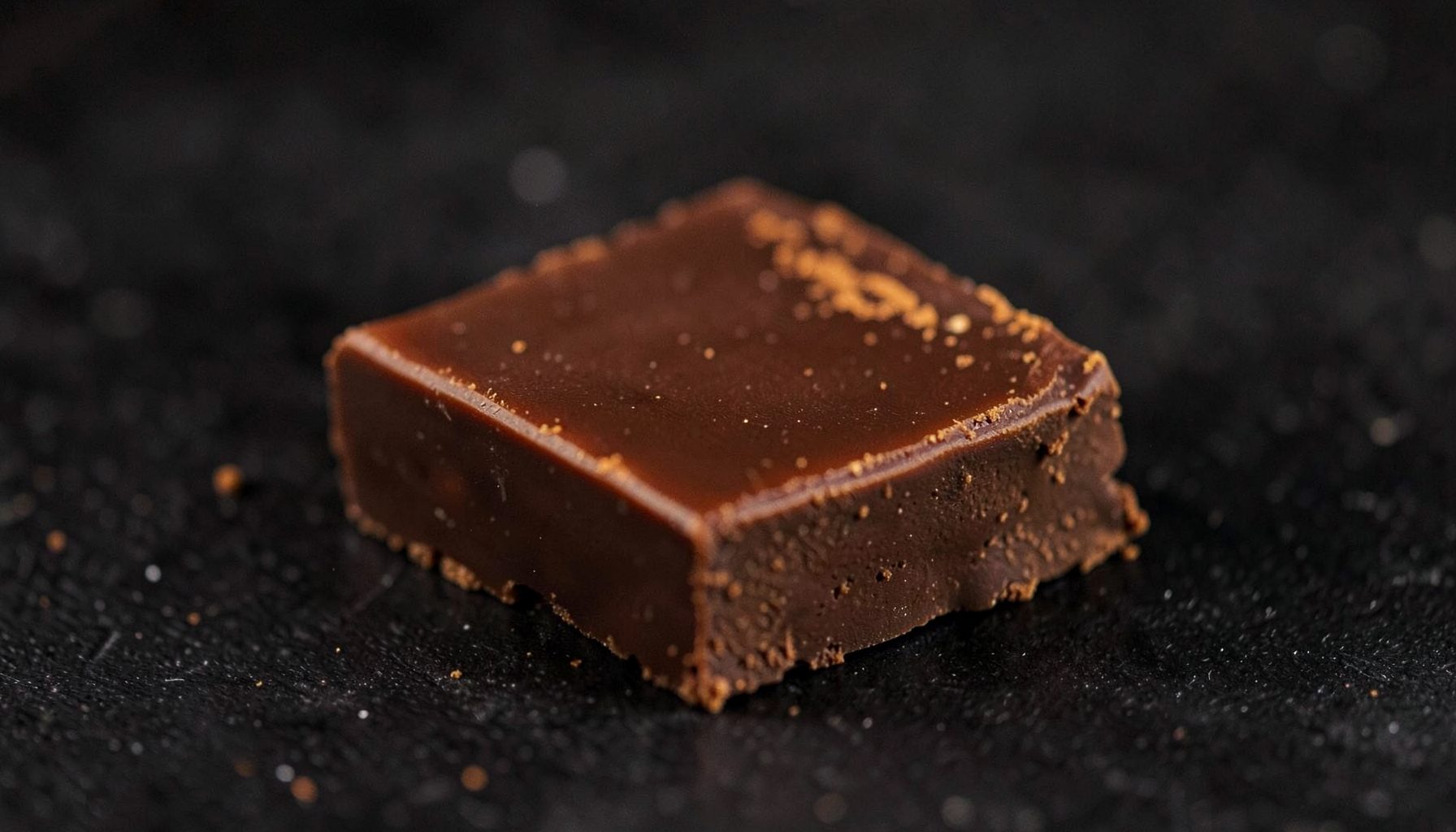
Cinnamon
Warm spiced chocolate with a smooth finish. Single bars and bulk packs available.
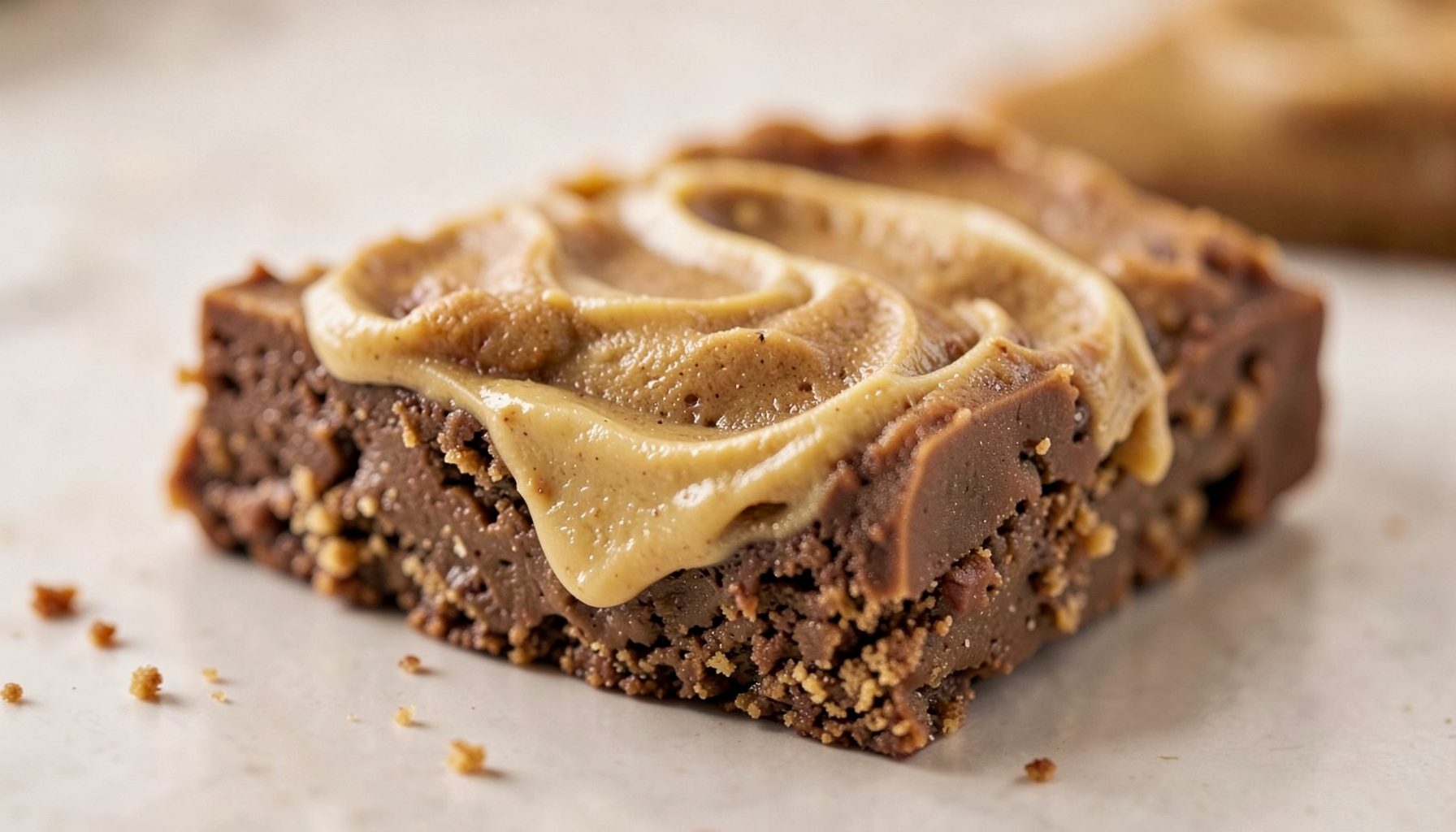
Cookie Butter
Rich, buttery cookie flavor in every bite. Offered in 1-pack and 10-pack options.
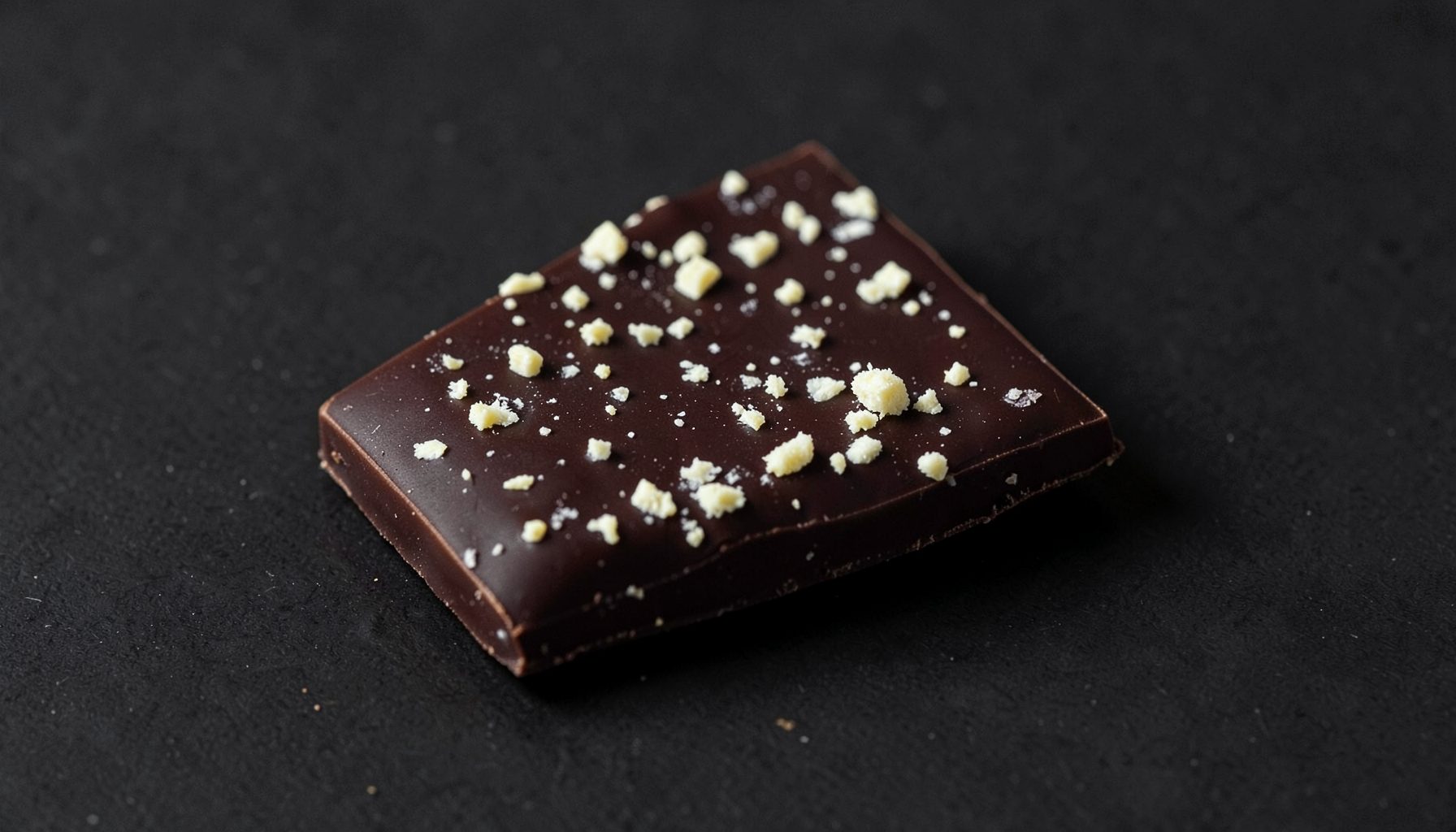
Cookies & Cream
Classic cookies-and-cream taste with a mushroom chocolate twist. 1-pack and 10-pack.
How Sugar-Free Mushroom Treats Release Flavour
Flavour in a sugar-free mushroom chocolate, gummy, or cone is shaped by much more than the sweetener on the label. The product’s fat content, acidity, texture, aroma compounds, particle size, and melting behaviour all influence what reaches the tongue and nose first. That sequence can make a berry note seem bright, a chocolate profile feel deeper, or a botanical mushroom taste appear more noticeable.
For Australian consumers, this matters in practical ways. A product carried in a warm Brisbane parcel may behave differently from one stored in a cool Melbourne pantry, while Australia’s ingredient and food-labelling requirements can affect which sweeteners and flavour systems are used. Understanding the science helps explain why sugar-free options can taste clean, layered, or slightly different from conventional confectionery.
Why Sugar Changes The Flavour Experience
Sucrose does more than make a product sweet. It adds bulk, contributes to body, softens bitterness, and influences how quickly flavour molecules dissolve in saliva. In chocolate, sugar crystals also help create a familiar snap and melt profile. Removing sugar means the manufacturer has to rebuild several sensory functions at once.
Sugar-free recipes may use polyols such as erythritol or maltitol, high-intensity sweeteners such as stevia or sucralose, soluble fibres, or blends of these ingredients. Each behaves differently. A polyol can provide volume but may create a cooling sensation, while a high-intensity sweetener contributes sweetness without the same physical structure. The final taste depends on the balance between sweetness, texture, aroma, and lingering aftertaste.
Sweeteners And The Timing Of Taste
Taste is released over time rather than arriving as a single event. Sweetness is usually detected quickly, while bitter, earthy, or spicy notes may become clearer as the product dissolves. In a mushroom-infused confection, that timing can help fruit, mint, coffee, caramel, or cocoa notes appear before the more savoury character of the mushroom ingredients.
Erythritol is known for a cooling effect because its dissolution absorbs heat in the mouth. That can make citrus and mint seem sharper, but it may flatten warm flavours such as caramel or toasted cocoa. Stevia can deliver strong sweetness at a low concentration, yet some people perceive a herbal or lingering finish. Formulators use acid, aroma, fat, and flavour layering to make the overall profile feel smoother.
How Chocolate Carries Aroma
Chocolate is a fat-rich matrix, and fat holds many aroma compounds until warmth and saliva begin to release them. As a piece melts, cocoa aromas travel towards the nose through the back of the throat, a process called retronasal olfaction. This is why allowing a small piece to melt can reveal more detail than chewing it quickly.
Cocoa solids also bring natural bitterness and roasted notes. Sugar-free chocolate must balance those qualities without relying on sucrose to soften the edges. Cocoa percentage, milk ingredients, emulsifiers, and the size of any mushroom particles can all influence the result. For people comparing a dark bar with a sweetened gummy, the difference may reflect the food matrix as much as the flavour recipe.
Why Gummies Release Flavour Differently
Gummies are water-based or gel-based systems, commonly structured with pectin, gelatin, starch, or other hydrocolloids. Their network holds flavour compounds in place, then gradually softens through chewing and contact with saliva. A firmer gummy may release its flavour slowly, whereas a softer piece can produce a stronger first impression.
Sugar-free gummies often need extra attention because sucrose normally contributes solids, chew, and moisture control. Polyols, soluble fibres, and bulking agents can change the texture and the way flavour spreads across the tongue. Acidulants such as citric or malic acid may add a lively finish, particularly to berry, lemon, or tropical profiles. Anyone exploring the current product range should check the pack information for serving size, ingredients, storage advice, and any allergen statements.
Acidity, Saliva, And Mushroom Notes
Acidity affects more than sourness. A lower pH can brighten fruit aromas and make a flavour seem more energetic, while a milder acid profile may suit chocolate, vanilla, or coffee. Saliva then dilutes the product, changes its texture, and carries dissolved compounds across the taste receptors. This interaction is one reason the same gummy can taste different when eaten quickly versus slowly.
Mushroom ingredients may contribute earthy, woody, bitter, or umami-like notes depending on the species, extraction method, and concentration. Masking those notes does not necessarily mean hiding them completely. A well-balanced recipe may use cocoa, berry, spice, or roasted flavours to place the mushroom character later in the tasting sequence. The result is a layered profile rather than a single burst of sweetness.
Temperature And Australian Storage
Temperature is especially relevant across Australia. A chocolate bar left in a hot car near Parramatta or during a humid Darwin afternoon may soften, separate, or develop surface changes. Gummies can also become stickier in heat and humidity. These changes can affect how quickly flavour compounds move through the product, even when the ingredient list stays the same.
Cool storage can preserve texture, but very cold chocolate may release less aroma at first because its fats remain firm. A short period at a moderate room temperature often allows the intended melt and fragrance to develop. Store products according to the label, keep them away from direct sunlight, and take extra care with parcels delivered to a Queensland veranda or a west-facing Sydney apartment.
What The Label Can Tell You
Ingredient order, serving information, sweetener type, flavour names, and storage directions offer useful clues about expected sensory behaviour. A product built around erythritol may have a cooler finish, while one using fibre or a pectin system may feel fuller and chewier. If a pack describes natural or artificial flavours, that wording refers to the source or regulatory category of flavour compounds, not necessarily how intense the final taste will be.
Australian shoppers should also distinguish between food information and wellness marketing. Products sold or imported into Australia may be affected by Food Standards Australia New Zealand requirements, therapeutic-goods rules, customs controls, and state or territory regulations. A brand’s explanation of its formulation approach can provide context, but the current package remains the practical reference for ingredients, directions, warnings, and batch details.
Flavour release is therefore a designed progression: sweetness may arrive first, acidity can sharpen the middle, and cocoa or mushroom aromas may remain at the finish. Sugar-free products do not simply remove sugar; they replace its structural and sensory roles with a carefully balanced system of sweeteners, fats, acids, fibres, and aromas.
Before trying a sugar-free option, read the current Australian-facing label, note the sweetener and serving information, and store the product under the stated conditions; then taste one labelled serving slowly at room temperature.

Send Us a Message
Get in Touch
Have questions about our products or your order? Reach out and we'll get back to you.
- California, USA
- Contact Page