
California • Est. 2019
Premium mushroom chocolate bars, gummies, and cones crafted in California. Bold flavors, uncompromising quality, and a brand built from the ground up.
Explore the CollectionOur Collection
Shruumz Chocolates & Gummies
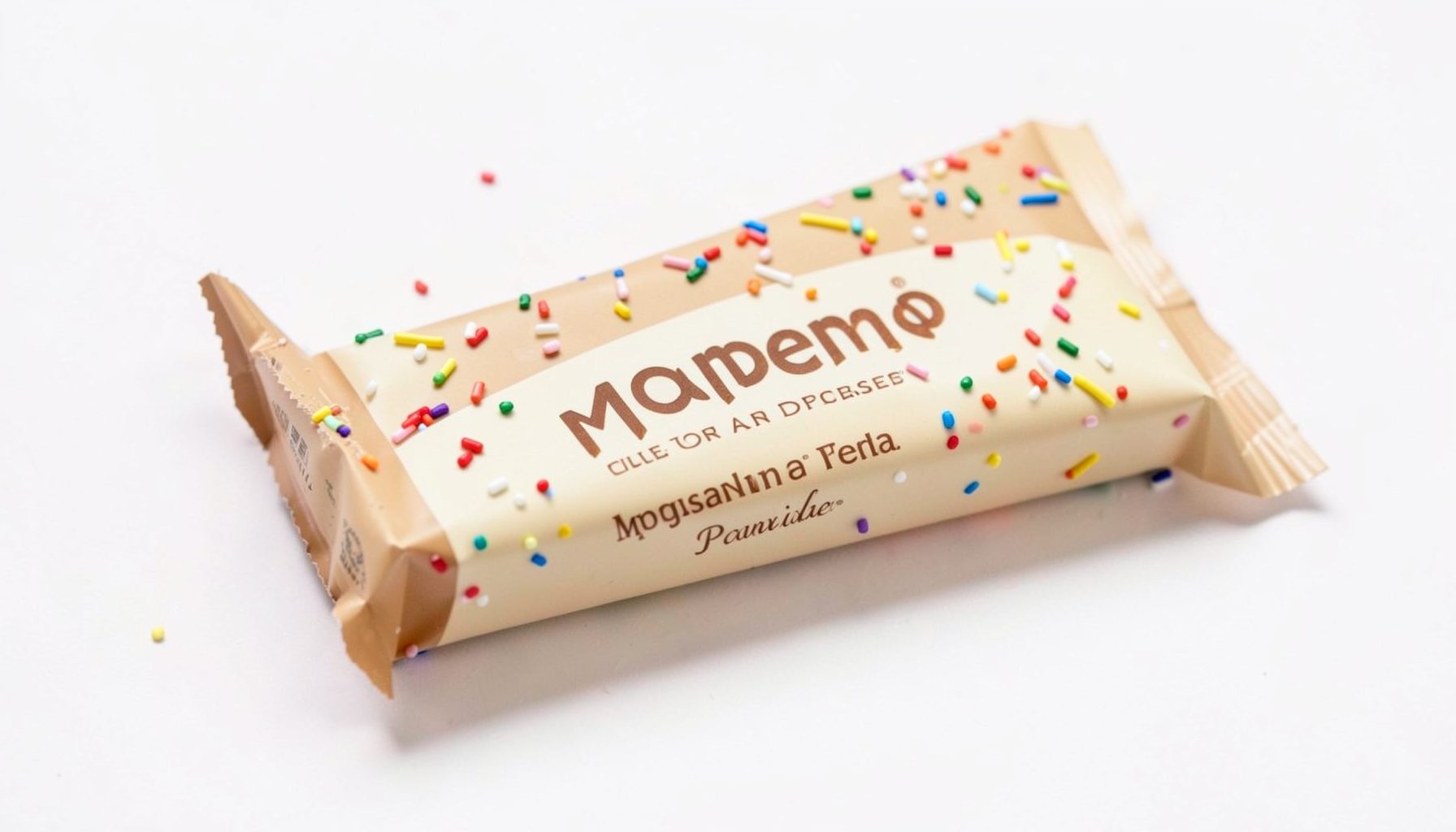
Birthday Cake
Celebratory flavor with a sweet, cake-inspired profile. Available in 1-pack and 10-pack.

Cinnamon
Warm spiced chocolate with a smooth finish. Single bars and bulk packs available.
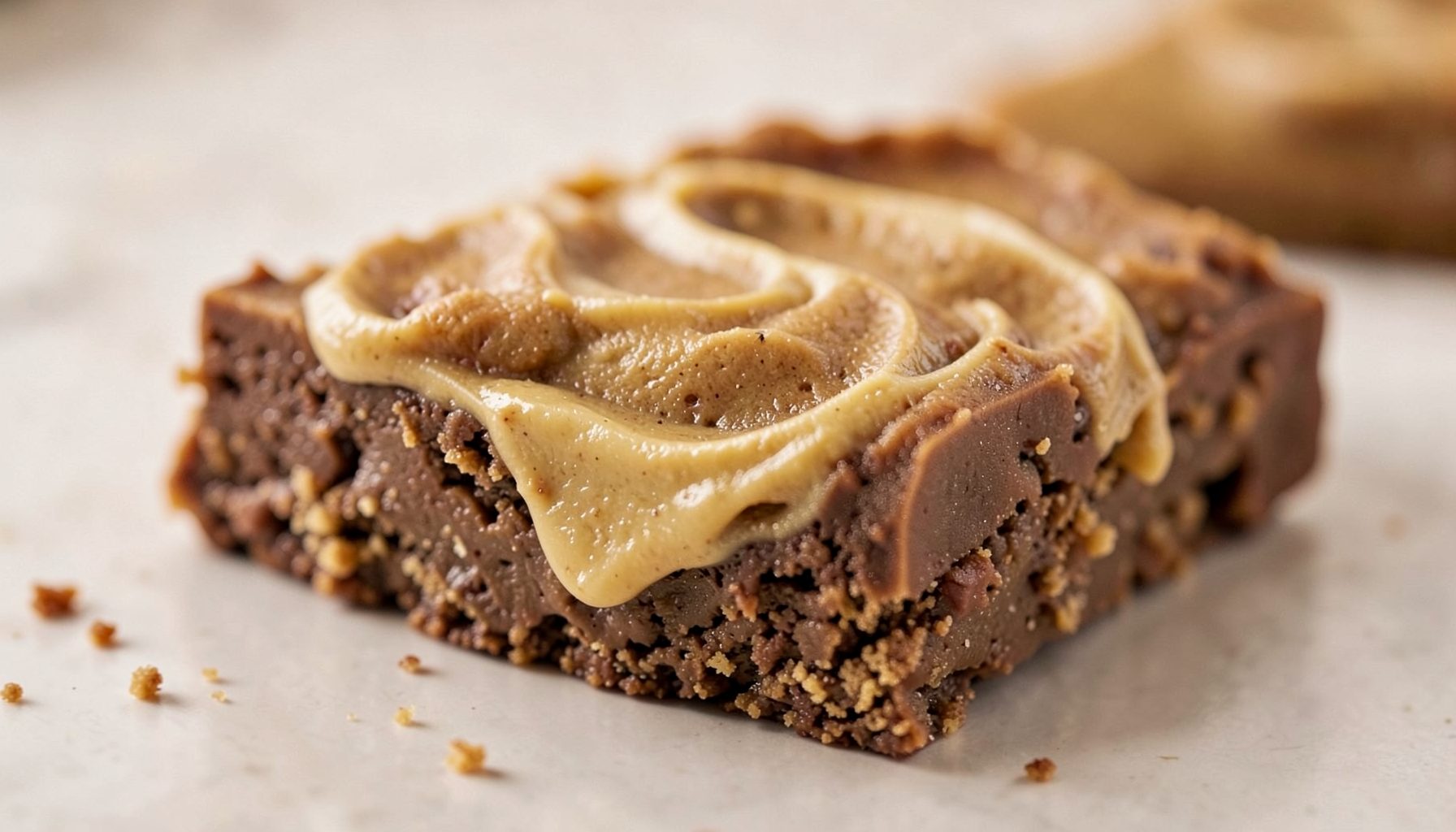
Cookie Butter
Rich, buttery cookie flavor in every bite. Offered in 1-pack and 10-pack options.

Cookies & Cream
Classic cookies-and-cream taste with a mushroom chocolate twist. 1-pack and 10-pack.
What a Third-Party Lab Report Actually Tells You About Your Gummies
A third-party lab report, often called a certificate of analysis or COA, is meant to provide an independent snapshot of what was found in a specific product sample. For mushroom-infused gummies, that snapshot may include active compounds, potency, contaminants, and basic product identification. It is one useful part of evaluating a product, but it is not a guarantee of safety, effectiveness, or a particular experience.
The value of a report depends on its detail and credibility. A polished PDF with a laboratory logo is not enough by itself. You should be able to connect the document to the product in your hand, identify the tested batch, understand the units, and see which analytical methods were used.
This matters when comparing gummies with different flavors, serving sizes, and formulations. The product information and brand background can provide useful context, while the lab report supplies batch-specific evidence that marketing language cannot replace.
What The Report Is Designed To Verify
A COA records the results of testing performed on a particular sample. Depending on the formula and the laboratory’s scope, it may identify cannabinoids, mushroom-derived compounds, botanical ingredients, or other measurable constituents. Some reports focus on potency, while broader panels also examine microbial, chemical, or physical contaminants.
The document should clearly state the product name, sample identification, batch or lot number, testing date, and final report date. These details establish what was tested and when. If the report refers only to a general product line without a traceable lot number, it may be difficult to determine whether it represents the package you are considering.
A report is evidence about a sample, not a universal statement about every package ever made. Manufacturing, storage, and time can affect consistency. For that reason, a current batch-linked COA is more informative than an undated report or a document covering an unspecified production run.
Start With Product Identity And Traceability
Before studying percentages and decimal points, match the COA to the label. Compare the product name, flavor, serving count, package size, and batch code. A report for a chocolate bar should not be used to evaluate gummies, even when both products come from the same brand. Different formats can have different recipes, concentrations, and stability profiles.
The batch number is especially important. It may appear on the package, seal, or a separate sticker and can sometimes be abbreviated on the report. If the codes do not align, treat the document as background information rather than proof about that specific package.
The laboratory’s identity also deserves attention. Look for a real business name, address, contact information, report number, and a description of its testing capabilities. A credible provider should make it possible to distinguish its work from an internal quality-control document. “Third-party” suggests independence, but the report still needs enough information to evaluate that independence.
Potency Numbers Need Careful Reading
Potency results tell you how much of a measured compound was detected in the sample. The result may be listed per gram, per serving, per gummy, or for the entire package. Those units are not interchangeable. A package labeled as containing a certain amount per gummy should be compared with a per-gummy result, not a total-package figure.
Pay attention to serving definitions. If one serving is two gummies, a value shown per serving must be divided appropriately before comparing it with a product that defines one gummy as a serving. Also check whether the report lists an expected range, a measured amount, or a result below the laboratory’s limit of quantification.
For mushroom products, the report may not measure the same things consumers casually describe as “mushroom content.” A listed mushroom species, extract weight, active compound, and total ingredient weight are different measurements. If a test does not cover a particular compound, the absence of that compound from the report does not prove that it is absent from the product.
| Report Feature | What It Can Tell You | What It Cannot Prove |
|---|---|---|
| Batch or lot number | Which production run was sampled | That every batch has the same result |
| Potency result | Amount detected using the stated method | Exact personal effects or response |
| Serving size | How the laboratory expresses the result | That the package label is easy to interpret |
| Contaminant panel | Whether tested hazards were detected in the sample | That untested hazards are absent |
| Limit of detection or quantification | How small a quantity the method can identify or measure | That “not detected” means absolute zero |
| Testing date | When the sample was analyzed | That the product remains unchanged indefinitely |
| Laboratory and method details | How and by whom the analysis was performed | That the report is a clinical safety assessment |
Contaminant Panels Reveal The Testing Scope
A useful report may include microbial screening for organisms such as yeast, mold, or certain bacteria. It may also cover heavy metals, pesticides, residual solvents, mycotoxins, or foreign material, depending on the product and the laboratory’s panel. These tests address different risks, so a single “passed” statement is less informative than the actual analyte list and results.
Read the status carefully. “Not detected” usually means the compound was not found above the method’s detection threshold. It does not mean the substance could not be present at any level. “Pass” may mean the result met a particular specification, but you need to know which specification and whether it came from a regulation, an internal standard, or a customer requirement.
A narrow panel can still be valuable, but it should not be mistaken for comprehensive testing. If a report lists potency only, it offers no direct information about microbial safety or heavy metals. Ingredient transparency is strongest when the label, manufacturing information, and laboratory scope are presented together.
Evaluate Methods, Dates, And Laboratory Quality
Analytical methods affect results. Chromatography, mass spectrometry, spectroscopy, and culture-based techniques each have appropriate uses and limitations. You do not need to become a laboratory scientist, but the report should identify the method or reference a recognized procedure rather than presenting unexplained numbers.
The testing date helps you judge freshness, especially for products containing moisture-sensitive or oxidation-sensitive ingredients. A report several years old may still describe the original batch, but it cannot confirm how the product was stored or whether its composition has changed since testing. Packaging, heat, light, and humidity can all influence shelf stability.
Look for signs of quality control such as sample receipt details, analyst or reviewer information, instrument references, page numbering, and a clear final status. Accreditation can add confidence, though accreditation by itself does not mean every result answers every consumer question. The key is alignment between the test performed and the claim being made.
A Practical Way To Review A COA
Use the report as a verification tool rather than a marketing shortcut. Start with identity, then move to potency, contaminants, methods, and timing. If the label uses unfamiliar terms, a product-matching resource such as a product matching guide may help you understand how format and intended use differ, but it should not replace careful reading of the COA.
Keep your expectations realistic. A laboratory report cannot predict whether a gummy will feel energizing, calming, intense, or unpleasant for a particular person. Individual response can vary with body size, metabolism, tolerance, medications, food intake, and other factors. It also does not override local laws, age restrictions, package instructions, or advice from a qualified healthcare professional.
When reviewing a gummy product, focus on these practical checks:
- Match the report’s product name, flavor, package size, and lot number to the package.
- Confirm whether potency is reported per gummy, serving, gram, or full package.
- Identify which active compounds and contaminants were actually tested.
- Check the testing date, laboratory identity, analytical methods, and detection limits.
- Treat “not detected” and “pass” as defined laboratory results, not absolute guarantees.
A transparent brand should make it reasonably easy to connect product information with quality documentation. Before purchasing or consuming mushroom-infused gummies, read the label, verify the current batch information, store the product as directed, and follow applicable legal and safety guidance. Use the report to make a more informed decision—and pause when the document is vague, outdated, or impossible to match to the package.

Send Us a Message
Get in Touch
Have questions about our products or your order? Reach out and we'll get back to you.
- California, USA
- Contact Page