
California • Est. 2019
Premium mushroom chocolate bars, gummies, and cones crafted in California. Bold flavors, uncompromising quality, and a brand built from the ground up.
Explore the CollectionOur Collection
Shruumz Chocolates & Gummies
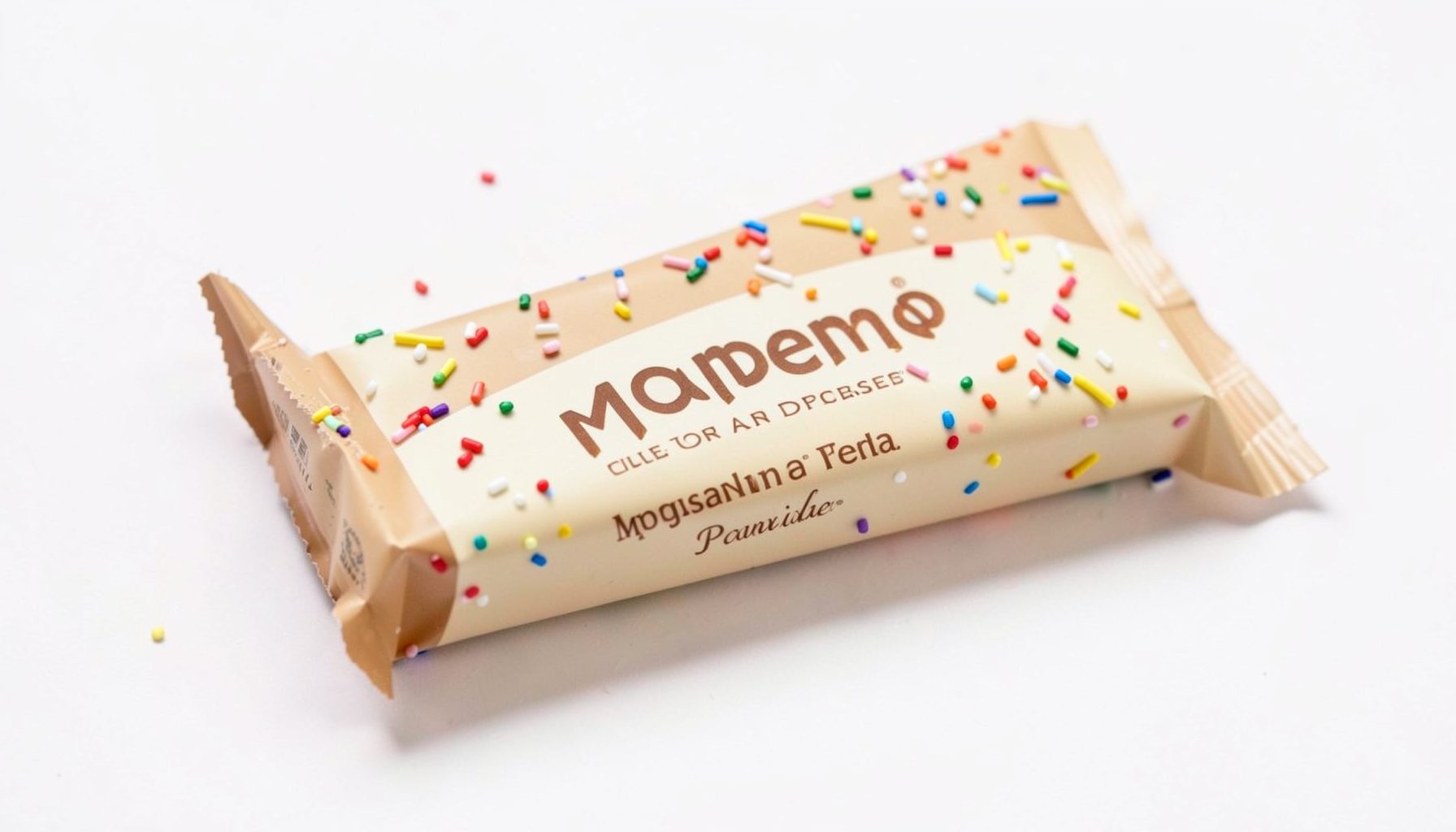
Birthday Cake
Celebratory flavor with a sweet, cake-inspired profile. Available in 1-pack and 10-pack.
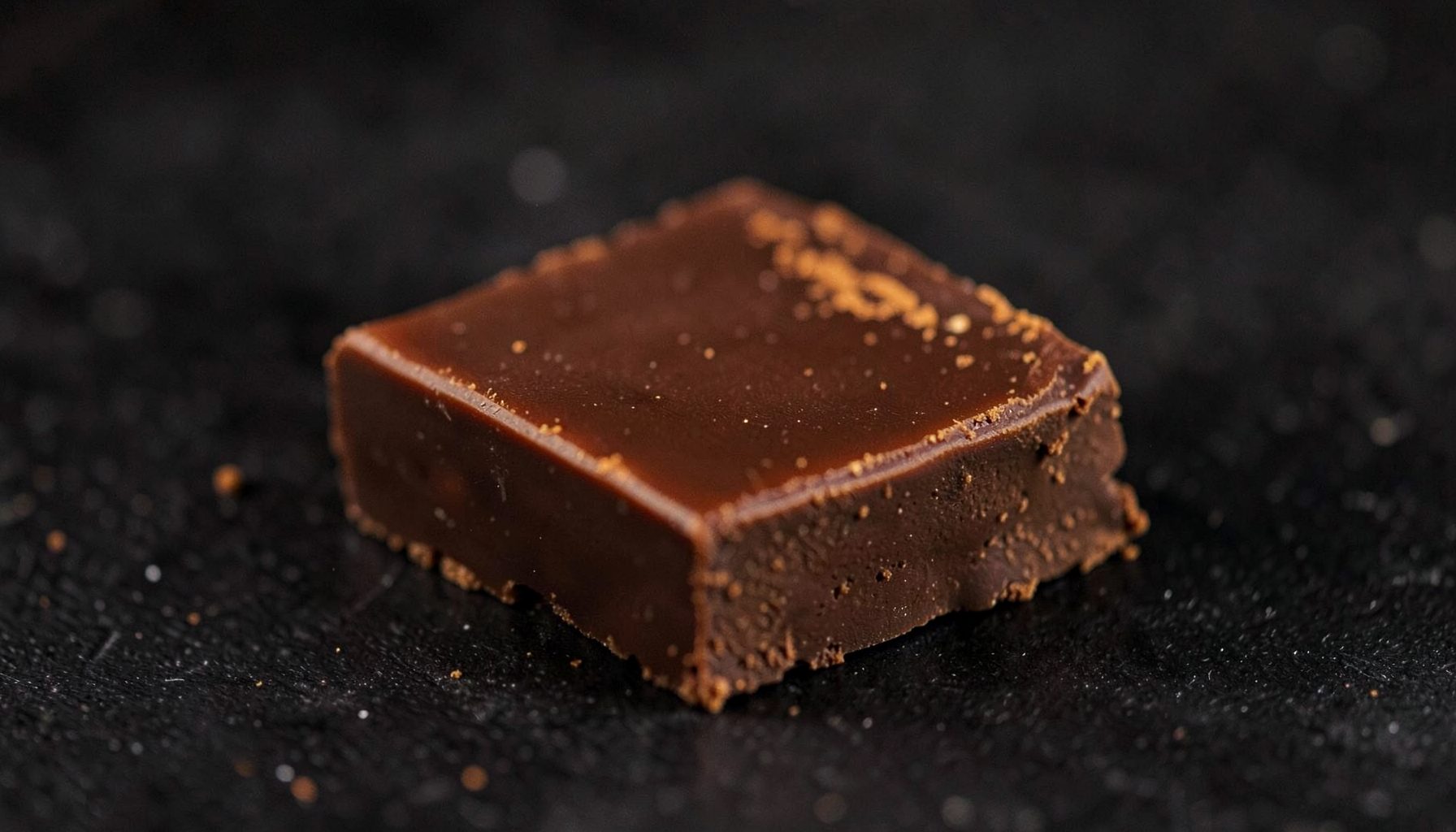
Cinnamon
Warm spiced chocolate with a smooth finish. Single bars and bulk packs available.
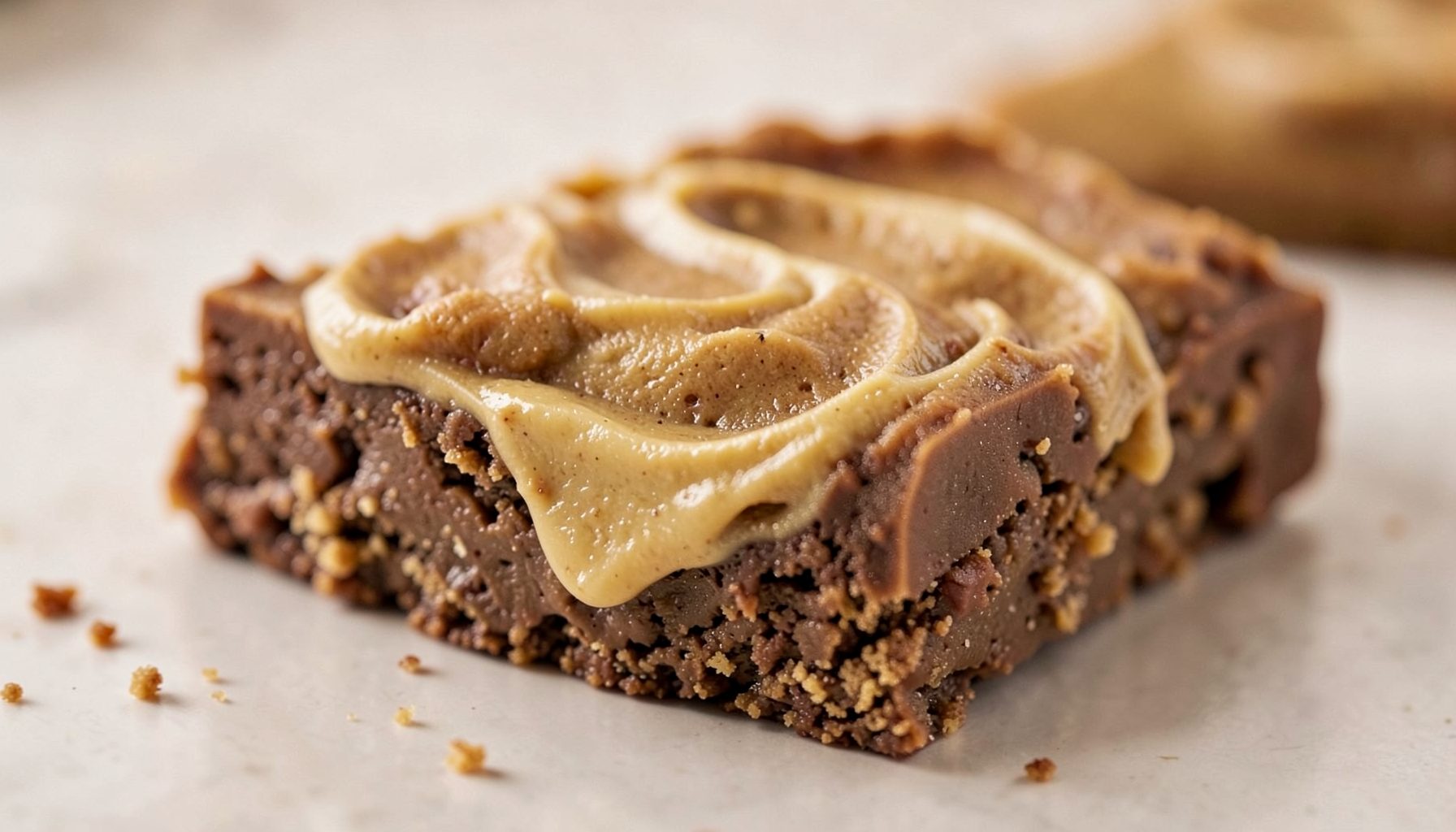
Cookie Butter
Rich, buttery cookie flavor in every bite. Offered in 1-pack and 10-pack options.
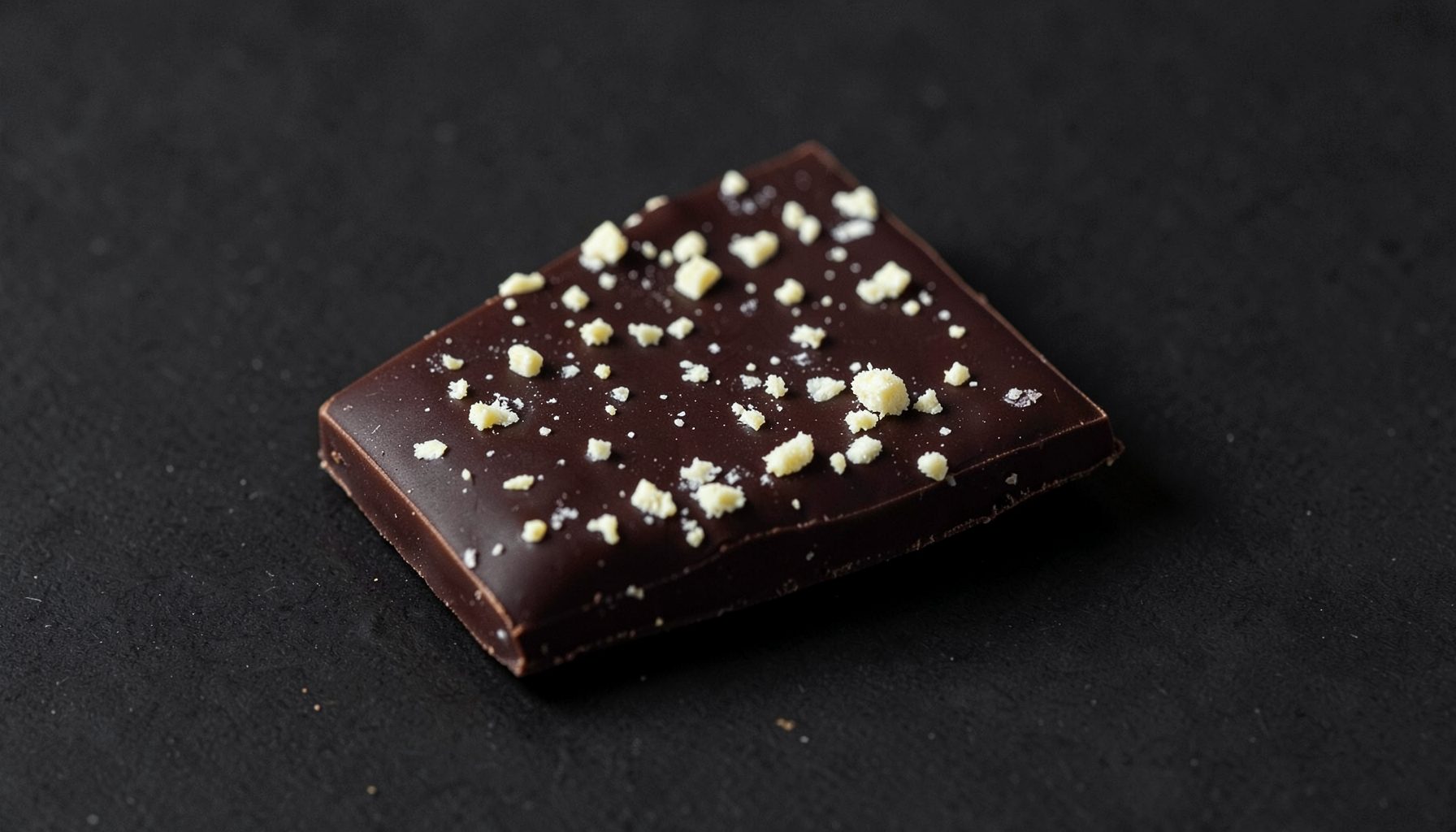
Cookies & Cream
Classic cookies-and-cream taste with a mushroom chocolate twist. 1-pack and 10-pack.
What Functional Mushrooms Are and Why People Use Them
Functional mushrooms are fungi valued for compounds that may support everyday wellness, rather than for their culinary qualities alone. They include familiar varieties such as shiitake and maitake, along with concentrated extracts made from lion’s mane, reishi, cordyceps, chaga, and turkey tail.
People use these mushrooms in coffee, capsules, powders, teas, gummies, and chocolate products. Their reasons vary: some want support for focus or energy, while others are interested in immune health, stress management, or a broader wellness routine. The effects depend on the species, preparation, serving size, and individual response.
The phrase can be confusing because “mushroom” products are not all alike. Functional mushrooms are generally discussed as non-intoxicating wellness ingredients, while psychedelic mushrooms contain compounds that can substantially alter perception. Products that combine mushroom ingredients with edible formats may require especially careful label reading.
How functional mushrooms differ from psychedelic varieties
Functional mushrooms are typically used for nutritional and wellness purposes without an intended hallucinogenic effect. Lion’s mane, reishi, cordyceps, and turkey tail are among the most frequently mentioned examples. They contain compounds such as beta-glucans, triterpenes, and other polysaccharides that researchers continue to study.
Psychedelic mushrooms are a separate category because they contain psychoactive compounds such as psilocybin. A product’s packaging, ingredients, and legal status should therefore be checked rather than inferred from the word “mushroom.” Some mushroom-themed snacks may use extracts, blends, or ingredients that are not equivalent to culinary mushrooms.
This distinction also matters for expectations. Functional mushroom supplements are not instant substitutes for sleep, balanced food, medical care, or prescribed treatment. Research is promising in some areas, but human evidence varies considerably by mushroom species and product quality.
Common varieties and their traditional uses
Lion’s mane is often selected by people interested in mental clarity, memory, and concentration. Early research has examined compounds associated with nerve growth and cognitive function, although more human studies are needed before firm conclusions can be drawn. Consumers commonly find it in powders, capsules, coffee blends, and snack products.
Reishi has a long history in traditional Asian wellness practices and is often associated with relaxation and resilience. Cordyceps is frequently included in products marketed for stamina and exercise support. Chaga and turkey tail are recognized for their antioxidant or immune-related research, while maitake and shiitake contribute both culinary nutrition and naturally occurring polysaccharides.
These descriptions reflect common reasons for use, not guaranteed outcomes. Mushroom extracts can differ significantly depending on whether they use the fruiting body, mycelium, or a blend. Extraction method and concentration can also influence the final profile.
Why people add them to daily routines
Some users choose functional mushroom products as a convenient way to build a consistent wellness habit. A morning drink containing lion’s mane may appeal to someone seeking a focused start to the day, while an evening reishi tea may fit a calming routine. Others prefer capsules because the serving size is simple and portable.
Taste and format are also important. Chocolate, gummies, and drink mixes can feel easier to use than powders with a strong earthy flavor. A broad mushroom product collection may offer different formats and flavor combinations, but convenience should not replace checking the ingredient panel.
People may also be attracted by the growing interest in adaptogens, natural energy products, and food-based approaches to wellness. Yet personal reports are not the same as clinical evidence. A person’s response can be shaped by diet, sleep, medications, caffeine intake, and expectations.
Comparing popular functional mushrooms
The table below summarizes common reasons consumers explore these ingredients. These categories describe typical product positioning and research interests rather than guaranteed benefits.
| Mushroom | Common consumer interest | Typical formats | Important consideration |
|---|---|---|---|
| Lion’s mane | Focus and cognitive wellness | Powder, capsules, coffee, gummies | Human evidence is still developing |
| Reishi | Relaxation and stress support | Tea, extracts, capsules | May interact with some medicines |
| Cordyceps | Energy and exercise routines | Powder, capsules, drink mixes | Product quality and dose vary |
| Turkey tail | Immune-focused wellness | Extracts, capsules, powders | Often used as a concentrated extract |
| Chaga | Antioxidant-focused routines | Tea, powder, capsules | High or long-term use may raise concerns |
| Maitake | Culinary nutrition and general wellness | Food, extracts, capsules | Effects depend on preparation |
| Shiitake | Everyday nutrition | Fresh or dried food, powders | Usually used as a food rather than a supplement |
A label may list several species together, but a blend can make it harder to understand how much of each ingredient is present. Proprietary blends may disclose total weight without showing individual amounts. Clear serving information is useful when comparing products.
What to check before trying one
Start with the exact species and the form used. “Mushroom complex” is less informative than a label that names each mushroom and identifies the amount per serving. If an extract is used, look for details about its ratio or standardization where available.
Ingredient transparency also includes sweeteners, caffeine, allergens, artificial colors, and any added active compounds. Chocolate and gummies can contain substantial sugar, while cones or other specialty formats may have a different serving pattern. Products marketed for recreational experiences deserve extra caution because their effects may not match those of traditional functional mushroom supplements.
Quality signals include batch information, clear manufacturer details, storage instructions, and testing documentation. Third-party testing can help verify identity and screen for contaminants, though it does not guarantee that a product will suit every person.
Using mushroom products thoughtfully
People who are pregnant, nursing, managing a chronic condition, preparing for surgery, or taking prescription medicines should speak with a qualified healthcare professional before using concentrated mushroom extracts. Reishi, chaga, cordyceps, and other supplements may affect bleeding risk, blood sugar, immune activity, or medication metabolism in some circumstances.
Allergies and digestive sensitivity are additional considerations. A cautious approach is to follow the labeled serving, avoid combining several new products at once, and pay attention to unusual symptoms. Do not drive or operate machinery after using a product that contains intoxicating or otherwise psychoactive ingredients.
A practical selection checklist can make the process more informed:
- Identify the mushroom species and the amount per serving.
- Check whether the product is intended as a food, supplement, or psychoactive experience.
- Review added ingredients, allergens, sweeteners, and stimulant content.
- Look for batch details, testing information, and responsible serving guidance.
- Keep products away from children and pets, and store them as directed.
Functional mushrooms can be a thoughtful addition to a varied diet or personal wellness routine when expectations remain realistic. Their appeal comes from a combination of traditional use, emerging research, flexible formats, and the simple appeal of exploring different ingredients. The most useful choice is usually the one with transparent labeling and a purpose that fits the user’s routine.
Explore the available flavors and formats carefully, compare the serving information, and use the shopping cart only after confirming that the selected product matches your needs and local requirements.

Send Us a Message
Get in Touch
Have questions about our products or your order? Reach out and we'll get back to you.
- California, USA
- Contact Page