
California • Est. 2019
Premium mushroom chocolate bars, gummies, and cones crafted in California. Bold flavors, uncompromising quality, and a brand built from the ground up.
Explore the CollectionOur Collection
Shruumz Chocolates & Gummies
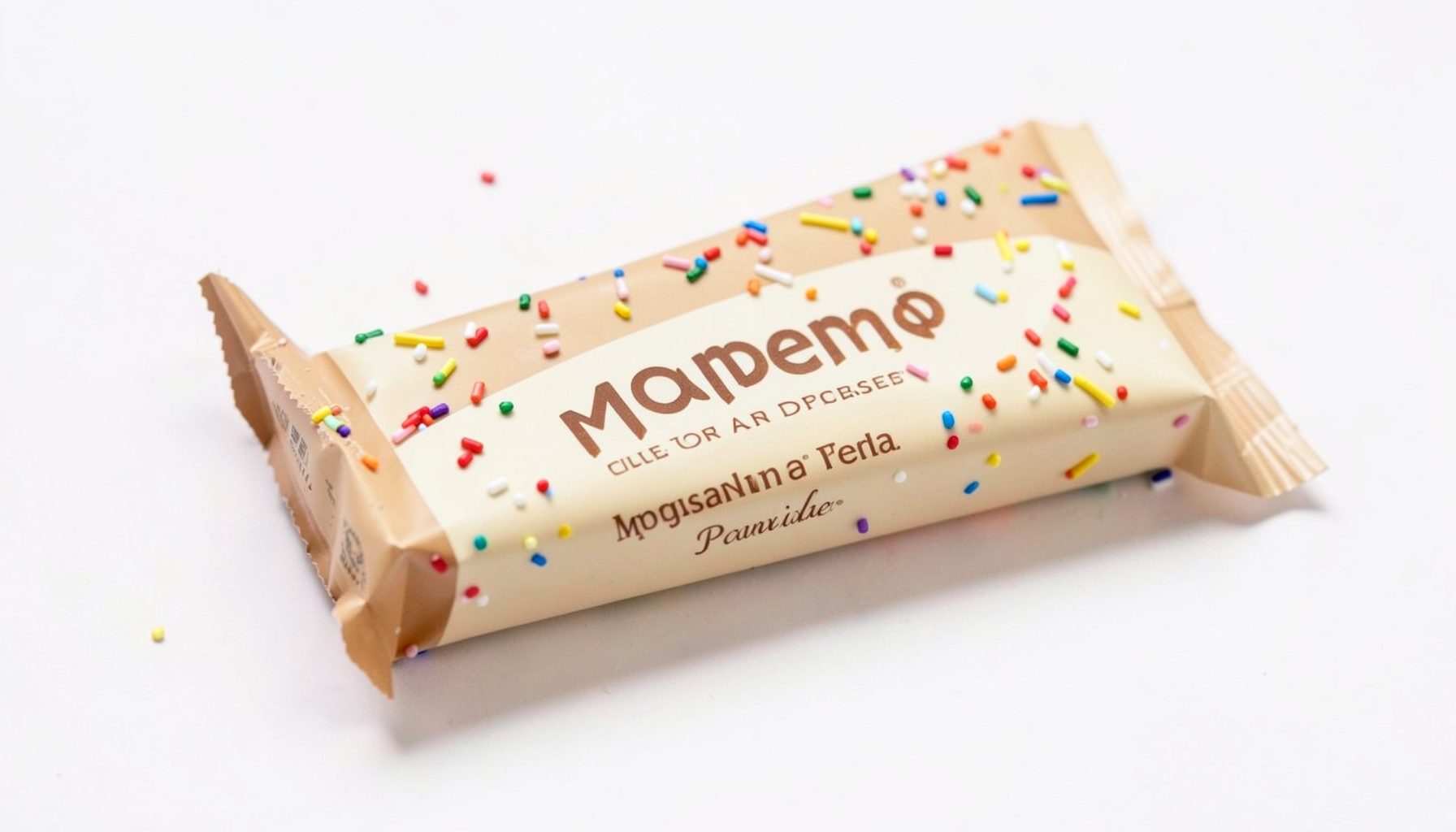
Birthday Cake
Celebratory flavor with a sweet, cake-inspired profile. Available in 1-pack and 10-pack.
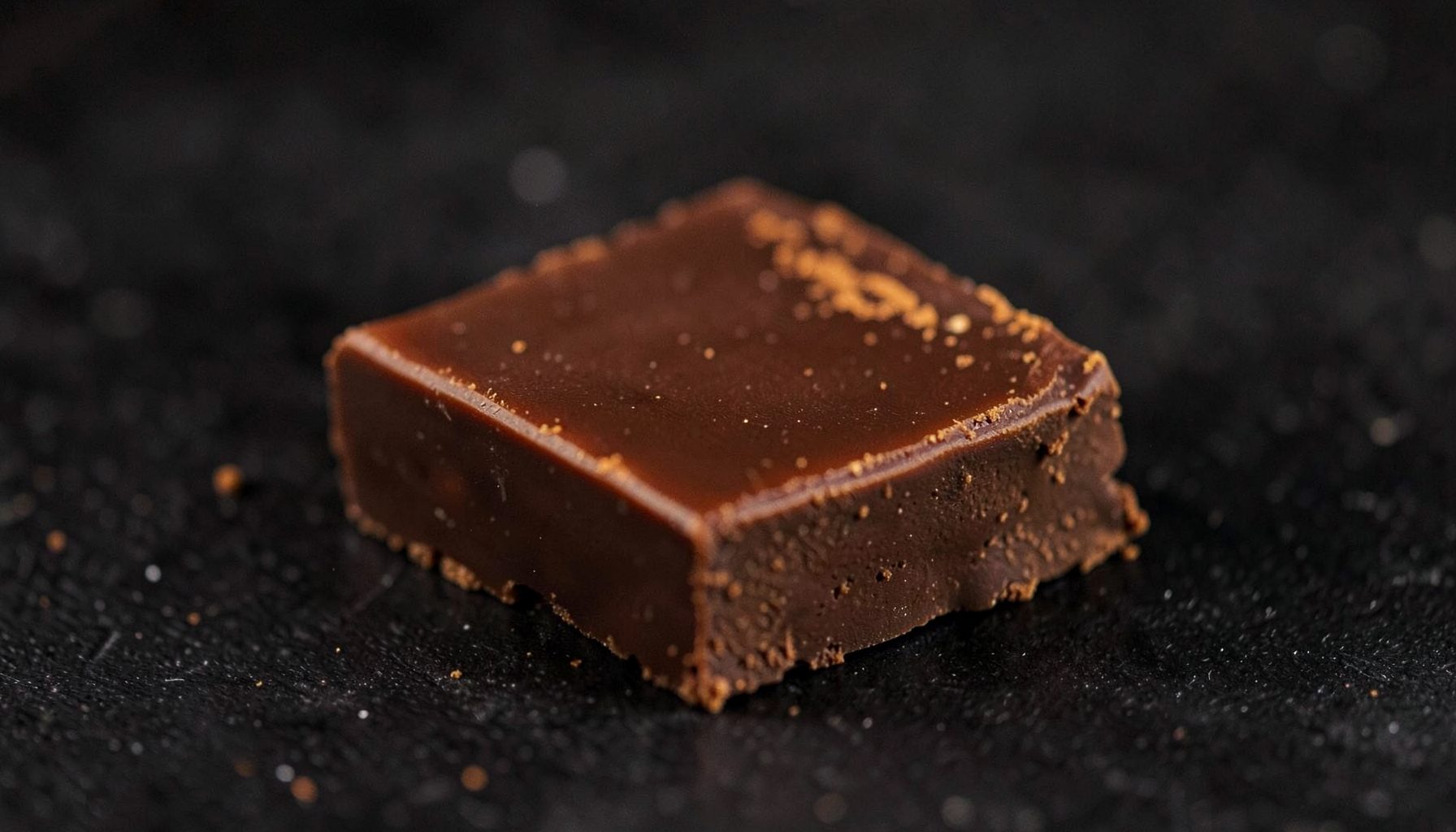
Cinnamon
Warm spiced chocolate with a smooth finish. Single bars and bulk packs available.
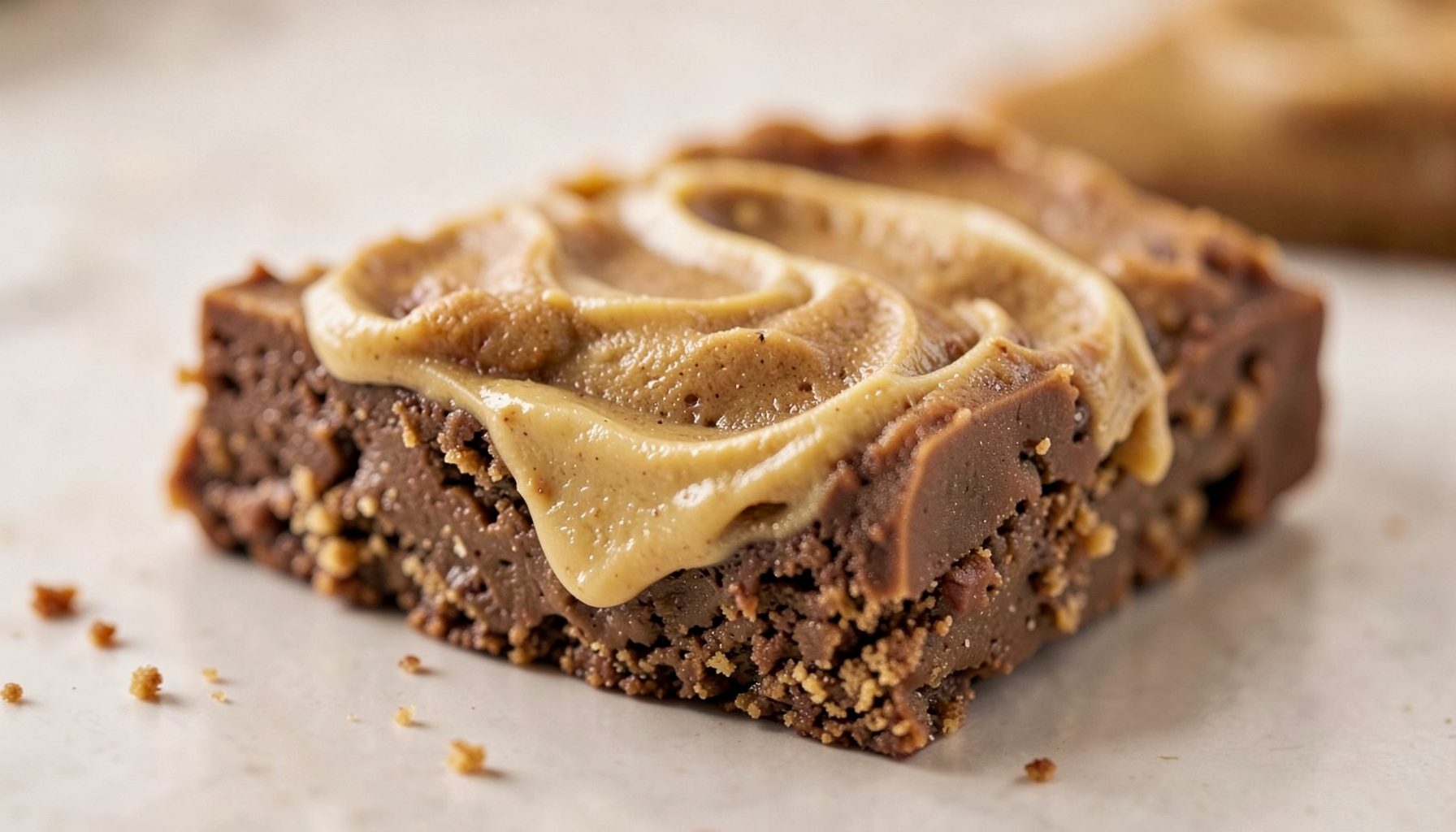
Cookie Butter
Rich, buttery cookie flavor in every bite. Offered in 1-pack and 10-pack options.
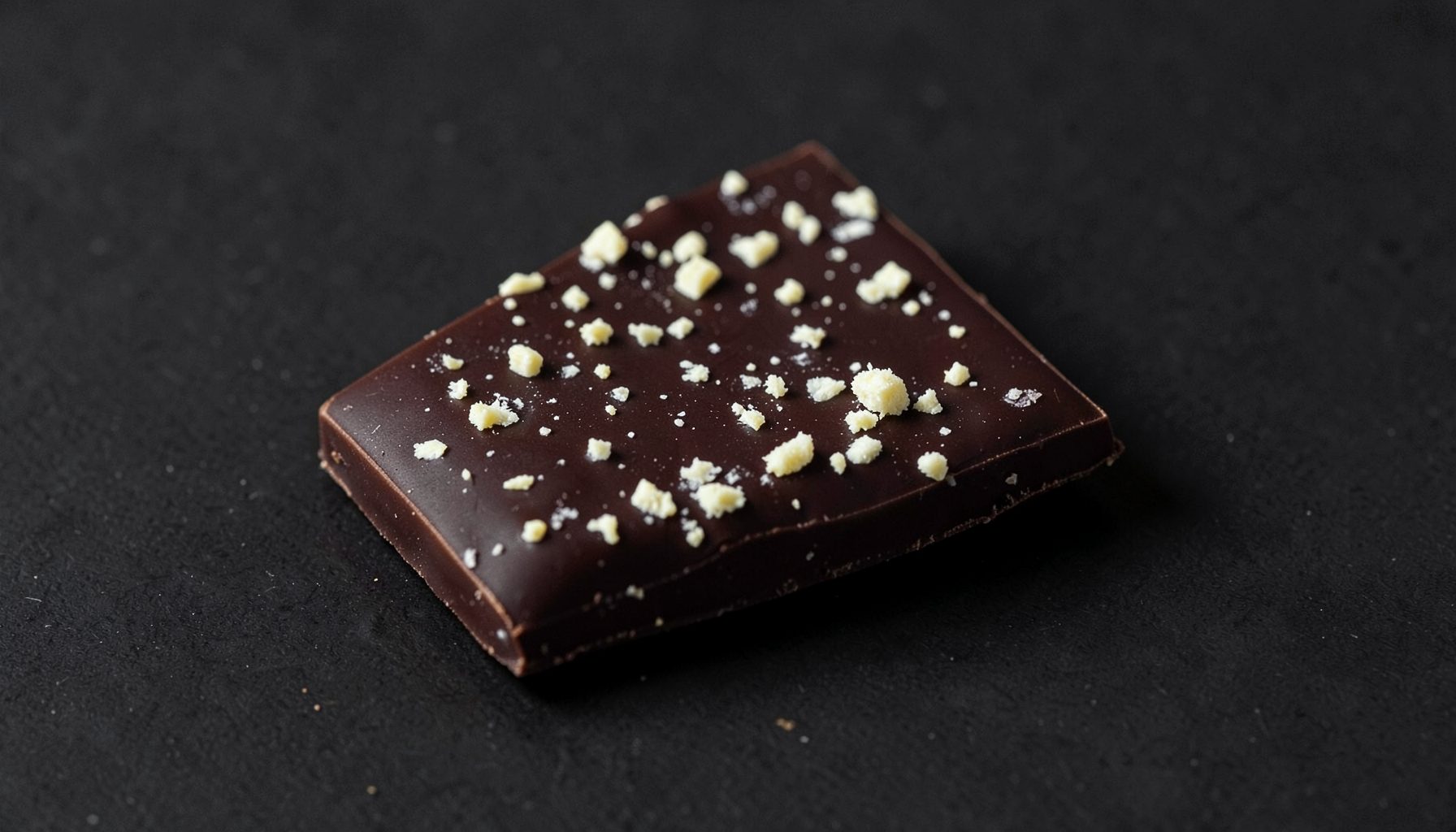
Cookies & Cream
Classic cookies-and-cream taste with a mushroom chocolate twist. 1-pack and 10-pack.
Why Our Mushroom Chocolate Bars Melt So Smoothly on the Tongue
There's something quietly satisfying about that first moment when a square of chocolate settles against your tongue and begins to soften into a glossy pool. For Australians unwinding after a long arvo, whether that's a quiet Sunday in Adelaide or a weekend brunch in Melbourne, the experience of the melt matters as much as anything that follows. Our mushroom chocolate bars are crafted around that sensory payoff, and every choice in the kitchen is built to deliver it.
The texture of the melt is not an accident. From the sourcing of the cocoa to the way we temper each batch, the process treats the bar as something to be savored, not just consumed. In the sections ahead, we unpack the variables that shape how a square disappears, and how to get the most out of every bite at home.
The mouthfeel foundation: cocoa butter quality
The fat structure of any chocolate bar is the single biggest driver of how it behaves in the mouth. Cocoa butter contains a specific blend of fatty acids that melt just below body temperature, which is why a well-made square feels almost weightless as it warms between your fingers and across your tongue. Our bars lean on real cocoa butter rather than cheaper vegetable fat substitutes, and that choice shows up immediately in how the chocolate thins and spreads.
When cocoa butter is properly tempered, the fat crystals lock into a stable form often called Form V. That structure gives the bar a clean snap and a glossy finish, but it also controls how the fat releases heat as it transitions from solid to liquid. The result is a controlled melt that rolls across the palate instead of feeling waxy or chalky. Substitutes like palm oil or hydrogenated fats lack that precise melt point, which is why they tend to leave a heavier film behind.
The grind: how particle size shapes the melt
Beyond the fat, the size of the cocoa and sugar particles has a direct say in how smooth the experience feels. Industrial bars often grind ingredients down to around 30 microns, which is fine for most purposes. Our bars are refined further, closer to 20 microns, which puts each particle below the threshold that the human tongue can detect as graininess.
That finer grind does two things at once. It allows the chocolate to flow more evenly as it warms, and it lets the cocoa solids disperse through the cocoa butter more completely. The result is a bar that feels uniform from the first second on the tongue, rather than one that separates into gritty pockets and oily patches. Anyone who has compared a cheap supermarket block to a proper couverture chocolate will recognise the difference immediately, the same way you can spot a well-finished pair of sneakers the moment you pick them up.
Time in the conche: where smoothness really develops
After grinding, the chocolate paste goes through a process called conching, where it is agitated for hours or days depending on the recipe. Conching coats every particle with fat, drives off harsh volatile acids, and rounds out the flavor in ways that shorter processes simply cannot. Our bars run through an extended conche to soften any sharp edges in the taste and, more importantly, to lock in the smooth texture customers expect.
A short conche leaves behind volatile compounds that can taste harsh and feel astringent on the tongue. A longer conche breaks those compounds down, allowing the chocolate to taste rounder and to melt more uniformly. The added time also helps stabilise the fat structure, contributing to the clean melt that defines a well-crafted bar. Skipping this stage is one of the fastest ways to end up with a product that feels rough, no matter how good the cocoa beans were at the start.
Mushroom extracts and their place in the recipe
Adding mushroom extracts to a chocolate bar introduces ingredients that behave differently from cocoa solids. Some extracts can absorb moisture, others can affect how the fat crystallises, and nearly all of them carry earthy or bitter notes that need to be balanced. Our kitchen team accounts for these variables by adjusting the cocoa butter content and tweaking the conching schedule for each flavor profile.
We work with extracts that have been independently verified for purity, and we share what we learn through resources like lab testing insights so customers can see exactly what is in every batch. That transparency extends to how we recommend starting low, particularly for anyone new to functional mushrooms, which is why our dosing guide for beginners walks through the first few sessions step by step. Done right, the extract slides into the recipe without disrupting the melt, and the bar still feels like a bar.
Fitting the bar into your routine
A good chocolate bar often shows up alongside the rest of a person's downtime. Some folks pair a square with their morning coffee, others reach for one after dinner while scrolling through casino player reviews to pick a weekend platform, and plenty more keep a bar on hand for the kind of quiet evening where a film or a long playlist is the main event. Wherever it lands in your day, a little preparation goes a long way.
If you tend to enjoy the bar while handling sensitive accounts or browsing through a security-focused service, keeping the wrapper clean and dry is just as important as the choice of square. A small ritual, a clean surface, and ten minutes of patience all help the melt perform the way it was designed to. Treat the bar like the small luxury it is, and it tends to give that back in the moment it touches the tongue.
Quick storage tips for Australian climates
- Keep bars sealed in their original wrapper, away from direct sun, especially through a Brisbane summer.
- Avoid storing bars in the fridge long-term, since moisture can cause sugar bloom on the surface.
- If a bar does bloom, it is still safe to eat, though the melt will feel slightly grainy.
- A pantry or bedroom cupboard kept between 18 and 20 degrees is the sweet spot.
Small habits that lift the melt
- Let the bar sit at room temperature for a few minutes after opening the pack.
- Place a single square on the tongue and let it soften rather than chewing right away.
- Sip plain water or a light herbal tea alongside the chocolate to cleanse the palate.
- Avoid strong coffee immediately before tasting, as it can mute the cocoa notes.
The melt of a chocolate bar is the result of a chain of decisions made long before you open the wrapper. Real cocoa butter, a fine grind, patient conching, and carefully handled mushroom extracts all combine to give you a square that disappears the way a square should. Store the bar well, take your time with it, and let the temperature of your tongue do the work. That silky slide is the payoff for everything that came before it, and it is the part worth slowing down for.

Send Us a Message
Get in Touch
Have questions about our products or your order? Reach out and we'll get back to you.
- California, USA
- Contact Page