
California • Est. 2019
Premium mushroom chocolate bars, gummies, and cones crafted in California. Bold flavors, uncompromising quality, and a brand built from the ground up.
Explore the CollectionOur Collection
Shruumz Chocolates & Gummies
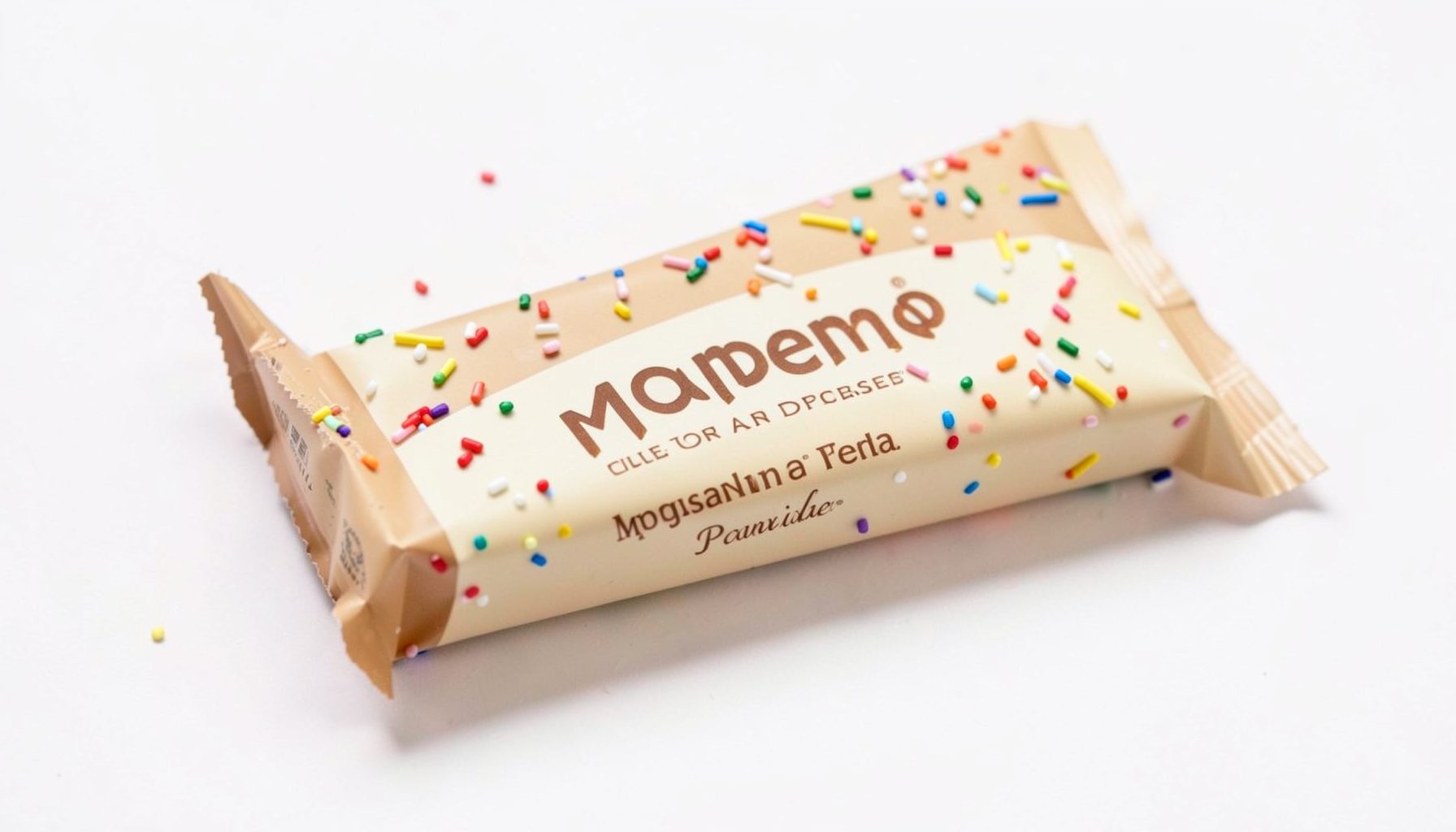
Birthday Cake
Celebratory flavor with a sweet, cake-inspired profile. Available in 1-pack and 10-pack.

Cinnamon
Warm spiced chocolate with a smooth finish. Single bars and bulk packs available.
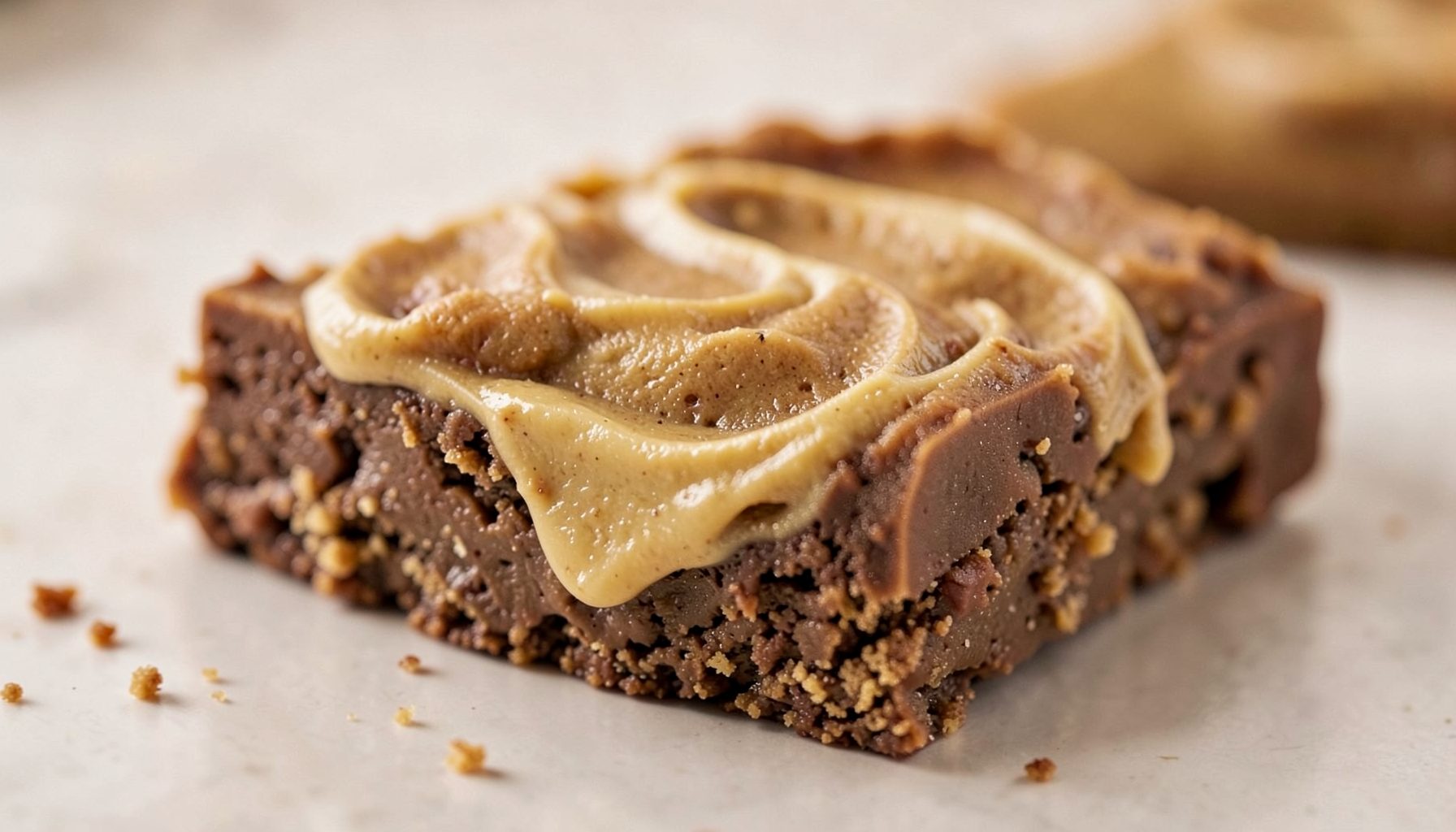
Cookie Butter
Rich, buttery cookie flavor in every bite. Offered in 1-pack and 10-pack options.

Cookies & Cream
Classic cookies-and-cream taste with a mushroom chocolate twist. 1-pack and 10-pack.
How Diamond Shruumz Makes Gummies Gluten-Free and Allergy-Friendly
What makes our gummies gluten-free and allergy-friendly comes down to more than a front-of-pack claim. It starts with a deliberate formulation, clear ingredient information and sensible controls around sourcing and production. For Australians managing coeliac disease or avoiding particular allergens, that evidence is essential. Shoppers can compare current flavours, pack formats and details on Diamond Shruumz gummies, then check the label for the exact product they intend to buy.
Gluten-free and allergy-friendly overlap, but they are not the same promise. Most gluten comes from wheat, barley and rye, while oats can raise a separate cross-contact concern. Food allergies and sensitivities may involve peanuts, tree nuts, milk, egg, soy, sesame, fish, shellfish, lupin and sulphites. A gummy can avoid wheat yet still contain soy, so an Australian buyer needs the ingredient list and allergen declaration for the exact flavour, not a broad idea about mushrooms.
That distinction matters when a gummy contains several mushroom extracts and functional ingredients. Every ingredient should have a defined role and source, while dosage should never be mistaken for allergen control. The useful checks are straightforward: What is in the gummy? Which shared equipment is involved? Can the maker explain a formulation change? Clear answers let customers across Melbourne, Brisbane or a small Tasmanian town make an informed choice without treating a lifestyle trend as medical advice.
Built Without Gluten-Containing Grains
Our gummies are formulated without wheat, barley and rye. The Australian Food Standards Code sets a limit of no more than 20 milligrams per kilogram for foods labelled gluten-free. Their chewy texture does not depend on wheat flour or wheat starch; it comes from the gelling and sweetening components selected for each recipe, including fruit-derived pectin and, where used, tapioca syrup or cane sugar. A product can therefore taste sweet and chewy while containing no cereal grain.
Gluten can also enter indirectly, so the full panel deserves attention. Malt, brewer’s yeast, wheat-derived glucose syrup and flour-based carriers are details worth spotting, while the mushroom source should be stated clearly. Checking the complete list, rather than only the mushroom blend on the front, shows whether a flavour stays within its intended gluten-free formulation. It is more reliable than assuming that a familiar-looking candy is automatically suitable.
Oats need particular care in Australia. A packet can identify oats while still being unsuitable for someone with coeliac disease if cross-contamination is not controlled. People following a strict medical diet should look for oats that have been specifically managed for contamination and ask the manufacturer about supplier controls if that detail is missing. Wheat-free and gluten-free should never be treated as interchangeable phrases.
Allergy-Friendly Means Checking the Whole Recipe
An allergy-friendly approach starts with a deliberate recipe and precise declarations, but it is not a blanket guarantee for every allergy. Diamond Shruumz provides flavour-specific ingredient information so shoppers can assess one product at a time, while people avoiding peanuts, tree nuts, milk, egg, soy or sesame must still check the particular allergen statement. Australia’s mandatory declarations are helpful because they bring these details onto the labelled pack; no general description of mushrooms can do that.
Plant-based does not automatically mean allergen-free either. A gummy may contain soy lecithin, while coconut requires individual attention and is handled differently from listed tree nuts under Australian labelling rules. If a recipe includes gelatin or beeswax, that is separate from gluten content and relevant to customers avoiding animal derivatives. People with multiple sensitivities should read the complete panel rather than relying on a front-of-pack symbol or the word “vegan”.
For severe allergies, even shared production equipment can change the decision. A responsible approach means disclosing shared equipment and cross-contact information, not pretending that “may contain” can be ignored. Where a seller has not supplied enough detail, further reading resources can help frame the questions to ask, while the maker remains responsible for the product label. Someone carrying an adrenaline autoinjector needs certainty, not a cheerful green leaf on the wrapper.
Ingredient Clarity, Dosing and Sourcing
Transparency means more than publishing a long list. On the product pages, shoppers can connect a flavour and pack size with the mushroom blend, complete ingredient panel and stated dose. A dose tells how much active material is present; it does not establish that a product is allergen-free. An extract may be gluten-free in itself, yet a carrier or processing aid elsewhere in the recipe could change that answer.
Ingredient transparency also depends on supplier information. Extracts, flavourings and gelling materials need clear specifications, and recipe changes should remain visible rather than quietly changing a source. This is where a quality-focused approach earns its value: anyone who needs documentation for a medical diet can ask for batch or quality information. Specific answers are more useful than broad terms such as “premium” or “clean”.
Clear visual evidence matters too. The construction-world practice of using a wide-angle lens captures an entire work area in one frame; similarly, an unedited, legible image of the food label lets a customer inspect the whole panel rather than trust a cropped marketing shot.
Practical Checks for Australian Buyers
In Australia, food labels are regulated through the Food Standards Code, so the ingredient list and allergen declaration are the first documents to read. “Free from” and similar claims must also be clear and not misleading under Australian consumer law. A responsible seller should be able to explain what the claim covers; an unsupported marketing phrase is not a substitute for a compliant label.
Shopping patterns here are distinctive. Many functional sweets sit in chemist or health-food aisles, including large chains such as Chemist Warehouse, while imported brands may arrive through direct online stores rather than Coles or Woolworths. They are usually confectionery or food supplements, not medicines, so marketing language should not be read like a therapeutic claim. Australian summer heat can also soften gummies in a warehouse or courier boot, making storage instructions worth checking.
Consistent habits are more useful than remembering a brand slogan months later, especially when buying for coeliac disease or a severe allergy. Before checkout, compare the current product panel rather than relying on an old screenshot or a previous flavour with a similar name.
- Read the ingredient list and allergen declaration for the exact flavour, because recipes and pack designs can change.
- Treat oats, malt and wheat-derived carriers as specific questions rather than assuming “mushroom” means the entire recipe is wheat-free.
- Save the product label and lot code, and contact the maker if a medical diet requires batch-level confirmation.
- Use the online gummy shop to confirm the current product name, pack size and ingredients before checkout.
The Detail Worth Remembering
The strongest support for gluten-free and allergy-friendly claims is a complete ingredient panel, clear sourcing and honest disclosure about shared equipment. A brand name, attractive packaging or awards can build trust, but they cannot replace product-specific evidence. Checking the flavour, batch and manufacturing context turns a general promise into a decision a customer can actually make.
Remember that “gluten-free” addresses a cereal protein, while “allergy-friendly” concerns a wider set of sensitivities and the conditions under which a product is made. Neither phrase guarantees zero risk for every person. The detail worth remembering is simple: verified ingredients and controlled handling are what make a gummy suitable for the customers it is genuinely intended to serve.

Send Us a Message
Get in Touch
Have questions about our products or your order? Reach out and we'll get back to you.
- California, USA
- Contact Page