
California • Est. 2019
Premium mushroom chocolate bars, gummies, and cones crafted in California. Bold flavors, uncompromising quality, and a brand built from the ground up.
Explore the CollectionOur Collection
Shruumz Chocolates & Gummies
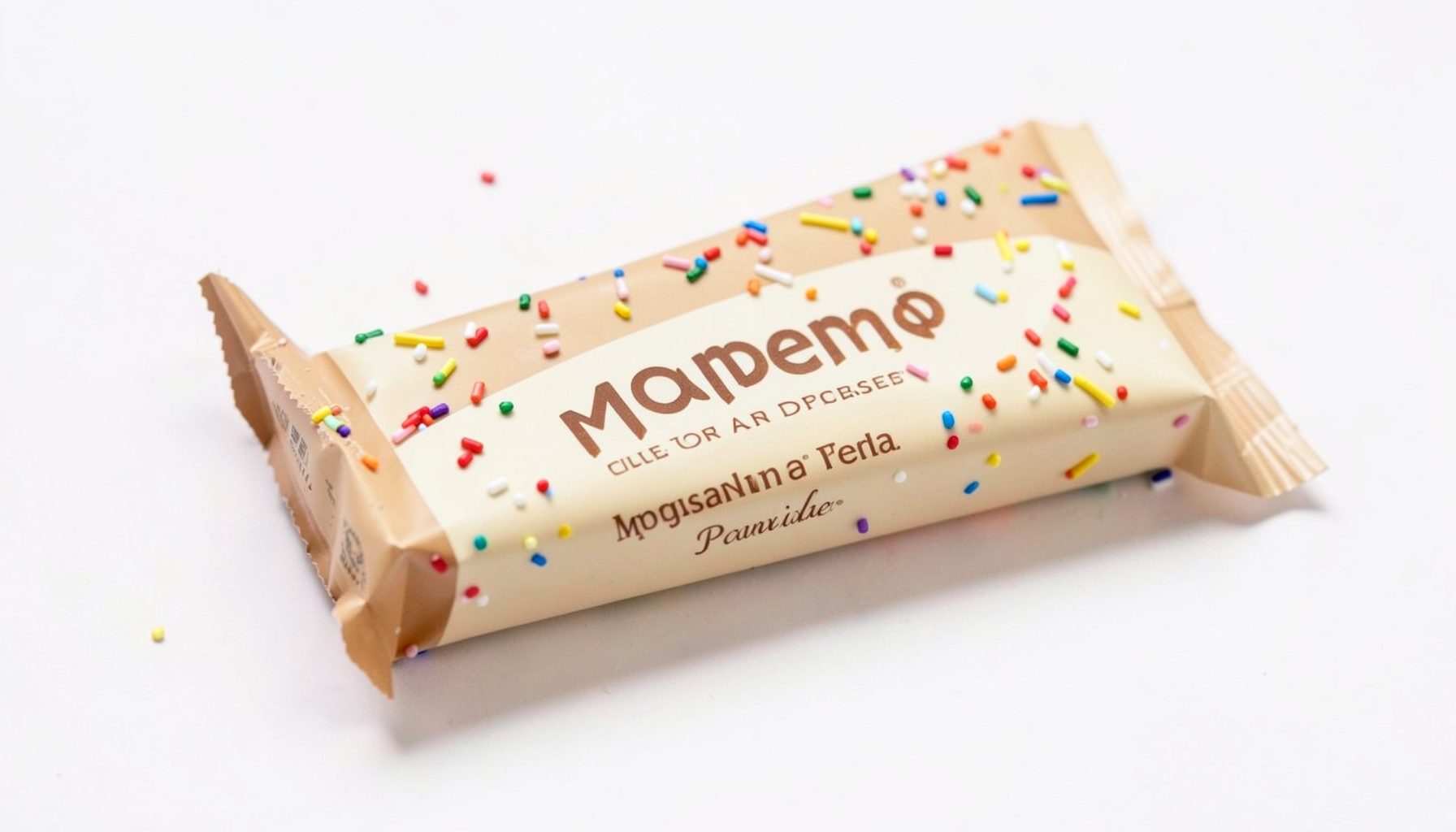
Birthday Cake
Celebratory flavor with a sweet, cake-inspired profile. Available in 1-pack and 10-pack.
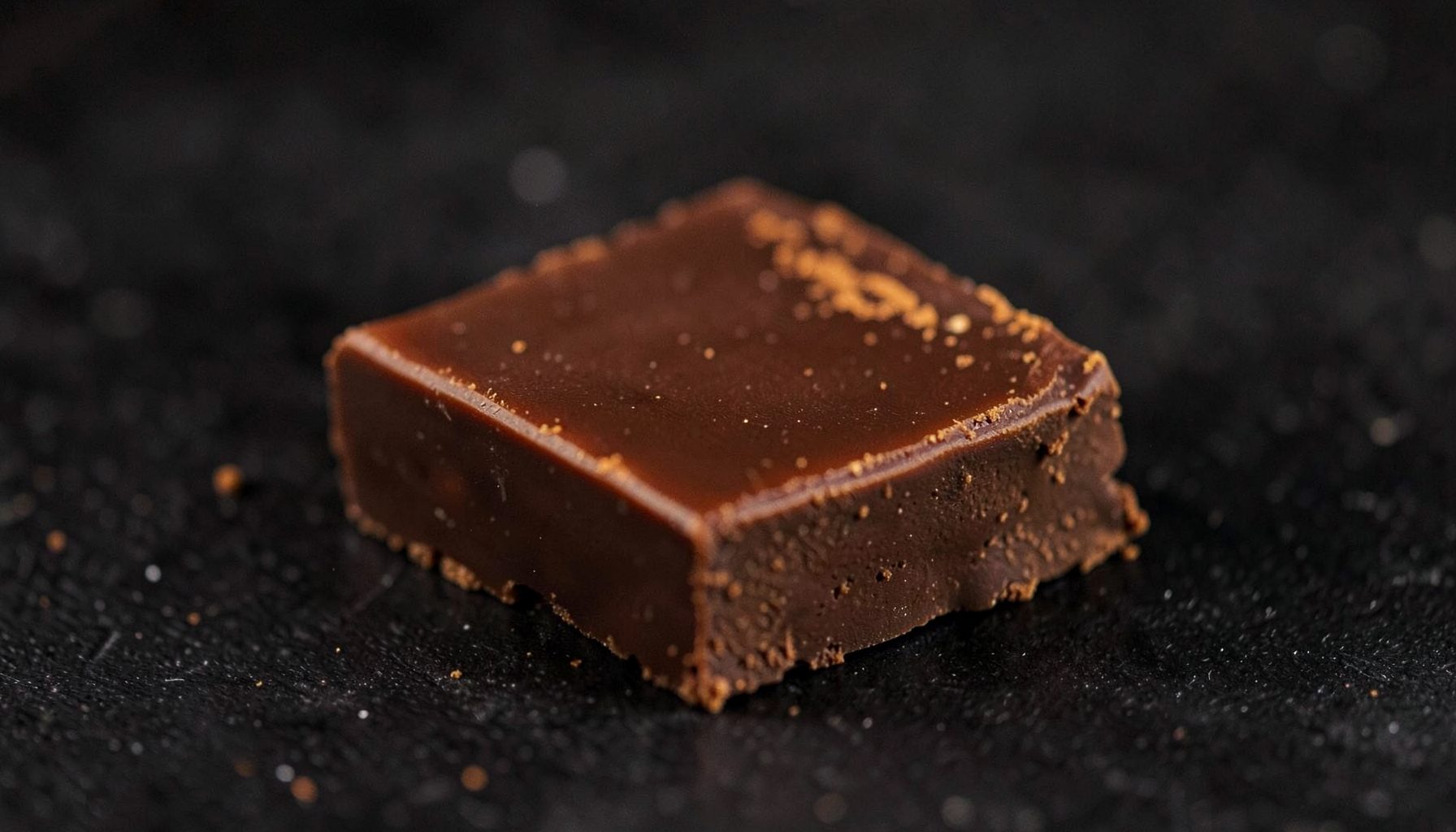
Cinnamon
Warm spiced chocolate with a smooth finish. Single bars and bulk packs available.
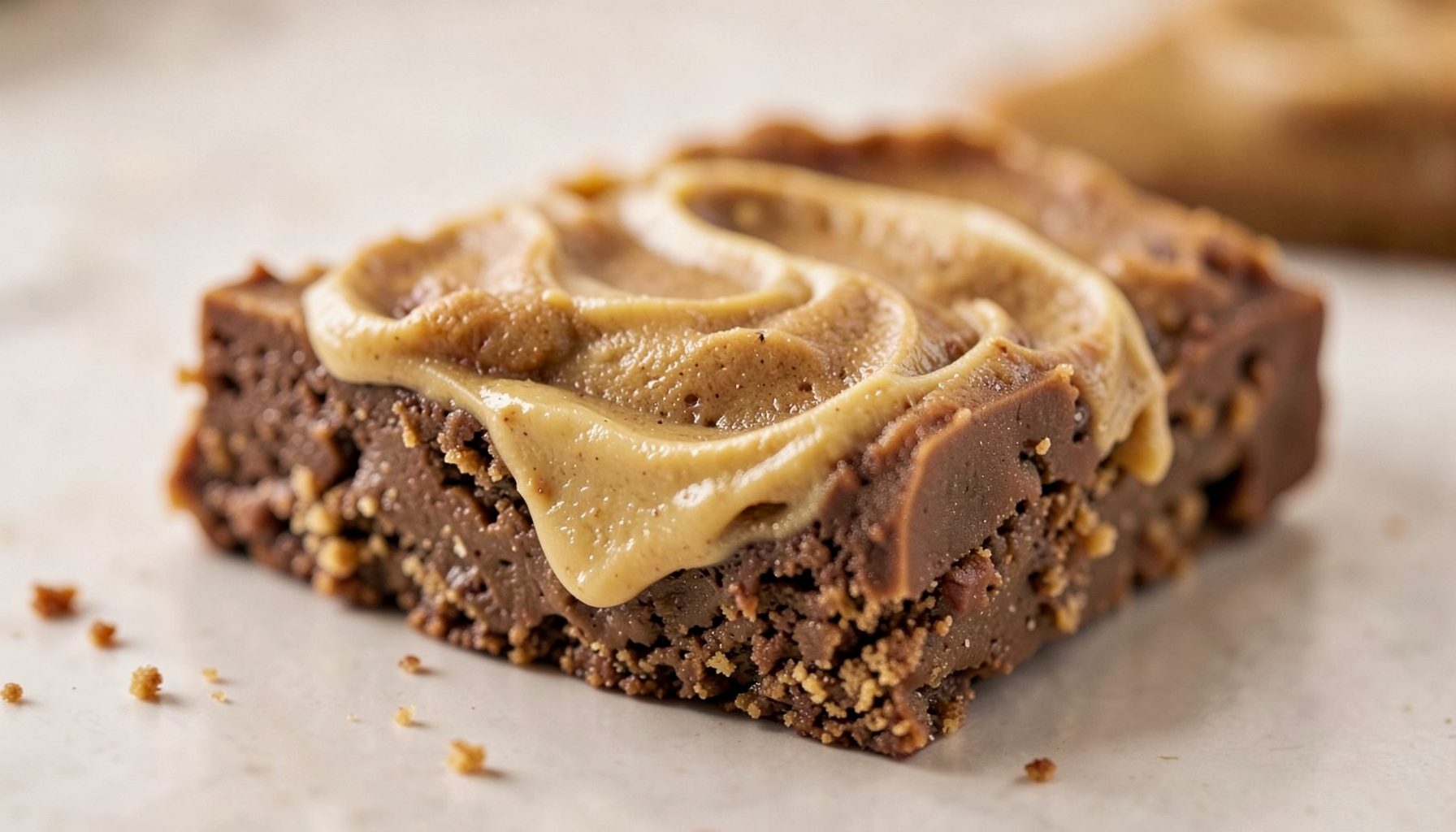
Cookie Butter
Rich, buttery cookie flavor in every bite. Offered in 1-pack and 10-pack options.
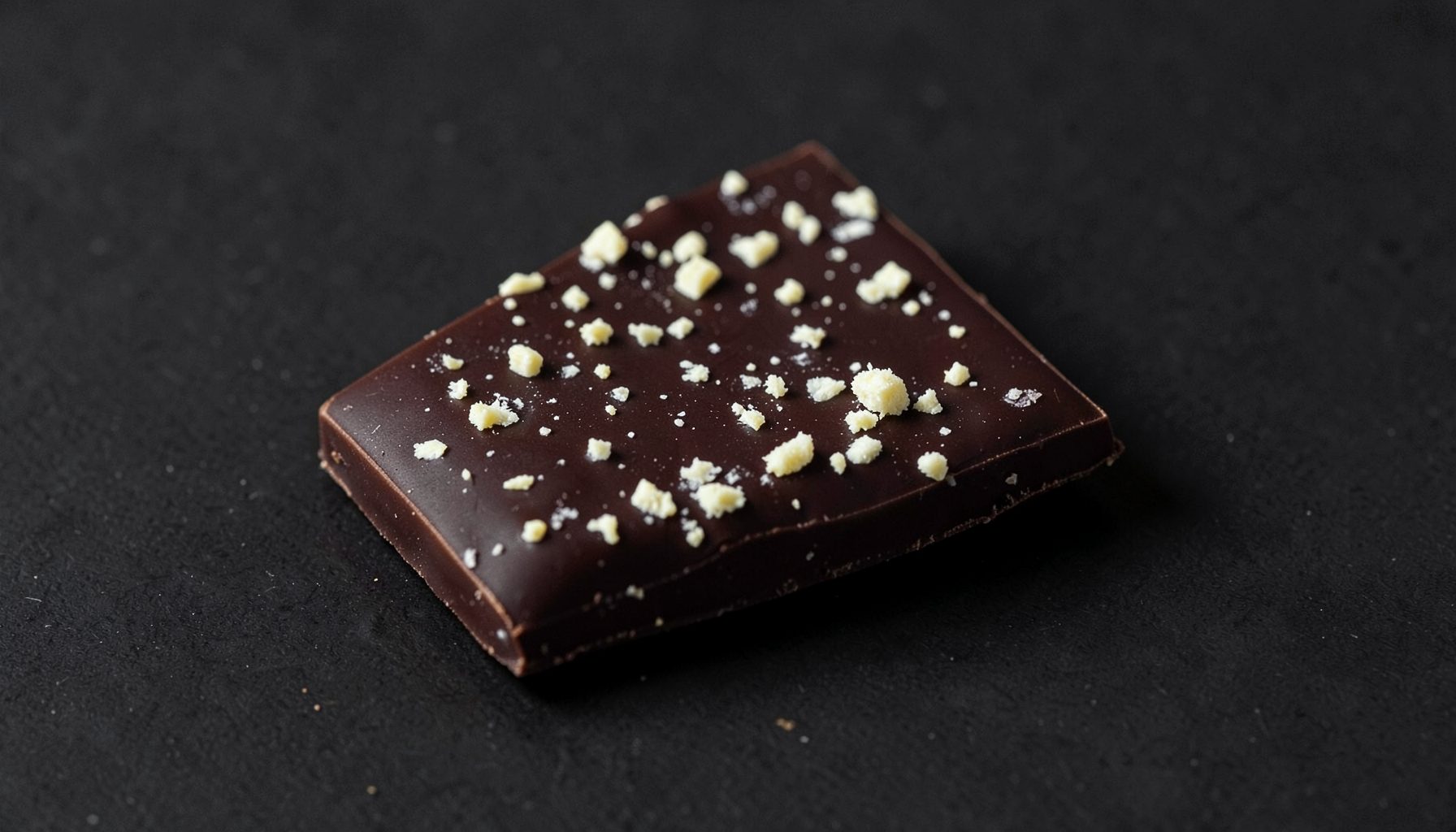
Cookies & Cream
Classic cookies-and-cream taste with a mushroom chocolate twist. 1-pack and 10-pack.
What Lab Reports Reveal About Cannabinoids in Specialty Products
A specialty edible can have a complicated identity. A chocolate bar, gummy or cone may be presented as a mushroom-infused product, yet its laboratory paperwork can also discuss cannabinoids, residual solvents, pesticides, microbes and the exact weight of each active compound. Reading those results carefully helps separate a product’s branding from its measurable contents.
For cannabinoid testing, the key document is usually a certificate of analysis, or COA. It should identify the tested batch, the sample type, the laboratory, the testing date and the analytical method. A clear report may list tetrahydrocannabinol (THC), cannabidiol (CBD), cannabinol (CBN), cannabigerol (CBG) and other cannabinoids in milligrams per serving or as a percentage by weight.
That distinction matters in Australia, where cannabis rules are tightly controlled. Medicinal cannabis is generally accessed through a prescription and the Therapeutic Goods Administration (TGA) oversees the regulated pathway. Recreational cannabis remains unlawful in most circumstances, with rules and enforcement varying across states and territories. A product sold online is not automatically legal to import, possess or consume in Sydney, Melbourne, Brisbane or elsewhere.
Lab data also gives shoppers a way to ask more precise questions. Rather than relying on phrases such as “natural,” “strong” or “premium,” readers can check whether a report supports the stated cannabinoid profile, whether the serving size is clear and whether the product is free from contaminants. That is especially important when a product combines mushroom ingredients with chocolate, confectionery or botanical extracts.
Cannabinoid Results Need More Than a Single Number
A cannabinoid result should be read alongside the unit used. “10 mg THC per serving” is different from “10 mg THC per package,” while “0.1% THC” describes concentration rather than the amount in one gummy. A report that fails to define the serving size can make a seemingly precise claim difficult to interpret.
The total cannabinoid figure may also include several compounds. A product could show detectable CBD and CBG with no measurable THC, or it might list THC below the laboratory’s reporting limit. “ND,” meaning not detected, does not always mean absolute zero; it generally means the compound was not detected above the method’s limit of detection or quantification.
For an edible, consistency across the batch is just as important as the headline result. If a report gives a range, readers should look for the permitted variation and compare it with the label. Uneven distribution can mean that two pieces from the same pack do not contain identical amounts, which is a practical concern when products are shared or consumed at different times.
What A Complete Certificate Should Show
A credible COA usually carries a batch or lot number that can be matched to the packaging. It should name the laboratory and provide a report date, sample receipt date and testing method. A QR code may make access easier, but a code alone is not proof of authenticity if it leads to a generic page rather than a batch-specific document.
The report may include a cannabinoid potency panel alongside safety screens. Common checks include heavy metals, microbial contamination, mycotoxins, pesticides, residual solvents and water activity. For chocolate and gummies, those broader tests matter because fats, sugars and moisture can affect shelf stability and microbial risk.
The sample description deserves attention too. A test on a raw ingredient does not necessarily describe the finished cone or chocolate bar. The strongest evidence is a report for the final packaged item, with the same flavour, format and lot reference shown on the label. Buyers considering a chocolate bar collection should be able to distinguish product-level information from general brand testing.
Mushroom Positioning Does Not Explain Cannabinoid Content
Mushroom-focused branding and cannabinoid chemistry are separate matters. A product may contain functional mushroom ingredients, flavour compounds and a cannabinoid preparation, or it may contain no cannabinoids at all. The ingredient panel and COA should clarify which situation applies instead of leaving consumers to infer it from names, artwork or marketing language.
Cannabinoid testing also cannot confirm every claim made about an edible. A potency panel can show how much of a compound was detected in the sample, but it does not prove a particular mood, wellness effect or recreational experience. Those responses vary with body size, tolerance, other medicines, food intake and individual sensitivity.
For Australian readers, this separation is especially important because the local market has its own boundaries. “Hemp” on packaging does not mean a product is automatically equivalent to prescribed medicinal cannabis, and an item available through an overseas website may still raise customs, state-law or therapeutic-claims issues. A Saturday purchase made casually online can have different legal implications from a product dispensed through an authorised Australian pathway.
Packaging Claims Should Match The Evidence
The most useful comparison is between the label, the COA and the actual serving instructions. If the package states a cannabinoid amount per gummy, the laboratory document should support that figure for the same batch. If the product contains a blend, the report should identify the relevant compounds rather than presenting only a combined “total cannabinoids” figure.
Look for language that describes the limits of the testing. A report may provide a target potency, an actual measured result and an acceptable variance. It may also explain whether results are reported on an “as received” basis or adjusted for moisture. Those details are technical, but they prevent misleading comparisons between products.
Consumers who find a mismatch should retain the packaging, lot code and purchase record. A question about a specific report is more useful when it includes the flavour, format and batch identifier. For product documentation or batch clarification, the brand’s contact page is the appropriate place to request information rather than relying on screenshots shared in a social media group.
Practical Checks Before Reading A Product Claim
A careful review does not require specialist laboratory training. It does require slowing down long enough to check whether the evidence relates to the exact item in hand and whether the terminology has been used consistently.
These checks help make a report easier to assess:
- Match the COA’s lot number with the code printed on the package.
- Confirm whether the stated amount applies per piece, serving or entire pack.
- Check THC, CBD and other cannabinoids individually where results are available.
- Treat “ND” as a reporting-limit statement, not proof of absolute zero.
- Look for the test date, laboratory identity and analytical method.
- Review contaminant and microbial screens alongside potency results.
- Check Australian legal and import requirements before ordering or carrying any product.
A report that covers only cannabinoid concentration is incomplete as a quality picture. Safety screens, storage instructions and a transparent ingredient list are equally relevant for confectionery products that may sit in a warm parcel during an Australian summer. A gummy that travels from Perth to Adelaide or a chocolate item delivered across regional New South Wales needs packaging capable of protecting its texture and composition.
The most reliable interpretation is therefore modest: the document tells you what the laboratory detected in a particular sample under a particular method. It does not replace legal advice, a prescription, medical guidance or the need to follow the label.
When cannabinoid results are clear, batch-specific and supported by contaminant testing, consumers have a stronger basis for judging product transparency. The practical takeaway is simple: match the report to the package, read the units and limits carefully, and check Australian requirements before treating a specialty edible as suitable to buy or use.

Send Us a Message
Get in Touch
Have questions about our products or your order? Reach out and we'll get back to you.
- California, USA
- Contact Page