
California • Est. 2019
Premium mushroom chocolate bars, gummies, and cones crafted in California. Bold flavors, uncompromising quality, and a brand built from the ground up.
Explore the CollectionOur Collection
Shruumz Chocolates & Gummies
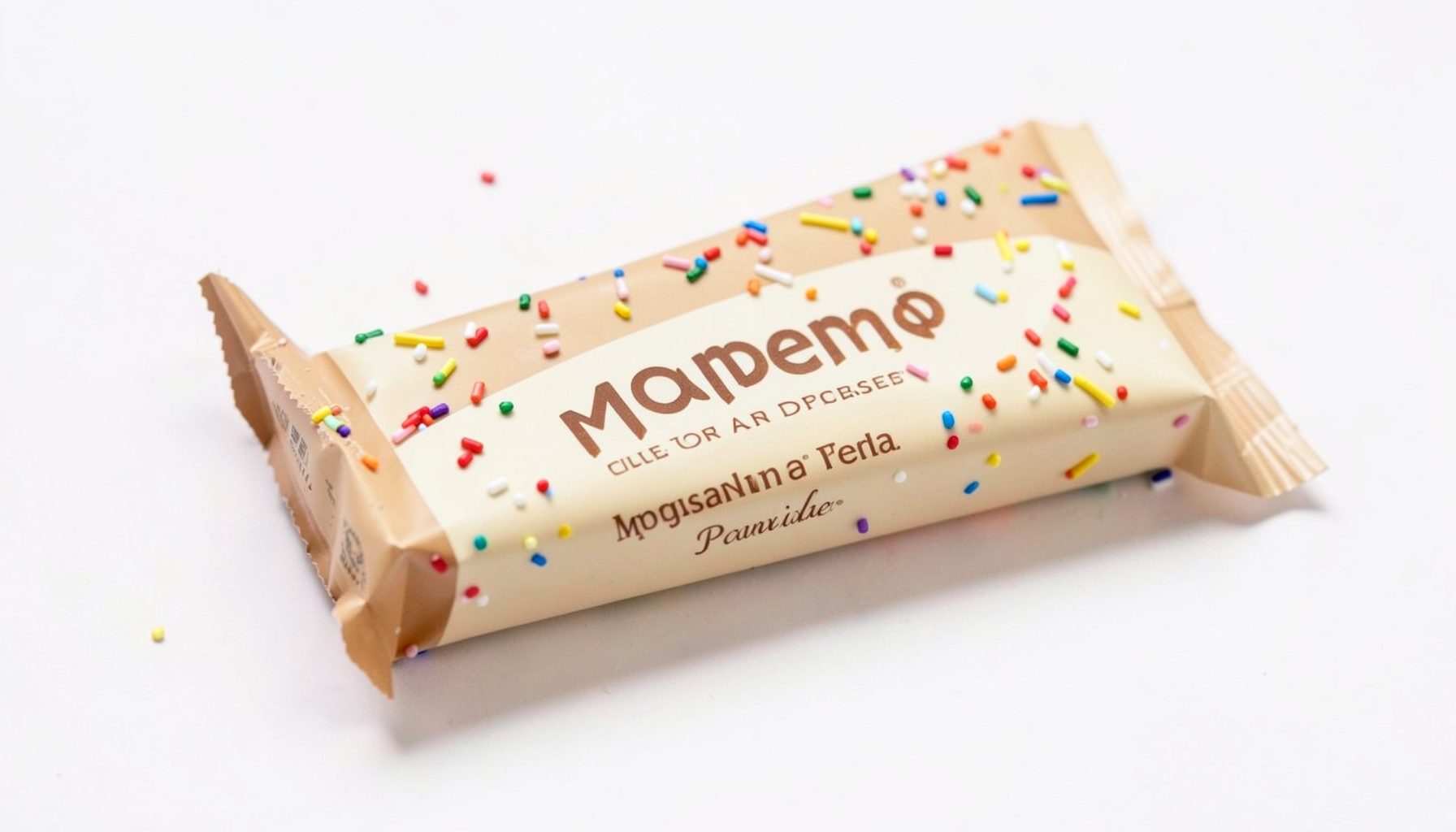
Birthday Cake
Celebratory flavor with a sweet, cake-inspired profile. Available in 1-pack and 10-pack.
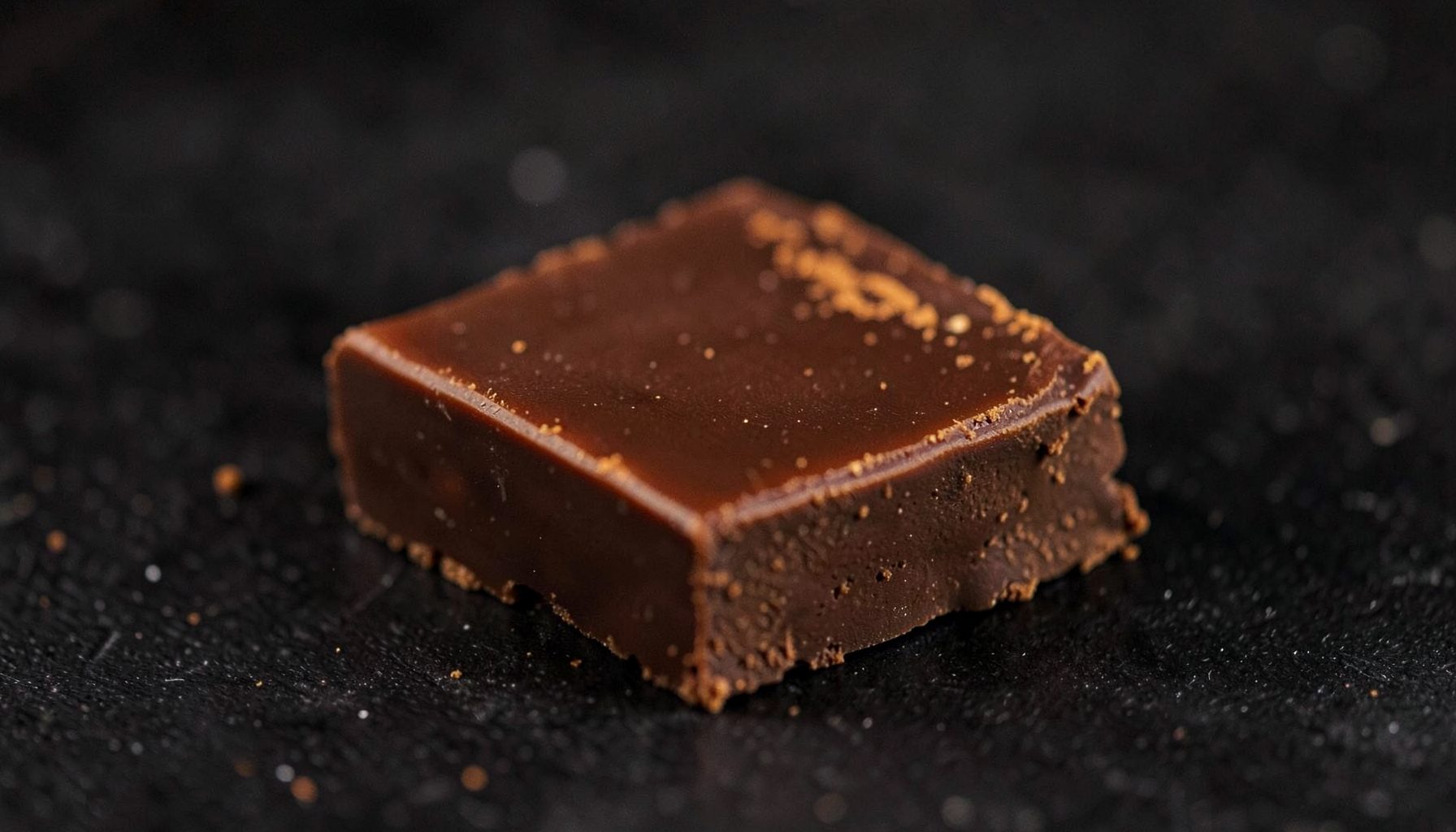
Cinnamon
Warm spiced chocolate with a smooth finish. Single bars and bulk packs available.
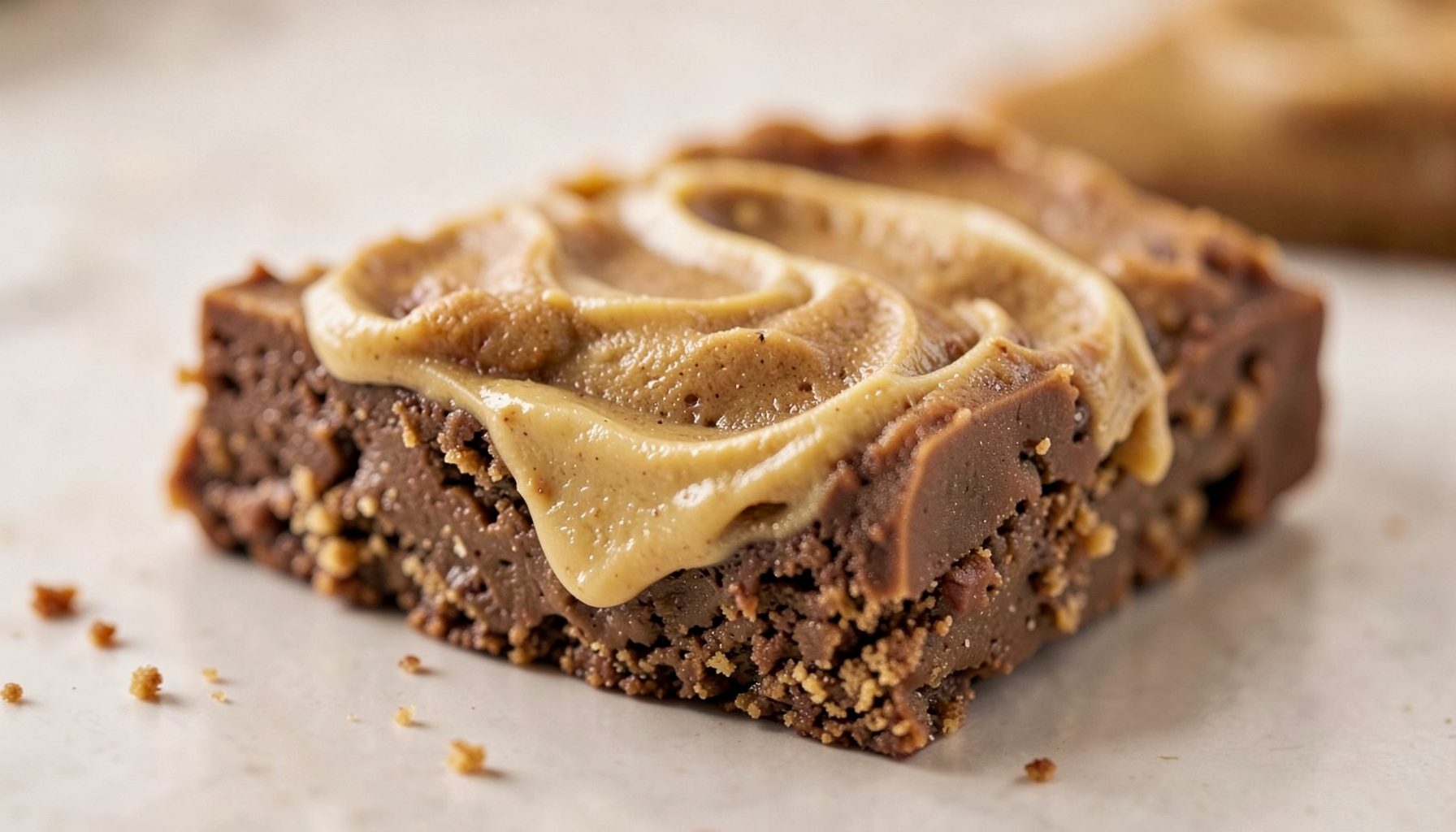
Cookie Butter
Rich, buttery cookie flavor in every bite. Offered in 1-pack and 10-pack options.
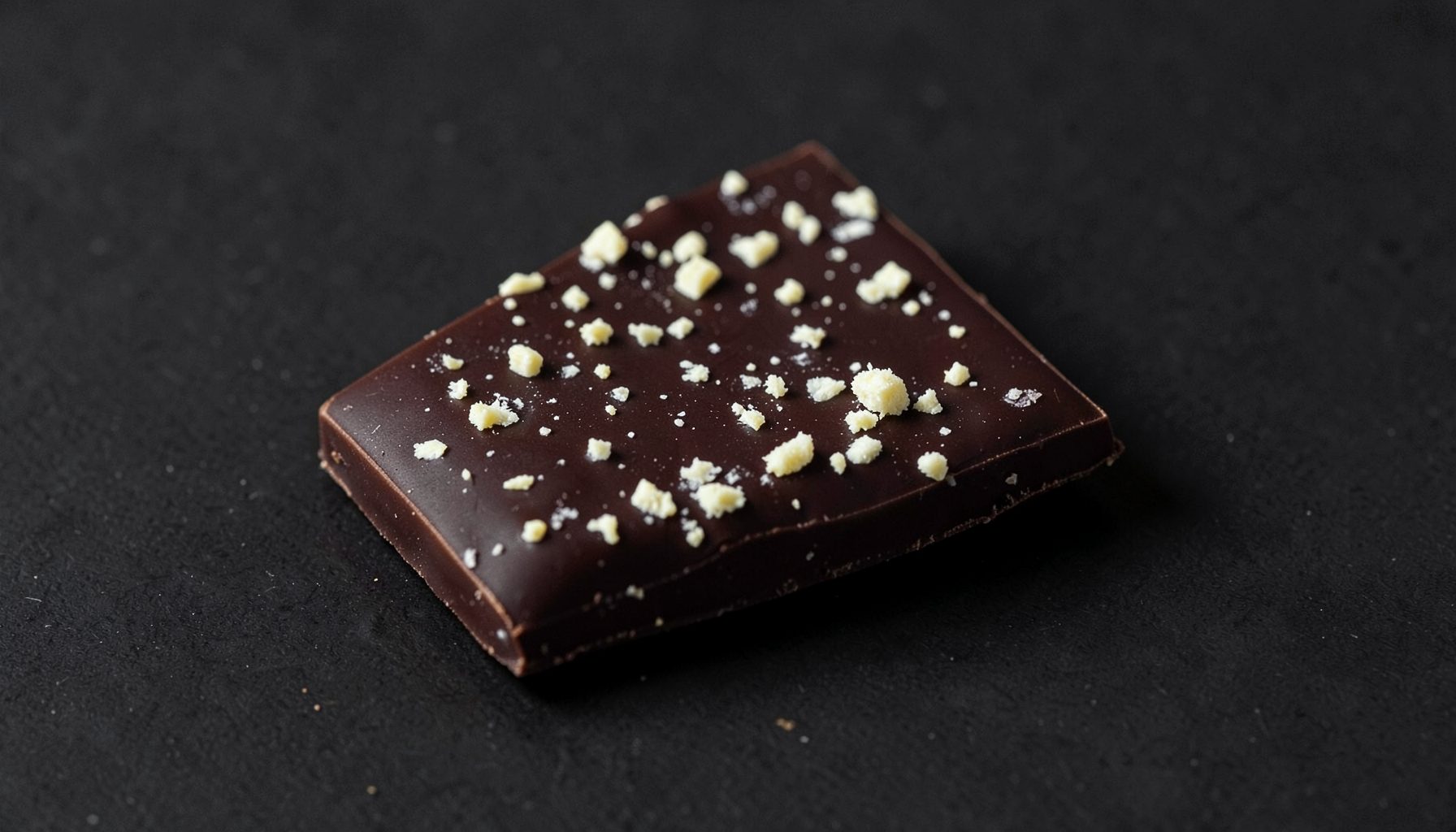
Cookies & Cream
Classic cookies-and-cream taste with a mushroom chocolate twist. 1-pack and 10-pack.
What Our Quality Control Team Looks for in Every Batch
A mushroom chocolate, gummy, or cone should offer a consistent experience from the first pack to the last. That consistency begins well before a product reaches a customer’s cupboard. Our quality control process follows each batch through ingredient checks, production records, laboratory testing, packaging review, and final release.
The phrase “mushroom product” can cover very different formulas. Some products use functional mushroom extracts, while others may include additional botanical ingredients, flavours, sweeteners, or compounds that require careful assessment. For that reason, our team checks the complete formula rather than relying on a single headline ingredient.
Australian customers also have practical concerns that shape how products should be assessed. A bar delivered to Sydney in summer may encounter heat in transit, while gummies stored in Brisbane can face high humidity. People shopping from Melbourne, Perth, or regional areas need clear information about ingredients, serving guidance, storage, and applicable Australian rules.
Quality control is therefore broader than checking whether a product looks appealing. It is a documented system designed to identify variation early, verify supplier information, protect product integrity, and communicate responsibly about what each item contains.
Ingredient Identity And Supplier Checks
Every batch starts with approved raw materials and reliable documentation. The team reviews supplier specifications, certificates of analysis, allergen statements, country-of-origin information, and storage requirements. Ingredients are matched against the approved formula before they enter production, helping prevent substitutions or unrecorded changes.
Mushroom extracts receive particular attention because the species, growing medium, extraction method, and concentration can all affect the finished material. Flavour ingredients, colours, cocoa, gelatin or pectin, and sweeteners are checked as part of the same system. A familiar ingredient name does not replace the need for identity and purity records.
The incoming-material review commonly covers:
- Correct ingredient and supplier identity
- Lot numbers and expiry or retest dates
- Allergen and dietary declarations
- Storage, transport, and handling conditions
This approach is useful for Australian shoppers comparing products online, where a product page may provide less detail than the packaging itself. It also supports traceability if a question arises about a particular lot.
Potency And Formula Consistency
A controlled recipe is essential for products sold in multiple formats and flavours. Chocolate bears, gummies, bars, and cones can behave differently during mixing, depositing, cooling, and packing. Our checks compare the actual batch against the approved formulation, including target fill weight, ingredient quantities, texture, appearance, and flavour profile.
Where a product contains a measured mushroom extract or other active component, laboratory results are reviewed against the intended specification. The goal is to reduce batch-to-batch variation, not to promise a particular mood, health outcome, or recreational effect. Individual responses can differ, and product testing cannot predict how every person will react.
Sampling plans also matter. A sample taken from the top of a mixing vessel may not represent the entire run, so quality systems define when and where samples are collected. Results are reviewed alongside production records before a release decision is made.
For Australian customers, serving information should be especially easy to understand. Metric measurements, clear piece counts, storage instructions, and warnings help people avoid confusing a pack size with a recommended serving. Consumers should also check whether a product is permitted for sale or import in their location, since Australian requirements can differ from those applying in the United States.
Microbial And Contaminant Screening
Food safety testing looks for hazards that cannot be identified by sight, smell, or taste. Depending on the product and risk assessment, testing may cover organisms such as Salmonella, Escherichia coli, yeast, and mould. Water activity, moisture, and pH can also be relevant because they influence shelf stability.
The team considers possible chemical and physical hazards as well. Supplier controls and laboratory screening may address heavy metals, pesticides, residual solvents, foreign material, or undeclared allergens where appropriate. The exact testing panel depends on the ingredient profile, manufacturing process, and risk level of the finished item.
Important release checks may include:
- Microbial results within the approved specification
- Contaminant screening suited to the formula
- Packaging inspection for foreign material
- Allergen controls and cleaning verification
A passing visual inspection is never treated as a substitute for suitable testing. Chocolate bloom, a soft gummy, or a slight colour difference may have a quality explanation, while contamination can remain invisible. Investigation records help distinguish harmless variation from a reason to hold or reject stock.
Manufacturing Controls And Environmental Conditions
Good ingredients can still produce an unsuitable result if the manufacturing environment is poorly controlled. Production areas are checked for hygiene, equipment condition, pest control, cleaning effectiveness, and appropriate separation of materials. Staff procedures help reduce cross-contact between recipes, particularly where common allergens are handled.
Temperature and humidity are important for confectionery. Chocolate can develop bloom when exposed to heat fluctuations, and gummies may change texture if moisture enters the pack. These risks are relevant in Australian conditions, especially during summer transport through inland areas or humid coastal regions such as Brisbane and Darwin.
Equipment checks support accurate filling and mixing. Scales, thermometers, and other measuring devices should be maintained and calibrated according to documented procedures. If a reading falls outside the expected range, the affected material is placed on hold while the cause and impact are assessed.
Packaging, Labelling And Traceability
Packaging is part of quality protection, not merely presentation. Seals, closures, wrappers, and barrier materials are examined to help protect the product from air, light, heat, and moisture. The finished pack should also remain identifiable throughout its shelf life, with a visible lot code and appropriate date information.
Labels are checked against the approved artwork and formula. This review can include the ingredient list, allergen information, net quantity, serving details, storage advice, and required warnings. Marketing language receives attention as well, because statements about wellness or therapeutic benefits may create regulatory concerns.
Australia has its own food and therapeutic framework. Products making therapeutic claims may fall under the Therapeutic Goods Administration, while food labelling and composition can involve Food Standards Australia New Zealand requirements. A mushroom product should not be assumed to be lawful in Australia simply because it is available overseas; prohibited substances, import controls, and state or territory rules can apply.
Traceability links the finished pack to the ingredients, equipment, operators, test results, and release record used to make it. If an issue is reported, that information allows the relevant lot to be investigated without treating every product as identical.
How To Read A Certificate Of Analysis
A certificate of analysis, or COA, is useful only when it clearly relates to the product and lot being assessed. Our team checks the laboratory identity, report date, sample description, lot number, test methods, units, limits, and results. A document that lists a company name but no matching batch information provides limited assurance.
The test panel should also make sense for the product. A COA may include potency, microbiology, heavy metals, pesticides, or residual solvents, but one report does not automatically cover every possible risk. Customers can read the COA guide to understand why laboratory accreditation, sample traceability, and complete results matter.
A laboratory result is one part of the control system. It should be reviewed with supplier records, manufacturing data, packaging checks, and the final label. When a result is unexpected, the batch remains on hold until the quality team determines whether retesting, investigation, correction, or rejection is appropriate.
Release Decisions And Customer Information
A batch is released only after required records are complete and results meet the approved specifications. This review includes unresolved deviations, damaged packaging, unusual sensory findings, missing documentation, and any mismatch between the product made and the product described on the label.
Customer information should support sensible use rather than encourage guesswork. For people building an evening wind-down routine, our guidance on a relaxation routine focuses on setting, pacing, and responsible habits rather than making medical promises. Products should be kept away from children and pets, stored as directed, and used only in accordance with applicable local requirements.
Australian customers should also consider delivery and storage after purchase. A sealed product can still be affected by a hot mailbox, a car, or prolonged exposure to humidity. Checking the pack on arrival, following the stated storage instructions, and contacting the seller about damaged or questionable packaging are practical parts of product care. When ready to review available pack sizes, customers can shop the collection.
A reliable batch record should answer three practical questions: what went into the product, what checks it passed, and which lot reached the customer. Before opening any mushroom-infused product, read the label, verify the batch information, store it in a cool suitable place, and follow the stated serving and safety directions.

Send Us a Message
Get in Touch
Have questions about our products or your order? Reach out and we'll get back to you.
- California, USA
- Contact Page