
California • Est. 2019
Premium mushroom chocolate bars, gummies, and cones crafted in California. Bold flavors, uncompromising quality, and a brand built from the ground up.
Explore the CollectionOur Collection
Shruumz Chocolates & Gummies
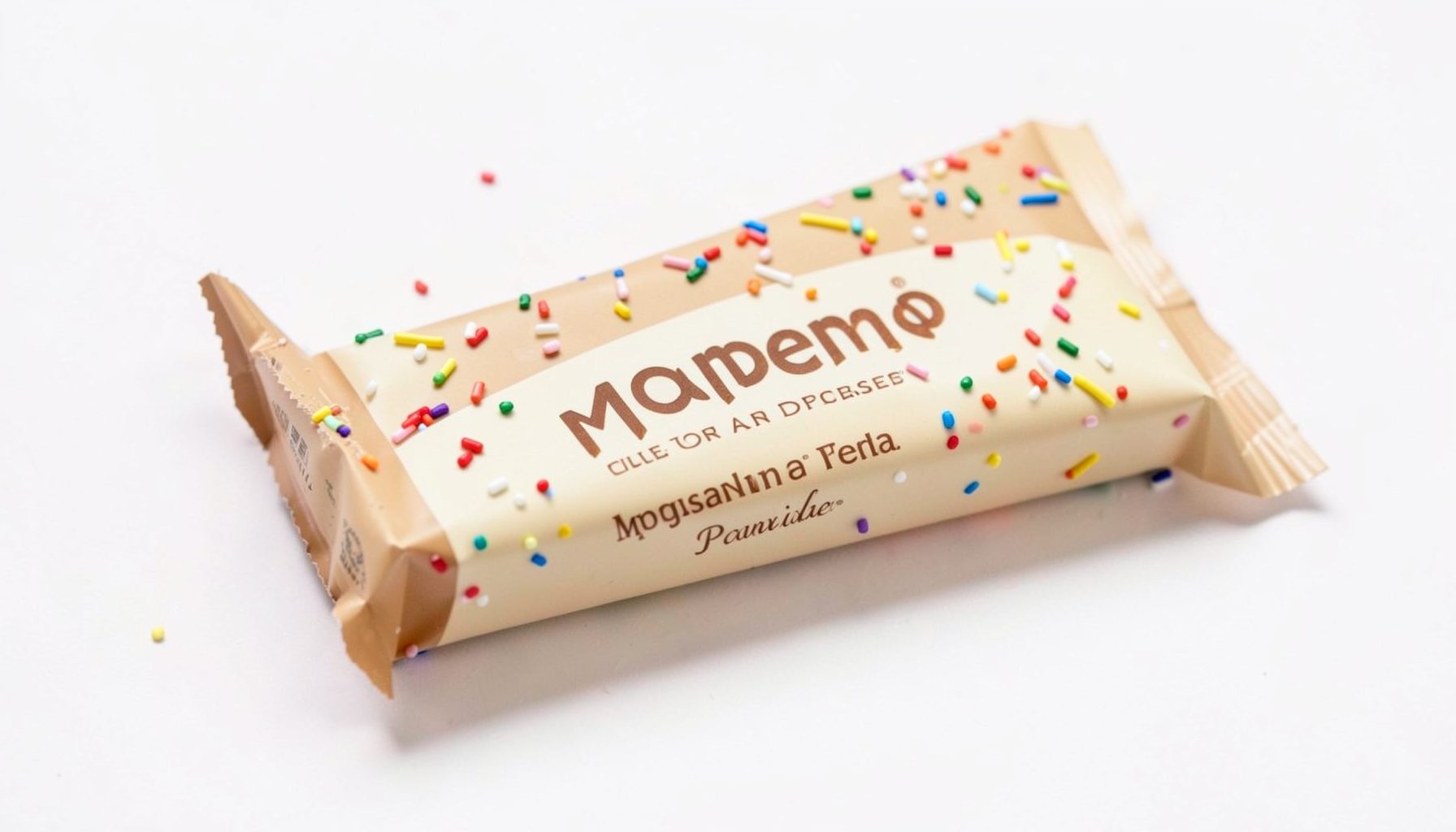
Birthday Cake
Celebratory flavor with a sweet, cake-inspired profile. Available in 1-pack and 10-pack.
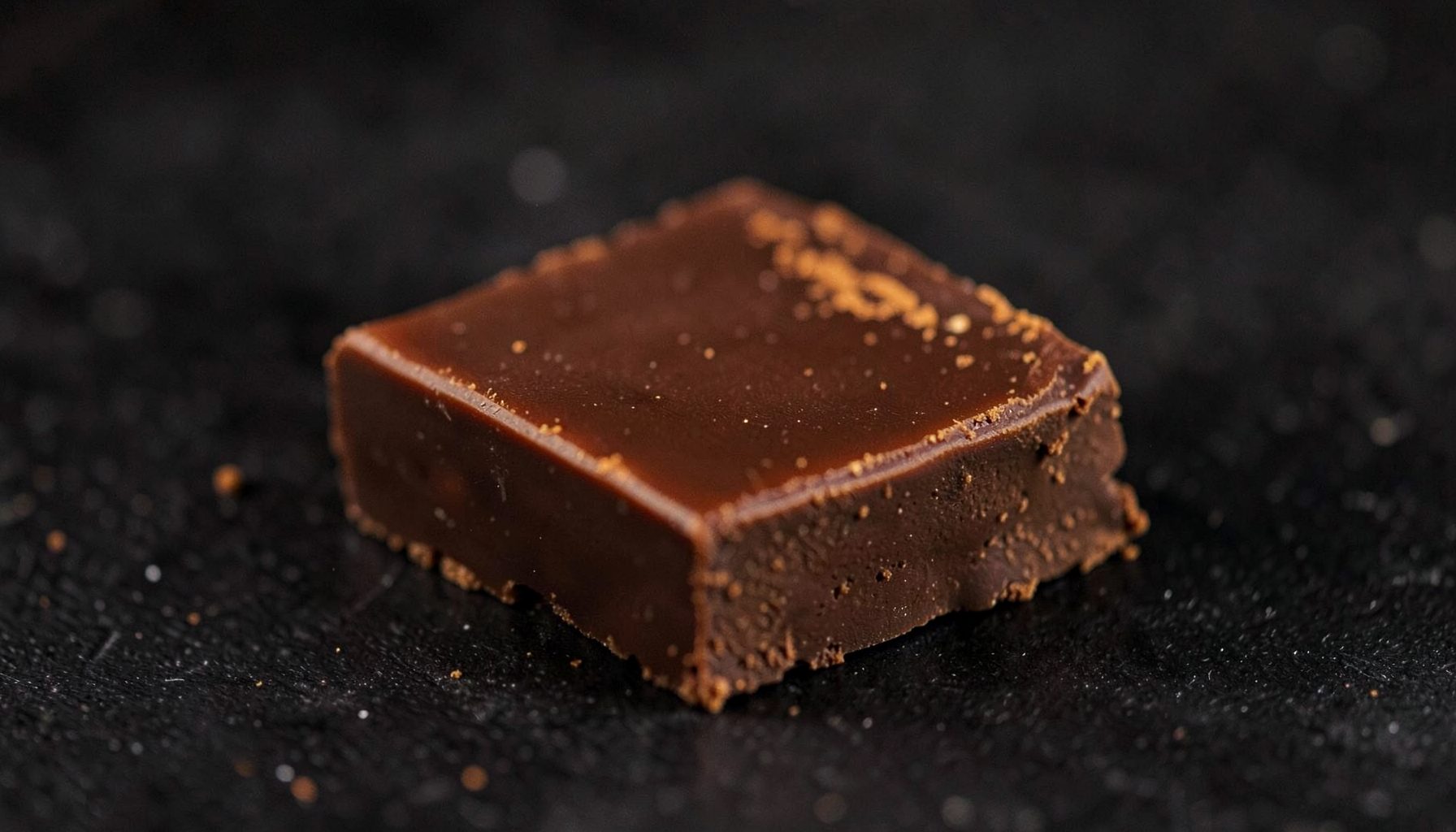
Cinnamon
Warm spiced chocolate with a smooth finish. Single bars and bulk packs available.
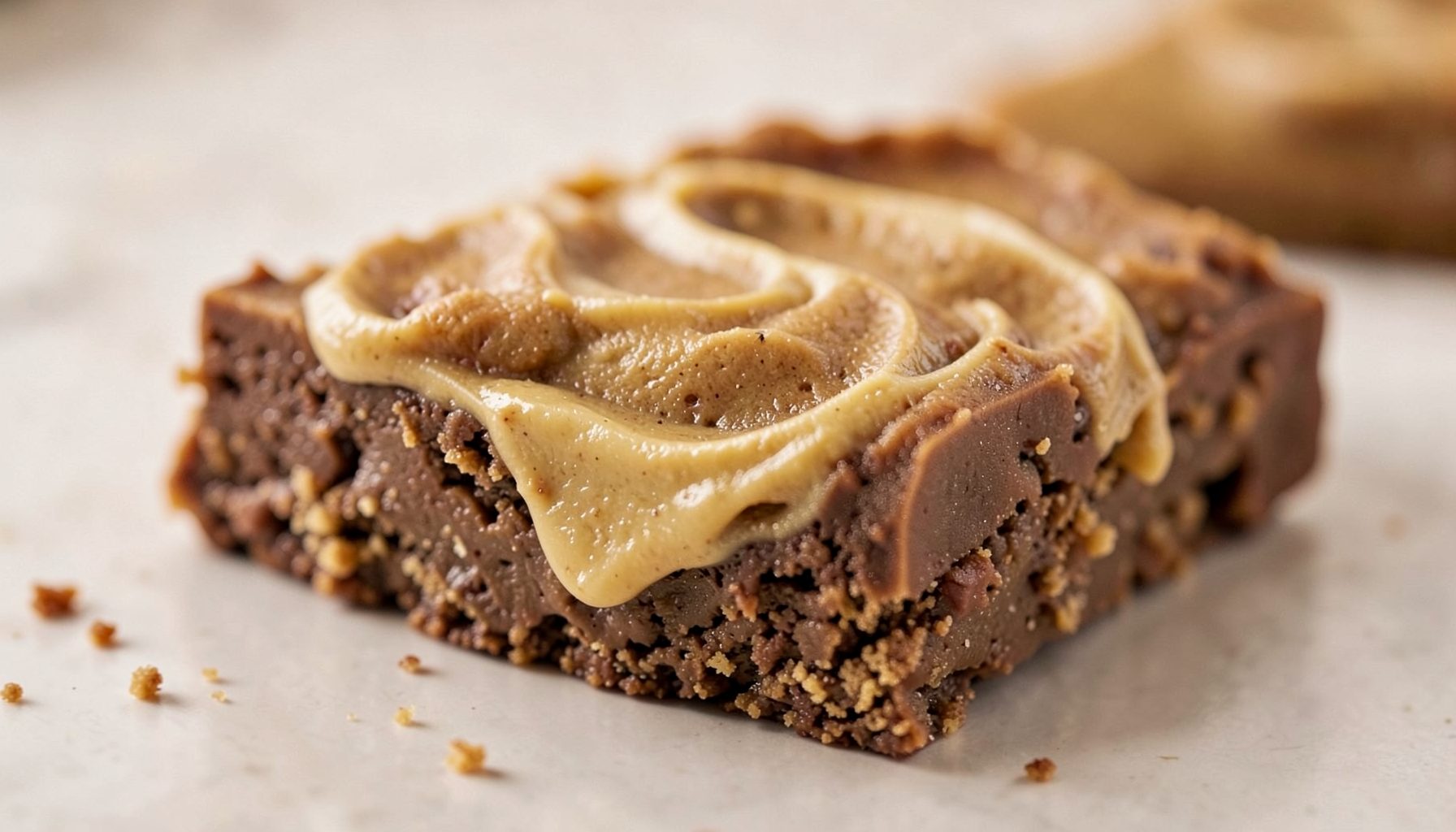
Cookie Butter
Rich, buttery cookie flavor in every bite. Offered in 1-pack and 10-pack options.
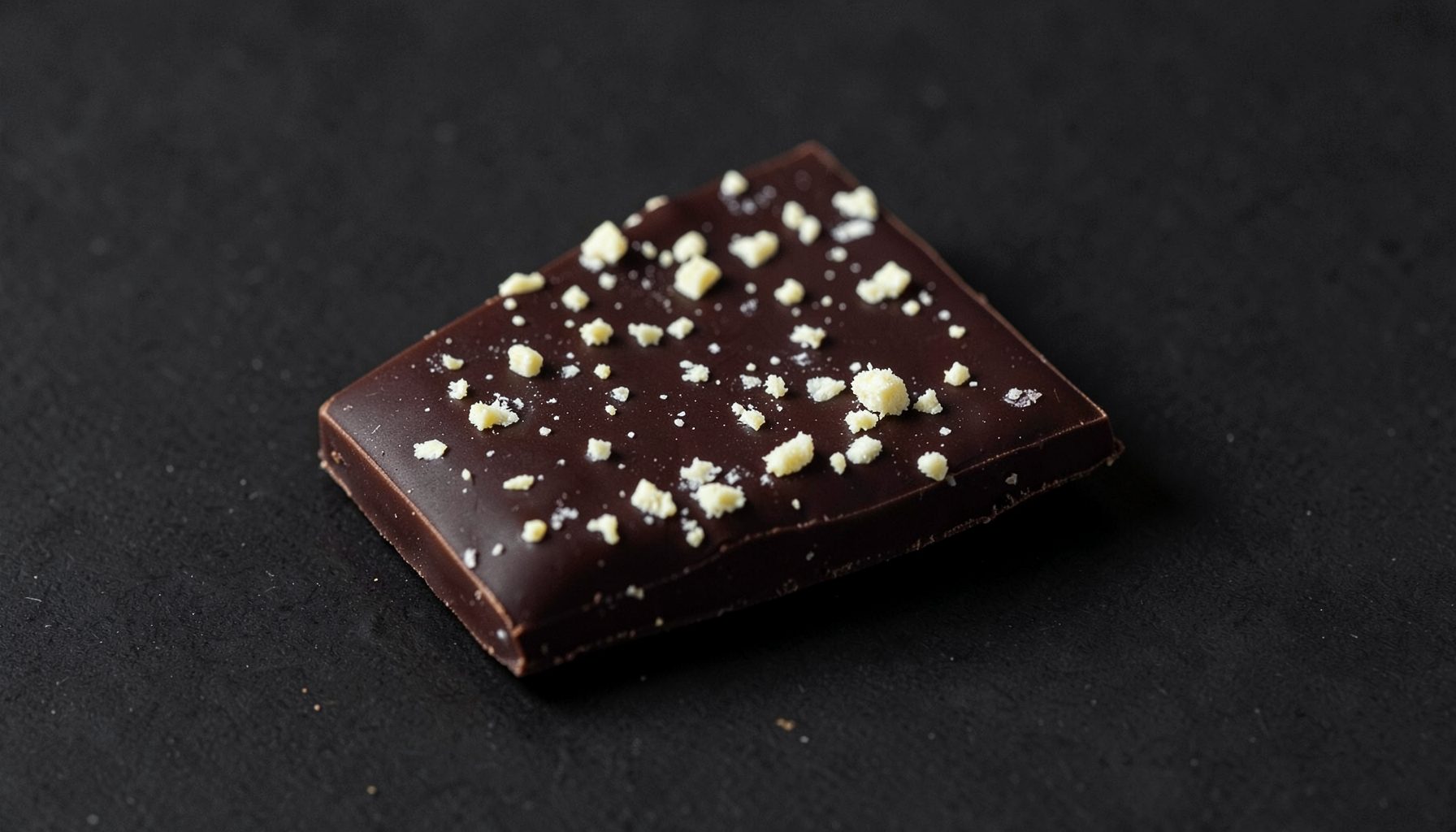
Cookies & Cream
Classic cookies-and-cream taste with a mushroom chocolate twist. 1-pack and 10-pack.
Reading The Mushroom Label On Your Gummy
A mushroom gummy can look simple on the shelf: a colourful pouch, a flavour name and a suggested serving size. The important information is usually smaller. The ingredient panel, active-compound statement and warnings tell you far more about what is actually inside than the front-of-pack artwork.
For Australian shoppers, the word “mushroom” can describe very different products. A gummy may contain a culinary mushroom powder, a non-intoxicating functional extract, an Amanita preparation or a blend of several species. These ingredients do not have the same effects, risks or legal status.
A label also helps separate a named species from a marketing phrase. Terms such as “mushroom complex”, “proprietary blend” and “full-spectrum extract” may sound precise while leaving important details unclear. You need to look for the species, plant part, extraction method and amount per serve.
Product information can also change between markets. A gummy sold online from the United States may not meet Australian food, therapeutic-goods or customs requirements. Check the package in your hand rather than relying on a product photograph or a general description on a website.
Species Names And Strain Language
The first detail to find is the scientific or common name. Labels may identify Lion’s Mane, Reishi, Cordyceps or Turkey Tail, which are generally associated with functional mushroom products. A “strain” usually refers to a particular genetic line within a species, but many consumer gummies do not provide enough information to verify a true strain.
A label that says “mushroom blend” without listing individual species gives you less useful information. The same applies to a phrase such as “proprietary mushroom matrix” when the quantities are hidden. A named flavour, including berry or tropical varieties, describes taste rather than the mushroom’s identity.
Some products use “magic mushroom” language even when they contain no psilocybin. Others may use Amanita muscaria or isolated compounds associated with it. Those are separate from psilocybin-containing fungi and should not be treated as interchangeable. If the species or active ingredient is vague, the safest interpretation is that the product’s contents are uncertain.
Extract, Powder And Fruiting Body
“Fruiting body” refers to the visible mushroom structure, while “mycelium” is the network of fungal threads from which it grows. A label may state that the gummy contains fruiting-body powder, mycelial biomass or an extract made from either source. This distinction matters because the raw material and its concentration can differ substantially.
Extraction wording gives another clue. Hot-water extracts are commonly used for compounds that dissolve in water, while alcohol or dual extraction may be used for a broader group of constituents. “Full-spectrum” generally suggests that several naturally occurring components have been retained, but it does not automatically reveal their concentration or prove a particular effect.
Diamond Shruumz explains its position on full-spectrum extracts, which can help consumers understand how the brand describes this approach. Still, the package should tell you the actual mushroom material used in that specific gummy, rather than making you infer it from a general brand philosophy.
Active Compounds And Dose
A useful label states the amount of mushroom material or active compound per gummy and per recommended serving. “1,000 mg mushroom blend” may refer to the total weight of several ingredients, not 1,000 mg of one species. If the product lists a compound such as muscimol, ibotenic acid or psilocybin, its presence is more significant than a broad total-weight claim.
Look for serving size, maximum daily amount and the number of gummies in the pack. A pouch containing ten pieces may define one gummy as a serving, or it may recommend half or two pieces. Work out the amount per individual gummy before comparing products with different pack sizes.
Words such as “enhanced”, “potent” or “extra strength” are not measurements. A certificate of analysis, batch number and testing date are more useful because they may indicate whether the finished product was checked for identity, contaminants and declared potency. If these details are absent, do not assume the front label is a reliable dosing guide.
Blend Claims And Missing Information
A transparent ingredient panel should identify each mushroom, its form and its quantity. It should also list sweeteners, acids, colours, allergens and other active ingredients. Gummies can contain caffeine, herbs or cannabinoids alongside mushroom extracts, changing the overall profile and creating interactions that are easy to miss.
“Natural flavours” and “plant-based” describe broad categories rather than precise contents. A product marketed as vegan may still contain ingredients that are unsuitable for someone with a particular allergy or sensitivity. Read the mandatory allergen statement and storage instructions, especially in Australia’s warm summer conditions.
The brand background can provide useful context about a manufacturer’s products, history and quality claims. It should complement, not replace, the specific label and batch information. A brand page cannot tell you whether the particular pouch delivered to Brisbane, Perth or Adelaide has a different formula from an earlier release.
Australian Legal And Market Context
Australian rules make the product category especially important. Psilocybin is a controlled substance, although authorised psychiatrists may access it under a tightly restricted pathway for treatment-resistant depression. That does not make ordinary online mushroom gummies containing or claiming to contain psilocybin legal for general purchase or personal importation.
A gummy containing a non-psychoactive mushroom extract may sit in a different regulatory category, but its claims still matter. Therapeutic claims can bring a product within the scope of the Therapeutic Goods Administration, while foods and supplements are subject to other requirements. Products purchased through overseas websites may also be stopped at the border, even if they are easy to order from a phone in Sydney or Melbourne.
The Australian market has growing interest in mushroom coffee, powders and wellness supplements, especially through health-food shops, gyms and online retailers. Popularity is not proof of approval or consistent quality. Check whether the product is intended for sale in Australia, and be cautious with labels using American serving conventions, unfamiliar units or no Australian importer details.
Matching Labels To Your Situation
Your own circumstances affect how you interpret the package. Someone taking antidepressants, sedatives, blood-pressure medicines or diabetes medication should be cautious with concentrated botanical products and seek advice from a pharmacist or doctor. Pregnancy, breastfeeding, liver disease and allergies are additional reasons to avoid guessing from a vague label.
Do not combine an unfamiliar gummy with alcohol, cannabis or other psychoactive products. Avoid driving, cycling in traffic or operating equipment after taking anything described as intoxicating, relaxing or mentally stimulating. Effects may be delayed, particularly when a gummy contains a dense extract or when the recommended serving is unclear.
A product-finder tool may help explain flavour and format differences; Diamond Shruumz describes its online quiz as part of choosing a product. Treat that kind of guidance as a shopping aid rather than a medical assessment. The label’s ingredients, warnings and legal status remain the decisive information.
A Practical Label Check
Start with the exact species name, then identify whether the material is powder, mycelium, fruiting body or extract. Next, find the amount per gummy, the recommended serve and any named active compounds. If the wording only says “mushroom blend”, record that uncertainty rather than filling in the gaps with assumptions.
Then inspect the batch number, expiry date, manufacturer, country of origin, allergen statement and testing information. Search official Australian sources if the product makes therapeutic or psychoactive claims. For a questionable import, the Australian Border Force and TGA are more reliable references than customer reviews or social-media videos.
Reviews can describe taste, texture and personal impressions, but they cannot confirm the mushroom species or chemical content of a batch. A clear, specific label is a stronger starting point than an impressive flavour range or a high potency claim.
Before opening a gummy, photograph the front and back of the pack, write down every named ingredient and verify any controlled or therapeutic claim through the TGA and Australian Border Force websites.

Send Us a Message
Get in Touch
Have questions about our products or your order? Reach out and we'll get back to you.
- California, USA
- Contact Page