
California • Est. 2019
Premium mushroom chocolate bars, gummies, and cones crafted in California. Bold flavors, uncompromising quality, and a brand built from the ground up.
Explore the CollectionOur Collection
Shruumz Chocolates & Gummies
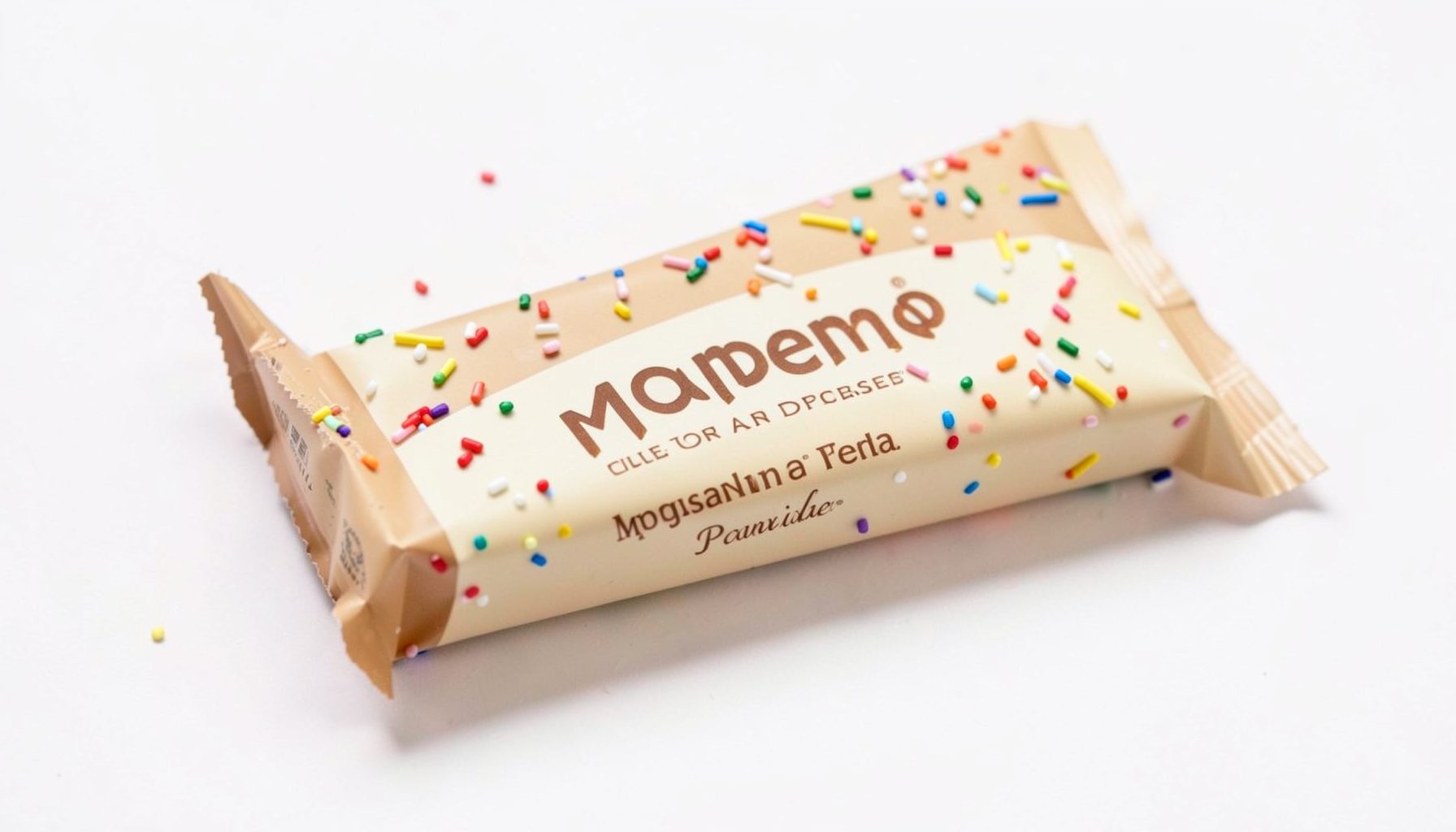
Birthday Cake
Celebratory flavor with a sweet, cake-inspired profile. Available in 1-pack and 10-pack.
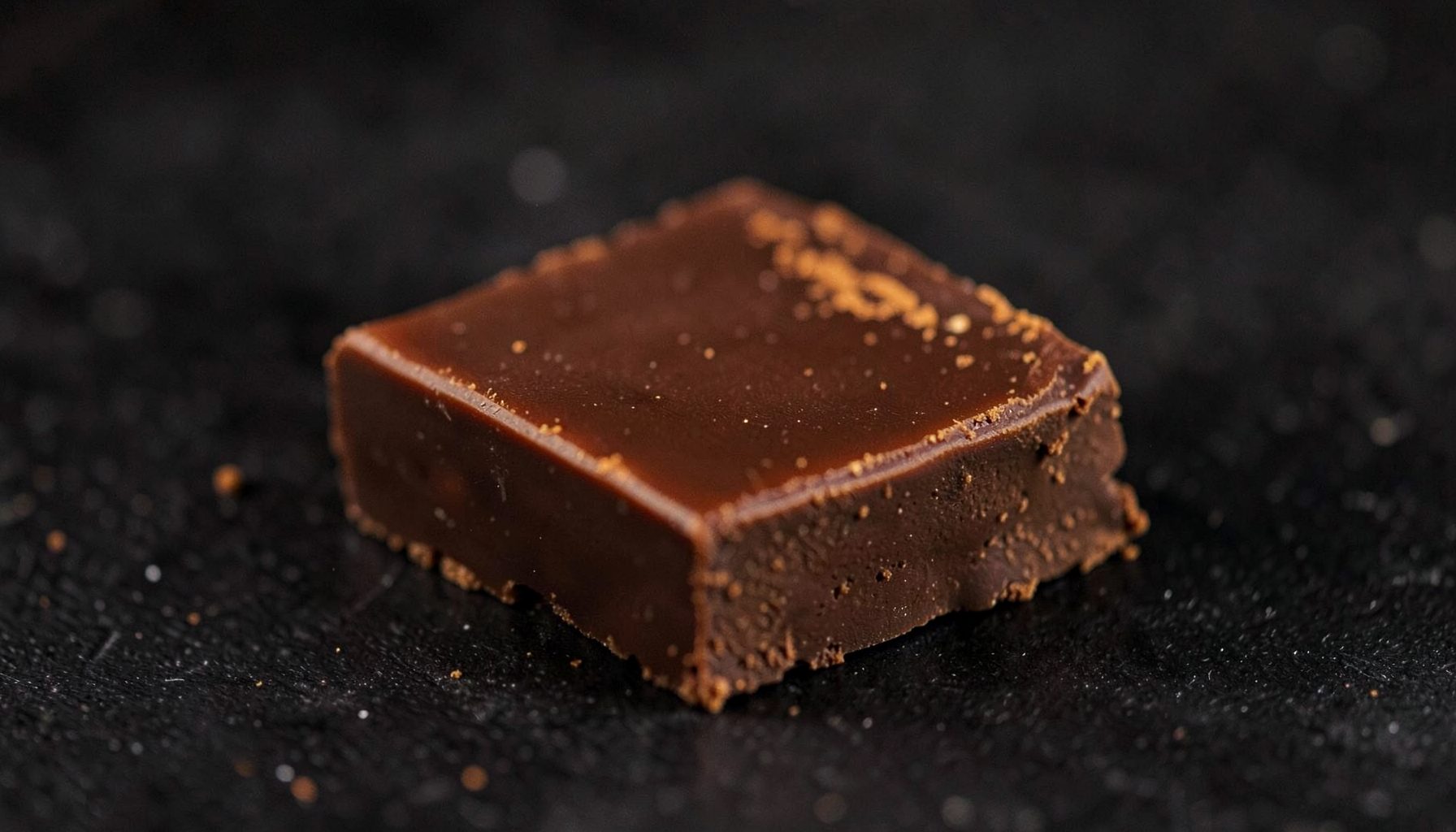
Cinnamon
Warm spiced chocolate with a smooth finish. Single bars and bulk packs available.
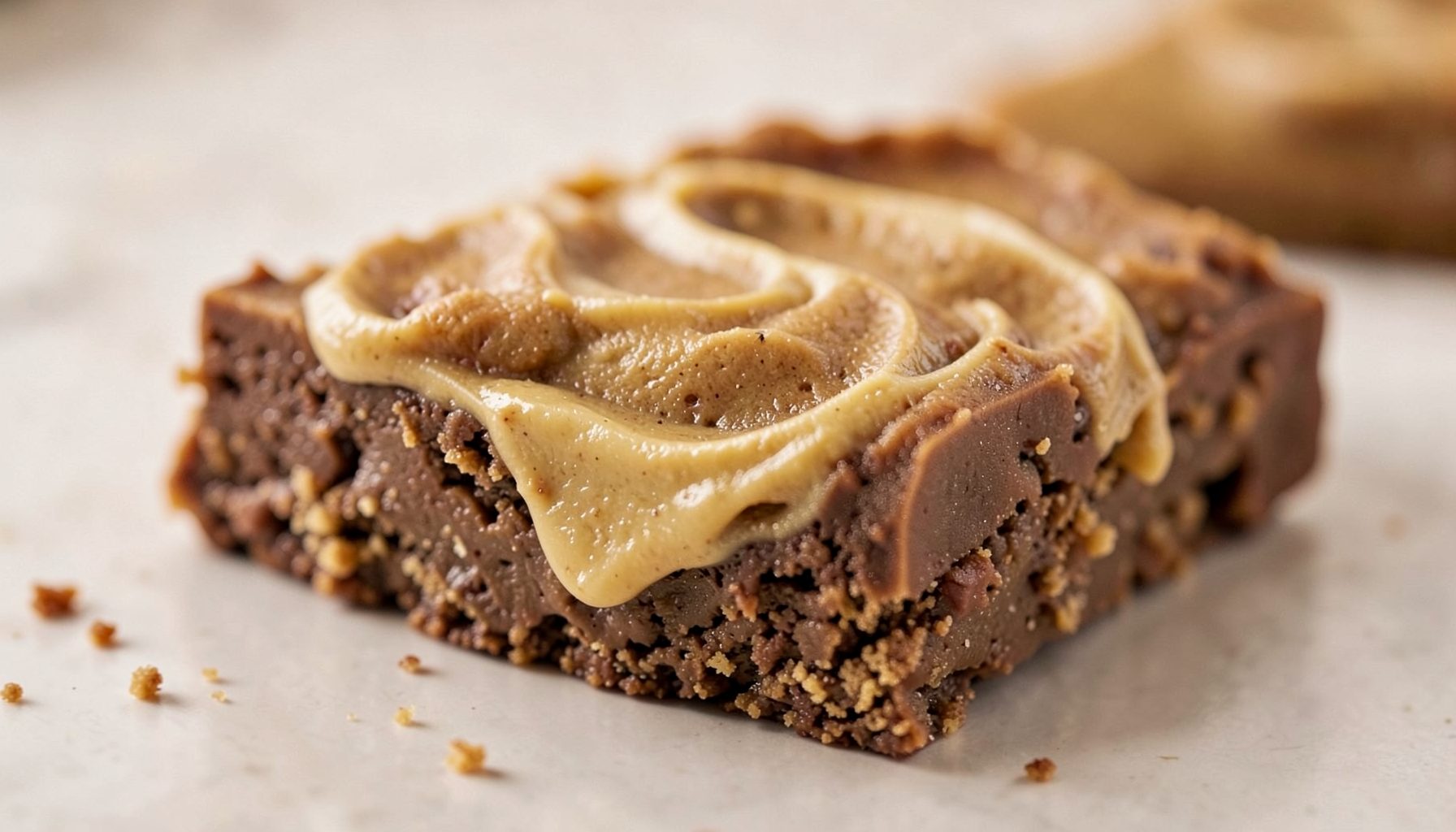
Cookie Butter
Rich, buttery cookie flavor in every bite. Offered in 1-pack and 10-pack options.

Cookies & Cream
Classic cookies-and-cream taste with a mushroom chocolate twist. 1-pack and 10-pack.
Tracing the mushrooms behind every product
Where we source our mushrooms from matters as much as the flavor, format, and serving size of a finished product. For mushroom-infused chocolates, gummies, and cones, a dependable supply chain begins with correctly identified ingredients and continues through cultivation, processing, testing, and documentation.
Sourcing is also more complex than naming a country or region. Mushroom ingredients can differ according to species, growing method, whether they use fruiting bodies or mycelium, extraction techniques, and the standards applied by each supplier. These details affect how an ingredient is described, handled, and incorporated into a finished recipe.
For Diamond Shruumz, a quality-focused approach means treating the mushroom supply chain as part of the product story. Ingredient transparency, responsible procurement, and clear communication help customers understand what goes into the collection and how each product reaches the package.
Sourcing starts with ingredient identity
The first step is knowing exactly what a mushroom ingredient is. A supplier should be able to identify the species or blend, describe the material supplied, and provide documentation that supports its identity. This is especially important when a product contains mushroom extracts, functional mushrooms, or other botanical ingredients with similar names.
Clear identity records can include the scientific name, common name, plant part or mushroom material used, country of origin, and processing method. They may also distinguish between a whole mushroom, a concentrated extract, and mycelium grown on a substrate. These distinctions give product developers a more accurate basis for formulation and labeling.
A brand’s sourcing story is also connected to its broader history. Customers can explore the company’s background and product development through the brand story, including the thinking behind its chocolate collection and quality standards.
Cultivation and regional fit
Mushrooms may be cultivated in controlled indoor environments, grown on specific substrates, or collected through carefully managed agricultural systems. Each approach has different considerations, including climate, water use, substrate quality, harvesting practices, and the consistency of the final ingredient.
The location of a supplier can influence logistics and oversight, but geography alone does not establish quality. A reliable sourcing program considers whether the grower maintains consistent production records, follows sanitation procedures, and can provide information about cultivation conditions. It also considers how ingredients are stored and transported after harvest.
For a California-based brand serving customers across different markets, a well-managed supply chain needs dependable communication between growers, ingredient processors, manufacturers, and distribution partners. That coordination helps protect the integrity of sensitive ingredients before they become part of a chocolate bar, gummy, or cone.
From harvest to usable ingredient
Freshly harvested mushrooms are not automatically ready for use in a consumer product. They may be dried, milled, extracted, or otherwise processed before being added to a formulation. Processing must be controlled carefully because heat, moisture, oxygen, and storage time can affect an ingredient’s characteristics.
Documentation should follow the ingredient through these stages. Useful records may cover lot numbers, production dates, storage conditions, and certificates of analysis. Depending on the ingredient, testing can address identity, moisture, microbial levels, pesticides, heavy metals, and other contaminants relevant to the supply chain.
The finished product also requires attention. A mushroom ingredient can meet its specifications when it arrives at a facility, while the completed recipe must still be checked for consistency, packaging performance, and accurate labeling. Responsible sourcing therefore continues beyond the farm or processing site.
What responsible sourcing looks like
The following comparison shows the main elements that shape a traceable mushroom supply chain:
| Sourcing element | What it helps verify | Why it matters |
|---|---|---|
| Species and ingredient identity | The material matches its description | Reduces confusion between similar mushrooms or extracts |
| Cultivation records | How and where the ingredient was produced | Supports consistency and supplier accountability |
| Lot tracking | Which batch entered a particular product | Makes investigation and quality control more precise |
| Laboratory analysis | Relevant safety and composition measures | Helps identify contamination or specification issues |
| Storage and transport logs | How the ingredient was handled after processing | Protects quality before manufacturing |
| Finished-product checks | Whether the final item meets its requirements | Connects raw-material sourcing with customer experience |
A strong program uses several of these controls together rather than relying on a single certificate or marketing statement. Supplier qualification, periodic review, and batch-level records provide a clearer picture of the journey from cultivated mushroom to finished product.
The level of information available may vary by ingredient and product format. Customers who want current details about a specific item can use the brand’s contact page to request product or sourcing information directly.
Transparency across product formats
Chocolate bars, gummies, and cones have different recipes and production requirements. A mushroom extract that works well in one format may need a different handling approach in another because of differences in moisture, texture, flavor, serving size, and shelf-life expectations.
That is why sourcing cannot be separated from formulation. The ingredient must be compatible with the carrier, evenly distributed, and represented accurately on the package. Flavor development also plays a role, since earthy or bitter notes may interact differently with dark chocolate, fruit-forward gummies, or a cone-style product.
A broad flavor collection does not necessarily mean every product uses the same mushroom material in the same way. Product pages, package information, and current brand communications are the best sources for understanding the ingredients and serving guidance associated with an individual item.
How customers can evaluate origin
Customers often look for a simple answer to the question, “Where are the mushrooms grown?” In practice, a useful answer includes more than a place name. It should explain the ingredient type, the supplier relationship, the cultivation or processing method, and the checks used to support quality.
It is reasonable to look for specific language rather than broad claims. Terms such as traceability, batch testing, supplier qualification, certificates of analysis, and ingredient identity indicate that a company is addressing the practical parts of sourcing. They are more informative when paired with product-specific details and clear contact options.
Customers should also distinguish between reported experiences and verified product information. Personal impressions about flavor or effects can vary, while sourcing records and laboratory documentation serve a different purpose. Both may appear in brand communications, but they should not be treated as interchangeable.
Practical checks before choosing a product
A thoughtful purchasing decision starts with the package and the product page, then moves toward the questions that matter for the particular formulation.
- Check the ingredient list, serving information, and product format before buying.
- Look for clear descriptions of the mushroom material, such as an extract, fruiting-body ingredient, or mycelium.
- Review whether the brand discusses lot tracking, laboratory analysis, or supplier standards.
- Contact the company when a specific origin, batch, or testing detail is not clearly published.
- Store the product according to its label and follow the stated serving guidance.
Sourcing information can change as suppliers, formulations, and production arrangements develop. Current product details should therefore take priority over general descriptions found elsewhere, especially when comparing different flavors or pack sizes.
A transparent mushroom supply chain is built from many connected decisions: identifying the ingredient, selecting capable growers and processors, preserving batch records, checking the finished product, and communicating clearly with customers. Explore the Diamond Shruumz collection, review the details for each format, and connect with the brand directly when you need more information about the mushrooms behind a specific product.

Send Us a Message
Get in Touch
Have questions about our products or your order? Reach out and we'll get back to you.
- California, USA
- Contact Page