
California • Est. 2019
Premium mushroom chocolate bars, gummies, and cones crafted in California. Bold flavors, uncompromising quality, and a brand built from the ground up.
Explore the CollectionOur Collection
Shruumz Chocolates & Gummies
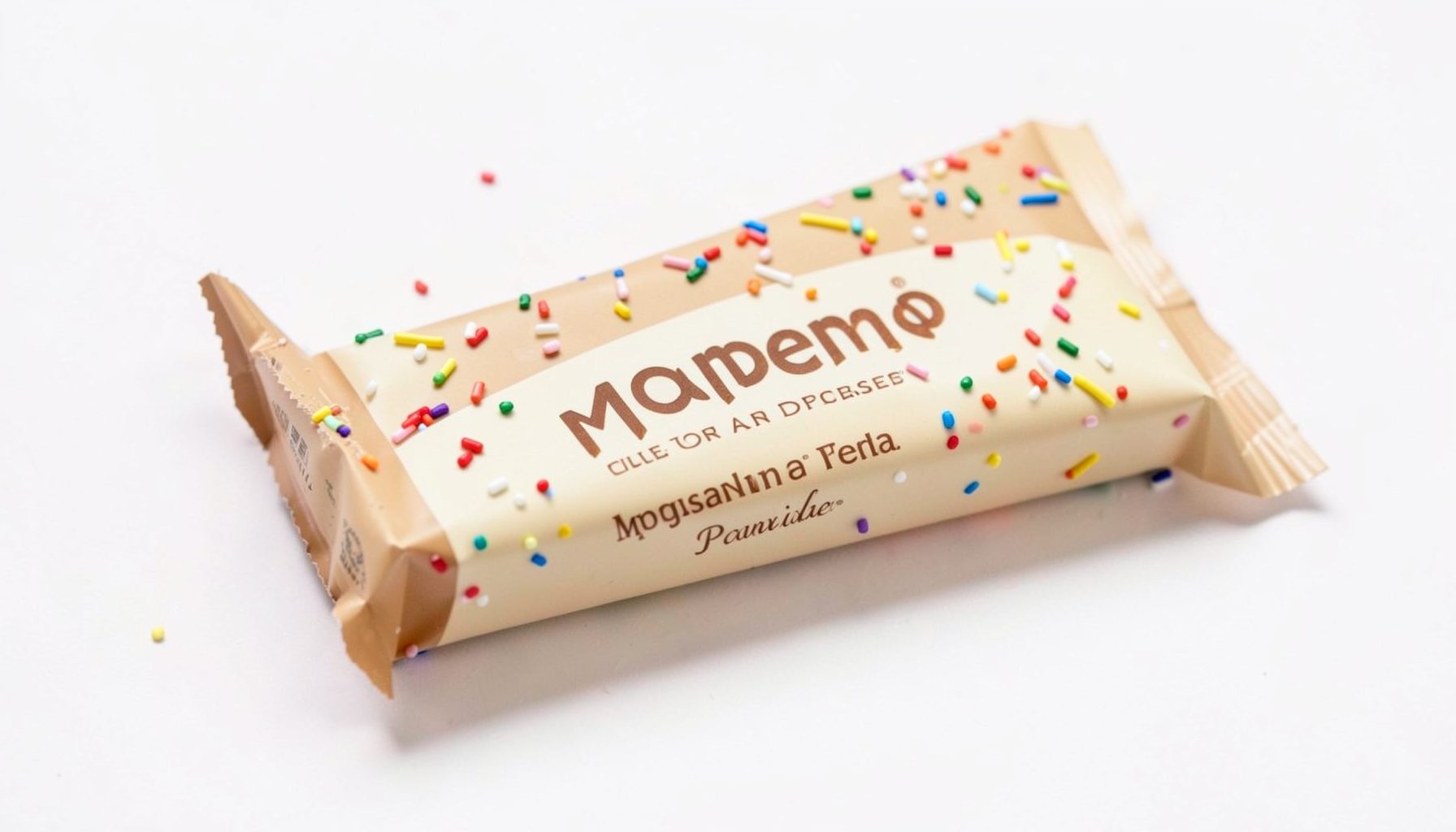
Birthday Cake
Celebratory flavor with a sweet, cake-inspired profile. Available in 1-pack and 10-pack.

Cinnamon
Warm spiced chocolate with a smooth finish. Single bars and bulk packs available.
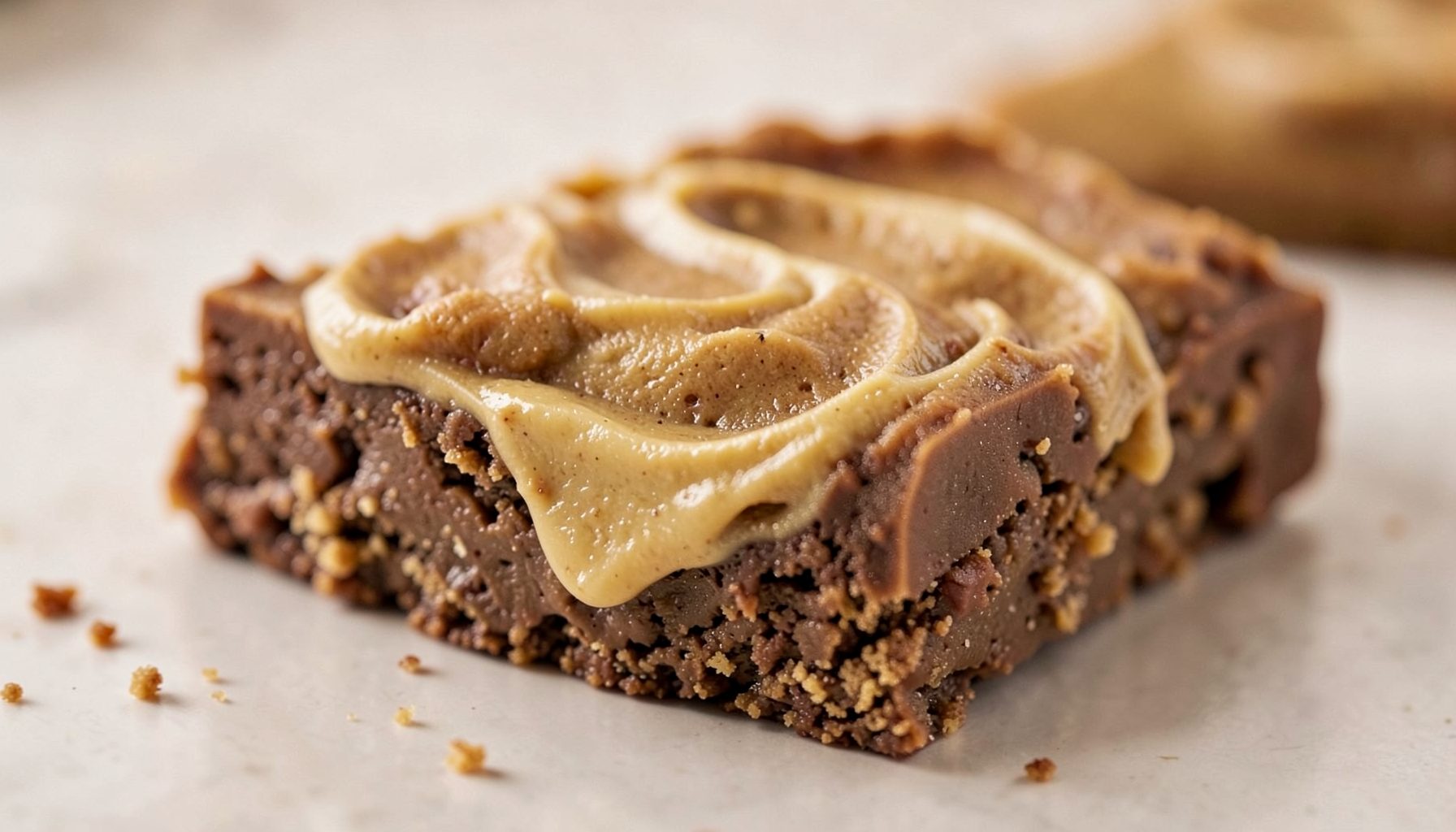
Cookie Butter
Rich, buttery cookie flavor in every bite. Offered in 1-pack and 10-pack options.

Cookies & Cream
Classic cookies-and-cream taste with a mushroom chocolate twist. 1-pack and 10-pack.
Why Ingredient Transparency Matters At Diamond Shruumz
Ingredient transparency gives customers the information they need to make thoughtful decisions about mushroom-infused chocolates, gummies, and cones. For a brand such as Diamond Shruumz, clear product information can explain what is inside each serving, how it is made, and how different formats may fit different preferences.
The company’s collection spans more than 20 flavors and multiple pack sizes, making consistency especially important. A colorful package may attract attention, but a complete label helps customers compare products, understand potency, identify allergens, and recognize the difference between flavor ingredients and active compounds.
Transparency also strengthens trust over time. When brands communicate openly about sourcing, testing, serving guidance, and product updates, customers can assess an item according to their own needs rather than relying on assumptions or vague marketing language.
What Ingredient Transparency Really Means
Ingredient transparency is more than listing cocoa, sugar, fruit flavoring, or botanical extracts on a package. It means presenting the full formula in a readable way, including active ingredients, inactive ingredients, allergens, serving size, total quantity, and any relevant warnings. Customers should not have to interpret unclear blends or search across several pages to understand a product.
For mushroom-based products, the label should make the product’s identity especially clear. Terms such as mushroom blend, extract, fruiting body, mycelium, or proprietary formula can describe different things. A useful product page explains which ingredients are included and avoids making customers guess how the formula relates to the stated serving guidance.
Clear language also helps separate reported experiences from verified product information. Customers may describe relaxation, mood changes, focus, or recreational effects, but personal experiences vary. Transparent communication presents those accounts as individual reports rather than guaranteed outcomes.
Labels Help Customers Compare Products
A consistent label makes it easier to compare a chocolate bar with a gummy or cone. Format affects portioning, taste, convenience, and how quickly a product may be consumed. Flavor names can also influence expectations, while pack size affects how many servings are available.
Customers benefit when each product page follows a familiar structure. The same information should appear in a similar location across flavors, with serving directions that are easy to distinguish from promotional copy. If a formula changes, the updated ingredient list and production details should be visible rather than hidden in a separate announcement.
The following comparison shows the kinds of details shoppers may want to review before selecting a product:
| Detail To Check | Why It Matters | Questions To Ask |
|---|---|---|
| Product format | Chocolates, gummies, and cones offer different portioning and consumption experiences | Is the serving easy to divide? |
| Serving size | Helps customers avoid consuming more than intended | How many pieces or portions make up one serving? |
| Active ingredients | Clarifies what contributes to the product’s intended character | Are the mushroom ingredients specifically identified? |
| Inactive ingredients | Reveals sweeteners, flavorings, oils, and texture agents | Does the formula contain ingredients to avoid? |
| Allergen information | Supports people with food sensitivities or dietary restrictions | Are milk, soy, nuts, or gluten concerns clearly addressed? |
| Batch or lot details | Makes product tracking and follow-up more practical | Is there a lot number or production reference? |
| Testing information | Provides evidence about identity, consistency, and contaminants | Is testing explained in accessible language? |
| Storage guidance | Helps preserve quality and reduce avoidable spoilage | Should the product be kept cool, dry, or sealed? |
These details are useful across the brand’s flavor range, from familiar chocolate profiles to fruit-forward gummies. They also give customers a practical way to distinguish a product’s sensory appeal from its ingredient and quality profile.
Sourcing And Testing Build Accountability
Sourcing information gives context to the ingredient list. Customers may want to know where mushrooms, cocoa, sweeteners, and flavor compounds originate, how suppliers are selected, and whether materials are reviewed before production. The more specific the explanation, the easier it is to understand the brand’s quality controls.
Testing is another central part of accountability. A responsible quality program may include checks for ingredient identity, potency consistency, microbes, heavy metals, pesticides, and other contaminants where relevant. The exact testing scope should be explained rather than reduced to a broad statement such as “lab tested.”
A strong presentation also makes clear what testing can and cannot establish. A laboratory report applies to a particular sample or batch, so customers should be able to connect results with a lot number or production date when possible. Current documentation matters more than a generic testing claim displayed without context.
Format, Flavor, And Dosing Information
Diamond Shruumz’s range of flavors and pack sizes gives customers room to choose according to taste and occasion. Still, variety should not make the core facts harder to find. Every option should communicate its serving information with the same level of detail, whether it is a small gummy pack or a larger chocolate bar.
Dosage language deserves careful attention because edible products can be easy to consume quickly. A clear label identifies the amount per piece and the amount in the full package, while responsible guidance encourages customers to follow the stated serving directions and allow sufficient time before considering additional consumption.
Customers who are new to these products can use the brand’s gummy guide to review format-specific information. Educational content is most useful when it supports the package rather than replacing it, since formulas, regulations, and product instructions can change.
Transparency Supports Safer Decisions
Open communication helps customers identify situations that require extra caution. People who are pregnant or breastfeeding, managing a medical condition, taking medication, or sensitive to particular ingredients may need advice from a qualified healthcare professional before using an infused product. Age restrictions and local laws should also be checked before purchase or consumption.
Storage and handling guidance belong in the same conversation. Products should remain in their original packaging, away from children and pets, and be stored according to the label. Keeping clear records of the product name, lot number, and purchase date can make it easier to respond to a recall, quality notice, or personal reaction.
Transparency should extend to adverse-event communication. If a brand learns of a potential quality issue, customers need prompt, specific information about affected products and recommended next steps. A visible update process demonstrates that customer safety remains important after the sale.
Trust Depends On Clear Brand Communication
A trustworthy brand distinguishes factual product details from lifestyle content, customer testimonials, awards, and promotional descriptions. Awards may reflect packaging, flavor, or consumer popularity, but they do not replace ingredient disclosure or laboratory documentation. Similarly, a customer review can describe a personal experience without proving that every customer will experience the same result.
The broader website should make those distinctions easy to follow. Product pages, educational guides, and unrelated editorial material can serve different purposes, and clear labeling helps visitors understand what they are reading. For example, a separate Woospins casino guide should be recognized as lifestyle or entertainment content rather than evidence about a mushroom product’s ingredients or performance.
This separation improves credibility. Customers can appreciate a brand’s history, flavor development, and recreational positioning while still receiving precise information about formulas, testing, and responsible use.
A Practical Transparency Checklist
Before choosing a mushroom-infused product, customers can use a short review process:
- Read the complete ingredient list, including active and inactive components.
- Confirm serving size, amount per piece, and total package quantity.
- Check allergen statements, storage directions, age guidance, and local requirements.
- Look for batch details and an explanation of testing or quality controls.
- Treat testimonials and reported effects as personal experiences, not guaranteed results.
This checklist is particularly useful when comparing several flavors or formats. It turns ingredient transparency into a practical habit instead of a general promise, helping customers focus on information that can be verified.
Diamond Shruumz can reinforce that trust by keeping product pages current, explaining formula or packaging changes, and making quality information easy to locate. Customers can support better purchasing decisions by reviewing labels carefully, following serving guidance, and selecting products whose ingredients and documentation are presented clearly.

Send Us a Message
Get in Touch
Have questions about our products or your order? Reach out and we'll get back to you.
- California, USA
- Contact Page