
California • Est. 2019
Premium mushroom chocolate bars, gummies, and cones crafted in California. Bold flavors, uncompromising quality, and a brand built from the ground up.
Explore the CollectionOur Collection
Shruumz Chocolates & Gummies
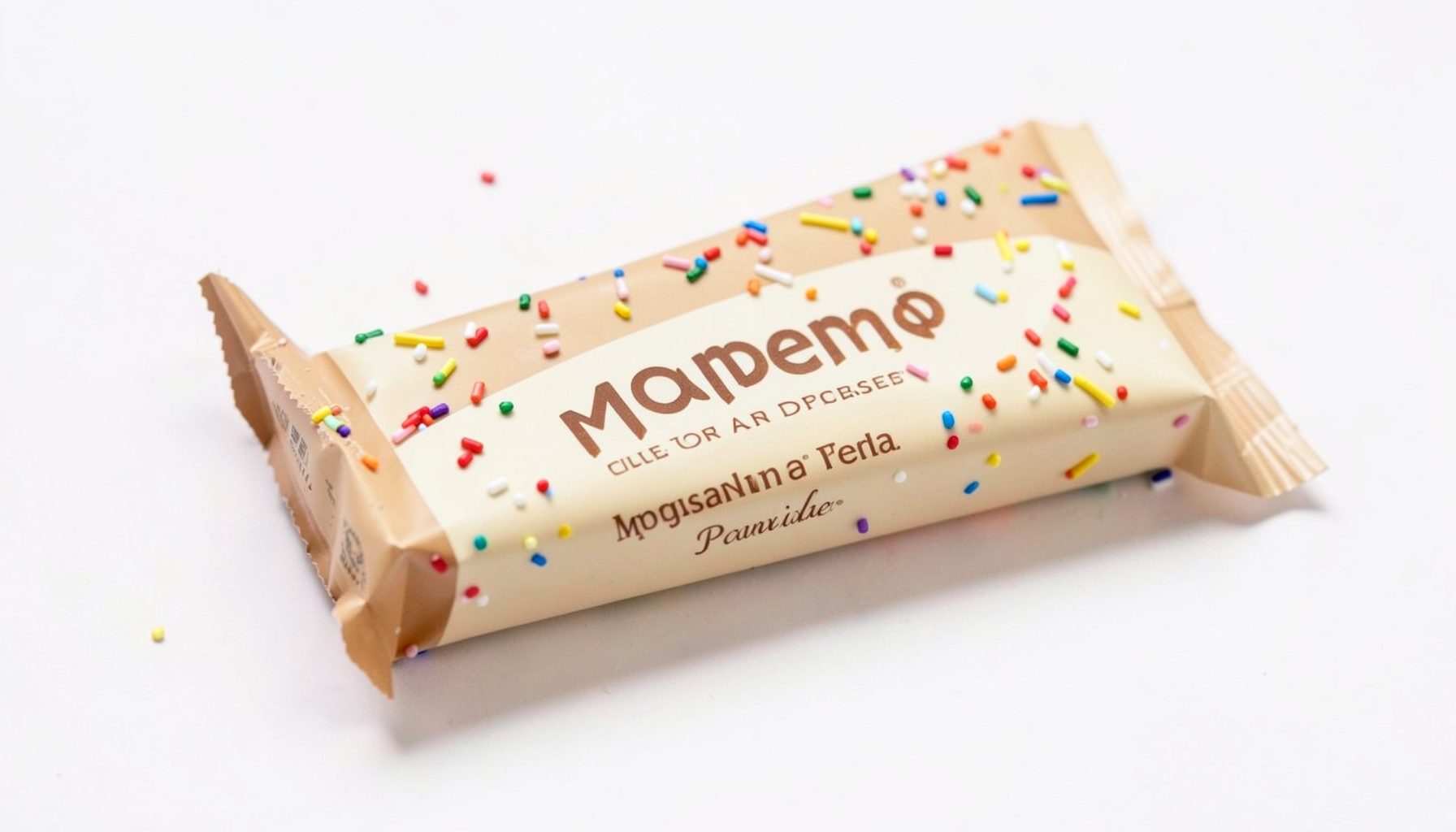
Birthday Cake
Celebratory flavor with a sweet, cake-inspired profile. Available in 1-pack and 10-pack.
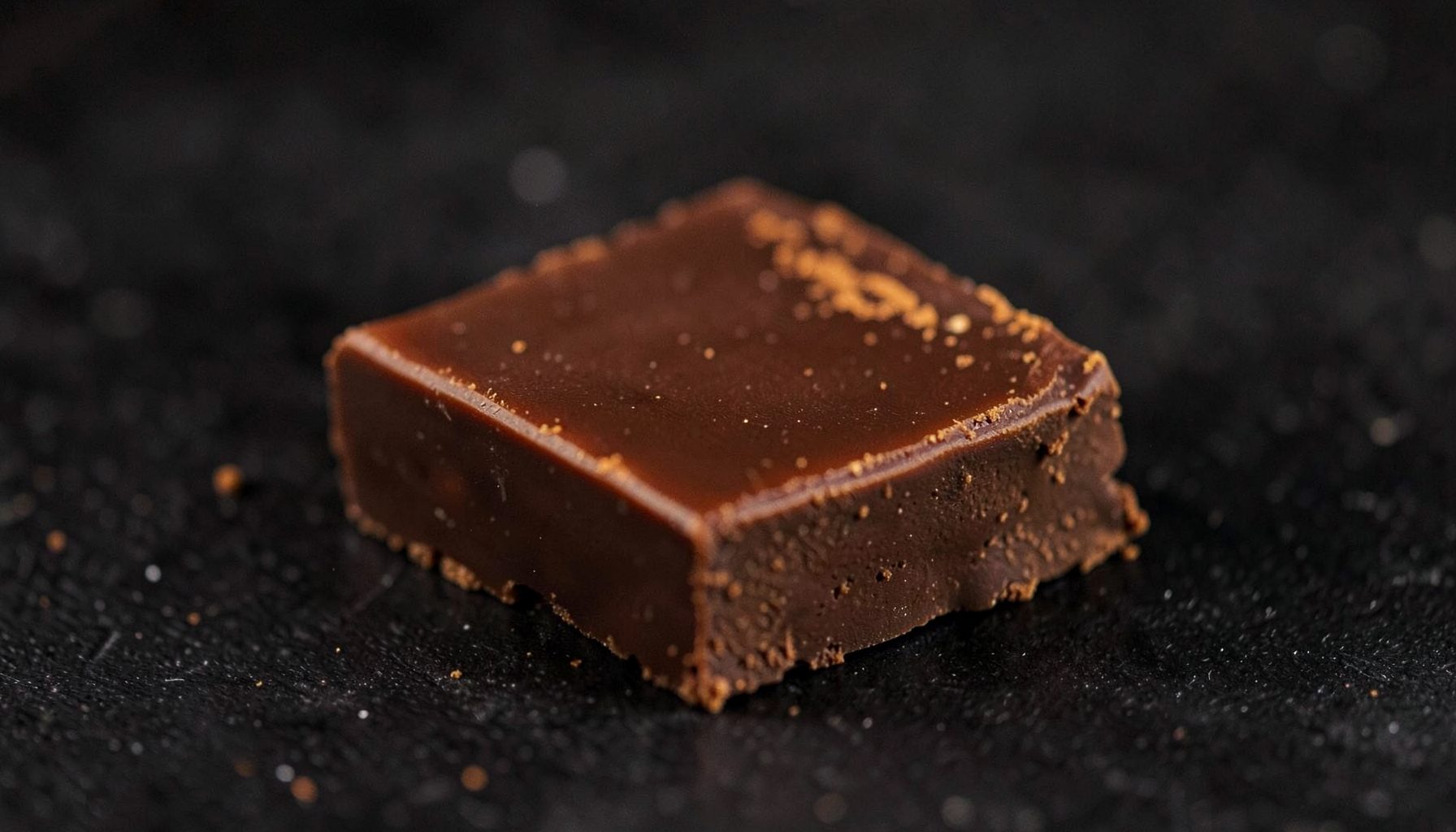
Cinnamon
Warm spiced chocolate with a smooth finish. Single bars and bulk packs available.
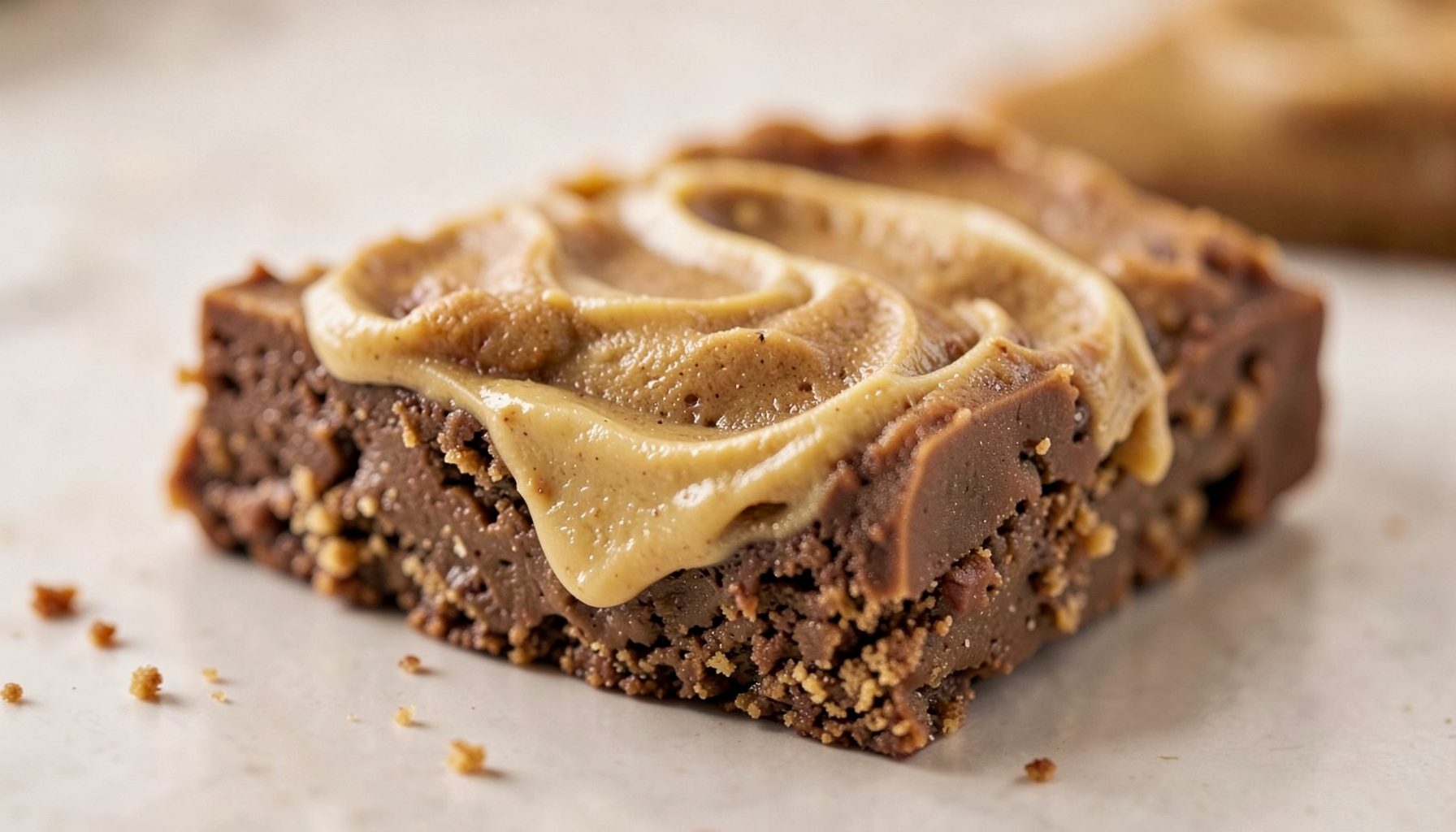
Cookie Butter
Rich, buttery cookie flavor in every bite. Offered in 1-pack and 10-pack options.
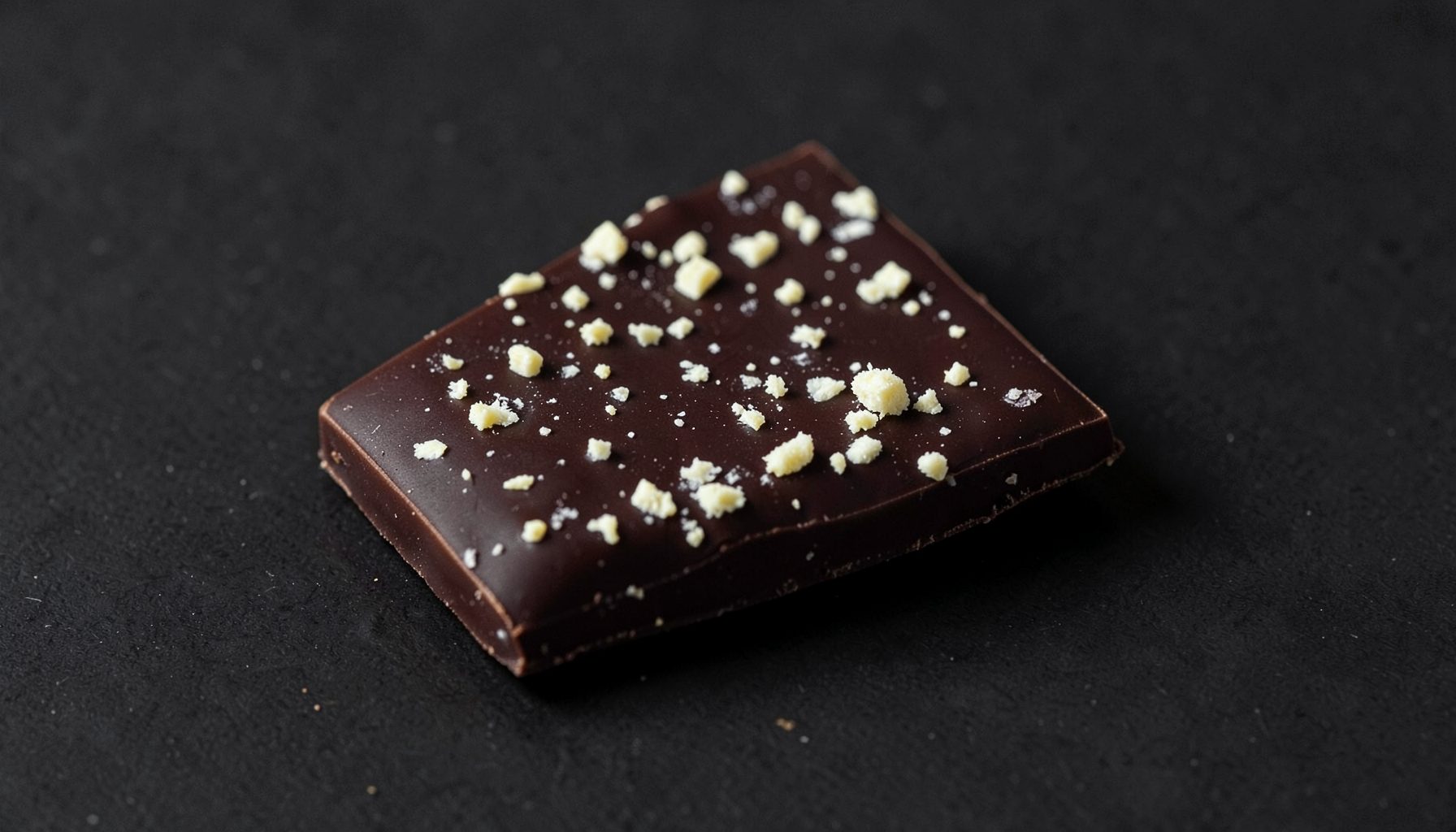
Cookies & Cream
Classic cookies-and-cream taste with a mushroom chocolate twist. 1-pack and 10-pack.
Why Our Mushroom Gummies Have a Distinctly Chewier Bite
Walk into any chemist in Melbourne or a health store in Brisbane and you'll notice that gummies now sit beside the vitamins, the protein powders, and the adaptogens. The category has exploded across Australia over the past few years, but ask ten regular buyers what they actually want from a chew and you'll get the same answer over and over: a proper bite, not a soft jelly that flattens between the molars. Our gummies are deliberately formulated to deliver that slower, denser chew, and the difference is the result of choices we made about ingredients, moisture, and how the pieces are set rather than dried.
Most people who pick up a Diamond Shruumz pouch for the first time comment on the texture before anything else. They describe the pieces as "gummy" in the truest sense of the word — springy, elastic, slow to flatten. That feel is not an accident. It is the outcome of a recipe built around real plant-based pectin, careful moisture control, and a cooling stage that gives each piece its structure. Understanding why our bite differs from competitors starts with looking at what goes into the kettle.
What defines a chewier gummy texture
The term "chewy" gets used loosely across product labels in Australia, often as a marketing shorthand for anything that isn't rock-hard. In practice, chewiness is a measurable quality. It relates to the elasticity of the gel matrix, the amount of water bound inside the piece, and how the polymer chains inside the gelling agent interact under pressure. A truly chewy gummy resists biting for a moment, then releases flavour slowly as it warms in the mouth. A softer gummy collapses on first contact and dissolves quickly, which some buyers describe as "melty" or "marshmallow-like."
Our formulation is tuned toward the first of those experiences. The pieces are designed to hold their shape through the first few bites, which lets the active mushroom compounds and flavour notes release gradually rather than in one rush. For shoppers used to gummies that vanish after two chews, this can feel unfamiliar at first. Once the difference is noticed, however, most people describe the new experience as richer and more satisfying, particularly when the gummy is eaten slowly alongside a coffee in a Sydney café or as a quiet moment after a beach walk in Perth.
Pectin, gelatin, and the plant-based choice
One of the biggest drivers of bite is the gelling agent itself. Many commercial gummies on Australian shelves use beef-derived gelatin because it sets quickly and produces a firm, glossy finish. Pectin, which we use at Diamond Shruumz, behaves differently. Pectin forms a more flexible, slightly looser network that traps water and air differently, producing a gel that bounces back when pressed rather than fracturing. The result is a piece that bends, gives, and asks to be chewed.
Pectin also requires higher solids and precise acidity to set properly, which is why our recipe uses more fruit-derived material and a longer cook. The trade-off is worth it for shoppers who want a plant-based product, and it is a major reason our pieces feel denser in the hand. Each gummy carries more of its own weight in fruit content, which directly translates to a heartier bite. Competitors who use thinner gelatin-based formulas simply cannot reach the same mouthfeel without sacrificing their plant-friendly positioning.
Moisture, humidity, and the local shelf
Texture does not stop being relevant once the gummy leaves the kettle. Humidity is a quiet but powerful force on the Australian east coast, where summer humidity in cities like Brisbane and Sydney regularly climbs past seventy percent. Gummies are hygroscopic, meaning they absorb and release moisture depending on the air around them. A piece that is firm and chewy when sealed can turn soft and tacky if stored poorly, while a piece that is too dry in the recipe stage becomes leathery and hard.
Our production process aims for a specific moisture window that keeps the bite consistent from the first piece in the pouch to the last. The pectin matrix, combined with the higher solids mentioned above, holds water in a way that resists the drying-out effect you sometimes see in cheaper gelatin gummies left in a car glovebox. For Australian customers dealing with a warm climate, this stability matters as much as the initial chew. It is why the pieces in a fresh pouch feel just as elastic on day one as they do in week three, provided the pouch is resealed and kept somewhere cool.
Concentrated flavours in a denser bite
Flavour and texture are deeply linked, and a chewier gummy allows both to do more work. Because the piece holds together longer in the mouth, the flavour compounds stay in contact with the palate for more chews rather than vanishing in an instant. This is partly why our pieces taste more layered in flavour reviews, particularly the fruit-forward options, and why the mushroom notes come through gently rather than as a single sharp hit.
The denser base also carries colour and aroma more effectively. Where a softer gummy often looks translucent and pale, a properly set pectin gummy holds a deeper, more saturated appearance that signals concentration. Shoppers browsing the range in a Priceline aisle or a local health food store will notice this visual cue straight away. It is a quiet signal that the gummy has more substance per piece, and that the chew will reward patience with a fuller taste experience.
Cooling and setting times that shape the bite
The least visible factor in our texture is the time we give the gummies to set. Commercial production lines often use short cooling tunnels and rapid demoulding to push volume, which works fine for soft gelatin pieces but does not give pectin the time it needs to form a complete gel network. Our process uses a longer, slower cooling stage that allows the pectin chains to align fully. The result is a piece with a more uniform internal structure and a more predictable bite from one unit to the next.
This slower setting also explains the slight variation in surface sheen across the range. Some pieces have a softer outer skin that gives way to a denser centre. That is the pectin network doing exactly what it was designed to do, and it is a feature rather than a flaw. Australian buyers who care about craft food production — and there are many of them, from the slow-food devotees of Adelaide to the weekend fermenters of Fitzroy — tend to read this kind of variation as a positive sign that the product was made with care, not stamped out at maximum speed.
How the bite compares to the rest of the market
Stepping back from the science, the simplest way to understand our chew is to compare it side by side with the average supermarket gummy. The competitor piece usually gives under light pressure, flattens on the tongue, and loses flavour after a few chews. Our piece meets the bite with mild resistance, folds rather than fractures, and continues to release flavour as it warms in the mouth. The difference is most obvious in the fruit and chocolate-flavoured pouches, where the longer chew gives the layered notes time to emerge.
For anyone used to softer gummies, the adjustment is small but rewarding. Start with a single piece, chew slowly, and pay attention to how the bite changes across the first thirty seconds. The elastic feel, the slow release of flavour, and the lack of any sticky residue on the teeth are the markers of a denser, more carefully made chew. Customers across Sydney, Melbourne, and the regional centres consistently tell us that once they adjust, they find softer gummies harder to enjoy. The chewy bite, once you get used to it, simply offers more per piece — and that is the standard we set for every batch we release through our shop.

Send Us a Message
Get in Touch
Have questions about our products or your order? Reach out and we'll get back to you.
- California, USA
- Contact Page